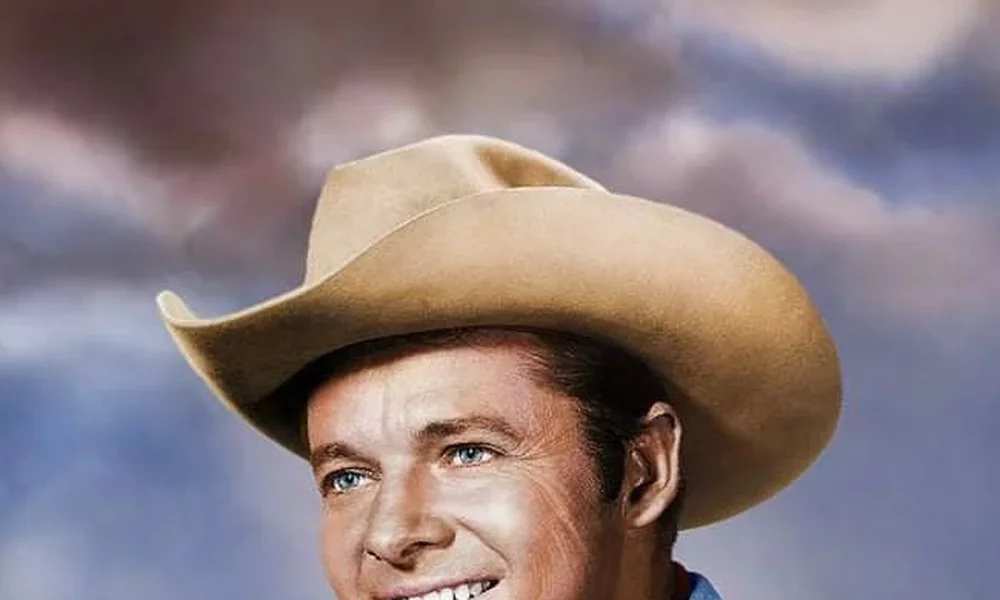
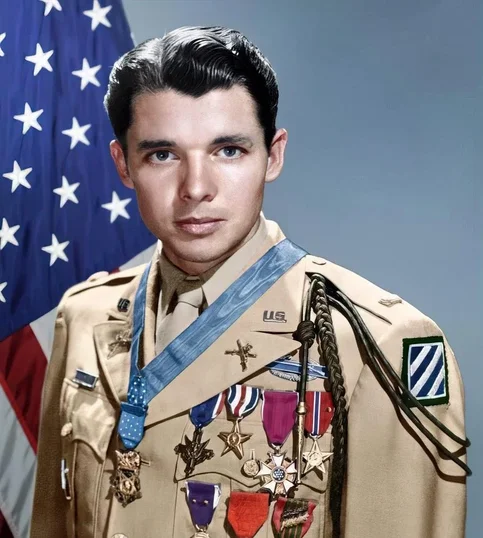
Audie Murphy, born Audie Leon Murphy on June 20, 1925, in Kingston, Texas, is one of the most decorated American combat soldiers of World War II. His incredible bravery and valor earned him numerous accolades, including the Medal of Honor, the highest military decoration awarded by the United States government. Beyond his military achievements, Murphy transitioned to a successful career in Hollywood, becoming a well-known actor, primarily known for his roles in Western films. Despite his fame and success, Murphy’s life was marked by a deep-seated struggle with the trauma of war, which he courageously fought until his untimely death in 1971. This article delves into the life of Audie Murphy, exploring his journey from a poor sharecropper’s son to a war hero and Hollywood icon.
PERSONAL INFORMATION
| Name | Audie Murphy |
|---|---|
| Date of Birth | 20 June 1925 |
| Age at Death | 45 Years |
| Zodiac Sign | Gemini |
| Date of Death | 28 May 1971 |
| Place of Death | Roanoke |
| Nationality | United States |
| Place of Birth | Kingston |
| Native Name | Audie Leon Murphy |
| Languages Spoken | English |
| Gender | Male |
| Signature |  |
| Birth Name | Audie Leon Murphy |
| Native Language | English |
PHYSICAL STATISTICS
| Height (in centimeters) | 166 cm |
|---|---|
| Height (in meters) | 1.66 m |
| Height (in feet inches) | 5′ 5″ |
FAMILY
| Spouse | Wanda Hendrix |
|---|---|
| Father | Emmett Berry Murphy |
CAREER
| Awards Received | Knight of the Legion of Honour, Croix de guerre 1939–1945, Medal of Honor, Bronze Star Medal, Legionnaire of Legion of Merit, Purple Heart, Texas Legislative Medal of Honor, Silver Star, World War II Victory Medal, Distinguished Service Cross, Army Good Conduct Medal, Distinguished Unit Award, American Campaign Medal, European-African-Middle Eastern Campaign Medal, Combat Infantryman Badge, Marksmanship Medal, fourragère, Croix de guerre 1940–1945 (Belgium), French Liberation Medal, star on Hollywood Walk of Fame |
|---|---|
| Work Period Start | 1945 |
| Genre | Western film, war film, war drama, film noir, thriller film, drama film, action film |
| Work Period End | 1969 |
| Profession | military officer, military personnel, actor, film actor, television actor, songwriter, composer, screenwriter, lyricist, film producer, non-fiction writer |
SOCIAL MEDIA & LINKS
| IMDB ID | nm0001559 |
|---|---|
| Official Website | http://www.audiemurphy.com/ |
| Wikipedia | Wikipedia |
Cost of becoming
The cost of becoming a hero is often measured not just in the accolades and honors but in the personal toll it takes. For Audie Murphy, the transformation from a humble farm boy to the most decorated American soldier of World War II came with significant personal sacrifices. His early life was marked by poverty and hardship, and his decision to join the military at a young age was driven by a sense of duty and the need to support his family. The rigorous training and the horrors of war took a profound emotional toll on Murphy, which he carried with him long after the fighting had ended. Despite the accolades and the fame that followed, Murphy’s inner battles with post-traumatic stress disorder (PTSD) and the memories of war remained a constant challenge throughout his life.
Identity before fame
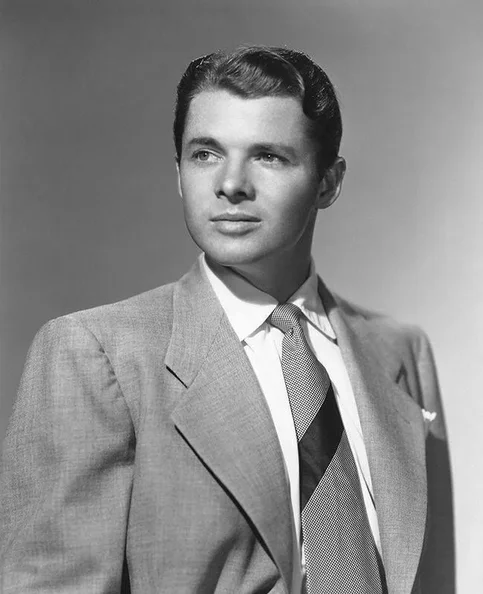
Before he became a household name, Audie Murphy was a simple farm boy from Texas. Born into a large family of sharecroppers, Murphy’s early years were marked by extreme poverty and hardship. His father, Emmett Murphy, was often absent, leaving the family to struggle under the care of his mother, Josie Bell Killian. Murphy dropped out of school in fifth grade to work and help support his family. He honed his skills as a hunter and marksman, qualities that would later serve him well in the military. Despite the challenges, Murphy’s early years instilled in him a strong sense of responsibility and a deep love for his country, values that would guide him throughout his life.
Production Houses Associated With Audie Murphy
| Production House | Number of Movies |
|---|---|
| Universal International Pictures | 16 |
| 20th Century Fox | 2 |
| Columbia Pictures | 2 |
| Hill-Hecht-Lancaster Productions | 1 |
| James Productions | 1 |
| Oldsmobile | 1 |
| Associated Producers (API) | 1 |
| Seven Arts Productions | 1 |
| United Artists | 1 |
| Figaro Incorporated Production | 1 |
Directors Audie Murphy Frequently Works With
| Director | Number of Movies |
|---|---|
| John Huston | 2 |
| Budd Boetticher | 2 |
| Don Siegel | 2 |
| Jesse Hibbs | 2 |
| Herbert Coleman | 2 |
| Harry Keller | 2 |
| William Witney | 2 |
| Nathan Juran | 2 |
| James Neilson | 1 |
| Dick McDonough | 1 |
Movie Genres of Audie Murphy
| Genre | Number of Movies |
|---|---|
| Western | 33 |
| Drama | 8 |
| War | 7 |
| Action | 5 |
| Romance | 4 |
| Comedy | 3 |
| Thriller | 2 |
| Music | 1 |
| TV Movie | 1 |
| History | 1 |
Year-wise Movies of Audie Murphy
| Year | Number of Movies |
|---|---|
| 2025 | 1 |
| 1969 | 1 |
| 1967 | 1 |
| 1966 | 3 |
| 1965 | 1 |
| 1964 | 3 |
| 1963 | 2 |
| 1962 | 1 |
| 1961 | 3 |
| 1960 | 3 |
| 1959 | 3 |
| 1958 | 3 |
| 1957 | 3 |
| 1956 | 2 |
| 1955 | 2 |
Timeline
- June 20, 1925: Audie Leon Murphy is born in Kingston, Texas.
- 1939: Murphy’s mother, Josie Bell Killian, passes away.
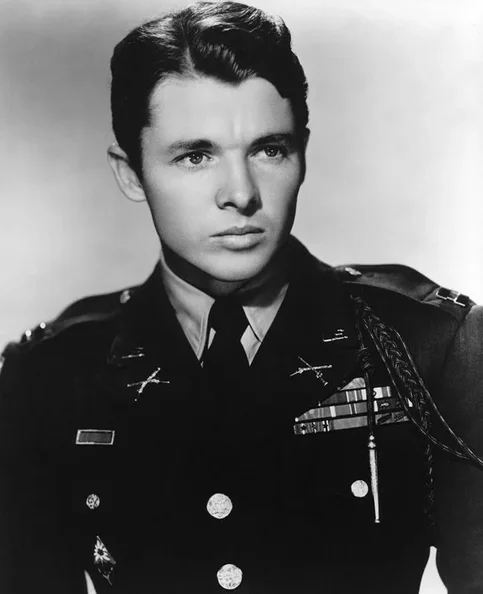
- 1942: Murphy lies about his age to join the U.S. Army at the age of 16.
- 1943: Murphy is deployed to North Africa and participates in the invasion of Sicily.
- February 1944: Murphy is wounded in action for the first time during the Battle of Anzio.
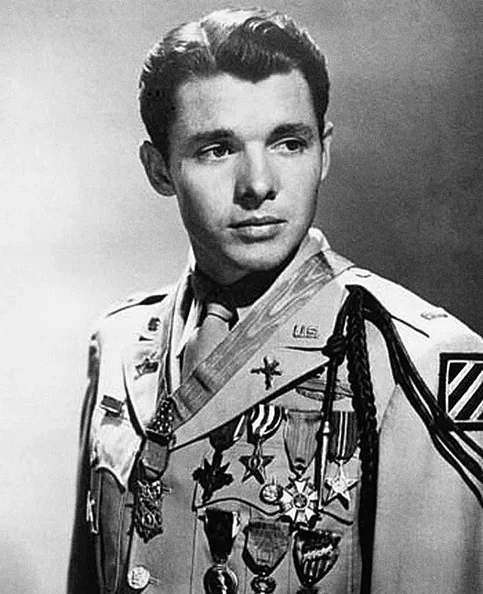
- January 26, 1945: Murphy single-handedly holds off a German attack and directs artillery fire onto enemy positions, earning him the Medal of Honor.
- 1945: Murphy returns to the United States as a war hero and begins his career in Hollywood.
- 1949: Murphy makes his debut in the film “Bad Boy” and goes on to appear in over 40 films throughout his career.
- 1955: Murphy publishes his memoir, “To Hell and Back,” which becomes a bestseller.
- May 28, 1971: Murphy dies in a plane crash near Hogback Mountain, Virginia.
Favourites
- Books: “To Hell and Back” by Audie Murphy
- Films: “To Hell and Back” (1955), “The Red Badge of Courage” (1951), “No Name on the Bullet” (1959)
- Places: Hollywood, Texas
- Activities: Hunting, horseback riding, writing
- Hobbies: Writing poetry, collecting guns
- Food: Texas cuisine, particularly barbecue
Controversies
- Lying about his age to join the military: Murphy had to lie about his age to join the Army at 16, which raised ethical questions about the institution’s rigor in verifying age requirements.
- Use of his fame for political causes: Some criticized Murphy for using his celebrity status to promote political causes, particularly his support for conservative policies during the Cold War era.
- Allegations of reckless behavior: Murphy’s love for fast cars and motorcycles led to accusations of recklessness, particularly after a near-fatal accident in 1969.
- Struggles with PTSD: Murphy’s public battles with post-traumatic stress disorder (PTSD) highlighted the lack of adequate support for veterans at the time, leading to debates about mental health care in the military.
- Alcohol and drug use: Murphy’s struggles with alcohol and prescription drug addiction were well-documented, raising concerns about the long-term effects of combat trauma.
- Marriage and family life: Murphy’s first marriage to Wanda Hendrix ended in divorce, and his second marriage to Peggy Martin was also marked by turbulence, leading to public scrutiny of his personal life.
- Financial difficulties: Despite his success, Murphy faced significant financial challenges, including bankruptcy in the 1960s, which raised questions about his financial management.
- Arrest for assault: In 1960, Murphy was arrested for assault after a physical altercation with a fellow actor on the set of “A Time for Killing.”
- Disagreements with Hollywood colleagues: Murphy had several public disagreements with other actors and producers, particularly during the filming of “The Red Badge of Courage.”
- Support for controversial figures: Murphy’s public support for controversial political figures and organizations, such as his association with the John Birch Society, led to criticism from some quarters.
Control vs chaos
The dichotomy between control and chaos is a recurring theme in Audie Murphy’s life. His military career was a testament to his ability to maintain control in the most chaotic and dangerous environments. Murphy’s leadership and strategic thinking often turned the tide of battle in his favor. However, this control came at a cost. The trauma of war and the constant exposure to violence left him struggling with PTSD and other mental health issues. In his personal life, Murphy often found himself in chaotic situations, whether it was financial difficulties, marital problems, or legal troubles. Despite these challenges, Murphy’s resilience and determination allowed him to maintain a sense of control and continue to achieve his goals.
Emotional geography
Audie Murphy’s emotional landscape was a complex terrain of patriotism, bravery, and deep-seated pain. His early experiences of poverty and loss at a young age forged a strong sense of responsibility and a deep connection to his home and country. The horrors of war left him with haunting memories and a profound sense of loss, which he carried with him throughout his life. Despite his public persona as a hero and a tough, fearless soldier, Murphy’s inner world was marked by intense emotional turmoil. His struggles with PTSD, alcoholism, and substance abuse were a reflection of the deep scars left by his wartime experiences. Yet, through his writing and public advocacy, Murphy found a way to channel his pain into something positive, helping to raise awareness about the struggles of veterans and the importance of mental health care.
FAQs
-
Who was Audie Murphy?
udie Murphy was a highly decorated American soldier of World War II and a successful Hollywood actor. He is known for his bravery on the battlefield and his roles in Western films.
-
What is Audie Murphy famous for?
udie Murphy is famous for being the most decorated American combat soldier of World War II, earning the Medal of Honor and 33 additional awards and decorations.
-
How did Audie Murphy join the military?
Murphy lied about his age to join the U.S. Army at the age of 16, driven by a sense of duty and the need to support his family.
-
What was Audie Murphy’s most notable military achievement?
Murphy’s most notable achievement was single-handedly holding off a German attack and directing artillery fire onto enemy positions on January 26, 1945, for which he was awarded the Medal of Honor.
-
How did Audie Murphy transition to Hollywood?
fter returning from World War II, Murphy’s fame and heroic status led to opportunities in the film industry. He made his debut in the film “Bad Boy” in 1949 and went on to appear in over 40 films.
-
What were some of Audie Murphy’s notable films?
Some of Audie Murphy’s notable films include “To Hell and Back” (1955), “The Red Badge of Courage” (1951), and “No Name on the Bullet” (1959).
-
Did Audie Murphy write any books?
Yes, Audie Murphy wrote his memoir “To Hell and Back” in 1949, which became a bestseller and was later adapted into a film of the same name.
-
What were Audie Murphy’s struggles after the war?
fter the war, Murphy struggled with post-traumatic stress disorder (PTSD), alcoholism, and financial difficulties. These challenges took a toll on his personal and professional life.
-
How did Audie Murphy advocate for veterans?
Murphy used his platform to raise awareness about the struggles of veterans, particularly the need for better mental health care and support for those suffering from PTSD.
-
Did Audie Murphy have any controversial moments in his career?
Yes, Murphy faced several controversies, including allegations of reckless behavior, financial difficulties, and disagreements with Hollywood colleagues.
-
What was Audie Murphy’s legacy?
udie Murphy’s legacy is that of a brave soldier and a dedicated actor who used his fame to advocate for the well-being of veterans. He remains a symbol of American heroism and resilience.
-
How did Audie Murphy die?
udie Murphy died in a plane crash near Hogback Mountain, Virginia, on May 28, 1971. He was 45 years old at the time of his death.
-
What is the Audie Murphy Americanism Museum?
The Audie Murphy Americanism Museum is a museum located in Corsicana, Texas, dedicated to preserving the memory and legacy of Audie Murphy. It showcases his military and film careers, as well as his personal life and achievements.
-
How has Audie Murphy been remembered in popular culture?
udie Murphy has been remembered in popular culture through films, books, and documentaries that highlight his military heroism and Hollywood career. His story continues to inspire and educate new generations.
-
What are some interesting facts about Audie Murphy?
udie Murphy was a skilled marksman from a young age, wrote poetry, and was a passionate horseback rider. He also had a collection of guns and was known for his love of Western films.