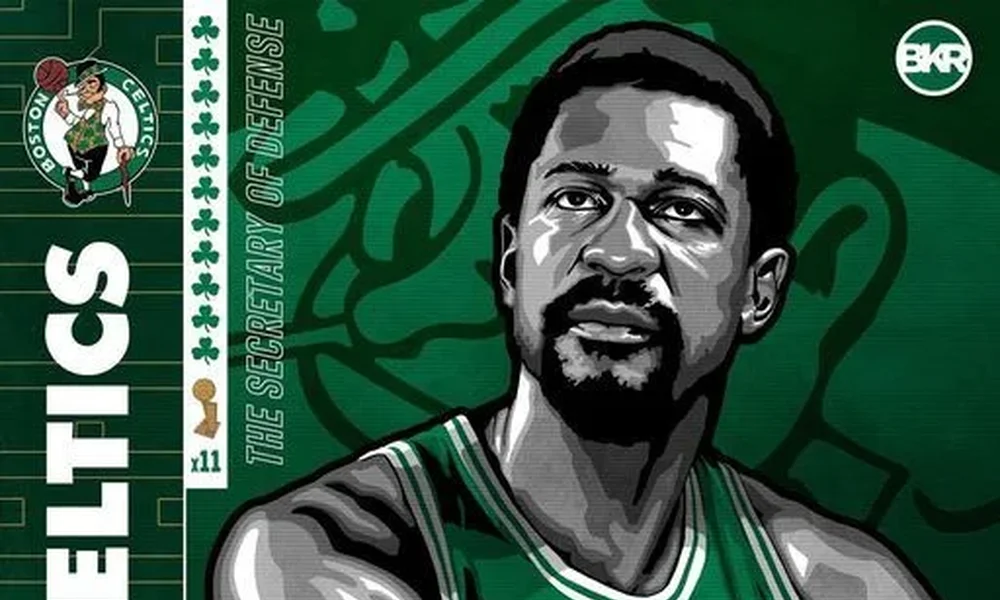
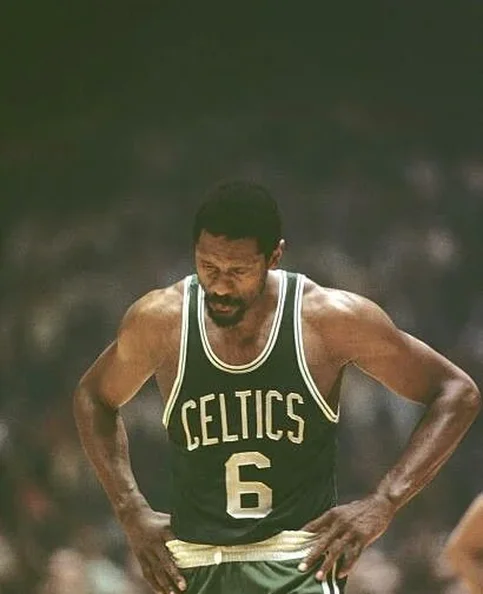
Bill Russell, one of the greatest basketball players of all time, is a towering figure in the sport’s history. Born on February 12, 1934, in Monroe, Louisiana, Russell went on to become a 12-time NBA All-Star, a five-time NBA Most Valuable Player, and an 11-time NBA champion with the Boston Celtics. His impact on the game extends far beyond his impressive statistics; Russell’s leadership, defensive prowess, and unwavering commitment to excellence redefined the sport. Off the court, he was a powerful advocate for civil rights and social justice, leaving an indelible legacy that continues to inspire generations of athletes and activists alike.
PERSONAL INFORMATION
| Name | Bill Russell |
|---|---|
| Gender | Male |
| Date of Birth | 12 February 1934 |
| Age at Death | 88 Years |
| Zodiac Sign | Aquarius |
| Nationality | United States |
| Place of Birth | Monroe |
| Ethnicity | African Americans |
| Birth Name | William Felton Russell |
| Native Language | English |
| Languages Spoken | English |
| Date of Death | 31 July 2022 |
| Place of Death | Mercer Island |
| Native Name | Bill Russell |
PHYSICAL STATISTICS
| Weight | 98 Kg (216 lbs) |
|---|---|
| Height (in centimeters) | 208 cm |
| Height (in meters) | 2.08 m |
| Height (in feet inches) | 6′ 9″ |
FAMILY
| Spouse | Dorothy Anstett |
|---|---|
| Siblings | Charlie L. Russell |
EDUCATION
| Educated At | University of San Francisco, McClymonds High School |
|---|
CAREER
| Profession | basketball player, basketball coach, coach, actor, high jumper |
|---|---|
| Awards Received | NBA Most Valuable Player Award, NBA Most Valuable Player Award, NBA Most Valuable Player Award, NBA Most Valuable Player Award, NBA All-Star Game Kobe Bryant Most Valuable Player Award, NBA Most Valuable Player Award, Sports Illustrated Sportsperson of the Year, Presidential Medal of Freedom, honorary doctor of Harvard University, FIBA Hall of Fame |
| Member Of | Kappa Alpha Psi |
| Work Period End | 1969 |
| Work Period Start | 1956 |
Cost of Becoming
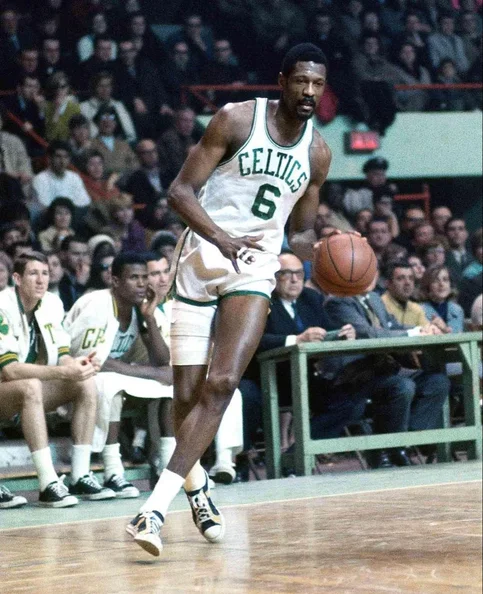
The path to greatness for Bill Russell was fraught with challenges and sacrifices. Growing up in a segregated America, Russell faced systemic racism and discrimination, which fueled his determination to succeed. His early years were marked by poverty and hardship, but he found solace and purpose on the basketball court. Russell’s relentless work ethic, developed through countless hours of practice, allowed him to hone his skills and overcome the obstacles in his way. His journey from a high school player to a basketball legend required not only physical prowess but also mental fortitude and an unyielding belief in his own abilities.
Identity Before Fame
Before he became a household name, Bill Russell was a young man from a modest background. He was born to Charles and Katie Russell, who instilled in him the values of hard work, discipline, and respect. Despite the challenges of growing up in a segregated society, Russell’s parents supported his dreams and encouraged him to pursue his passion for basketball. His early years were marked by the struggle to find acceptance and recognition for his talents. Playing for the University of San Francisco, Russell began to emerge as a formidable force on the court, laying the groundwork for his future success.
Production Houses Associated With Bill Russell
| Production House | Number of Movies |
|---|---|
| HBO Sports | 3 |
| HBO | 2 |
| Media Education Foundation | 1 |
| Laylow Films | 1 |
| ESPN Films | 1 |
| A Family First | 1 |
| 44 Blue Productions | 1 |
| Berl Rotfeld Production, Inc. | 1 |
| 20th Century Fox | 1 |
| Zephyr Productions | 1 |
Directors Bill Russell Frequently Works With
| Director | Number of Movies |
|---|---|
| Jeremy Earp | 1 |
| Ezra Edelman | 1 |
| Kyrie Irving | 1 |
| Rasha Drachkovitch | 1 |
| Lee Philips | 1 |
| Spike Lee | 1 |
| Dewey Forl | 1 |
| Jack Regas | 1 |
| Frank Deford | 1 |
| Kip Walton | 1 |
Movie Genres of Bill Russell
| Genre | Number of Movies |
|---|---|
| Documentary | 10 |
| Comedy | 3 |
| History | 2 |
| TV Movie | 2 |
| Crime | 1 |
| Romance | 1 |
| Music | 1 |
Year-wise Movies of Bill Russell
| Year | Number of Movies |
|---|---|
| 2022 | 2 |
| 2016 | 2 |
| 2013 | 1 |
| 2012 | 1 |
| 2008 | 1 |
| 2005 | 1 |
| 2002 | 2 |
| 2000 | 1 |
| 1996 | 1 |
| 1986 | 1 |
| 1985 | 1 |
| 1981 | 1 |
| 1971 | 1 |
Timeline
- 1934 – Born in Monroe, Louisiana
- 1953 – Joined the University of San Francisco basketball team
- 1954 – Led USF to the NCAA championship
- 1955 – Won a second consecutive NCAA championship with USF
- 1956 – Won a gold medal at the 1956 Summer Olympics
- 1956 – Drafted by the Boston Celtics
- 1957 – Won his first NBA championship with the Boston Celtics
- 1966 – Named player-coach of the Boston Celtics, becoming the first African American head coach in a major American sport
- 1969 – Retired from professional basketball
- 2022 – Passed away on July 31 at the age of 88
Favourites
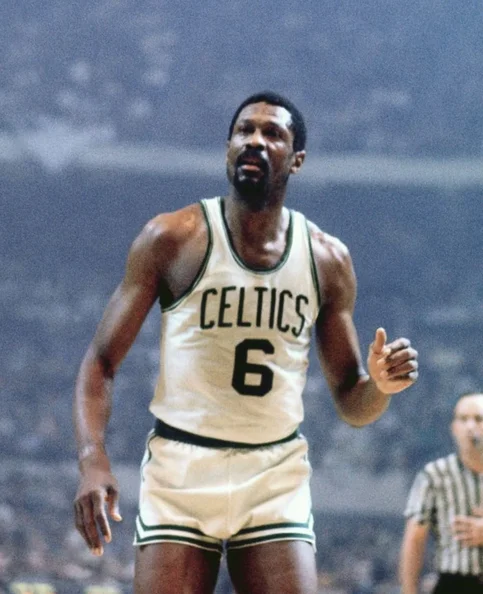
- Favorite sport: Basketball
- Favorite team: Boston Celtics
- Favorite position: Center
- Favorite coach: Red Auerbach
- Favorite player: Wilt Chamberlain
- Favorite era: The 1960s, the height of his career
- Favorite achievement: Winning 11 NBA championships
- Favorite book: “Go Tell It on the Mountain” by James Baldwin
- Favorite music: Jazz, particularly Miles Davis
- Favorite place: His hometown of Monroe, Louisiana, and the city of Boston, Massachusetts
Controversies
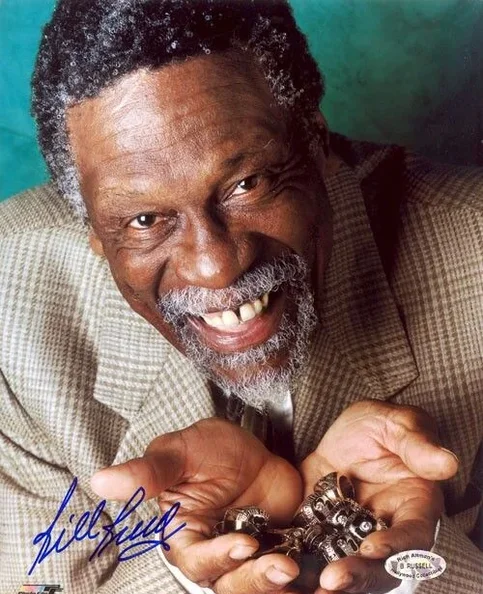
- Bill Russell was often the target of racial discrimination and hate, both on and off the court. He faced numerous instances of harassment and threats, which he handled with dignity and resilience.
- His feud with Wilt Chamberlain, a rival center and one of the most dominant players of his era, was a source of controversy and media attention. Despite their rivalry, both men respected each other’s abilities.
- Russell’s decision to become the player-coach of the Boston Celtics in 1966 was met with skepticism and criticism from some quarters, who doubted his abilities as a coach.
- He was vocal about his opposition to the Vietnam War, which put him at odds with some fans and officials.
- Russell’s activism for civil rights and social justice often made him a target of criticism from those who opposed his views.
- His relationship with the media was often strained, as he was known for his blunt and sometimes confrontational interviews.
- There were tensions within the Celtics organization, particularly with ownership, which sometimes created a challenging work environment.
- Russell’s decision to retire from basketball in 1969 was met with mixed reactions, with some fans and critics questioning his timing and motives.
- His post-career work, including his brief stint as coach of the Seattle SuperSonics, was marked by mixed success and controversy.
- Despite his many achievements, Russell was sometimes overshadowed in media coverage by more charismatic and media-friendly players of his era.
Control vs Chaos
Throughout his career, Bill Russell’s approach to the game was a study in controlled chaos. On the court, he was the epitome of discipline and strategy, leading by example and instilling a sense of order and teamwork among his teammates. His defensive prowess and ability to control the tempo of the game were hallmarks of his play. Off the court, however, Russell faced a world that was often chaotic and unpredictable. The racial tensions of the 1950s and 1960s, coupled with the social and political upheavals of the era, created a challenging environment. Russell’s ability to maintain his composure and stay true to his principles in the face of adversity is a testament to his inner strength and resilience.
Emotional Geography
Bill Russell’s emotional landscape was shaped by a complex interplay of personal and social factors. Growing up in the segregated South, he experienced the pain of racial discrimination and the struggle for acceptance. These early experiences instilled in him a deep sense of purpose and a commitment to social justice. His move to Boston, a city with its own racial tensions, further solidified his resolve to fight for equality. Despite the challenges, Russell found a sense of belonging and purpose within the Boston Celtics organization, where he formed lifelong bonds with his teammates and coaches. His emotional resilience and unwavering commitment to his values allowed him to navigate the complexities of his era with grace and dignity.
FAQs
-
How many NBA championships did Bill Russell win?
Bill Russell won 11 NBA championships during his career with the Boston Celtics, making him one of the most successful players in NBA history.
-
What position did Bill Russell play?
Bill Russell played as a center, a position where his defensive skills and rebounding ability were particularly valuable.
-
Which team did Bill Russell play for in college?
Bill Russell played college basketball for the University of San Francisco, where he led the team to two consecutive NCAA championships in 1955 and 1956.
-
Did Bill Russell win a gold medal in the Olympics?
Yes, Bill Russell won a gold medal at the 1956 Summer Olympics as a member of the United States basketball team.
-
What was Bill Russell’s relationship with Wilt Chamberlain?
Bill Russell and Wilt Chamberlain were fierce competitors on the court, with their rivalry being one of the most famous in basketball history. Despite their on-court confrontations, they had a mutual respect for each other’s abilities.
-
How did Bill Russell become the first African American head coach in a major American sport?
Bill Russell was named the player-coach of the Boston Celtics in 1966, making him the first African American head coach in a major American sport. This historic appointment was a significant milestone in the fight for racial equality in sports.
-
What were some of the challenges Bill Russell faced off the court?
Bill Russell faced numerous challenges off the court, including racial discrimination, hate mail, and threats. He also dealt with media scrutiny and tensions within the Celtics organization. Despite these obstacles, he remained committed to his values and beliefs.
-
What is Bill Russell’s legacy?
Bill Russell’s legacy is multifaceted, encompassing his on-court achievements, his leadership as a coach, and his advocacy for civil rights and social justice. He is remembered not only for his basketball prowess but also for his courage and integrity as a person.
-
How did Bill Russell contribute to the civil rights movement?
Bill Russell was an active supporter of the civil rights movement. He participated in the March on Washington in 1963 and used his platform to speak out against racial injustice. His activism and leadership inspired many and helped to bring attention to the struggles of African Americans.
-
What was Bill Russell’s relationship with Red Auerbach?
Bill Russell and Red Auerbach, the coach and later the general manager of the Boston Celtics, had a close and mutually respectful relationship. Auerbach recognized Russell’s talent and potential early on and played a crucial role in shaping Russell’s career and the success of the Celtics.
-
What were some of Bill Russell’s post-retirement activities?
fter retiring from basketball in 1969, Bill Russell continued to be involved in various roles, including coaching the Seattle SuperSonics, serving as a TV commentator, and writing books. He also remained active in advocating for social justice causes.
-
How did Bill Russell handle media attention?
Bill Russell was known for his straightforward and sometimes confrontational approach to media interviews. He was outspoken and unafraid to challenge reporters and critics, which sometimes led to tension but also earned him respect for his honesty and integrity.
-
What was Bill Russell’s impact on the Boston Celtics organization?
Bill Russell’s impact on the Boston Celtics organization was profound. His leadership, both on and off the court, played a crucial role in establishing the Celtics as one of the most successful franchises in NBA history. His partnership with players like Bob Cousy and his relationship with Coach Red Auerbach helped create a dynasty that dominated the league for over a decade.
-
What were some of Bill Russell’s notable off-court achievements?
Bill Russell received numerous honors and awards for his contributions to the game of basketball and his activism. He was inducted into the Naismith Memorial Basketball Hall of Fame in 1975 and received the Presidential Medal of Freedom in 2010 for his civil rights advocacy.