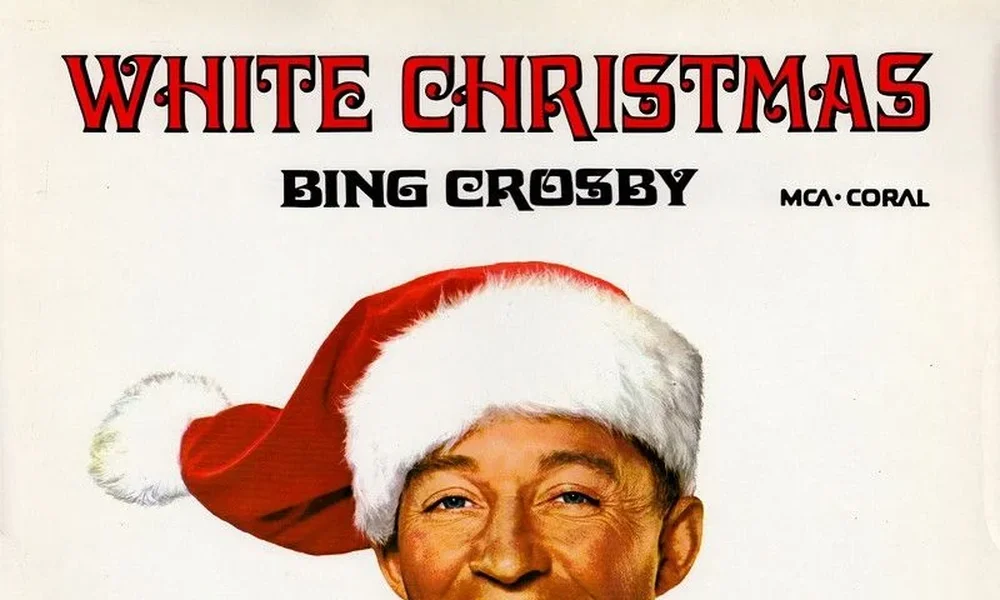
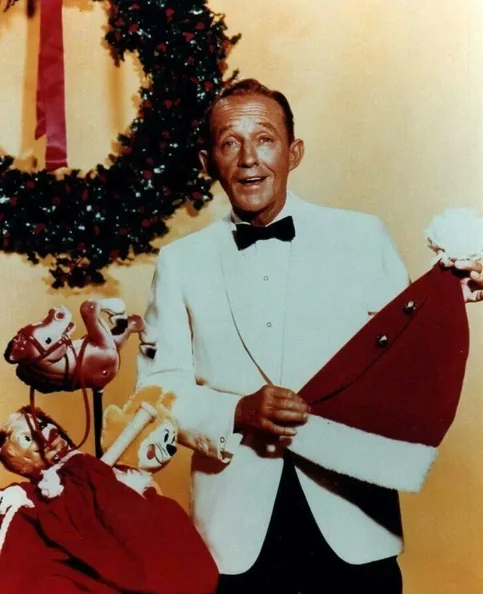
Bing Crosby, the iconic American singer and actor, etched his name in the annals of entertainment history with his smooth baritone voice and charismatic screen presence. Born Harry Lillis Crosby on May 2, 1903, in Tacoma, Washington, he gained fame during the swing era and became one of the best-selling recording artists of the 20th century. Known for hits like “White Christmas” and “Blue Skies,” Crosby’s influence extended far beyond music into film, radio, and television. His life was a blend of professional success and personal complexity, marked by achievements and controversies alike. Despite his legendary status, Crosby’s journey from a small-town boy to a global icon is a story of relentless perseverance and adaptability.
PERSONAL INFORMATION
| Name | Bing Crosby |
|---|---|
| Place of Birth | Tacoma |
| Place of Death | Alcobendas |
| Nationality | United States |
| Date of Birth | [‘1903-05-03’, ‘1903-05-02’, ‘1898-06-04’] |
| Date of Death | 14 October 1977 |
| Languages Spoken | English |
| Native Name | Bing Crosby |
| Gender | Male |
| Nickname | Bing |
| Birth Name | Harry Lillis Crosby |
| Signature |  |
| Native Language | English |
PHYSICAL STATISTICS
| Eye Color | Blue |
|---|---|
| Height (in centimeters) | 170 cm |
| Height (in meters) | 1.70 m |
| Height (in feet inches) | 5′ 6″ |
FAMILY
| Spouse | Kathryn Crosby, Dixie Lee |
|---|---|
| Children | Lindsay Crosby, Mary Crosby, Nathaniel Crosby, Phillip Crosby, Dennis Crosby, Harry Crosby, Gary Crosby |
| Siblings | Larry Crosby, Bob Crosby |
| Father | Harry Lowe Crosby |
| Mother | Catherine Helen Harrigan |
EDUCATION
| Educated At | Gonzaga Preparatory School, Gonzaga University, North Central High School |
|---|
CAREER
| Profession | singer, actor, television producer, television personality, radio personality, businessperson, film actor, writer, screenwriter, stage actor, poet, film producer, television actor, composer, voice actor, comedian, film screenwriter |
|---|---|
| Awards Received | Peabody Awards, Grammy Lifetime Achievement Award, Academy Award for Best Actor, American Music Award of Merit, World Golf Hall of Fame, Golden Globe Cecil B. DeMille Award, star on Hollywood Walk of Fame |
| Voice Type | bass-baritone |
| Genre | traditional pop, jazz, easy listening, western music, Western swing, folk music, country music |
| Nominations | Academy Award for Best Actor, Academy Award for Best Actor, Academy Award for Best Actor |
| Record Label | Decca, Columbia Records, Brunswick Records, RCA Records, RCA Victor, Reprise Records, Capitol Records, Verve Records, United Artists Records |
| Instruments | voice |
| Work Period Start | 1926 |
| Notable Works | White Christmas |
| Work Period End | 1977 |
SOCIAL MEDIA & LINKS
| IMDB ID | nm0001078 |
|---|---|
| Official Website | https://bingcrosby.com/ |
| @Bing_Crosby, @BingCrosby | |
| YouTube Channel | UCaBR-PYmU1mo2FMNzYZjYEg |
| @bingcrosby | |
| officialbingcrosby | |
| Wikipedia | Wikipedia |
Cost of becoming
The path to stardom for Bing Crosby was not without its challenges. Born into a modest family, Crosby’s early life was marked by financial struggles. His father, a bookkeeper, and his mother, a homemaker, provided a stable but modest upbringing. Crosby’s talent for music was evident from a young age, and he cultivated it through various avenues, including singing in church choirs and school productions. The financial burden of pursuing a musical career was significant, and Crosby worked multiple jobs to support his passion. His breakthrough came in the early 1930s when he signed with Brunswick Records, but the transition from local gigs to national stardom required immense dedication and sacrifice. The cost of becoming a legendary artist was high, but Crosby’s unwavering commitment to his craft ultimately paid off.
Identity before fame
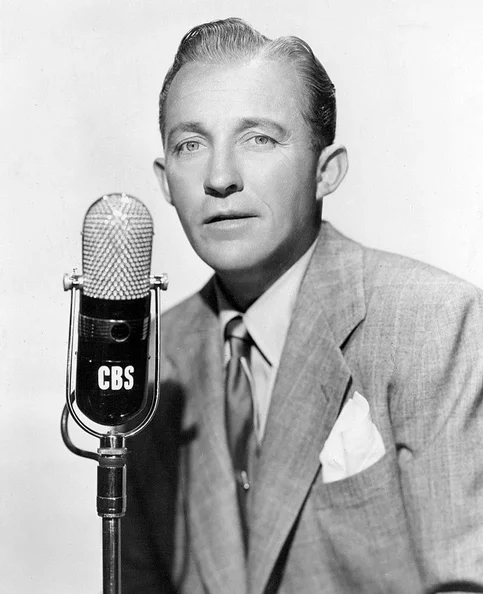
Before he became a household name, Bing Crosby was known as “Harry” to his family and friends. He grew up in a tight-knit household with six siblings, and his early years were filled with simple pleasures and a strong sense of community. Crosby’s love for music and performing began in his childhood, where he often entertained his family and friends with his singing. He attended Gonzaga University in Spokane, where he pursued a career in law but found his true calling in music. During his college years, Crosby formed a vocal group called the Musicaladers, which performed at local events and helped him hone his skills. This period of his life laid the foundation for his future success, shaping his identity as a performer and setting the stage for his meteoric rise to fame.
Timeline
- 1903: Born Harry Lillis Crosby in Tacoma, Washington.
- 1925: Forms the vocal group Rhythm Boys with Al Rinker and Harry Barris.
- 1926: Signs with Brunswick Records.
- 1931: Appears in his first film, The Big Broadcast.
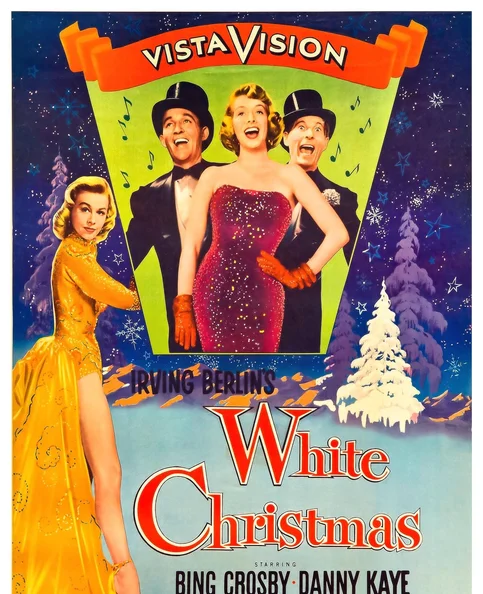
- 1939: Records “White Christmas,” which becomes one of the best-selling singles of all time.
- 1940s: Hosts the top-rated radio show, The Kraft Music Hall.
- 1944: Wins the Academy Award for Best Actor for his portrayal of Father Chuck O’Malley in Going My Way.
- 1945: Releases the film The Bells of St. Mary’s, which is a critical and commercial success.
- 1977: Dies on October 14 while playing golf in Madrid, Spain.
- 1998: Inducted into the Rock and Roll Hall of Fame.
Favourites
- Favorite song: “White Christmas”
- Favorite film: Going My Way
- Favorite sport: Golf
- Favorite food: Seafood
- Favorite hobby: Golfing and horseback riding
- Favorite charity: Catholic charities
- Favorite season: Winter
- Favorite place: Palm Springs, California
- Favorite instrument: Piano
- Favorite actor: Frank Sinatra
Controversies
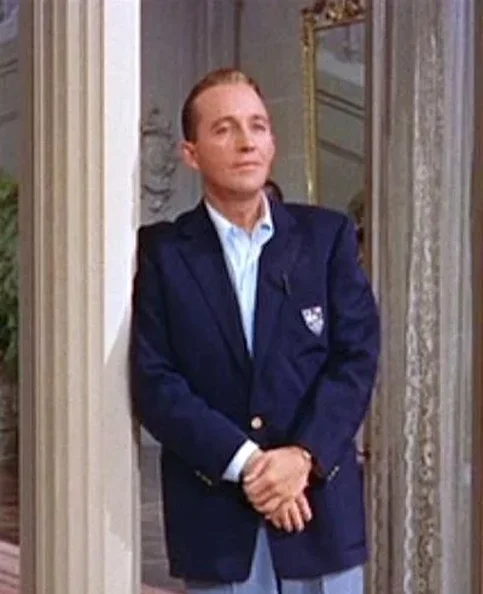
- 1947: Crosby was criticized for not serving in World War II, although he supported the war effort through his performances and radio shows.
- 1956: He was accused of being overly controlling and demanding on set, leading to conflicts with co-stars and crew members.
- 1968: Crosby’s business ventures, including investments in the gambling industry, raised ethical concerns.
- 1970: His conservative political views and support for the Vietnam War were met with backlash from younger audiences.
- 1972: He was involved in a lawsuit over the royalties of “White Christmas,” which he eventually settled out of court.
- 1975: Crosby’s strict parenting methods and alleged physical abuse of his children were widely publicized and criticized.
- 1976: He faced criticism for his perceived racism, particularly in his portrayal of racial stereotypes in early films.
- 1977: His sudden death during a golf game in Spain sparked speculation and conspiracy theories, although the official cause was a heart attack.
- 1980: Posthumous allegations of financial impropriety and tax evasion led to further scrutiny of his estate.
- 1990: The release of his personal diaries revealed controversial statements and opinions, further tarnishing his public image.
Control vs Chaos
Bing Crosby’s life was a delicate balance between order and disorder. On one hand, he was known for his meticulous attention to detail and his strict work ethic, which helped him maintain his status as a top entertainer for decades. He was a perfectionist in his performances, often rehearsing extensively to ensure flawless execution. However, his personal life was marked by moments of chaos and controversy. His strict parenting methods and alleged physical abuse of his children, as well as his involvement in legal disputes, revealed a more complex and flawed individual. This duality—of control in his professional life and chaos in his personal life—shaped Bing Crosby’s legacy, making him a multifaceted figure whose brilliance and flaws continue to be examined.
Emotional Geography
Bing Crosby’s emotional landscape was as rich and varied as the locales he called home throughout his life. His deep connection to his roots in Tacoma, Washington, remained a constant source of inspiration and nostalgia. The sense of community and family values instilled in him during his formative years continued to influence his decisions and relationships. As his career took him to Hollywood and beyond, Crosby’s emotional geography expanded to include the glamour and excitement of the film industry, as well as the serene retreats of his beloved Palm Springs. Despite the pressures of fame, Crosby found solace in his hobbies, particularly golfing and horseback riding, which provided a sense of peace and continuity. His emotional journey was a tapestry of joy, struggle, and resilience, reflecting the complex interplay of personal and professional dynamics.
FAQs
-
What is Bing Crosby most famous for?
Bing Crosby is most famous for his smooth baritone voice and his iconic hit “White Christmas.” He also won an Academy Award for Best Actor for his role in the film Going My Way and was a prominent figure in the entertainment industry during the swing era.
-
Where was Bing Crosby born?
Bing Crosby was born on May 2, 1903, in Tacoma, Washington. He spent his early years in a modest family environment, which played a significant role in shaping his values and work ethic.
-
How did Bing Crosby start his music career?
Bing Crosby began his music career by performing in church choirs and school productions. He later formed a vocal group called the Rhythm Boys with Al Rinker and Harry Barris, which helped him gain recognition and eventually sign with Brunswick Records.
-
What were Bing Crosby’s most popular songs?
Some of Bing Crosby’s most popular songs include “White Christmas,” “Blue Skies,” “Pennies from Heaven,” “Dont Fence Me In,” and “God Bless America.” These songs continue to be beloved by fans around the world.
-
Did Bing Crosby act in films?
Yes, Bing Crosby had a successful acting career and appeared in numerous films. Some of his most notable films include The Big Broadcast (1932), Going My Way (1944), and The Bells of St. Mary’s (1945).
-
What was Bing Crosby’s role in the music industry?
Bing Crosby was a trailblazer in the music industry, influencing the development of popular music and the rise of crooning. He was one of the first artists to achieve crossover success in music, radio, and film, and his smooth, relaxed style of singing set a new standard for vocalists.
-
How did Bing Crosby’s personal life affect his career?
Bing Crosby’s personal life had a significant impact on his career. His strict parenting methods and alleged physical abuse of his children, as well as his involvement in legal disputes and controversies, often overshadowed his professional achievements. Despite these challenges, he maintained a successful career for several decades.
-
What were Bing Crosby’s hobbies?
Bing Crosby had several hobbies, including golfing and horseback riding. He was an avid golfer and often played in tournaments, which provided him with a sense of relaxation and continuity away from the pressures of his public life.
-
How did Bing Crosby contribute to charity?
Bing Crosby was known for his charitable contributions, particularly to Catholic charities. He supported various organizations and causes, using his fame and resources to make a positive impact on his community and beyond.
-
What was Bing Crosby’s relationship with Frank Sinatra?
Bing Crosby and Frank Sinatra had a complex relationship. While they were both influential figures in the entertainment industry and often worked together, there were also moments of tension and competition. Sinatra was reportedly critical of Crosby’s conservative views and lifestyle, but they maintained a professional respect for each other.
-
What was Bing Crosby’s political stance?
Bing Crosby was known for his conservative political views, which he often expressed publicly. He supported the Vietnam War and was an outspoken critic of the counterculture movement of the 1960s and 1970s. His views sometimes led to conflicts with younger audiences and progressive activists.
-
What legacy did Bing Crosby leave behind?
Bing Crosby’s legacy is marked by his contributions to music, film, and popular culture. He is remembered as one of the most influential entertainers of the 20th century, and his recordings and films continue to be celebrated. Despite the controversies that surrounded his personal life, his artistic achievements have endured, cementing his place in history.
-
How did Bing Crosby’s death impact the entertainment industry?
Bing Crosby’s sudden death on October 14, 1977, while playing golf in Madrid, Spain, shocked the entertainment industry. His passing marked the end of an era and was mourned by fans and colleagues alike. His contributions to music and film were widely recognized, and tributes to his life and work continued long after his death.
-
What was Bing Crosby’s approach to business?
Bing Crosby was a savvy businessman and made several successful investments, including in the gambling industry and real estate. However, his business ventures also led to some legal disputes and controversies, particularly over the royalties of “White Christmas.” Despite these challenges, Crosby’s business acumen played a significant role in his financial success.