Bob Dylan, born Robert Allen Zimmerman, is a towering figure in the world of music, poetry, and American culture. With a career spanning over six decades, Dylan’s influence on popular music and culture is profound. He has been a pivotal voice in the protest movement of the 1960s, an innovative songwriter, and a ceaselessly evolving artist. Dylan’s unique blend of folk, rock, and poetry has earned him numerous accolades, including the Nobel Prize in Literature, making him a living legend and a cultural icon.
PERSONAL INFORMATION
| Name | Bob Dylan |
|---|---|
| Nationality | United States |
| Place of Birth | Duluth |
| Date of Birth | 24 May 1941 |
| Age | 84 Years |
| Zodiac Sign | Gemini |
| Birth Name | Robert Allen Zimmerman |
| Native Name | Robert Dylan |
| Native Language | English |
| Residence | Malibu |
| Languages Spoken | English |
| Gender | Male |
| Ethnicity | American Jews |
| Religion | Judaism, Evangelicalism |
| Signature |  |
FAMILY
| Spouse | Sara Dylan, Carolyn Dennis |
|---|---|
| Father | Abram Zimmerman |
| Mother | Beatrice Stone |
| Partner | Echo Helstrom, Suze Rotolo, Joan Baez |
| Children | Jesse Dylan, Jakob Dylan |
EDUCATION
| Educated At | University of Minnesota system, Hibbing High School, Sidwell Friends School |
|---|
CAREER
| Profession | songwriter, film actor, poet, guitarist, autobiographer, painter, record producer, film director, lyricist, composer, screenwriter, disc jockey, actor, singer, radio personality, designer, writer, musician |
|---|---|
| Awards Received | National Medal of Arts, Presidential Medal of Freedom, Grammy Lifetime Achievement Award, Princess of Asturias Award for the Arts, Rock and Roll Hall of Fame, Knight of the Legion of Honour, Academy Award for Best Original Song, Nobel Prize in Literature, Kennedy Center Honors, honorary doctor of the University of St Andrews, honorary doctorate from Princeton University, Polar Music Prize, Commandeur des Arts et des Lettres, Grammy Award for Album of the Year, Grammy Award for Best Male Rock Vocal Performance, Grammy Award for Best Rock Performance by a Duo or Group with Vocal, Grammy Award for Best Traditional Folk Album, Grammy Award for Best Contemporary Folk Album, Grammy Award for Album of the Year, Grammy Award for Best Male Rock Vocal Performance, Grammy Award for Best Contemporary Folk Album, Grammy Award for Best Solo Rock Vocal Performance, Grammy Award for Best Americana Album, Terence Donovan Award, Pulitzer Prize Special Citations and Awards |
| Instruments | guitar, harmonica, piano, voice, Richter-tuned harmonica, nyckelharpa |
| Genre | rock music, blues, country music, American folk music, folk-pop, country rock, folk rock, Christian rock, gospel music, Americana, jazz |
| Member Of | Academy of Arts, Berlin, American Academy of Arts and Sciences, American Academy of Arts and Letters, Traveling Wilburys |
| Record Label | Columbia Records, Asylum Records |
| Work Period Start | 1962 |
| Voice Type | baritone |
| Career Start | 1992 |
| Notable Works | Like a Rolling Stone, Highway 61 Revisited, Bringing It All Back Home, Blonde on Blonde, Blood on the Tracks, Blowin’ in the Wind, Subterranean Homesick Blues |
| Field of Work | singing, pop music, creative and professional writing, folk music, blues, rock music, gospel music, country music, jazz, popular music |
SOCIAL MEDIA & LINKS
| IMDB ID | nm0001168 |
|---|---|
| @bobdylan | |
| bobdylan | |
| @bobdylan | |
| YouTube Channel | UCnRI0ay61tY-fKYzzB3fCnw, UCBqkojCXby4zGkWX86FEY7Q |
| Official Website | https://www.bobdylan.com/ |
| Wikipedia | Wikipedia |
Cost of becoming
The path to stardom for Bob Dylan was not an easy one. Born in Duluth, Minnesota, and raised in Hibbing, Dylan faced numerous challenges, from personal struggles to the pressures of maintaining artistic integrity in a rapidly changing music industry. His decision to leave behind his comfortable middle-class life to pursue music in New York City during the 1960s was a significant risk. The cost of becoming an influential artist was high, both emotionally and financially, but Dylan’s unwavering commitment to his art ultimately paid off. His early performances in Greenwich Village’s coffeehouses and clubs laid the foundation for his eventual rise to fame, but not without the toll of relentless dedication and sacrifice.
Identity before fame
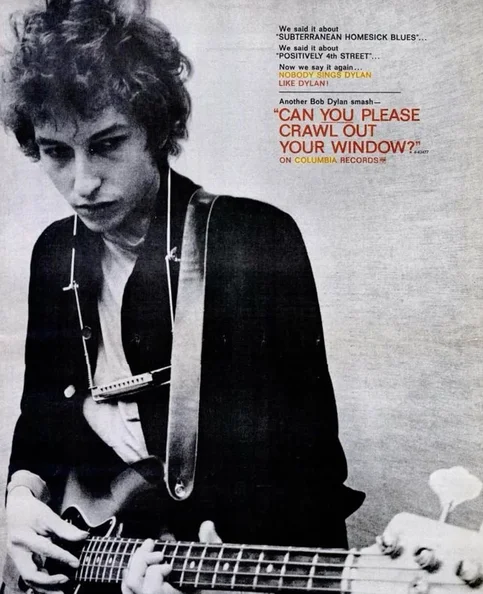
Before he was Bob Dylan, Robert Allen Zimmerman was a quiet, introspective young man with a deep passion for music and literature. Growing up in a close-knit Jewish family, Zimmerman displayed an early interest in rock and roll, heavily influenced by Little Richard and Elvis Presley. He formed a series of bands during his high school years, including the Golden Chords, and began to write his own songs. His love for the folk music scene and the work of musicians like Woody Guthrie and Hank Williams shaped his musical direction. Zimmerman’s decision to change his name to Bob Dylan, inspired by the Welsh poet Dylan Thomas, marked a significant shift in his identity and the beginning of his transformation into the artist the world would come to know.
Production Houses Associated With Bob Dylan
| Production House | Number of Movies |
|---|---|
| Spitfire Pictures | 2 |
| Grey Water Park Productions | 2 |
| MTV | 2 |
| BBC | 2 |
| Leacock-Pennebaker | 1 |
| Geller/Goldfine Productions | 1 |
| Dogwoof | 1 |
| Metro-Goldwyn-Mayer | 1 |
| Mead Street Films | 1 |
| Marching Band Productions | 1 |
Directors Bob Dylan Frequently Works With
| Director | Number of Movies |
|---|---|
| D. A. Pennebaker | 2 |
| Martin Scorsese | 2 |
| Bob Dylan | 2 |
| Joel Gilbert | 2 |
| Daniel Geller | 1 |
| Dayna Goldfine | 1 |
| Sam Peckinpah | 1 |
| Maeve O’Boyle | 1 |
| Miri Navasky | 1 |
| Karen O’Connor | 1 |
Movie Genres of Bob Dylan
| Genre | Number of Movies |
|---|---|
| Documentary | 105 |
| Music | 95 |
| Drama | 6 |
| History | 5 |
| Romance | 4 |
| TV Movie | 3 |
| Thriller | 2 |
| Western | 1 |
| Crime | 1 |
| Action | 1 |
Year-wise Movies of Bob Dylan
| Year | Number of Movies |
|---|---|
| 2026 | 1 |
| 2025 | 4 |
| 2024 | 5 |
| 2023 | 1 |
| 2022 | 3 |
| 2021 | 7 |
| 2020 | 6 |
| 2019 | 5 |
| 2018 | 2 |
| 2017 | 1 |
| 2016 | 2 |
| 2015 | 4 |
| 2013 | 4 |
| 2012 | 2 |
| 2011 | 4 |
Timeline
- 1941: Bob Dylan (born Robert Allen Zimmerman) is born in Duluth, Minnesota.
- 1959: Dylan moves to Minneapolis to attend the University of Minnesota and begins performing in coffeehouses.
- 1961: Dylan drops out of college and moves to New York City to pursue a music career, performing in Greenwich Village.
- 1962: Dylan signs with Columbia Records and releases his debut album, “Bob Dylan.”
- 1963: Dylan’s album “The Freewheelin’ Bob Dylan” is released, featuring the hit “Blowin’ in the Wind.”
- 1965: Dylan’s album “Bringing It All Back Home” is released, marking his transition from acoustic to electric music.
- 1966: Dylan is involved in a motorcycle accident that leads to a period of seclusion and a shift in his artistic direction.
- 1975: Dylan’s album “Blood on the Tracks” is released, widely regarded as one of his best works.
- 1986: Dylan makes his film debut in “Hearts of Fire,” a musical drama directed by Tim Rencontre.
- 2016: Dylan is awarded the Nobel Prize in Literature, “for having created new poetic expressions within the great American song tradition.”
Favourites
- Favorite Authors: Dylan Thomas, Jack Kerouac, Allen Ginsberg
- Favorite Musicians: Woody Guthrie, Hank Williams, Little Richard
- Favorite Songs: “It’s All Over Now, Baby Blue,” “Like a Rolling Stone,” “Tangled Up in Blue”
- Favorite Albums: “The Basement Tapes,” “Blood on the Tracks,” “Blonde on Blonde”
- Favorite Instruments: Acoustic guitar, harmonica, piano
- Favorite Places: Greenwich Village, Woodstock, Nashville
- Favorite Foods: Dylan has been known to enjoy a variety of comfort foods, including pizza and burgers.
- Favorite Activities: Writing, performing, painting, and photography.

Controversies
- 1965: Dylan’s shift from acoustic to electric music at the Newport Folk Festival was met with significant backlash from some fans and critics.
- 1974: Dylan’s tour with the Band was marked by tension and disagreements, leading to the dissolution of the group.
- 1985: Dylan’s performance at Live Aid was widely criticized for being lackluster and out of place in the context of the event.
- 1997: Dylan’s diagnosis with a potentially life-threatening heart condition and subsequent surgery raised concerns about his future.
- 2004: Dylan’s autobiography, “Chronicles: Volume One,” was met with mixed reviews, with some critics questioning the accuracy of his memories.
- 2011: Dylan’s album “Tempest” was criticized for its dark and apocalyptic themes, with some fans finding it difficult to connect with.
- 2016: Dylan’s initial silence following the announcement of his Nobel Prize in Literature sparked controversy and speculation.
- 2017: Dylan’s decision to appear in a controversial Super Bowl commercial for the luxury car brand, Cadillac, drew criticism from some fans who felt it was a sellout.
- 2020: Dylan’s release of “Murder Most Foul,” a 17-minute song about the assassination of John F. Kennedy, was both praised and criticized for its length and content.
- 2021: Dylan’s response to the Black Lives Matter movement was seen by some as dismissive and insensitive.
Control vs Chaos
Throughout his career, Bob Dylan has navigated the delicate balance between control and chaos. His music often reflects a duality of order and disorder, with lyrics that are both structured and free-form. Dylan’s artistic process is marked by a disciplined approach to songwriting, yet his performances frequently embrace spontaneity and improvisation. This balance is evident in his approach to life as well. While he has maintained a level of control over his public image and artistic output, he has also embraced the unpredictability of the music industry and the changing cultural landscape. This ability to straddle the line between control and chaos has been a key factor in his enduring success and relevance.
Emotional Geography
Bob Dylan’s emotional landscape is as vast and varied as the American heartland he often sings about. His songs are a map of human emotions, from the hopeful idealism of his early work to the deep introspection and existential musings of his later albums. Dylan’s emotional geography is shaped by his experiences, from the small towns of Minnesota to the bustling streets of New York City, and the rural retreats of Woodstock. His lyrics often explore themes of love, loss, social justice, and personal transformation, creating a rich tapestry of emotional experiences that resonate with listeners across generations. This emotional depth is a testament to Dylan’s profound understanding of the human condition and his ability to articulate it through his art.
FAQs
-
What is Bob Dylan’s real name?
Bob Dylan’s real name is Robert Allen Zimmerman. He changed his name to Bob Dylan in the early 1960s, inspired by the Welsh poet Dylan Thomas.
-
When was Bob Dylan born?
Bob Dylan was born on May 24, 1941, in Duluth, Minnesota.
-
What is Bob Dylan’s most famous song?
“Blowin’ in the Wind” and “Like a Rolling Stone” are among Bob Dylan’s most famous and widely recognized songs.
-
What type of music does Bob Dylan play?
Bob Dylan is primarily known for his work in folk, rock, and country music. He has also incorporated elements of blues, gospel, and even jazz into his music.
-
What awards has Bob Dylan won?
Bob Dylan has won numerous awards, including the Nobel Prize in Literature, the Pulitzer Prize, and multiple Grammy Awards. He has also been inducted into the Rock and Roll Hall of Fame.
-
Who are Bob Dylan’s influences?
Dylan’s primary influences include Woody Guthrie, Hank Williams, and Little Richard. He has also been influenced by poets like Dylan Thomas and Allen Ginsberg.
-
What is the meaning behind the song “Blowin’ in the Wind”?
“Blowin’ in the Wind” is a song that questions the state of the world and the search for peace and justice. It reflects Dylan’s early engagement with the civil rights and anti-war movements.
-
Why did Bob Dylan switch from acoustic to electric music?
Dylan’s shift to electric music in the mid-1960s was a response to the evolving music landscape and his own artistic desires to explore new sonic territories. It also marked a significant evolution in his sound and style.
-
What is the significance of the song “Like a Rolling Stone”?
“Like a Rolling Stone” is considered one of Dylan’s masterpiece songs. It broke the traditional 3-minute pop song format and introduced a new level of complexity and storytelling in rock music. The song’s raw energy and poetic lyrics have made it an enduring classic.
-
What is the story behind “Tangled Up in Blue”?
“Tangled Up in Blue” is a song from Dylan’s album “Blood on the Tracks.” It is a narrative song that tells a complex story of love, loss, and memory. The song’s structure and imagery have been widely analyzed and praised for their poetic depth.
-
What is Bob Dylan’s most critically acclaimed album?
“Blonde on Blonde” and “Blood on the Tracks” are often cited as Bob Dylan’s most critically acclaimed albums. Both albums showcase Dylan’s mastery of lyrics and music and are considered among his best works.
-
What is Bob Dylan’s legacy?
Bob Dylan’s legacy is that of a groundbreaking artist who has left an indelible mark on popular music and culture. His influence on songwriting, social commentary, and the fusion of poetry and music is unparalleled. Dylan’s legacy continues to inspire new generations of artists and fans.
-
What is Bob Dylan’s relationship with religion?
Bob Dylan has had a complex relationship with religion. He was raised in a Jewish household and has explored themes of faith and spirituality in his music. In the late 1970s, he had a period where he embraced Christianity, which influenced some of his albums from that era.
-
What are some of Bob Dylan’s recent projects?
In recent years, Bob Dylan has continued to release new music and tour. He has also ventured into other media, such as painting and photography, and has released a series of books and collaborations with other artists.
-
What is the Bob Dylan Archive?
The Bob Dylan Archive is a collection of Dylan’s personal papers, recordings, and other materials that provide insight into his life and career. The archive is housed at the University of Tulsa and is available for research and study.