
Cecil B. DeMille is an iconic figure in the early history of American cinema, known for his extravagant film productions and pioneering techniques. Born on August 12, 1881, in Ashfield, Massachusetts, DeMille made a significant impact on the film industry with his epic films and theatrical style. He was not only a director but also a producer, screenwriter, and actor. DeMille’s career spanned over four decades, and he directed over 70 films, many of which are considered classics. His work has left an indelible mark on the film industry, influencing generations of filmmakers and shaping the way stories are told on the silver screen.
PERSONAL INFORMATION
| Name | Cecil B. DeMille |
|---|---|
| Place of Birth | Ashfield |
| Place of Death | Hollywood |
| Nationality | United States |
| Date of Birth | 12 August 1881 |
| Age at Death | 77 Years |
| Zodiac Sign | Leo |
| Date of Death | 21 January 1959 |
| Languages Spoken | English |
| Gender | Male |
| Native Name | Cecil Blount DeMille |
| Native Language | English |
FAMILY
| Spouse | Constance Adams DeMille |
|---|---|
| Father | Henry C. De Mille |
| Children | Katherine DeMille, Richard de Mille, Cecilia Hoyt DeMille |
| Mother | Beatrice DeMille |
| Siblings | William Churchill deMille |
| Partner | Julia Faye |
EDUCATION
| Educated At | American Academy of Dramatic Arts, Widener University |
|---|
CAREER
| Profession | film producer, film director, film editor, screenwriter, playwright, actor, stage actor, radio personality, film actor, theatrical director, director, film screenwriter, producer, writer |
|---|---|
| Nominations | Academy Award for Best Director, Academy Award for Best Picture, Academy Award for Best Picture |
| Awards Received | Academy Award for Best Picture, Golden Globe Cecil B. DeMille Award, star on Hollywood Walk of Fame, Academy Honorary Award |
| Work Period End | 1958 |
| Work Period Start | 1899 |
SOCIAL MEDIA & LINKS
| IMDB ID | nm0001124 |
|---|---|
| Official Website | https://www.cecilbdemille.com |
| Wikipedia | Wikipedia |
Cost of becoming
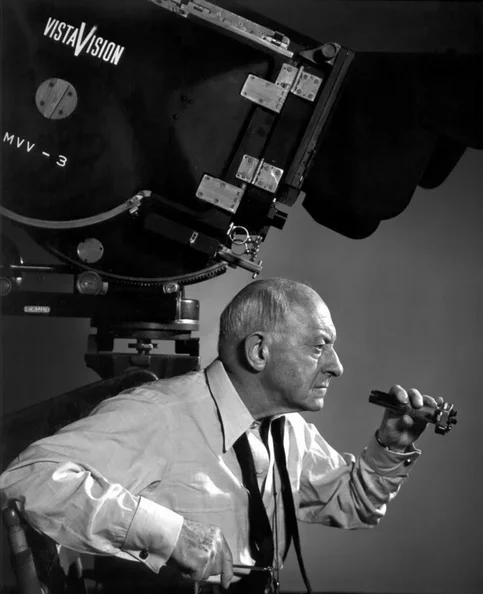
Becoming Cecil B. DeMille was far from an easy journey. Born into a family with deep roots in the theater, DeMille’s path to cinematic greatness was paved with hard work, determination, and a relentless pursuit of excellence. He started his career in the theater, learning the ropes of storytelling and stagecraft. This early experience laid the foundation for his later success in film. DeMille’s transition to the nascent film industry was marked by a series of challenges, including financial constraints and technical limitations. However, his unwavering commitment and visionary approach enabled him to overcome these obstacles, ultimately establishing himself as one of the most influential figures in Hollywood. The cost of becoming Cecil B. DeMille was not just financial but also a deep personal and professional investment in the art of filmmaking.
Identity before fame
Before he became a household name, Cecil B. DeMille was born into a family with a rich theatrical background. His father, Henry Churchill de Mille, was a playwright and dramatist, and his mother, Beatrice Sybil, was also involved in the theater. This environment provided young Cecil with a unique perspective on the arts and storytelling. After his father’s death in 1893, DeMille and his family faced financial difficulties, but this adversity only strengthened his resolve. He attended the American Academy of Dramatic Arts, where he honed his skills in acting and theater production. DeMille’s early life was marked by a blend of hardship and opportunity, shaping the man who would later revolutionize the film industry.
Production Houses Associated With Cecil B Demille
| Production House | Number of Movies |
|---|---|
| Paramount Pictures | 12 |
| Metro-Goldwyn-Mayer | 3 |
| Columbia Pictures | 2 |
| ARTE | 1 |
| Darjeeling | 1 |
| Ciné+ | 1 |
| RTS | 1 |
| Forum Productions | 1 |
| Hope Enterprises | 1 |
| Hard Working Movies | 1 |
Directors Cecil B Demille Frequently Works With
| Director | Number of Movies |
|---|---|
| Cecil B. DeMille | 6 |
| Edward Sedgwick | 2 |
| George Marshall | 2 |
| Ralph Staub | 2 |
| Billy Wilder | 1 |
| Salvador de Alberich | 1 |
| Benoît Gautier | 1 |
| Jean-Frédéric Thibault | 1 |
| James Cruze | 1 |
| Ron Blackman | 1 |
Movie Genres of Cecil B Demille
| Genre | Number of Movies |
|---|---|
| Documentary | 26 |
| Comedy | 11 |
| Drama | 10 |
| History | 8 |
| Romance | 6 |
| Adventure | 5 |
| Music | 4 |
| TV Movie | 3 |
| Action | 3 |
| Western | 3 |
Year-wise Movies of Cecil B Demille
| Year | Number of Movies |
|---|---|
| 2021 | 1 |
| 2020 | 3 |
| 2019 | 2 |
| 2016 | 1 |
| 2012 | 1 |
| 2007 | 1 |
| 2003 | 1 |
| 1995 | 1 |
| 1984 | 1 |
| 1983 | 1 |
| 1982 | 1 |
| 1976 | 1 |
| 1975 | 1 |
| 1958 | 1 |
| 1957 | 1 |
Timeline
- 1881 – Birth: Cecil Blount DeMille is born in Ashfield, Massachusetts.
- 1893 – Early Loss: His father, Henry Churchill de Mille, passes away, leaving the family in financial turmoil.
- 1900 – Education: DeMille graduates from the American Academy of Dramatic Arts.
- 1913 – First Film: DeMille co-produces and co-directs his first film, “The Squaw Man,” which is a major success.
- 1915 – Silent Film Success: “The Cheat” is released, further cementing DeMille’s reputation as a talented director.
- 1923 – The Ten Commandments: DeMille directs the silent epic “The Ten Commandments,” one of his most ambitious projects.
- 1927 – Kings of the World: He directs “The King of Kings,” a biographical film about Jesus Christ that is both a critical and commercial success.
- 1935 – The Crusades: DeMille releases “The Crusades,” an epic historical drama.
- 1952 – The Greatest Show on Earth: He wins the Academy Award for Best Picture for this circus-themed drama.
- 1956 – The Ten Commandments (Revisited): DeMille directs his final epic, a reimagining of “The Ten Commandments,” which becomes a cinematic masterpiece.
Favourites
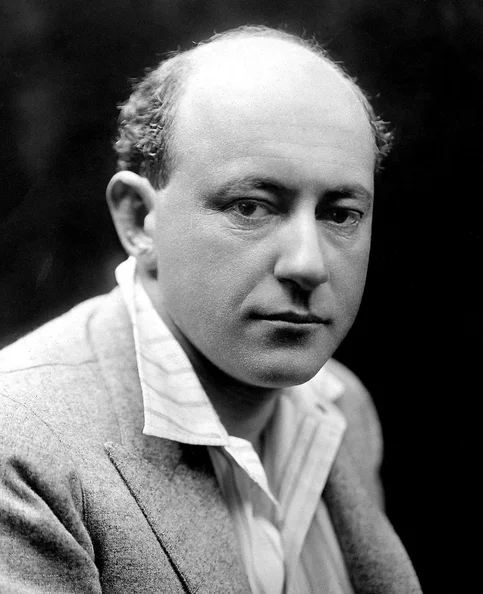
- Film: “The Ten Commandments” (1956)
- Genre: Epic historical dramas
- Actor to Work With: Charlton Heston
- Production Technique: Use of groundbreaking special effects
- Theme: Religious and moral narratives
- Location: Egypt and the desert for his epic films
- Collaborator: Paramount Pictures
- Influence: The works of Shakespeare and classical literature
- Personal Philosophy: The power of spectacle and storytelling
- Achievement: Winning the Best Picture Academy Award for “The Greatest Show on Earth”
Controversies
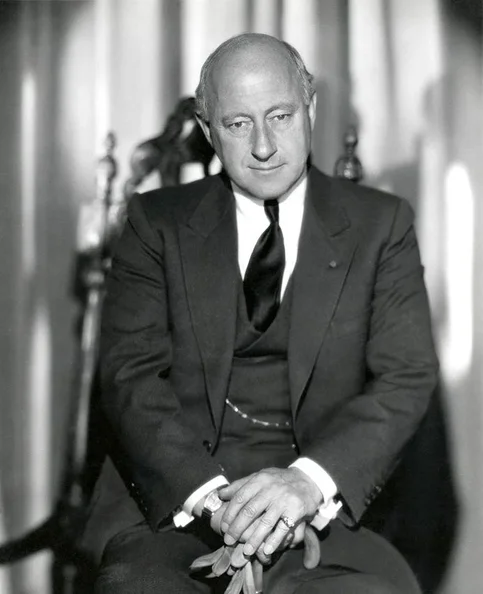
- Exploitation of Labor: DeMille was known for his demanding and sometimes harsh treatment of actors and crew members.
- Religious Sensitivities: His films, particularly those with religious themes, often sparked controversy and debate among religious groups.
- Racism and Stereotypes: Some of DeMille’s films have been criticized for perpetuating racial stereotypes and insensitive portrayals of minority groups.
- Personal Life: DeMille’s private life, including his multiple marriages and rumored affairs, generated significant public interest and criticism.
- Technical Accidents: Several accidents occurred on set during the production of his films, leading to injuries and even fatalities among the cast and crew.
- Political Stances: DeMille’s conservative political views and support for McCarthyism during the Red Scare of the 1950s were controversial.
- Environmental Impact: The massive scale of his productions sometimes had a negative impact on the environment, particularly in desert locations.
- Historical Accuracy: His epic historical films, while popular, were often criticized for their loose interpretation of historical facts and events.
- Censorship Battles: DeMille frequently clashed with censorship boards over the content of his films, particularly those dealing with sexual themes and violence.
- Exploitation of Animals: Some of his animal scenes in films were criticized for the treatment of animals, raising concerns about animal welfare.
Control vs chaos
Cecil B. DeMille was a master of control, known for his meticulous attention to detail and his ability to orchestrate large-scale productions with precision. His sets were often compared to military operations, with a strict hierarchy and clear lines of command. However, this control came at a cost. The high pressure and intense work environment sometimes led to chaos and conflict. DeMille’s demanding nature and perfectionism often put a strain on his relationships with actors and crew members. Yet, it was this very control that allowed him to create some of the most visually stunning and narratively powerful films of his time. The balance between control and chaos was a defining aspect of DeMille’s directorial style, allowing him to push the boundaries of what was possible in cinema.
Emotional geography
Cecil B. DeMille’s emotional landscape was as vast and varied as the epic films he directed. His personal life was marked by a series of emotional highs and lows, from the early loss of his father to the exhilarating successes of his career. DeMille’s films often reflected his own emotional experiences, exploring themes of redemption, sacrifice, and the struggle between good and evil. His deep connection to the stories he told and the characters he brought to life was evident in the passion and intensity with which he approached each project. DeMille’s emotional geography was a complex terrain, shaped by his ambition, his faith, and his unwavering belief in the power of storytelling to inspire and transform.
FAQs
-
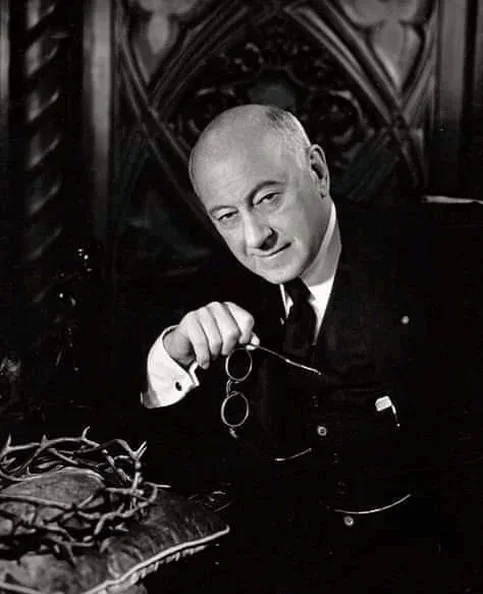
What is Cecil B. DeMille best known for?
Cecil B. DeMille is best known for his epic historical and religious films, particularly “The Ten Commandments” (1956) and “The Greatest Show on Earth” (1952). He is also recognized for his pioneering work in the early days of Hollywood and his influence on the development of the film industry.
-
How did Cecil B. DeMille start his career?
Cecil B. DeMille started his career in the theater, where he acted and learned the craft of storytelling and stagecraft. He later transitioned to the film industry, co-producing and co-directing his first film, “The Squaw Man,” in 1913.
-
What was Cecil B. DeMille’s first film?
Cecil B. DeMille’s first film was “The Squaw Man,” which he co-produced and co-directed in 1913. The film was a significant success and helped launch his career in the film industry.
-
What are some of Cecil B. DeMille’s most famous films?
Some of Cecil B. DeMille’s most famous films include “The Ten Commandments” (1956), “The Greatest Show on Earth” (1952), “Cleopatra” (1934), “The Sign of the Cross” (1932), and “The Cheat” (1915).
-
What was Cecil B. DeMille’s directing style?
Cecil B. DeMille was known for his grandiose and theatrical directing style, marked by large-scale productions, elaborate sets, and a focus on visual spectacle. He was a perfectionist who paid close attention to every detail of his films.
-
How did Cecil B. DeMille contribute to the film industry?
Cecil B. DeMille made significant contributions to the film industry through his innovative techniques, such as the use of Technicolor and groundbreaking special effects. He also played a crucial role in the development of the studio system and the establishment of Hollywood as the epicenter of the film industry.
-
What were some of Cecil B. DeMille’s personal beliefs and values?
Cecil B. DeMille held strong religious and moral values, which often influenced the themes and messages of his films. He was also a conservative politically and supported causes aligned with his beliefs.
-
How did Cecil B. DeMille handle controversies in his films?
Cecil B. DeMille often faced controversies due to the sensitive subjects and themes in his films. He was known for pushing the boundaries and challenging societal norms, but he also had to navigate the challenges of censorship and public opinion.
-
What was Cecil B. DeMille’s approach to film production?
Cecil B. DeMille was known for his meticulous and demanding approach to film production. He was involved in every aspect of the filmmaking process, from scriptwriting to editing, and was known for his attention to detail and his perfectionism.
-
How did Cecil B. DeMille’s early life influence his career?
Cecil B. DeMille’s early life, marked by his family’s involvement in the theater and the early loss of his father, deeply influenced his career. These experiences provided him with a strong foundation in storytelling and a deep appreciation for the power of the performing arts.
-
What legacy did Cecil B. DeMille leave behind?
Cecil B. DeMille left a lasting legacy as one of the most influential directors in the history of cinema. His epic films and innovative techniques continue to inspire filmmakers, and his contributions to the film industry are widely recognized and celebrated.
-
How did Cecil B. DeMille’s personal life impact his work?
Cecil B. DeMille’s personal life, including his multiple marriages and conservative values, often influenced the themes and messages in his films. His experiences and beliefs shaped the way he approached storytelling and the types of stories he chose to tell.
-
What are some of the lesser-known facts about Cecil B. DeMille?
Some lesser-known facts about Cecil B. DeMille include his early career in theater, his role in the formation of Paramount Pictures, and his involvement in the Boy Scouts of America, where he served as a national commissioner.