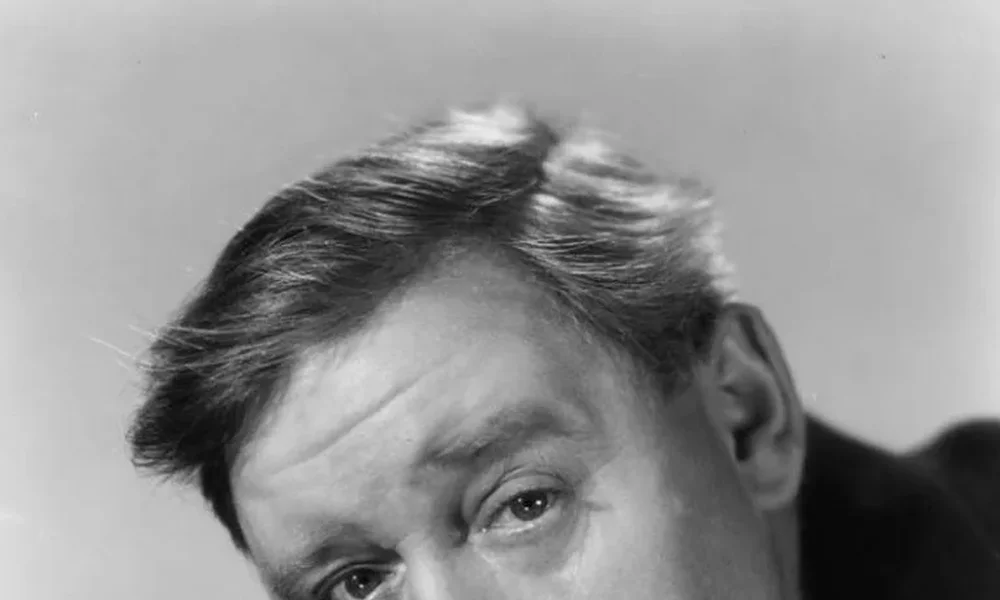
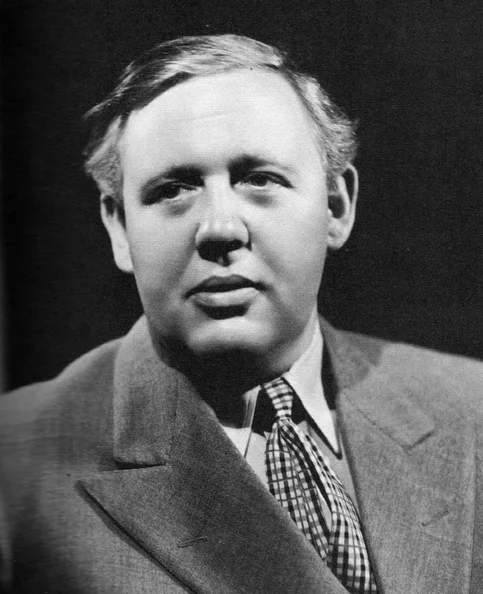
Charles Laughton, born on July 1, 1899, in Scarborough, England, was a renowned British actor and director who left an indelible mark on the world of cinema. Known for his versatile performances and commanding presence, Laughton’s career spanned several decades and included iconic roles in films such as “The Private Life of Henry VIII” and “Witness for the Prosecution.” His talent and dedication to his craft earned him numerous awards and nominations, cementing his status as one of the greatest actors of the 20th century. Beyond his on-screen performances, Laughton was also a respected director, theatre actor, and writer, showcasing his multifaceted artistic abilities. His life and career are a testament to the power of passion and perseverance in the arts.
PERSONAL INFORMATION
| Name | Charles Laughton |
|---|---|
| Place of Birth | Scarborough |
| Place of Death | Hollywood |
| Date of Birth | 01 July 1899 |
| Age at Death | 63 Years |
| Zodiac Sign | Cancer |
| Date of Death | 15 December 1962 |
| Nationality | United Kingdom, United States |
| Native Name | Charles Laughton |
| Religion | atheism |
| Languages Spoken | English |
| Gender | Male |
| Native Language | English |
PHYSICAL STATISTICS
| Height (in centimeters) | 172 cm |
|---|---|
| Height (in meters) | 1.72 m |
| Height (in feet inches) | 5′ 7″ |
FAMILY
| Spouse | Elsa Lanchester |
|---|
EDUCATION
| Educated At | Royal Academy of Dramatic Art, Scarborough College |
|---|
CAREER
| Profession | theatrical director, film director, film actor, stage actor, actor, television actor, director, film screenwriter, screenwriter, producer, writer, film producer |
|---|---|
| Nominations | Academy Award for Best Actor, Academy Award for Best Actor, Academy Award for Best Actor |
| Awards Received | Academy Award for Best Actor, Grammy Award for Best Audio Book, Narration & Storytelling Recording, star on Hollywood Walk of Fame, David di Donatello for Best Foreign Actor |
| Work Period Start | 1925 |
| Record Label | RCA Victor |
| Work Period End | 1962 |
SOCIAL MEDIA & LINKS
| IMDB ID | nm0001452 |
|---|---|
| Official Website | http://charleslaughton.freeservers.com/main.htm |
| Wikipedia | Wikipedia |
Cost of becoming
The journey to becoming a celebrated actor and director like Charles Laughton came with its own set of challenges and sacrifices. Laughton’s early years were marked by financial struggles and his determination to pursue his passion for acting against the wishes of his family. He faced numerous rejections and doubted his abilities, but his unwavering commitment to his craft and his relentless pursuit of excellence ultimately paid off. Laughton’s decision to leave his secure job as a bank clerk and pursue acting in the theatre was a pivotal moment in his life. This bold move required him to navigate the competitive and often unforgiving world of the entertainment industry, but his talent and hard work eventually led to his breakthrough roles and international acclaim.
Identity before fame
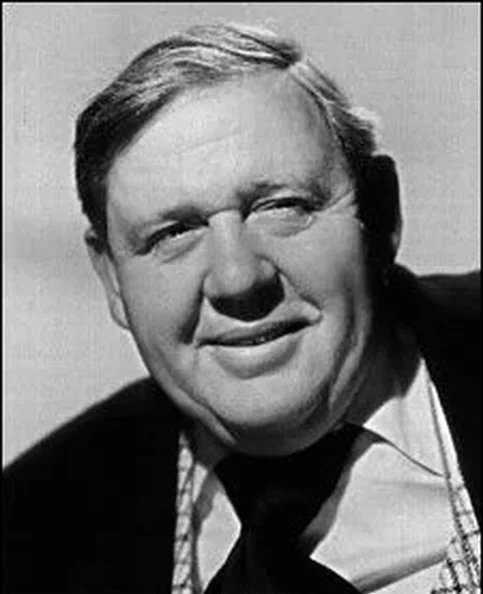
Before Charles Laughton became a household name, he was a young man from a modest background in Scarborough, England. Born to a family of naval architects, Laughton’s early life was marked by a love for literature and the arts. Despite his parents’ expectations that he would follow a more conventional career path, Laughton’s passion for acting and theatre began to take shape during his school years. He attended the University of Leeds, where he honed his acting skills and participated in various theatrical productions. These early experiences laid the foundation for his future success and helped him develop the confidence and skills necessary to excel in the demanding world of professional acting.
Production Houses Associated With Charles Laughton
| Production House | Number of Movies |
|---|---|
| Universal Pictures | 7 |
| Metro-Goldwyn-Mayer | 5 |
| RKO Radio Pictures | 3 |
| Paramount Pictures | 2 |
| 20th Century Fox | 2 |
| United Artists | 2 |
| London Films Productions | 2 |
| Bryna Productions | 1 |
| Vanguard Films | 1 |
| Selznick International Pictures | 1 |
Directors Charles Laughton Frequently Works With
| Director | Number of Movies |
|---|---|
| Henry Koster | 2 |
| Alfred Hitchcock | 2 |
| William Dieterle | 2 |
| Frank Lloyd | 2 |
| Stanley Kubrick | 1 |
| Erle C. Kenton | 1 |
| Henry King | 1 |
| Howard Hawks | 1 |
| Jean Negulesco | 1 |
| Henry Hathaway | 1 |
Movie Genres of Charles Laughton
| Genre | Number of Movies |
|---|---|
| Drama | 35 |
| Comedy | 21 |
| Romance | 15 |
| Documentary | 14 |
| History | 11 |
| Crime | 10 |
| Thriller | 9 |
| War | 6 |
| Horror | 6 |
| Adventure | 5 |
Year-wise Movies of Charles Laughton
| Year | Number of Movies |
|---|---|
| 2014 | 2 |
| 2009 | 1 |
| 1999 | 1 |
| 1994 | 1 |
| 1991 | 1 |
| 1988 | 1 |
| 1983 | 1 |
| 1982 | 2 |
| 1979 | 1 |
| 1972 | 1 |
| 1969 | 1 |
| 1962 | 1 |
| 1960 | 3 |
| 1957 | 1 |
| 1954 | 1 |
Timeline
- 1899: Charles Laughton is born in Scarborough, England.
- 1918: Laughton enlists in the Royal Navy during World War I.
- 1921: He joins the Royal Academy of Dramatic Art (RADA) in London.
- 1923: Laughton makes his stage debut in “Stage Door Canteen.”
- 1933: He achieves international recognition for his role as King Henry VIII in “The Private Life of Henry VIII.”
- 1935: Laughton stars in “Mutiny on the Bounty,” which further solidifies his status as a leading film actor.
- 1944: He directs and stars in “The Yeoman of the Guard,” a film adaptation of a Gilbert and Sullivan operetta.
- 1947: Laughton directs the critically acclaimed film “The Night of the Hunter.”
- 1957: He receives an Academy Award nomination for Best Actor for his role in “Witness for the Prosecution.”
- 1962: Charles Laughton passes away in Los Angeles, California.
Favourites
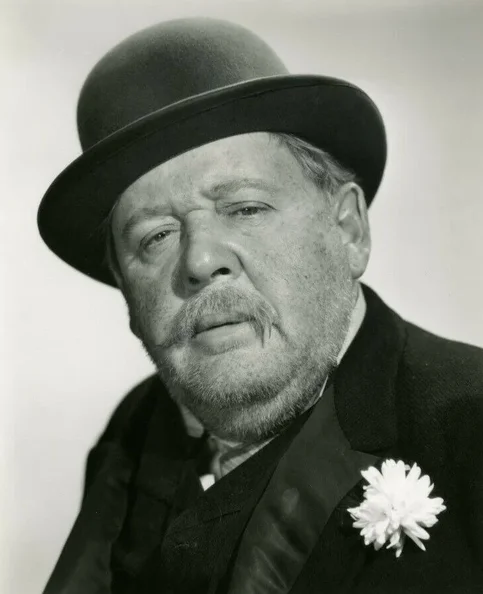
- Movie: “The Private Life of Henry VIII” (1933)
- Role: King Henry VIII (1933)
- Director: Alexander Korda
- Book: “The Picture of Dorian Gray” by Oscar Wilde
- Play: “The Yeomen of the Guard” by Gilbert and Sullivan
- Actor: Laurence Olivier
- Actress: Vivien Leigh
- Location: Los Angeles, California
- Hobby: Writing and directing
- Quote: “The only thing worse than not achieving your goal is not having a goal.”
Controversies
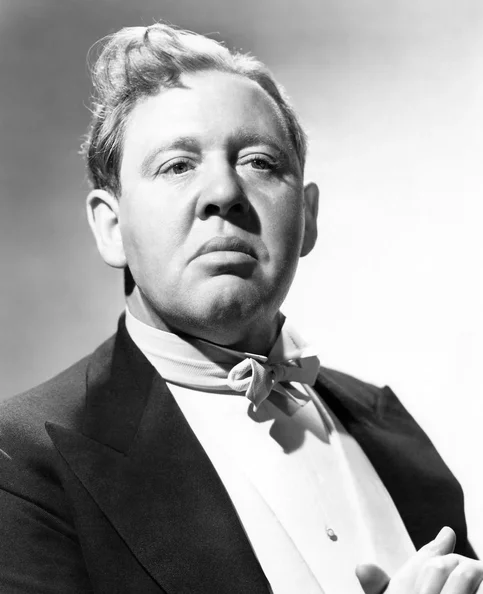
- Gender Identity: Laughton’s complex personal life, particularly his struggles with gender identity, has been a subject of controversy and speculation. He was known to experience feelings of being trapped in the wrong body, which influenced his personal relationships and public image.
- Public Image: Despite his success, Laughton often grappled with the expectations and pressures of maintaining a certain public image. His openness about his struggles with alcoholism and mental health issues was seen as both courageous and controversial during his time.
- Marital Issues: His relationship with his wife, Elsa Lanchester, was marked by both deep love and significant challenges. Their unconventional marriage and Laughton’s extramarital affairs added to the public fascination and scrutiny.
- Directorial Debut: Laughton’s debut as a director, “The Night of the Hunter,” was initially met with mixed reviews and limited commercial success, leading to disappointment and criticism.
- Political Stances: Laughton’s outspoken political views, particularly his support for progressive causes and his opposition to McCarthyism, sometimes put him at odds with conservative elements in Hollywood and the broader society.
- LGBTQ+ Rights: His advocacy for LGBTQ+ rights and his own experiences with gender identity made him a controversial figure in a time when such topics were largely taboo.
- Professional Rivalries: Laughton’s competitive spirit and high standards often led to tensions with his colleagues and rival actors, particularly those who felt threatened by his success and talent.
- Health Issues: His battle with obesity and the public speculation around it added to the controversies surrounding his personal life.
- Religious Beliefs: Laughton’s agnostic views and his sometimes critical stance on organized religion were seen as controversial in a predominantly religious society.
- Artistic Choices: His decision to turn down several lucrative offers to focus on more challenging and experimental roles was often met with skepticism and criticism from both the media and his peers.
Control vs chaos
Throughout his life and career, Charles Laughton navigated a delicate balance between control and chaos. His meticulous attention to detail and his disciplined approach to his craft were evident in his performances and directorial work. Laughton’s ability to maintain a sense of control and order in his professional life was a testament to his dedication and work ethic. However, his personal life often reflected a more chaotic and unpredictable side. His struggles with alcoholism, mental health issues, and his complex relationships added a layer of unpredictability that sometimes threatened to derail his carefully constructed public persona. Despite these challenges, Laughton’s resilience and determination allowed him to maintain a semblance of control, even in the face of chaos.
Emotional geography
Charles Laughton’s emotional geography was a rich tapestry of contradictions and complexities. On the one hand, he was a man of deep intellect and artistic sensitivity, capable of profound emotional depth and nuance. His performances on stage and screen often reflected a deep understanding of the human condition, bringing a sense of empathy and authenticity to his roles. On the other hand, his personal life was marked by significant emotional turmoil. Laughton’s struggles with identity, addiction, and mental health created a landscape of emotional highs and lows, which he navigated with a mix of vulnerability and strength. Despite the challenges, Laughton’s emotional landscape was a source of his greatest artistic achievements and a driving force behind his enduring legacy.
FAQs
-
What is Charles Laughton best known for?
Charles Laughton is best known for his iconic portrayal of King Henry VIII in the 1933 film “The Private Life of Henry VIII,” which earned him an Academy Award nomination. He is also remembered for his powerful performances in other films such as “Mutiny on the Bounty” and “Witness for the Prosecution.”
-
Where was Charles Laughton born?
Charles Laughton was born on July 1, 1899, in Scarborough, England.
-
What was Charles Laughton’s early life like?
Laughton’s early life was marked by a love for literature and the arts. Despite his parents’ expectations that he would follow a more conventional career path, he pursued his passion for acting, eventually joining the Royal Academy of Dramatic Art (RADA) in London.
-
What was Charles Laughton’s first major role?
Laughton’s first major role came in the 1923 stage production of “Stage Door Canteen.” However, his breakthrough role was as King Henry VIII in the 1933 film “The Private Life of Henry VIII.”
-
Did Charles Laughton win any major awards?
While Charles Laughton did not win an Academy Award, he received a nomination for Best Actor for his role in “Witness for the Prosecution” (1957). He was also honored with several other awards throughout his career, including a BAFTA Award for Best British Actor in a Leading Role for “The Private Life of Henry VIII.”
-
What was Charles Laughton’s relationship with Elsa Lanchester?
Charles Laughton and Elsa Lanchester were married from 1929 until his death in 1962. Their relationship was marked by deep love and significant challenges, including Laughton’s struggles with gender identity and their unconventional marriage.
-
What other careers did Charles Laughton pursue besides acting?
Laughton was also a respected director, playwright, and writer. He directed the critically acclaimed film “The Night of the Hunter” in 1955 and was involved in various theatre productions as a director and producer.
-
What was Charles Laughton’s directorial debut?
Charles Laughton’s directorial debut was the 1944 film “The Yeoman of the Guard,” an adaptation of a Gilbert and Sullivan operetta. However, his most famous directorial work is the 1955 film “The Night of the Hunter.”
-
How did Charles Laughton’s gender identity affect his life and career?
Laughton’s struggles with gender identity often impacted his personal relationships and public image. His openness about these issues, especially during a time when such topics were taboo, added to the complexity of his life and sometimes influenced his career choices.
-
What were some of Charles Laughton’s favorite hobbies?
Charles Laughton had a deep passion for writing and directing, which he pursued alongside his acting career. He also enjoyed reading and was an avid book collector, with a particular fondness for classic literature.
-
What is “The Night of the Hunter” and why is it significant?
“The Night of the Hunter” (1955) is a film directed by Charles Laughton and is considered a classic of American cinema. It is significant for its unique style, psychological depth, and Laughton’s innovative directorial approach. Despite initial mixed reviews, the film has since been recognized as a masterpiece.
-
How did Charles Laughton’s health issues impact his career?
Laughton’s battle with obesity and other health issues sometimes affected his ability to take on certain roles and maintain a consistent acting schedule. Despite these challenges, he continued to deliver powerful performances and remained a respected figure in the industry.
-
What was Charles Laughton’s legacy?
Charles Laughton’s legacy is that of a versatile and talented performer who made significant contributions to both film and theatre. His ability to bring depth and nuance to his roles, combined with his innovative directorial work, has ensured that his influence continues to be felt in the world of entertainment.
-
What are some of Charles Laughton’s notable stage performances?
Charles Laughton had a distinguished stage career, with notable performances in productions such as “The Divine Fire,” “The Barretts of Wimpole Street,” and “A Man for All Seasons.” His stage work showcased his versatility and his ability to engage audiences with powerful and nuanced portrayals.