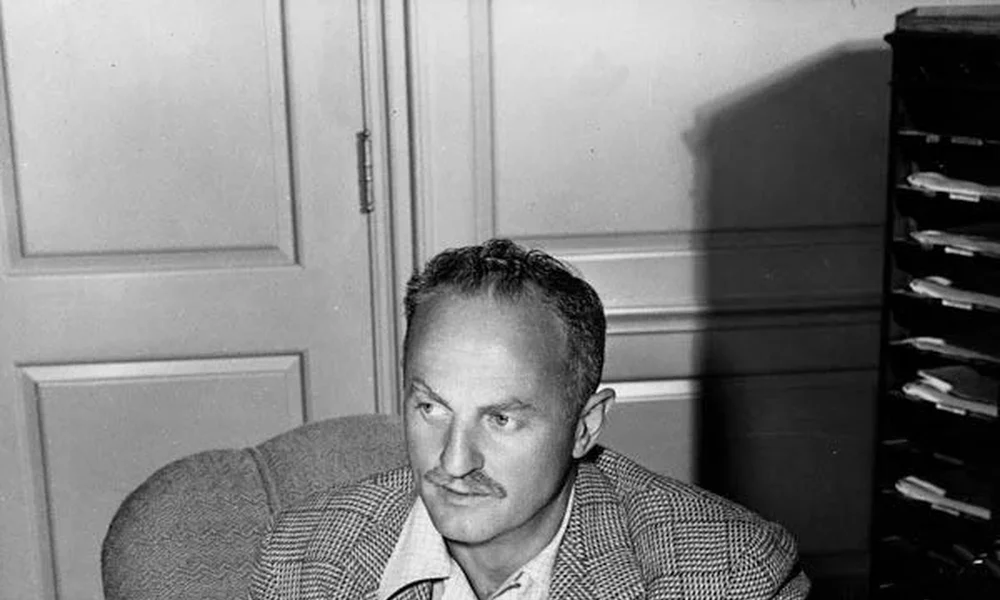
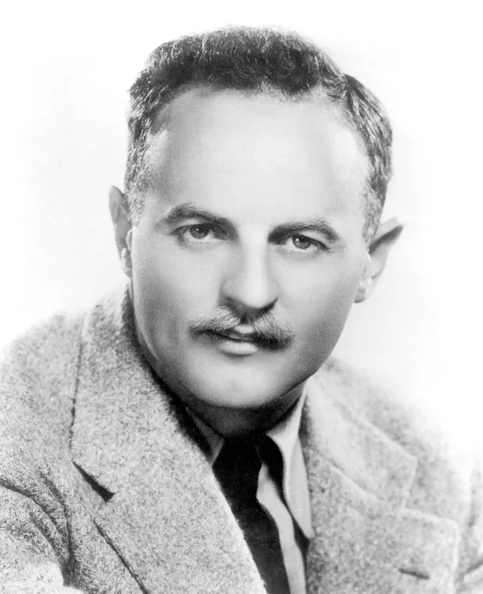
Darryl F. Zanuck was a towering figure in Hollywood, known for his significant contributions to the film industry as a producer, writer, and studio executive. Born on September 5, 1902, in Wahoo, Nebraska, Zanuck’s journey from a young journalist to a powerful mogul is a testament to his vision, perseverance, and influence. He co-founded 20th Century Fox and served as its head for over three decades, shaping the careers of numerous legendary actors and directors. Zanuck’s legacy is marked by his innovative storytelling, his commitment to social issues, and his ability to navigate the ever-changing landscape of the film business.
PERSONAL INFORMATION
| Name | Darryl F. Zanuck |
|---|---|
| Place of Birth | Wahoo |
| Place of Death | Palm Springs |
| Nationality | United States |
| Date of Birth | 05 September 1902 |
| Age at Death | 77 Years |
| Zodiac Sign | Virgo |
| Date of Death | 22 December 1979 |
| Gender | Male |
| Languages Spoken | English |
| Native Name | Darryl F. Zanuck |
| Native Language | English |
FAMILY
| Spouse | Virginia Fox |
|---|---|
| Children | Richard D. Zanuck |
CAREER
| Profession | screenwriter, film producer, actor, film director |
|---|---|
| Employer | University of Southern California |
| Nominations | Academy Award for Best Story, Academy Award for Best Picture |
| Awards Received | Irving G. Thalberg Memorial Award, Golden Globe Cecil B. DeMille Award, David di Donatello for Best International Film, star on Hollywood Walk of Fame, Irving G. Thalberg Memorial Award, Irving G. Thalberg Memorial Award |
| Work Period Start | 1922 |
Cost of Becoming
The path to becoming a film industry titan was not an easy one for Darryl F. Zanuck. His early years were marked by financial struggles and the relentless pursuit of opportunities in the entertainment world. Zanuck’s early career as a journalist and later as a writer for Warner Bros. laid the foundation for his understanding of storytelling and the mechanics of the film industry. His relentless work ethic and willingness to take risks were pivotal in his rise to power. The cost of becoming a studio executive was not just financial but also personal, as he often had to make tough decisions that impacted his relationships and reputation.
Identity Before Fame
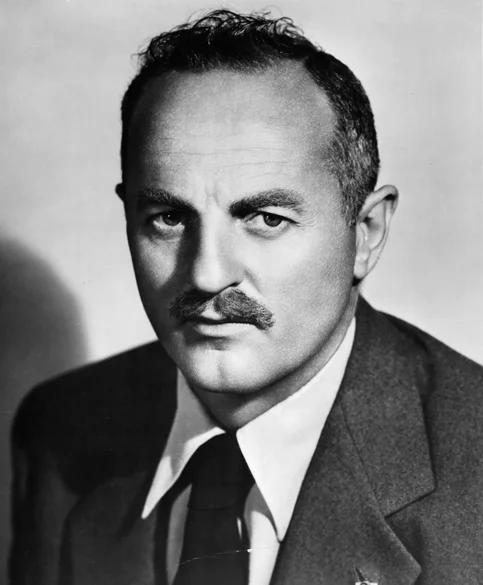
Before Darryl F. Zanuck became a household name, he was a young man from a modest background in Wahoo, Nebraska. His early life was shaped by his family’s values and the rural environment of the Midwest. Zanuck’s early experiences as a reporter for a local newspaper honed his writing skills and instilled in him a deep understanding of human stories. His move to Hollywood was driven by a desire to create and tell compelling narratives, which ultimately led him to a career in the film industry. These early experiences laid the groundwork for his future success and shaped his identity as a storyteller and visionary.
Production Houses Associated With Darryl F Zanuck
| Production House | Number of Movies |
|---|---|
| Van Ness Films | 4 |
| Fox Television Studios | 3 |
| Foxstar Productions | 3 |
| 20th Century Fox | 2 |
| Prometheus Entertainment | 2 |
| Academy of Motion Picture Arts and Sciences (AMPAS) | 2 |
| AMC | 2 |
| Twentieth Television | 1 |
| A+E Studios | 1 |
| AMC Studios | 1 |
Directors Darryl F Zanuck Frequently Works With
| Director | Number of Movies |
|---|---|
| Kevin Burns | 2 |
| Michele Farinola | 2 |
| Mimi Freedman | 2 |
| Frank Martin | 1 |
| Brent Zacky | 1 |
| Louis De Rochemont | 1 |
| Eric Clawson | 1 |
| Karen Hillhouse | 1 |
| Eric Sanford | 1 |
| Michel Lerokourez | 1 |
Movie Genres of Darryl F Zanuck
| Genre | Number of Movies |
|---|---|
| Documentary | 16 |
| TV Movie | 2 |
| History | 1 |
| Drama | 1 |
Year-wise Movies of Darryl F Zanuck
| Year | Number of Movies |
|---|---|
| 2022 | 1 |
| 2011 | 1 |
| 2009 | 1 |
| 2006 | 1 |
| 2005 | 1 |
| 2001 | 2 |
| 2000 | 1 |
| 1997 | 1 |
| 1995 | 1 |
| 1988 | 1 |
| 1968 | 1 |
| 1951 | 1 |
| 1950 | 1 |
| 1943 | 1 |
| 1940 | 1 |
Timeline
- 1902 – Born in Wahoo, Nebraska
- 1924 – Began working as a writer at Warner Bros.
- 1933 – Co-founded 20th Century Fox with Joseph Schenck
- 1937 – Produced “In Old Chicago,” which received an Academy Award nomination
- 1940 – Produced “The Grapes of Wrath,” winning the Academy Award for Best Picture
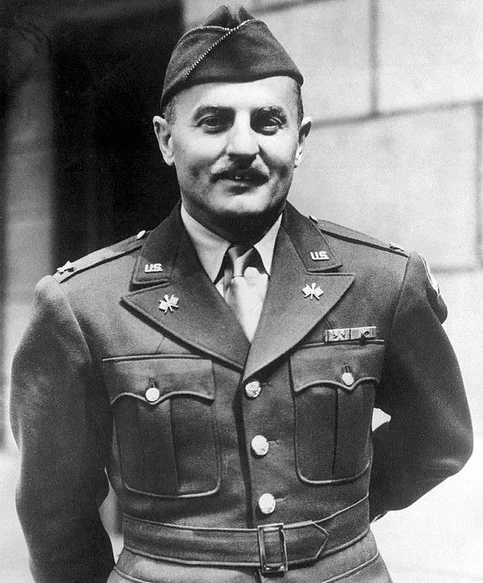
- 1943 – Served in the U.S. Army during World War II
- 1950 – Produced “All About Eve,” which won six Academy Awards
- 1964 – Stepped down as head of production at 20th Century Fox
- 1979 – Passed away in Los Angeles, California
- 1980 – Posthumously inducted into the Academy of Motion Picture Arts and Sciences’ Board of Governors
Favourites
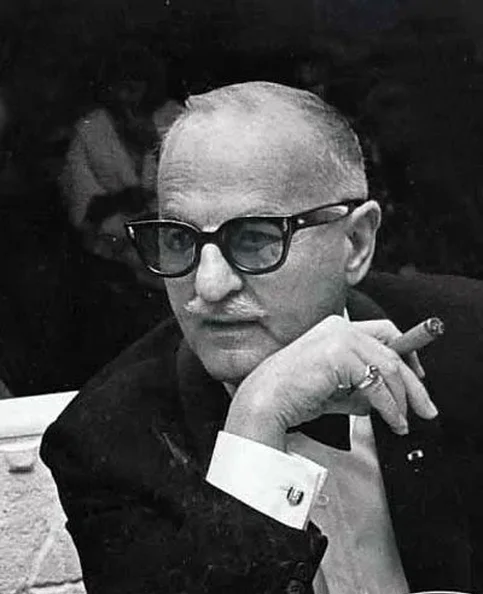
- Favorite Film – “The Grapes of Wrath” (1940)
- Favorite Director – John Ford
- Favorite Actor – Henry Fonda
- Favorite Genre – Drama and Social Commentary
- Favorite Studio – 20th Century Fox
- Favorite Collaboration – Working with Darryl Zanuck Productions
- Favorite Script – “In Old Chicago” (1937)
- Favorite Era – The Golden Age of Hollywood
- Favorite Location – Los Angeles, California
- Favorite Legacy – Shaping the film industry through innovative storytelling and production methods
Controversies
- Management Style – Zanuck was known for his dictatorial management style, which often led to conflicts with employees and creative talents.
- Personal Relationships – His personal life was marked by several high-profile divorces and affairs, which sometimes overshadowed his professional achievements.
- Censorship – Zanuck’s approach to censorship and the Hays Code was often criticized, with some accusing him of being too lenient and others of being too strict.
- Producer’s Role – His hands-on approach to production sometimes led to clashes with directors and writers who felt their creative vision was being compromised.
- Blacklisting – Zanuck was accused of contributing to the Hollywood blacklist during the McCarthy era, although the extent of his involvement remains a topic of debate.
- Budget Overruns – Several of his high-profile productions, including “Cleopatra,” went significantly over budget, causing financial strain for the studio.
- Artistic Control – His insistence on maintaining control over all aspects of production, from script to final cut, was both a strength and a source of controversy.
- Employee Treatment – Some former employees and collaborators have spoken out about the harsh treatment and lack of credit they received under his leadership.
- Public Image – Zanuck’s public image was often marred by his reputation as a tough and sometimes ruthless business executive.
- Legal Issues – He faced several legal challenges, including lawsuits over contract disputes and intellectual property rights.
Control vs Chaos
Darryl F. Zanuck’s approach to the film industry was characterized by a delicate balance of control and chaos. On one hand, he was a meticulous planner who understood the importance of a well-structured production process. His attention to detail and hands-on management style ensured that films met his high standards. On the other hand, he was also willing to take creative risks and embrace the unpredictable nature of filmmaking. This duality allowed him to foster innovation while maintaining the stability of his studio. Zanuck’s ability to navigate this balance was a key factor in his long and successful career in Hollywood.
Emotional Geography
Zanuck’s emotional landscape was as varied and complex as the films he produced. His rise to power was driven by a deep-seated ambition and a passion for storytelling, but it was also marked by personal struggles and conflicts. The demanding nature of his role often left little room for personal relationships, and his personal life was punctuated by multiple marriages and affairs. Despite the personal turmoil, Zanuck’s emotional geography was deeply rooted in his love for the film industry and his desire to create meaningful and impactful works of art. His legacy is a testament to the emotional and creative journey he undertook throughout his career.
FAQs
-
When and where was Darryl F. Zanuck born?
Darryl F. Zanuck was born on September 5, 1902, in Wahoo, Nebraska.
-
What was Zanuck’s role in 20th Century Fox?
Zanuck co-founded 20th Century Fox in 1933 and served as its head of production for over three decades. He played a pivotal role in the studio’s success, producing many notable films and guiding its direction.
-
What are some of Darryl F. Zanuck’s most famous films?
Some of Zanuck’s most famous films include “The Grapes of Wrath” (1940), “All About Eve” (1950), “The Sound of Music” (1965), and “Cleopatra” (1963). These films are celebrated for their storytelling, production values, and cultural impact.
-
What was Zanuck’s approach to film production?
Zanuck was known for his hands-on approach to film production, often involving himself in every aspect from script development to final cut. He was a meticulous planner and a creative risk-taker, which allowed him to produce a wide range of successful films.
-
How did Zanuck’s management style affect his relationships with colleagues?
Zanuck’s management style was often described as dictatorial and demanding. While it helped him maintain high standards, it also led to conflicts with employees and creative talents. His approach sometimes resulted in strained relationships and personal conflicts.
-
What was Zanuck’s contribution to social issues in film?
Zanuck was known for addressing social issues in his films. He produced works like “Gentleman’s Agreement” (1947), which tackled antisemitism, and “The Grapes of Wrath” (1940), which highlighted the struggles of the working class during the Great Depression.
-
How did Zanuck’s personal life impact his career?
Zanuck’s personal life, marked by multiple marriages and affairs, sometimes overshadowed his professional achievements. The demands of his role often left little room for personal relationships, and these personal struggles occasionally impacted his work.
-
What was Zanuck’s legacy in the film industry?
Darryl F. Zanuck’s legacy is marked by his significant contributions to the film industry, including his role in shaping 20th Century Fox, his innovative storytelling, and his commitment to social issues. He is remembered as a visionary leader and a key figure in the Golden Age of Hollywood.
-
How did Zanuck handle the challenges of the film industry during World War II?
During World War II, Zanuck served in the U.S. Army and used his experience to produce films that addressed the war and its impact on society. He continued to maintain the studio’s operations and produced films that resonated with the public during a time of great change and upheaval.
-
What was Zanuck’s role in the Hollywood blacklist?
Zanuck was accused of contributing to the Hollywood blacklist during the McCarthy era, although the extent of his involvement remains a topic of debate. His management style and the political climate of the time made him a target of criticism and controversy.
-
How did Zanuck support new talent in the film industry?
Zanuck was known for nurturing new talent and providing opportunities for emerging filmmakers. He supported and mentored directors and writers, helping to launch the careers of many who went on to become industry leaders.
-
What was Zanuck’s approach to censorship?
Zanuck’s approach to censorship was often controversial. While he adhered to the Hays Code, he also pushed the boundaries by producing films that addressed sensitive and taboo subjects. His willingness to take creative risks sometimes led to clashes with censors and conservative groups.
-
How did Zanuck’s films influence popular culture?
Zanuck’s films had a significant impact on popular culture, shaping public perceptions and influencing the direction of the film industry. His works often tackled important social issues and introduced new storytelling techniques, leaving a lasting legacy on the medium.
-
What was Zanuck’s vision for the future of 20th Century Fox?
Zanuck’s vision for 20th Century Fox was to create a studio that produced high-quality, innovative films that resonated with audiences. He aimed to maintain the studio’s reputation for excellence while adapting to the changing landscape of the film industry.
-
How did Zanuck handle financial and production challenges?
Zanuck was adept at managing financial and production challenges, often taking decisive action to keep projects on track and within budget. However, some of his high-profile productions, like “Cleopatra,” faced significant financial and logistical hurdles, which he navigated with a combination of ingenuity and perseverance.
-
What was Zanuck’s impact on the careers of actors and directors?
Zanuck played a crucial role in shaping the careers of many actors and directors, providing them with opportunities to showcase their talent and creativity. His support and mentoring helped to launch and sustain the careers of numerous industry luminaries.
-
How did Zanuck’s legacy continue after his passing?
After Zanuck’s passing in 1979, his legacy continued through the enduring impact of his films and the studio he helped to build. His contributions to the film industry are still recognized and celebrated, and his influence can be seen in the continued success of 20th Century Fox.
-
What was Zanuck’s approach to artistic collaboration?
Zanuck valued collaboration and often worked closely with writers, directors, and actors to bring his visions to life. While he maintained creative control, he also recognized the importance of teamwork and the contributions of others in the production process.
-
How did Zanuck balance his personal and professional life?
Balancing his personal and professional life was a challenge for Zanuck. The demands of his role as a studio executive often took precedence over his personal relationships, leading to multiple marriages and affairs. Despite these challenges, he remained committed to his vision and the success of his studio.