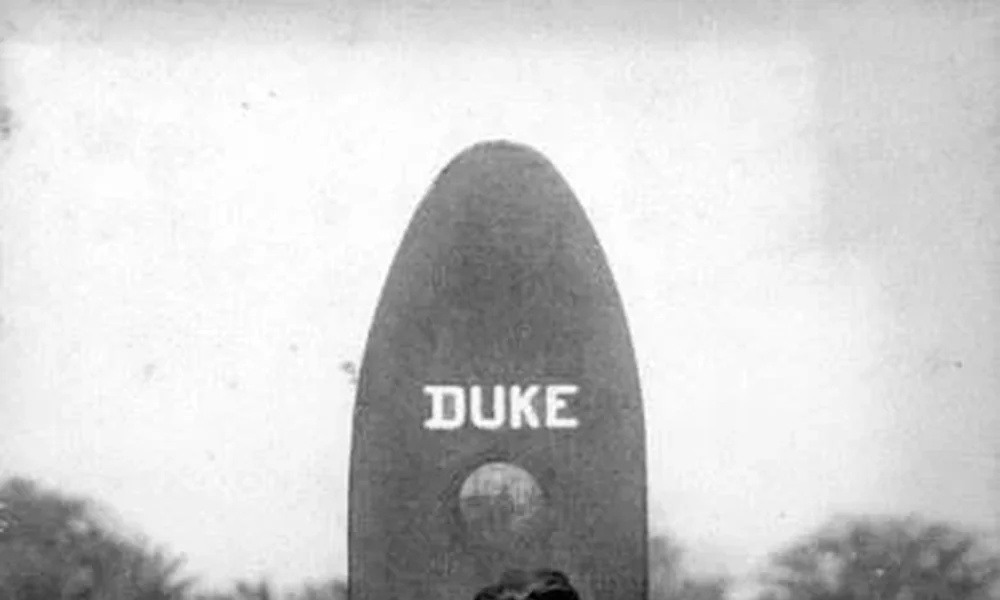
Duke Paoa Kahinu Mokoi Ohu Kahanamoku, born on August 24, 1890, in Honolulu, Hawaii, is a legendary figure in the world of surfing and swimming. Known as the “father of modern surfing,” Kahanamoku not only made significant contributions to the sport but also became a cultural ambassador for Hawaii. His life was a blend of athletic prowess, cultural pride, and humanitarian spirit. From his early days on the beaches of Waikiki to his international acclaim, Duke Kahanamoku’s legacy continues to inspire generations.
PERSONAL INFORMATION
| Name | Duke Kahanamoku |
|---|---|
| Gender | Male |
| Nationality | United States, Kingdom of Hawaiʻi |
| Place of Birth | Honolulu |
| Place of Death | Honolulu |
| Date of Birth | 24 August 1890 |
| Age at Death | 77 Years |
| Zodiac Sign | Virgo |
| Date of Death | 22 January 1968 |
| Birth Name | Duke Paoa Kahinu Mokoe Hulikohola Kahanamoku |
| Signature |  |
| Languages Spoken | English, Hawaiian |
| Native Language | English, Hawaiian |
| Native Name | Duke Kahanamoku |
PHYSICAL STATISTICS
| Height (in centimeters) | 185 cm |
|---|---|
| Height (in meters) | 1.85 m |
| Height (in feet inches) | 6′ 0″ |
FAMILY
| Siblings | Samuel Kahanamoku, Sargent Kahanamoku |
|---|
EDUCATION
| Educated At | Kamehameha Schools, President William McKinley High School |
|---|
CAREER
| Profession | swimmer, surfer, actor, water polo player, sheriff |
|---|---|
| Awards Received | International Swimming Hall of Fame |
Cost of Becoming
The path to becoming a legendary athlete and cultural icon was not without its challenges. Duke Kahanamoku faced numerous obstacles, including financial hardships and the racial prejudices of his time. Despite these challenges, he remained dedicated to his passion for swimming and surfing. His unwavering commitment to excellence and his love for the ocean were the driving forces behind his success. Kahanamoku’s journey also involved making significant sacrifices, such as balancing his athletic career with his responsibilities to his family and community. His dedication and resilience serve as a testament to his character and the immense cost of pursuing greatness.
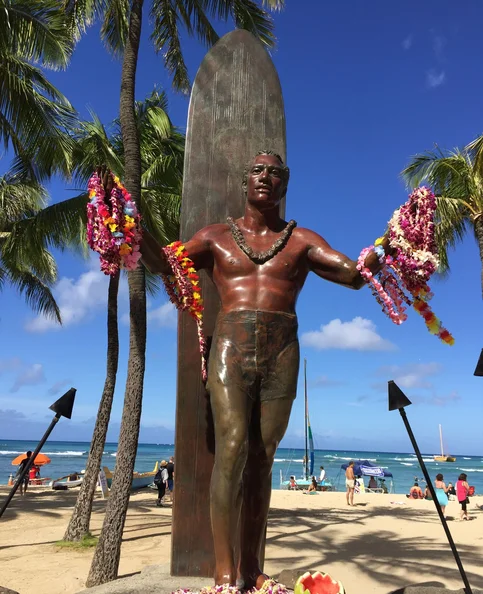
Identity Before Fame
Before he became a household name, Duke Kahanamoku was a young man deeply rooted in the Hawaiian culture. Born and raised in Honolulu, he grew up spending much of his time in the ocean, where he developed his exceptional swimming and surfing skills. Kahanamoku was a humble and down-to-earth individual, known for his friendly demeanor and respect for his heritage. His early life was marked by a strong sense of community and a deep connection to the land and sea of Hawaii. These foundational elements shaped his character and laid the groundwork for the person he would become.
Timeline
- 1890: Duke Kahanamoku is born in Honolulu, Hawaii.
- 1905: Begins to develop his swimming and surfing skills on the beaches of Waikiki.
- 1912: Wins a gold medal in the 100-meter freestyle at the Stockholm Olympics.
- 1914: Sets a world record in the 100-meter freestyle in San Diego.
- 1920: Wins another gold medal in the 100-meter freestyle at the Antwerp Olympics.
- 1932: Competes in the 1932 Los Angeles Olympics, winning a bronze medal in the 100-meter freestyle.
- 1940s: Serves as the sheriff of Honolulu for 26 years, a role he held with distinction and integrity.
- 1959: Surfs a massive wave at Waikiki, further cementing his status as a surfing legend.
- 1968: Is inducted into the International Swimming Hall of Fame.
- 1970: Receives the Distinguished Service Award from the American Red Cross for his humanitarian efforts.
Favourites
- Favorite Sport: Surfing and Swimming
- Favorite Place to Surf: Waikiki Beach
- Favorite Food: Poi and Fish
- Favorite Hawaiian Tradition: Hula Dancing
- Favorite Olympic Venue: Stockholm, Sweden
- Favorite Quote: “The ocean is my church, and the waves are my prayers.”
- Favorite Pastime: Fishing and Spending Time with Family
- Favorite Book: Hawaiian Legends and Myths
- Favorite Song: “Aloha Oe” by Queen Liliuokalani
- Favorite Film: “From Here to Eternity” (1953)
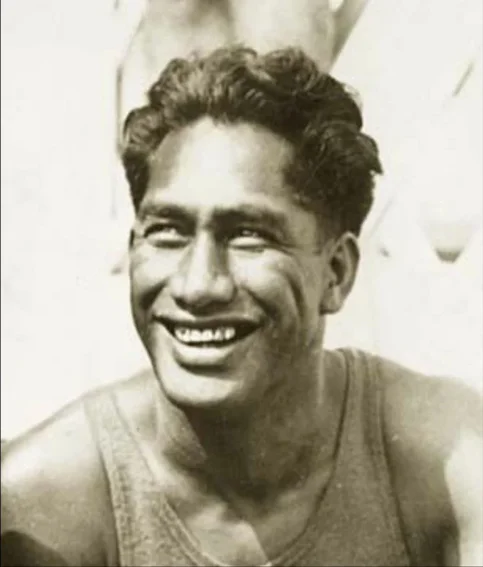
Controversies
- Racial Prejudice: Kahanamoku faced significant racial discrimination during his early career, which limited his opportunities and recognition.
- Olympic Disqualification: In 1912, Kahanamoku was briefly disqualified from the Olympics due to a technicality, which was later rectified.
- Political Involvement: His role as sheriff of Honolulu attracted some criticism from those who felt he should not be involved in politics.
- Commercialization of Surfing: Some purists in the surfing community were critical of Kahanamoku’s role in popularizing surfing, fearing it would dilute the sport’s spiritual and cultural roots.
- Endorsements and Sponsorships: His involvement in endorsements and sponsorships was sometimes seen as a commercialization of his sport and image.
- Allegations of Favoritism: During his tenure as sheriff, there were occasional accusations of favoritism and nepotism.
- Environmental Impact: Kahanamoku’s promotion of surfing led to concerns about the environmental impact of increased beach activities and tourism.
- Rivalries: He faced intense rivalries with other swimmers, particularly during the 1920s and 1930s.
- Personal Life: Some aspects of Kahanamoku’s personal life, including his relationships and lifestyle, were subject to media scrutiny and public debate.
- Legacy Disputes: After his death, there were debates about the true extent of his contributions to surfing and swimming, with some questioning the accuracy of his historical record.
Control vs Chaos
Duke Kahanamoku’s life was a delicate balance between control and chaos. On one hand, he was a disciplined athlete who set world records and won Olympic gold medals. His training regimen and competitive spirit were characterized by a high degree of control and focus. On the other hand, his role as a cultural ambassador and his involvement in community activities often required him to navigate the unpredictable and chaotic nature of public life. Kahanamoku’s ability to find a harmonious balance between these two extremes is a testament to his resilience and adaptability. He was able to maintain his integrity and values while excelling in both his athletic and humanitarian pursuits.
Emotional Geography
Duke Kahanamoku’s emotional geography was deeply rooted in the land and waters of Hawaii. The beaches of Waikiki, where he learned to surf and swim, were more than just physical places; they were sources of emotional and spiritual nourishment. Kahanamoku’s deep connection to his homeland and its culture provided him with a sense of purpose and belonging. This emotional landscape was integral to his identity and influenced his values and actions. Whether he was competing in the Olympics or serving as the sheriff of Honolulu, Kahanamoku carried with him the spirit of aloha and the wisdom of his ancestors. This emotional connection to his roots was a source of strength and inspiration throughout his life.
FAQs
-
When was Duke Kahanamoku born?
Duke Kahanamoku was born on August 24, 1890, in Honolulu, Hawaii.
-
What are Duke Kahanamoku’s most notable achievements?
Kahanamoku won three Olympic gold medals in swimming, set multiple world records, and is known as the “father of modern surfing.” He also served as the sheriff of Honolulu for 26 years.
-
How did Duke Kahanamoku contribute to surfing?
Kahanamoku popularized surfing globally through his demonstrations and performances around the world. He is credited with introducing surfing to mainland America and Australia, helping to establish it as a popular sport and cultural phenomenon.
-
What challenges did Duke Kahanamoku face in his career?
Kahanamoku faced significant racial prejudice and discrimination during his early career, which limited his opportunities and recognition. He also had to balance his athletic pursuits with his responsibilities to his family and community.
-
What was Duke Kahanamoku’s role in the community?
Kahanamoku was deeply involved in his community, particularly in Honolulu. He served as the sheriff of Honolulu for 26 years, where he was known for his integrity and dedication to public service.
-
What are some of Duke Kahanamoku’s favorite Hawaiian traditions?
Kahanamoku had a deep appreciation for Hawaiian culture and traditions, including hula dancing, traditional Hawaiian music, and the preparation of native Hawaiian foods like poi and fish.
-
How did Duke Kahanamoku influence the sport of swimming?
Kahanamoku revolutionized the sport of swimming by setting world records and winning multiple Olympic medals. His techniques and training methods were widely studied and emulated by other swimmers.
-
What is the Duke Kahanamoku Foundation?
The Duke Kahanamoku Foundation is dedicated to preserving Kahanamoku’s legacy and promoting his values of aloha and community service. The foundation supports various initiatives in education, the arts, and environmental conservation.
-
What are some interesting facts about Duke Kahanamoku?
Kahanamoku was not only a world-class athlete but also an accomplished actor, appearing in several Hollywood films. He was also a skilled fisherman and enjoyed spending time with his family and friends.
-
What is Duke Kahanamoku’s most famous quote?
One of Kahanamoku’s most famous quotes is, “The ocean is my church, and the waves are my prayers.” This quote reflects his deep spiritual connection to the ocean.
-
What was Duke Kahanamoku’s approach to life and competition?
Kahanamoku approached life with a sense of humility and respect for others. He believed in the importance of community and the value of giving back. In competition, he was known for his sportsmanship and graciousness.
-
What is the significance of Duke Kahanamoku’s Olympic achievements?
Kahanamoku’s Olympic achievements were groundbreaking. He was the first Native Hawaiian to win an Olympic gold medal, and his success helped to break down racial barriers in international sports.
-
How did Duke Kahanamoku impact Hawaiian culture?
Kahanamoku played a significant role in promoting Hawaiian culture and traditions. He was a proud advocate for Hawaiian heritage and worked to preserve and celebrate the unique aspects of Hawaiian life and culture.