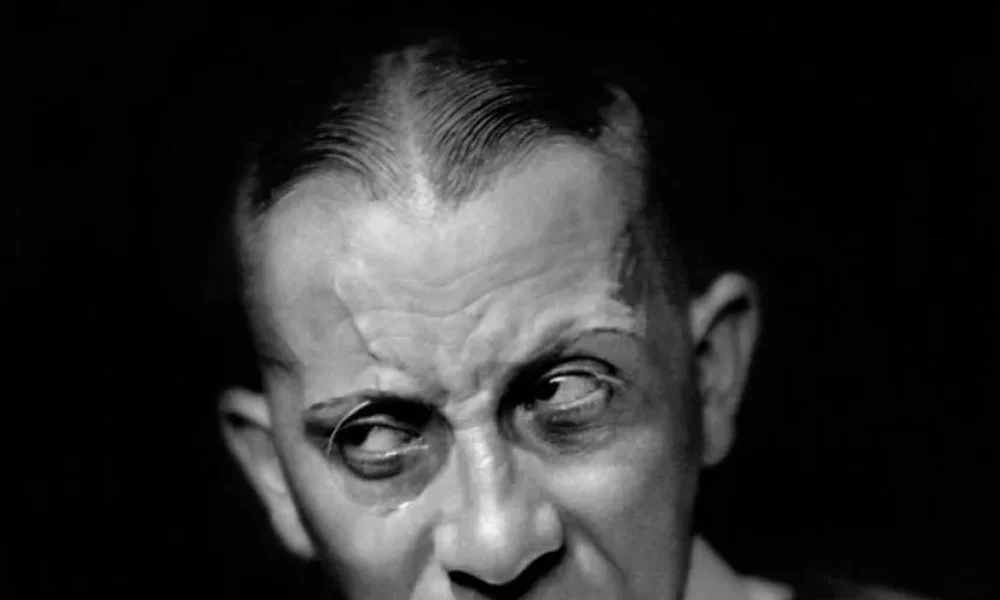
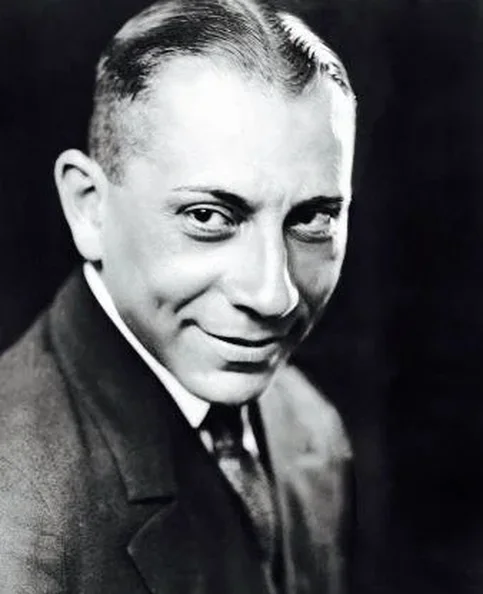
Erich von Stroheim, a name that resonates with a unique blend of cinematic brilliance and personal controversy, is a towering figure in the history of early American cinema. Born in Vienna, Austria, in 1885, von Stroheim’s journey from a modest European upbringing to the glitzy heights of Hollywood is a tale of ambition, talent, and the often tumultuous nature of the entertainment industry. His directorial work, particularly in films like “Blind Husbands” and “Greed,” cemented his reputation as a visionary filmmaker, though his career was often marred by conflicts with studio executives and a penchant for perfection that sometimes led to his downfall. Despite these challenges, von Stroheim’s legacy as a pioneering director and actor remains indelible, influencing generations of filmmakers and cinephiles.
PERSONAL INFORMATION
| Name | Erich von Stroheim |
|---|---|
| Place of Birth | Vienna |
| Place of Death | Paris, Maurepas |
| Nationality | United States, Austria–Hungary |
| Date of Birth | 22 September 1885 |
| Age at Death | 71 Years |
| Zodiac Sign | Virgo |
| Date of Death | 12 May 1957 |
| Languages Spoken | German, English |
| Birth Name | Erich Oswald Stroheim |
| Gender | Male |
| Native Language | English, German |
FAMILY
| Children | Erich von Stroheim Jr., Josef von Stroheim |
|---|---|
| Spouse | Valerie Germonprez |
CAREER
| Profession | film director, actor, screenwriter, film actor, film producer |
|---|---|
| Nominations | Academy Award for Best Supporting Actor |
| Awards Received | Knight of the Legion of Honour, star on Hollywood Walk of Fame |
| Work Period Start | 1914 |
| Work Period End | 1955 |
| Genre | silent film |
| Notable Works | Foolish Wives, Greed, The Merry Widow, La Grande Illusion, Sunset Boulevard |
Cost of becoming
The path to fame for Erich von Stroheim was paved with both relentless ambition and significant personal sacrifices. He arrived in America with little more than a few dollars and a dream, working odd jobs to make ends meet while honing his acting and directing skills. His meteoric rise in the early days of cinema was fueled by his unwavering dedication and a willingness to push boundaries. However, this drive came at a cost. Von Stroheim’s perfectionism and insistence on artistic integrity often put him at odds with studio executives, leading to numerous project cancellations and a reputation for being difficult to work with. Despite these challenges, his relentless pursuit of his vision played a crucial role in shaping the landscape of early American cinema.
Identity before fame
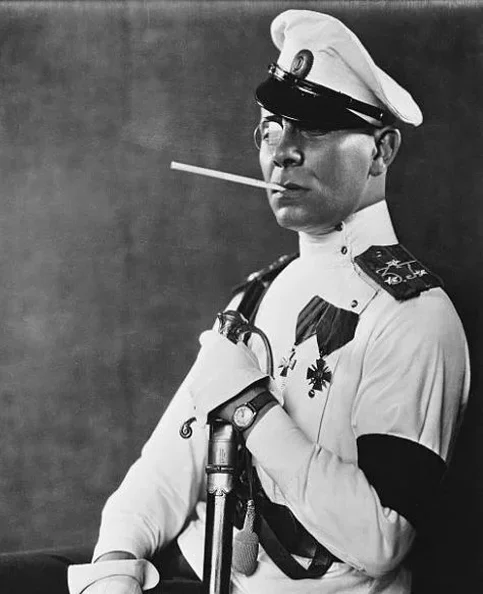
Before he became a household name, Erich von Stroheim led a relatively obscure life. Born to a middle-class Jewish family in Vienna, he grew up with a strong academic background and a keen interest in the arts. His early years were marked by a fascination with the military, leading him to enroll in a military academy. However, his true passion lay in the theater, and he often participated in local productions. After a brief stint in the Austrian army, he emigrated to the United States in 1909, arriving in New York with the dream of making his mark in the burgeoning film industry. It was during this period that he adopted the aristocratic-sounding surname “von Stroheim,” a move that would later play a role in his public persona and professional success.
Production Houses Associated With Erich Von Stroheim
| Production House | Number of Movies |
|---|---|
| Paramount Pictures | 4 |
| Republic Pictures | 3 |
| Universal Film Manufacturing Company | 2 |
| RKO Radio Pictures | 2 |
| Réalisation d’Art Cinématographique | 1 |
| Deutsche Styria Film GmbH | 1 |
| Carlton-Film | 1 |
| W. Lee Wilder Productions | 1 |
| Columbia Pictures | 1 |
| Paramount Famous Lasky Corporation | 1 |
Directors Erich Von Stroheim Frequently Works With
| Director | Number of Movies |
|---|---|
| Erich von Stroheim | 4 |
| Billy Wilder | 2 |
| Pierre Chenal | 2 |
| Bernard-Roland | 2 |
| George Sherman | 2 |
| Jean Renoir | 1 |
| Arthur Maria Rabenalt | 1 |
| Anthony Mann | 1 |
| Robert Siodmak | 1 |
| Christian-Jaque | 1 |
Movie Genres of Erich Von Stroheim
| Genre | Number of Movies |
|---|---|
| Drama | 52 |
| War | 18 |
| Crime | 13 |
| Thriller | 10 |
| Documentary | 10 |
| Romance | 9 |
| Mystery | 9 |
| Comedy | 7 |
| History | 5 |
| Science Fiction | 5 |
Year-wise Movies of Erich Von Stroheim
| Year | Number of Movies |
|---|---|
| 2021 | 1 |
| 2017 | 1 |
| 1979 | 1 |
| 1969 | 1 |
| 1966 | 1 |
| 1961 | 1 |
| 1957 | 1 |
| 1955 | 3 |
| 1953 | 3 |
| 1952 | 1 |
| 1950 | 1 |
| 1949 | 2 |
| 1948 | 2 |
| 1946 | 3 |
| 1945 | 2 |
Timeline
- 1885: Born in Vienna, Austria.
- 1909: Emigrated to the United States.
- 1914: Began working in the film industry, initially as an actor.
- 1915: Directed his first short film, “The Square Headed Giant.”
- 1919: Directed and starred in “Blind Husbands,” which gained critical acclaim.
- 1924: Directed “Greed,” a film widely regarded as his masterpiece, though heavily edited by studios.
- 1933: Appeared in the film “Queen Kelly,” directed by Josef von Sternberg.
- 1939: Played the memorable role of the decadent Baron vonSCheindorf in “Ninotchka.”
- 1943: Directed “Five Graves to Cairo,” one of his later directorial works.
- 1957: Died in France, leaving behind a legacy as a pioneering filmmaker and actor.
Favourites
- Favorite Role: The Kaiser in “The Great Gabbo” (1929).
- Favorite Film: “Greed” (1924).
- Favorite Director: D.W. Griffith.
- Favorite Actor: Charlie Chaplin.
- Favorite Author: Émile Zola.
- Favorite Location: Paris, France.
- Favorite Food: Viennese coffee and pastries.
- Favorite Hobby: Collecting military memorabilia.
- Favorite Quote: “Art is long, life is short, and truth is far to seek.” — Erich von Stroheim.
- Favorite Art Form: Opera.
Controversies
- Extravagant Spending: Von Stroheim was known for his lavish lifestyle, often living beyond his means.
- Perfectionism: His relentless pursuit of perfection led to many of his projects being shut down due to excessive costs and production delays.
- On-Set Conflicts: His commanding presence and high standards often resulted in clashes with cast and crew.
- Editing Disputes: Studios frequently edited his films against his wishes, leading to significant cuts in “Greed” and “The Wedding March.”
- Personal Life: Rumors of his aristocratic background being fabricated added to the controversy surrounding him.
- Political Allegations: Some accused him of harboring pro-German sentiments during World War I, though these claims were never substantiated.
- Extramarital Affairs: His numerous relationships and marriages were often the subject of gossip and scandal.
- Allegations of Abuse: There were claims of him mistreating actors and crew members, though these were never fully investigated.
- Legal Battles: He was involved in several lawsuits over unpaid debts and contract disputes.
- Reputation as a “Von”: His adoption of the “von” in his name was seen by some as a pretentious attempt to elevate his status.
Control vs Chaos
Erich von Stroheim’s life and career were marked by a constant struggle between his desire for absolute control and the chaotic realities of the film industry. On one hand, he was a perfectionist who demanded the highest standards from everyone involved in his projects. His attention to detail and commitment to his vision often led to groundbreaking films that pushed the boundaries of what was possible in cinema. On the other hand, this controlling nature also created friction and conflicts, as he frequently clashed with studio executives and other filmmakers who did not share his exacting standards. Despite these challenges, von Stroheim’s unwavering dedication to his craft and his willingness to take risks ensure his place as a pioneering figure in film history.
Emotional Geography
Erich von Stroheim’s emotional landscape was as complex and multifaceted as his professional endeavors. Born into a middle-class family in Vienna, he carried the weight of his European roots and the cultural richness of his upbringing throughout his life. His move to America represented a significant break from his past, yet he never fully shed his European identity. The duality of his identity—part aristocrat, part immigrant—shaped his worldview and his approach to filmmaking. In many of his films, he explored themes of power, decadence, and the moral decay of the upper classes, reflecting his own experiences and emotional conflicts. His personal life was equally complex, marked by a series of tumultuous relationships and a persistent struggle to reconcile his artistic aspirations with the practical demands of the industry.
FAQs
-
Who was Erich von Stroheim?
Erich von Stroheim was an Austrian-American actor, writer, and director who played a significant role in the early days of American cinema. Known for his perfectionism and innovative storytelling, he is considered one of the pioneers of the film industry.
-
What are some of his most famous films?
Some of Erich von Stroheim’s most famous films include “Blind Husbands” (1919), “Greed” (1924), and “Ninotchka” (1939), where he played a memorable supporting role.
-
What is “Greed” and why is it considered a masterpiece?
“Greed” is a 1924 silent film directed by von Stroheim, based on the novel “McTeague” by Frank Norris. It is considered a masterpiece due to its groundbreaking narrative structure, meticulous attention to detail, and unflinching portrayal of human greed and decay.
-
Did Erich von Stroheim have a controversial personal life?
Yes, von Stroheim’s personal life was often controversial. He was known for his lavish spending, multiple marriages, and extramarital affairs. His adoption of the “von” in his name also raised eyebrows and was seen by some as an attempt to elevate his social status.
-
What was von Stroheim’s relationship with Hollywood studios?
von Stroheim’s relationship with Hollywood studios was often fraught with tension. His perfectionism and demanding nature frequently led to conflicts with studio executives, who were often forced to cut his films to make them more commercially viable.
-
How did von Stroheim’s early life in Vienna influence his work?
von Stroheim’s early life in Vienna, with its rich cultural heritage and his middle-class upbringing, heavily influenced his work. His films often explored themes of social class, power, and moral decay, reflecting his deep understanding of European society and culture.
-
What is von Stroheim’s legacy in the film industry?
von Stroheim’s legacy in the film industry is that of a pioneer who pushed the boundaries of cinematic storytelling. His films, though often controversial, are celebrated for their artistic merit and have influenced generations of filmmakers.
-
How did von Stroheim transition from acting to directing?
von Stroheim began his career as an actor, but his creative vision and understanding of the medium led him to transition into directing. He directed his first short film in 1915 and went on to direct several notable feature films, including “Blind Husbands” and “Greed.”
-
What was von Stroheim’s approach to filmmaking?
von Stroheim’s approach to filmmaking was characterized by his attention to detail, commitment to realism, and willingness to push the boundaries of narrative structure. He was known for his meticulous planning and the use of improvisation to capture authentic performances.
-
How did von Stroheim’s military background influence his work?
von Stroheim’s brief military service in Austria, combined with his fascination with military themes, influenced his work. He often included military elements in his films, such as in “Blind Husbands” and “The Great Gabbo,” and his attention to detail was evident in the portrayal of military settings.
-
What is the significance of the “von” in his name?
The “von” in von Stroheim’s name was adopted to suggest aristocratic lineage, which was common among European immigrants in America. While it added to his public persona, it also led to controversy and speculation about his true background.
-
How did von Stroheim’s later films differ from his earlier works?
In his later films, von Stroheim adapted to the changing landscape of the film industry, including the transition to sound. While he continued to maintain his high standards, his later works were more commercially viable and often featured more prominent actors.
-
What is the legacy of “Greed”?
The legacy of “Greed” is its status as a groundbreaking work in the history of cinema. Despite being heavily edited by studios, the film’s remaining sequences are celebrated for their artistic and technical achievements. It is often cited as one of the greatest films ever made.