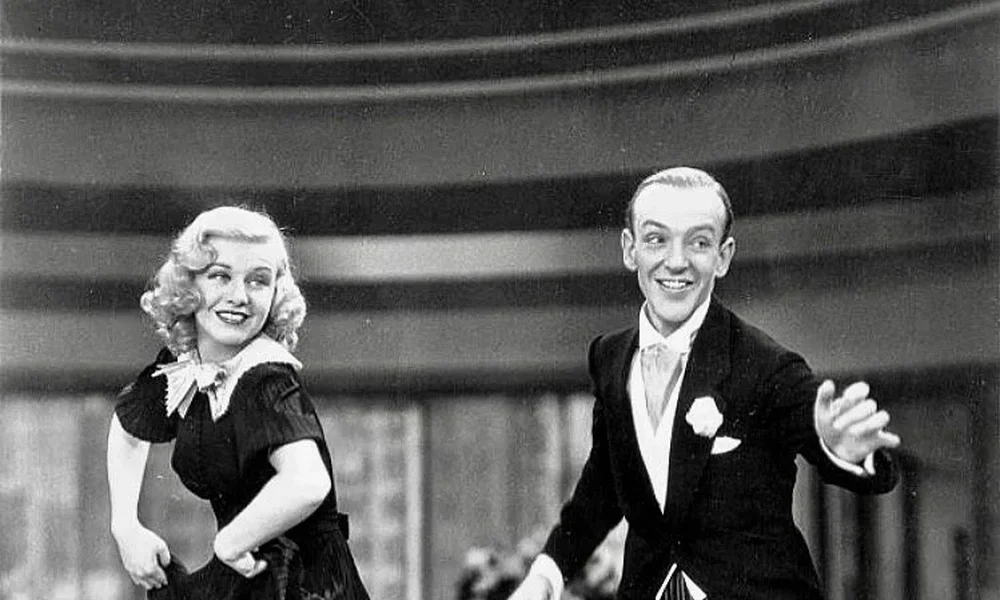
Fred Astaire, born Frederick Austerlitz on May 10, 1899, in Omaha, Nebraska, is widely regarded as one of the greatest dancers and performers in the history of film and stage. Astaire’s elegance, precision, and charismatic stage presence revolutionized the art of dance in the 20th century. His partnership with Ginger Rogers in a series of Hollywood musicals defined the golden age of the genre, and his influence extends far beyond his lifetime. This article delves into various aspects of Fred Astaire’s life, including his early life, significant milestones, personal favorites, controversies, and more.
PERSONAL INFORMATION
| Name | Fred Astaire |
|---|---|
| Place of Birth | Omaha |
| Place of Death | Los Angeles |
| Nationality | United States |
| Date of Birth | 10 May 1899 |
| Age at Death | 88 Years |
| Zodiac Sign | Taurus |
| Date of Death | 22 June 1987 |
| Residence | Keyport |
| Birth Name | Frederick Austerlitz |
| Native Name | Fred Astaire |
| Native Language | English |
| Languages Spoken | English |
| Gender | Male |
PHYSICAL STATISTICS
| Height (in centimeters) | 177 cm |
|---|---|
| Height (in meters) | 1.77 m |
| Height (in feet inches) | 5′ 9″ |
FAMILY
| Mother | Ann Astaire |
|---|---|
| Father | Fritz Austerlitz |
| Spouse | Phyllis Livingston Potter, Robyn Smith |
| Siblings | Adele Astaire |
CAREER
| Profession | film actor, choreographer, singer, dancer, film producer, stage actor, voice actor, television presenter, television actor, producer, percussionist, actor, executive producer, television producer |
|---|---|
| Awards Received | Golden Globe Award for Best Actor – Motion Picture Musical or Comedy, Academy Honorary Award, Primetime Emmy Award for Outstanding Writing for a Variety Series, Golden Globe Cecil B. DeMille Award, Primetime Emmy Award for Individual Performance in a Variety or Music Program, BAFTA Award for Best Actor in a Supporting Role, Kennedy Center Honors, Golden Globe Award for Best Supporting Actor – Motion Picture, Grammy Lifetime Achievement Award, AFI Life Achievement Award, Grammy Hall of Fame, Grammy Hall of Fame, Grammy Hall of Fame, Grammy Hall of Fame, Grammy Hall of Fame, Grammy Hall of Fame, Capezio Dance Award, Primetime Emmy Award for Outstanding Lead Actor in a Miniseries or a Movie, star on Hollywood Walk of Fame, Primetime Emmy Award for Outstanding Lead Actor in a Miniseries or a Movie, Grammy Hall of Fame, David di Donatello Award for Lifetime Achievement |
| Nominations | Academy Award for Best Supporting Actor, Golden Globe Award for Best Actor – Motion Picture Musical or Comedy, Golden Globe Award for Best Supporting Actor – Motion Picture, Primetime Emmy Award for Outstanding Writing for a Variety Series, Primetime Emmy Award for Individual Performance in a Variety or Music Program, Golden Globe Cecil B. DeMille Award, Primetime Emmy Award for Individual Performance in a Variety or Music Program, Golden Globe Award for Best Actor – Motion Picture Musical or Comedy, Golden Globe Award for Best Actor – Motion Picture Musical or Comedy, Golden Globe Award for Best Supporting Actor – Motion Picture, BAFTA Award for Best Actor in a Supporting Role |
| Work Period Start | 1904 |
| Record Label | MGM Records |
| Instruments | voice |
| Genre | traditional pop, jazz, swing music, big band music, pop music |
| Member Of | American Theatre Hall of Fame |
| Work Period End | 1981 |
Cost of becoming
The journey to becoming Fred Astaire was not an easy one. From a young age, he and his sister, Adele, were pushed into the entertainment world by their ambitious mother, Anne. The siblings traveled across the country, performing in vaudeville shows and honing their skills. This early exposure to the stage and the demands of the entertainment industry instilled in Fred a strong work ethic and a relentless drive for perfection. Despite the challenges and the constant pressure to perform, Astaire’s dedication and talent eventually paid off, leading him to become one of the most recognized and respected performers in the world.

Identity before fame
Before he became a household name, Fred Astaire was just one of many performers in the bustling vaudeville circuit. Born into a family with German and Irish roots, Fred and his sister Adele began their performing careers at a very young age. They started as child performers, appearing in various vaudeville acts and traveling shows. Their early years were marked by constant rehearsals, performances, and the harsh realities of the entertainment business. Despite the grueling schedule and the occasional rejection, Fred’s passion for dance and performance remained undiminished. This early struggle and dedication laid the foundation for his future success.
Production Houses Associated With Fred Astaire
| Production House | Number of Movies |
|---|---|
| RKO Radio Pictures | 9 |
| Metro-Goldwyn-Mayer | 8 |
| Paramount Pictures | 3 |
| 20th Century Fox | 2 |
| Rankin/Bass Productions | 2 |
| Columbia Pictures | 2 |
| Warner Bros. Pictures | 1 |
| Irwin Allen Productions | 1 |
| Universal Pictures | 1 |
| Avasta Productions | 1 |
Directors Fred Astaire Frequently Works With
| Director | Number of Movies |
|---|---|
| Mark Sandrich | 6 |
| Vincente Minnelli | 3 |
| Charles Walters | 3 |
| Arthur Rankin, Jr. | 2 |
| Jules Bass | 2 |
| William A. Seiter | 2 |
| George Stevens | 1 |
| John Guillermin | 1 |
| John Irvin | 1 |
| H. C. Potter | 1 |
Movie Genres of Fred Astaire
| Genre | Number of Movies |
|---|---|
| Documentary | 45 |
| Music | 37 |
| Comedy | 33 |
| Romance | 33 |
| TV Movie | 14 |
| Drama | 9 |
| History | 6 |
| Family | 5 |
| Fantasy | 4 |
| Action | 2 |
Year-wise Movies of Fred Astaire
| Year | Number of Movies |
|---|---|
| 2025 | 1 |
| 2022 | 1 |
| 2019 | 1 |
| 2018 | 1 |
| 2017 | 2 |
| 2015 | 1 |
| 2014 | 2 |
| 2010 | 1 |
| 2009 | 3 |
| 2006 | 2 |
| 2005 | 3 |
| 2003 | 3 |
| 2000 | 1 |
| 1998 | 2 |
| 1997 | 1 |
Timeline
- 1899: Fred Astaire is born in Omaha, Nebraska.
- 1908: Fred and Adele begin their vaudeville career.
- 1917: The Astaire siblings move to New York City and start performing on Broadway.
- 1923: Fred and Adele debut in the musical “For Goodness’ Sake.”
- 1933: Fred Astaire’s film debut in “Dancing Lady” with Joan Crawford.
- 1933: “Flying Down to Rio” marks the first on-screen pairing of Fred Astaire and Ginger Rogers.
- 1934: “The Gay Divorcee” and “Top Hat” solidify Astaire and Rogers as a legendary dance duo.
- 1950: Fred Astaire retires from dancing but continues to act in films.
- 1959: Astaire returns to the stage in the Broadway musical “Belle of the Ball.”
- 1987: Fred Astaire passes away on June 22 in Los Angeles, California.
Favourites
- Favorite dance partner: Ginger Rogers
- Favorite film: “Top Hat” (1935)
- Favorite music: Classical and jazz
- Favorite style of dance: Tap and ballroom
- Favorite director: Stanley Donen
- Favorite co-star: Cary Grant
- Favorite sport: Golf
- Favorite place: Beverly Hills, California
- Favorite food: Steak and eggs
- Favorite color: Navy blue
Controversies
- Contract disputes with RKO Studios over creative control.
- Public criticism of his sister Adele’s decision to retire from performing.
- Clashes with directors and producers over choreographic choices.
- Allegations of favoritism towards certain dance partners.
- Perceived arrogance and perfectionism on set.
- Comments on the integration of African American performers in Hollywood.
- Public disagreements with co-stars over artistic differences.
- Criticisms of his later film choices and roles.
- Speculations about his personal life and relationships.
- Controversy over his decision to retire from dancing in 1950.
Control vs chaos
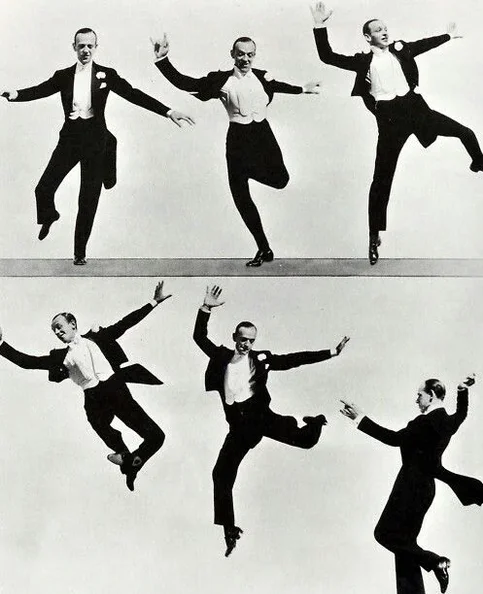
Fred Astaire was known for his meticulous attention to detail and his control over every aspect of his performances. He was a perfectionist who spent countless hours rehearsing and perfecting his dance routines. This level of control extended to his personal life as well, where he maintained a disciplined routine and a focused mindset. However, this control also meant that Astaire could be demanding and sometimes difficult to work with. Despite the challenges, his dedication to his craft and his ability to bring order to chaos on stage made him one of the most revered performers in the entertainment industry.
Emotional geography
Fred Astaire’s emotional landscape was marked by a deep love for dance and a relentless pursuit of excellence. His early experiences in vaudeville and Broadway shaped his emotional resilience and his ability to handle the pressures of fame. Despite the glitz and glamour of Hollywood, Astaire maintained a sense of groundedness and a commitment to his craft. His relationships, particularly with his sister Adele and his dance partner Ginger Rogers, played a significant role in his emotional well-being. Astaire’s emotional geography was a blend of passion, dedication, and a deep sense of purpose, which he carried with him throughout his life.
FAQs
-
Who was Fred Astaire’s dance partner in his early career?
Fred Astaire’s early dance partner was his sister, Adele Astaire. They began their vaudeville career together and later performed on Broadway before Adele retired.
-
What was Fred Astaire’s first film?
Fred Astaire’s first film was “Dancing Lady” in 1933, where he appeared alongside Joan Crawford.
-
How did Fred Astaire and Ginger Rogers meet?
Fred Astaire and Ginger Rogers first worked together in the 1933 film “Flying Down to Rio,” which marked the beginning of their legendary partnership.
-
What were some of Fred Astaire’s most famous films?
Some of Fred Astaire’s most famous films include “The Gay Divorcee” (1934), “Top Hat” (1935), “Swing Time” (1936), and “The Band Wagon” (1953).
-
Did Fred Astaire have any formal dance training?
Fred Astaire did not have formal dance training in the traditional sense. He learned to dance through his experiences in vaudeville and Broadway, where he constantly honed his skills.
-
What was Fred Astaire’s retirement from dancing?
Fred Astaire retired from dancing in 1950, citing a desire to focus on other aspects of his life. However, he continued to act in films and occasionally returned to the stage.
-
What was Fred Astaire’s relationship with his sister Adele?
Fred Astaire and his sister Adele had a close and supportive relationship. They were partners on stage and in life, and Fred was deeply affected by Adele’s decision to retire from performing.
-
What were Fred Astaire’s other talents besides dancing?
Besides dancing, Fred Astaire was an accomplished actor, singer, and choreographer. He also had a passion for golf and was a skilled golfer.
-
How did Fred Astaire influence the world of dance?
Fred Astaire revolutionized the world of dance by bringing a level of elegance, precision, and innovation to his performances. His style and technique influenced generations of dancers and choreographers.
-
What was Fred Astaire’s most notable achievement?
One of Fred Astaire’s most notable achievements was his partnership with Ginger Rogers, which produced some of the most iconic and beloved musicals in film history. Their chemistry and dance routines are still celebrated today.
-
What was Fred Astaire’s legacy?
Fred Astaire’s legacy is that of a pioneer and a perfectionist in the world of dance. He left an indelible mark on the entertainment industry and is remembered for his elegance, charm, and artistic brilliance.
-
What was Fred Astaire’s personal life like?
Fred Astaire was known for his private and disciplined personal life. He was married to Phyllis Potter from 1959 until his death in 1987, and they had two children. Despite his fame, he maintained a low-key lifestyle and focused on his family and his hobbies.
-
What was Fred Astaire’s impact on popular culture?
Fred Astaire’s impact on popular culture is immense. His films and performances continue to influence dancers, actors, and filmmakers worldwide. He is a cultural icon and a symbol of grace and talent in the entertainment industry.