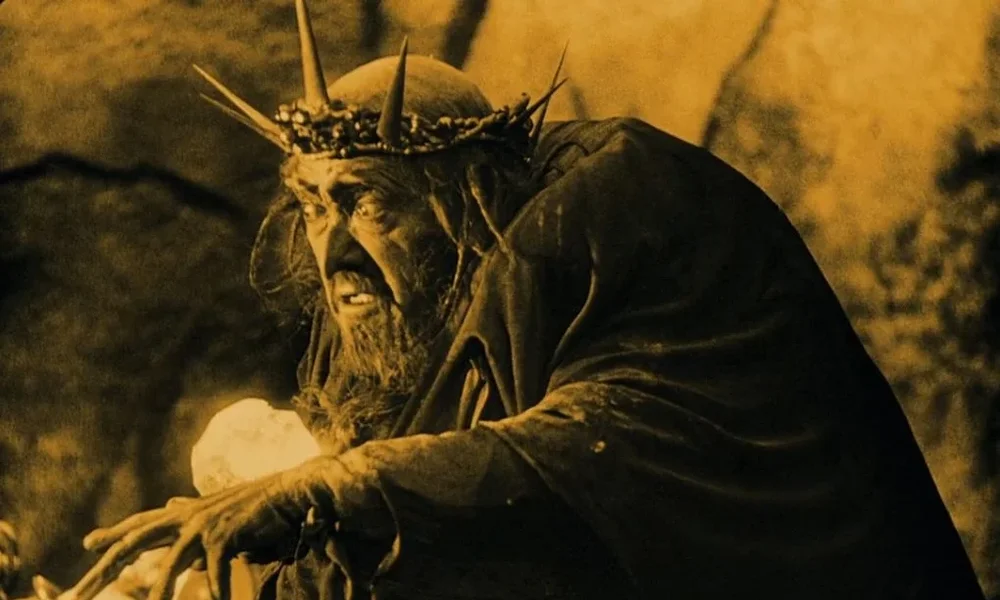
Fritz Lang, born Friedrich Christian Anton Lang on December 5, 1890, in Vienna, Austria, is a towering figure in the history of cinema. Known for his innovative and influential works, Lang is celebrated for his contributions to the German Expressionist movement and the development of film noir. His films, such as “Metropolis” and “M” have left an indelible mark on the art and craft of filmmaking. Lang’s life and career are a testament to his creativity, resilience, and visionary approach to storytelling. Despite the challenges he faced, including political turmoil and personal controversies, Lang’s legacy as a filmmaker remains unparalleled.
PERSONAL INFORMATION
| Name | Fritz Lang |
|---|---|
| Place of Birth | Vienna |
| Place of Death | Beverly Hills |
| Nationality | Germany, United States, Austria |
| Date of Birth | 05 December 1890 |
| Age at Death | 85 Years |
| Zodiac Sign | Sagittarius |
| Date of Death | 02 August 1976 |
| Languages Spoken | English, German |
| Native Name | Fritz Lang |
| Gender | Male |
| Religion | Christianity, Judaism |
| Native Language | English |
| Birth Name | Friedrich Christian Anton Lang |
FAMILY
| Spouse | Thea von Harbou, Lily Latté, Lisa Rosenthal |
|---|
EDUCATION
| Educated At | Königliche Kunstgewerbeschule München, TU Wien |
|---|
CAREER
| Profession | film director, screenwriter, actor, film editor, film actor, film producer, director, writer, producer, film screenwriter |
|---|---|
| Awards Received | German Film Award, Officer of Arts and Letters, Commander’s Cross of the Order of Merit of the Federal Republic of Germany, star on Hollywood Walk of Fame, Karl Troop Cross, The Life Career Award |
| Work Period Start | 1919 |
| Work Period End | 1960 |
| Notable Works | Metropolis, M, Destiny, Die Nibelungen, Dr. Mabuse the Gambler |
| Genre | Expressionism |
Cost of becoming
Fritz Lang’s journey to becoming one of the most influential directors in the history of cinema came with a steep price. Born into a well-to-do family, Lang’s early life was marked by privilege and education, but he faced significant personal and professional challenges. The cost of his artistic ambition included the loss of his first marriage, the strain of constant creative pressure, and the need to navigate the turbulent political landscapes of Germany and America. Despite these sacrifices, Lang’s unwavering commitment to his vision and his relentless pursuit of artistic excellence shaped him into a director whose influence continues to reverberate through the world of cinema.
Identity before fame
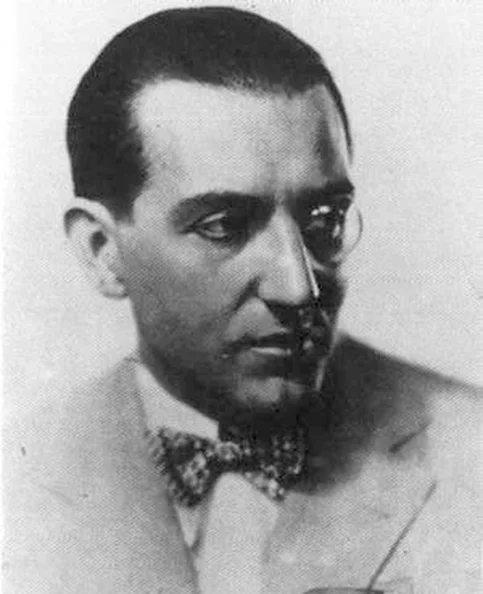
Before rising to fame, Fritz Lang was a young man with a keen interest in the arts. He studied architecture at the Technical University of Vienna, a decision influenced by his father’s wishes. However, Lang’s true passion lay in painting and drawing. He traveled extensively, immersing himself in the cultural landscapes of Europe and Asia, which greatly influenced his artistic sensibilities. These experiences provided him with a rich tapestry of visual and thematic elements that he would later incorporate into his films. It was during his travels that Lang began to envision the unique visual style that would define his work.
Production Houses Associated With Fritz Lang
| Production House | Number of Movies |
|---|---|
| Rome-Paris Films | 1 |
| Les Films Concordia | 1 |
| C. C. Champion | 1 |
| ZDF | 1 |
| LOOKSfilm | 1 |
| Friedrich Wilhelm Murnau Stiftung | 1 |
| ARTE | 1 |
| ORTF | 1 |
| SWR | 1 |
| May-Film | 1 |
Directors Fritz Lang Frequently Works With
| Director | Number of Movies |
|---|---|
| Jacques Rozier | 2 |
| Jean-Luc Godard | 1 |
| Rüdiger Suchsland | 1 |
| Erwin Leiser | 1 |
| André S. Labarthe | 1 |
| William Friedkin | 1 |
| Artem Demenok | 1 |
| Joe May | 1 |
| Fritz Lang | 1 |
| Alexander Kluge | 1 |
Movie Genres of Fritz Lang
| Genre | Number of Movies |
|---|---|
| Documentary | 13 |
| Drama | 4 |
| Romance | 1 |
| History | 1 |
| TV Movie | 1 |
Year-wise Movies of Fritz Lang
| Year | Number of Movies |
|---|---|
| 2025 | 1 |
| 2017 | 1 |
| 2015 | 1 |
| 2010 | 1 |
| 2004 | 1 |
| 1990 | 1 |
| 1989 | 1 |
| 1975 | 1 |
| 1968 | 1 |
| 1967 | 1 |
| 1964 | 3 |
| 1963 | 1 |
| 1924 | 1 |
| 1919 | 1 |
| 1917 | 1 |
timeline
- 1890: Fritz Lang is born in Vienna, Austria.
- 1912: Begins studying architecture at the Technical University of Vienna.
- 1914: Enlists in the Austrian army during World War I.
- 1918: Begins working in the German film industry as a writer and script editor.
- 1922: Directs his first film, “Halbblut” (Half-Blood).
- 1927: Releases “Metropolis,” a groundbreaking science fiction film.
- 1931: Directs “M,” a seminal work in the film noir genre.
- 1933: Leaves Germany for Paris due to the rise of the Nazi regime.
- 1934: Relocates to Hollywood, where he continues his film career.
- 1976: Fritz Lang dies in Beverly Hills, California.
Favourites
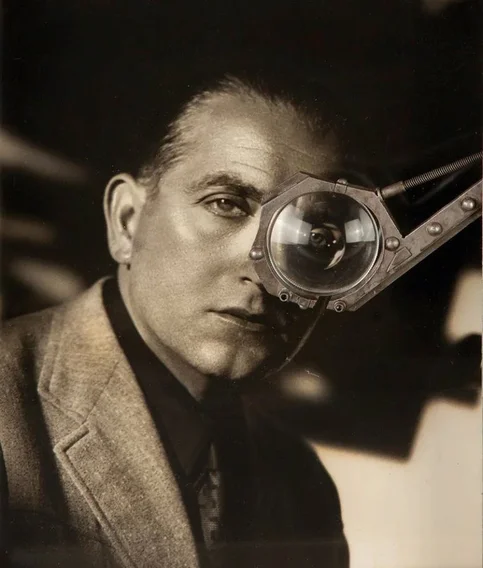
- Film: “Metropolis” (1927)
- Actor: Peter Lorre
- Genre: Film Noir
- City: Paris
- Period: The Weimar Republic
- Book: Various works of literature, particularly those with psychological depth
- Visual Style: German Expressionism
- Theme: The struggle between order and chaos
- Director: Erich von Stroheim
- Architectural Style: Art Deco
Controversies
- His relationship with the Nazi regime, particularly his alleged meeting with Joseph Goebbels.
- Accusations of plagiarism in his film “The Spiders” (1919-1920).
- Claims of his use of/Instruction of excessive discipline on set, leading to alleged mistreatment of actors.
- His decision to leave Germany in 1933, which was seen by some as a betrayal to his fellow German artists.
- His public feuds with other directors and producers in Hollywood.
- His marriage to actress Thea von Harbou, which ended in a contentious divorce.
- Allegations of his involvement in the production of films that were critical of the U.S. government during the McCarthy era.
- His handling of budget overruns and production delays on some of his films.
- His controversial decision to use real criminal elements in his film “You Only Live Once” (1937).
- His alleged use of Nazi propaganda techniques in his propaganda films.
Control vs chaos
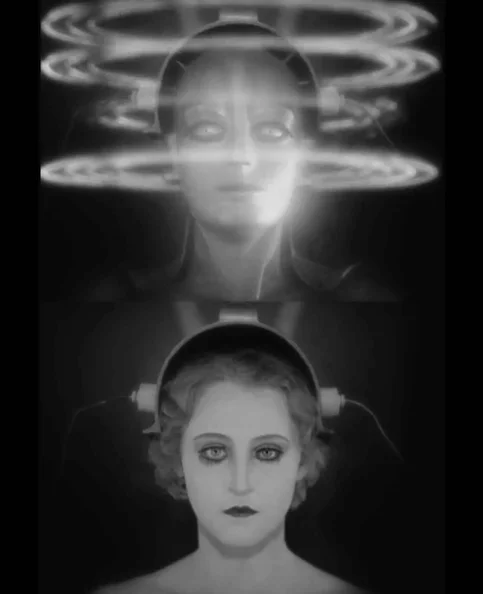
Fritz Lang’s films often explored the tension between control and chaos, a theme that reflected his personal experiences and philosophical beliefs. His work frequently depicted characters struggling to maintain order in a world teetering on the brink of collapse. This dichotomy is evident in films like “Metropolis,” where the rigid, hierarchical structure of the city is disrupted by the rise of a rebellious underclass. Lang’s fascination with this theme stemmed from his own life, where he navigated the turbulence of war, political upheaval, and personal challenges. His films serve as a commentary on the human condition, highlighting the eternal struggle between the desire for order and the inevitability of chaos.
Emotional geography
Fritz Lang’s films are deeply rooted in the emotional geography of his life and times. His experiences in Vienna, his travels through Europe, and his subsequent move to Hollywood all left an indelible mark on his work. The cityscapes of his films, particularly the dystopian metropolises of “Metropolis” and the noir streets of “M,” reflect the psychological landscapes of his characters. Lang’s films often delve into the inner turmoil of individuals, exploring their fears, desires, and contradictions. This emotional depth is a testament to Lang’s ability to transform his personal experiences into universal stories that resonate with audiences across generations.
FAQs
-
What is Fritz Lang most famous for?
Fritz Lang is most famous for his groundbreaking films such as “Metropolis” (1927) and “M” (1931), which are considered seminal works in the genres of science fiction and film noir, respectively.
-
What was Fritz Lang’s early life like?
Fritz Lang was born in Vienna to a well-to-do family. He studied architecture at the Technical University of Vienna but was more interested in painting and drawing. His early life was marked by extensive travel, which greatly influenced his artistic sensibilities.
-
How did Fritz Lang start his career in film?
Lang began his career in the German film industry as a writer and script editor. He worked on several films before directing his first film, “Halbblut” (Half-Blood), in 1922. His unique visual style and narrative prowess quickly set him apart from his contemporaries.
-
What was Fritz Lang’s relationship with the Nazi regime?
Lang’s relationship with the Nazi regime is a subject of controversy. He is alleged to have met with Joseph Goebbels and was offered the position of head of the German film industry, which he turned down. This, coupled with his departure from Germany in 1933, has led to numerous discussions and debates.
-
What are some of Fritz Lang’s most notable films?
Some of Fritz Lang’s most notable films include “Metropolis” (1927), “M” (1931), “Dr. Mabuse, the Gambler” (1922), “The Testament of Dr. Mabuse” (1933), and “The Big Heat” (1953). These films are celebrated for their innovative storytelling and visual style.
-
How did Fritz Lang’s move to Hollywood affect his career?
Fritz Lang’s move to Hollywood in 1934 marked a significant shift in his career. While he continued to make influential films, he faced the challenges of adapting to the American film industry. His work in Hollywood, including “You Only Live Once” (1937) and “The Big Heat” (1953), is considered some of his best, though it was often marked by creative friction with studio executives.
-
What is the significance of “Metropolis” in film history?
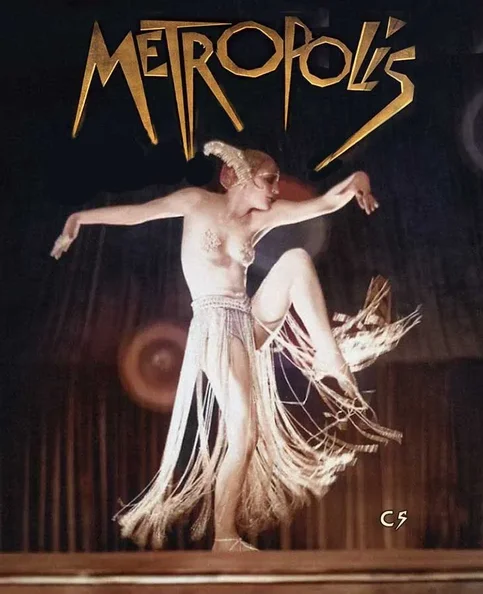
“Metropolis” is a seminal work in the history of science fiction cinema. Its groundbreaking special effects, intricate set designs, and exploration of themes such as technological progress and social hierarchy have made it a landmark film. It remains a powerful and influential work to this day.
-
What themes did Fritz Lang often explore in his films?
Fritz Lang frequently explored themes such as the struggle between order and chaos, the impact of technology on society, and the psychological depths of human nature. His films often delve into the darker aspects of human behavior and the complexities of human relationships.
-
How did Fritz Lang’s personal life influence his work?
Fritz Lang’s personal experiences, including his travels, his military service during World War I, and his experiences in Germany during the rise of the Nazi regime, deeply influenced his work. These experiences provided him with a rich tapestry of visual and thematic elements that he incorporated into his films.
-
What was Fritz Lang’s contribution to the film noir genre?
Fritz Lang is often credited with helping to define the film noir genre. His films, particularly “M” (1931) and “The Big Heat” (1953), are considered quintessential examples of the genre. His use of shadow, light, and psychological depth in these films set the standard for the noir aesthetic.
-
What is the legacy of Fritz Lang’s work?
Fritz Lang’s legacy is profound and enduring. His innovative techniques, storytelling, and thematic depth have influenced generations of filmmakers. His films continue to be studied and celebrated for their artistic and technical achievements, making him one of the most significant directors in the history of cinema.
-
How did Fritz Lang handle creative differences with actors and crew?
Fritz Lang was known for his exacting standards and strong vision, which sometimes led to creative differences with actors and crew. He was not afraid to push his cast and crew to achieve the best results, even if it meant confronting them. Despite these challenges, his films are a testament to his ability to bring his vision to life.
-
What were Fritz Lang’s views on the role of the director in filmmaking?
Fritz Lang believed that the director was the central creative force behind a film. He saw his role as not just directing actors and overseeing technical aspects but as the primary storyteller and visual artist. This perspective is evident in his meticulous attention to detail and his insistence on maintaining creative control over his projects.
-
What impact did World War I have on Fritz Lang’s life and work?
World War I had a profound impact on Fritz Lang’s life and work. His experiences during the war, including being wounded, exposed him to the harsh realities of violence and chaos. These experiences influenced his films, particularly his exploration of themes such as conflict, trauma, and the human capacity for both good and evil.
Fritz Lang’s life and career are a testament to the power of artistic vision and the enduring impact of cinema. His films continue to resonate with audiences, inspiring new generations of filmmakers and film enthusiasts. Despite the challenges and controversies that marked his life, Lang’s contributions to the art of filmmaking are undeniable. His legacy as a visionary director and storyteller ensures that his work will continue to be celebrated and studied for years to come.