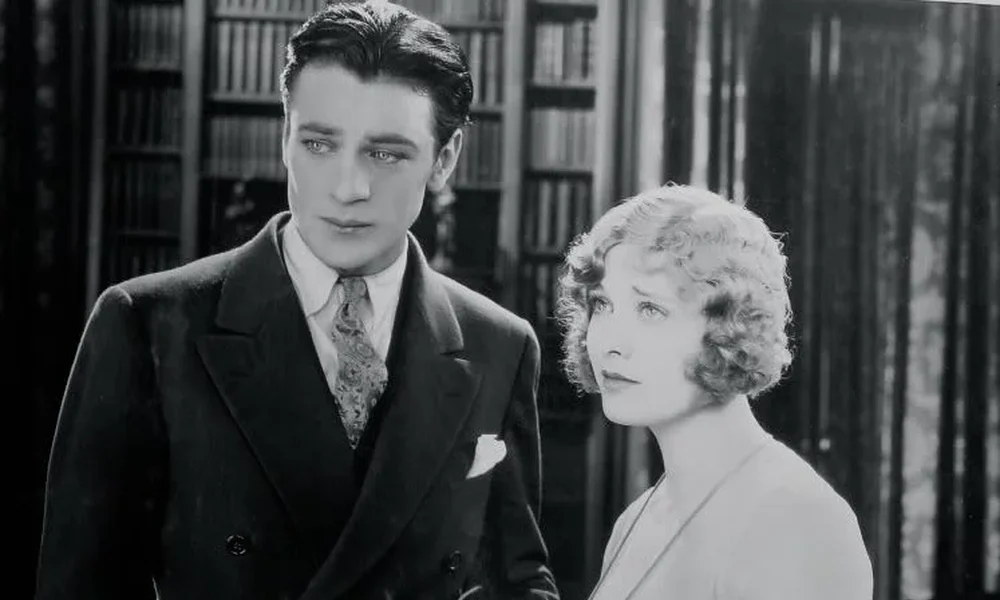
Gary Cooper, born Frank James Cooper on May 7, 1899, in Helena, Montana, is an iconic figure in the history of American cinema. Known for his rugged charm, understated acting style, and a career that spanned four decades, Cooper became one of the most recognizable and revered actors of his time. His performances in films such as “High Noon” and “Mr. Deeds Goes to Town” cemented his status as a Hollywood legend. Despite his immense success, Cooper remained a private individual, often shunning the spotlight in favor of a more reserved lifestyle. His life and career offer a fascinating glimpse into the golden age of Hollywood and the personal qualities that made him a enduring symbol of American masculinity.
PERSONAL INFORMATION
| Name | Gary Cooper |
|---|---|
| Place of Birth | Helena |
| Place of Death | Beverly Hills |
| Nationality | United States |
| Date of Birth | 07 May 1901 |
| Age at Death | 60 Years |
| Zodiac Sign | Taurus |
| Date of Death | 13 May 1961 |
| Languages Spoken | English |
| Signature |  |
| Native Name | Gary Cooper |
| Religion | Catholic Church, Anglicanism |
| Gender | Male |
| Native Language | English |
| Birth Name | Frank James Cooper |
PHYSICAL STATISTICS
| Height (in centimeters) | 191 cm |
|---|---|
| Height (in meters) | 1.91 m |
| Height (in feet inches) | 6′ 3″ |
FAMILY
| Father | Charles Henry Cooper |
|---|---|
| Mother | Alice Cooper |
| Spouse | Veronica Cooper |
| Children | Maria Cooper Janis |
EDUCATION
| Educated At | Grinnell College, Helena High School, Gallatin County High School |
|---|
CAREER
| Profession | film actor, screenwriter, television actor, actor, stunt performer, film producer |
|---|---|
| Nominations | Academy Award for Best Actor, Academy Award for Best Actor, Academy Award for Best Actor, Academy Award for Best Actor, Academy Award for Best Actor |
| Awards Received | Academy Award for Best Actor, Academy Award for Best Actor, Academy Honorary Award, Golden Globe Award for Best Actor – Motion Picture Drama, star on Hollywood Walk of Fame |
| Work Period Start | 1925 |
| Work Period End | 1961 |
SOCIAL MEDIA & LINKS
| IMDB ID | nm0000011 |
|---|---|
| Official Website | https://www.garycooper.com |
| @gary_cooper_official | |
| Wikipedia | Wikipedia |
Cost of becoming
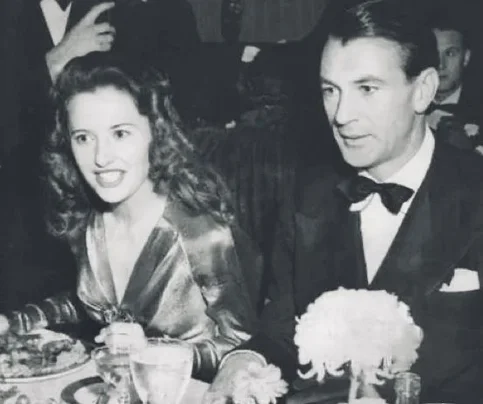
Becoming an iconic actor like Gary Cooper was not without its challenges and sacrifices. Cooper’s journey from Montana to Hollywood was marked by a series of pivotal decisions and relentless dedication. He left his family ranch to pursue acting, a decision that required him to leave behind the familiarity and comfort of his rural upbringing. His early years in Hollywood were filled with auditions and minor roles, and he often struggled financially. However, his persistence and talent eventually paid off, leading to major roles that catapulted him to stardom. The cost of fame included the pressure to maintain his image and the personal sacrifices required to stay at the top of the industry.
Identity before fame
Before he became a Hollywood star, Gary Cooper was a rancher’s son from Montana. Born as Frank James Cooper, he grew up on his family’s ranch, where he learned the values of hard work and resilience. His early years were marked by a strong connection to nature and a love for the outdoors. Cooper’s experiences on the ranch shaped his rugged demeanor and provided him with a sense of self that would later be celebrated on screen. Despite his eventual fame, Cooper never forgot his roots and often spoke fondly of his Montana upbringing, which remained a significant part of his identity.
Production Houses Associated With Gary Cooper
| Production House | Number of Movies |
|---|---|
| Paramount Pictures | 11 |
| Warner Bros. Pictures | 5 |
| Samuel Goldwyn Productions | 3 |
| Stanley Kramer Productions | 1 |
| Film Shows Inc. | 1 |
| Wombat Productions | 1 |
| Janson Media | 1 |
| Columbia Pictures | 1 |
| Howard Productions | 1 |
| Frank Capra Productions | 1 |
Directors Gary Cooper Frequently Works With
| Director | Number of Movies |
|---|---|
| Henry Hathaway | 3 |
| King Vidor | 2 |
| Frank Capra | 2 |
| William A. Wellman | 2 |
| William Wyler | 2 |
| Delmer Daves | 2 |
| Fred Zinnemann | 1 |
| Gene Feldman | 1 |
| Frank Borzage | 1 |
| Ernst Lubitsch | 1 |
Movie Genres of Gary Cooper
| Genre | Number of Movies |
|---|---|
| Drama | 57 |
| Romance | 47 |
| Documentary | 39 |
| Western | 37 |
| Comedy | 37 |
| War | 23 |
| Adventure | 17 |
| History | 10 |
| Action | 10 |
| Music | 9 |
Year-wise Movies of Gary Cooper
| Year | Number of Movies |
|---|---|
| 2004 | 1 |
| 2003 | 1 |
| 2001 | 1 |
| 1999 | 1 |
| 1998 | 1 |
| 1997 | 2 |
| 1996 | 1 |
| 1992 | 1 |
| 1991 | 2 |
| 1989 | 1 |
| 1988 | 1 |
| 1987 | 1 |
| 1986 | 1 |
| 1985 | 1 |
| 1984 | 1 |
Timeline
- May 7, 1899: Gary Cooper is born in Helena, Montana, as Frank James Cooper.
- 1925: Cooper moves to Hollywood to pursue an acting career, securing his first significant role in the silent film “The Thundering Herd.”
- 1929: His career takes off with a starring role in the film “The Virginian.”
- 1939: Cooper wins his first Academy Award for Best Actor for his performance in “Mr. Deeds Goes to Town.”
- 1941: He plays the lead role in “Sergeant York,” a biographical film about World War I hero Alvin York, which is a critical and commercial success.
- 1952: Cooper wins his second Academy Award for Best Actor for his performance in “High Noon.”
- 1955: He stars in “Love in the Afternoon,” a romantic comedy that showcases his versatility as an actor.
- 1960: Cooper is diagnosed with prostate cancer, which would eventually lead to his death.
- 1961: He receives an Honorary Academy Award for “his memorable films and unique personality.”
- May 13, 1961: Gary Cooper dies in Los Angeles, California, at the age of 60.
Favourites
- Favorite Film: “High Noon” (1952)
- Favorite Role: Will Kane in “High Noon” (1952)
- Favorite Director: Frank Capra (“Mr. Deeds Goes to Town,” “Meet John Doe”)
- Favorite Genre: Western films
- Favorite Actor to Work With: Jean Arthur
- Favorite Hobby: Golf
- Favorite Place to Escape: His ranch in Montana
- Favorite Sport: Hunting
- Favorite Food: Montana steak
- Favorite Book: “The Great Gatsby” by F. Scott Fitzgerald
Controversies
- Support for Senator Joseph McCarthy: Cooper was a vocal supporter of Senator Joseph McCarthy during the Red Scare, which led to criticism from some in the film industry.
- Conservative Political Views: His conservative political views sometimes put him at odds with more liberal colleagues and critics.
- Allegations of Racial Insensitivity: Some of his early films, particularly Westerns, have been criticized for their portrayal of Native Americans.
- Private Life: Cooper’s affairs with various actresses, including Merle Oberon and Patricia Neal, were often the subject of gossip and tabloid scrutiny.
- Reluctance to Discuss Personal Matters: His tendency to remain private about his personal life sometimes led to speculation and rumors.
- Allegations of Misogyny: Some of his on-screen portrayals of men in relationships with women have been interpreted as reinforcing harmful gender stereotypes.
- Critical Reception of “High Noon”: The film “High Noon” was initially criticized by some for its portrayal of a lone hero standing against a town that refuses to help him, but it has since been reevaluated and celebrated.
- Stance on the Vietnam War: Cooper’s support for the Vietnam War was controversial and led to criticism from those who opposed the conflict.
- Allegations of Anti-Semitism: Some have alleged that Cooper held anti-Semitic views, though these claims are not substantiated by concrete evidence.
- Conflict with Elia Kazan: Cooper’s friendship with Elia Kazan was strained when Kazan named names during the HUAC hearings, leading to a falling out between the two.
Control vs Chaos
Gary Cooper’s life and career were marked by a delicate balance between control and chaos. On one hand, he was a consummate professional who meticulously prepared for his roles and maintained a strong public image. His disciplined approach to acting and his commitment to excellence in his craft were hallmarks of his success. On the other hand, his private life was often characterized by moments of chaos, from his affairs with various actresses to his struggles with his health. Despite these personal challenges, Cooper maintained a sense of control, often using his quiet demeanor and understated charm to navigate the tumultuous waters of Hollywood. This balance between control and chaos allowed him to remain a beloved and respected figure in the industry, even in the face of adversity.
Emotional Geography
Gary Cooper’s emotional geography was deeply rooted in his Montana upbringing and the values he learned on his family’s ranch. His connection to the land and the open spaces of the American West influenced his approach to life and work. Despite the glitz and glamour of Hollywood, Cooper never lost his sense of simplicity and groundedness. He found solace in the natural world and often retreated to his ranch to reconnect with his roots. This emotional connection to his early life provided a sense of stability and perspective that he carried throughout his career. His performances on screen often reflected this emotional depth, allowing audiences to see a more authentic and relatable side of him.
FAQs
-
What was Gary Cooper’s real name?
Gary Cooper’s real name was Frank James Cooper. He changed his name to Gary Cooper when he began his acting career in Hollywood.
-
Where was Gary Cooper born?
Gary Cooper was born in Helena, Montana, on May 7, 1899.
-
How did Gary Cooper get his start in acting?
Gary Cooper moved to Hollywood in 1925 to pursue an acting career. He secured his first significant role in the silent film “The Thundering Herd,” which marked the beginning of his journey to stardom.
-
What are some of Gary Cooper’s most famous films?
Gary Cooper is renowned for his performances in films such as “High Noon,” “Mr. Deeds Goes to Town,” “Sergeant York,” and “Love in the Afternoon.” These roles solidified his status as a Hollywood icon.
-
Did Gary Cooper win any Academy Awards?
Yes, Gary Cooper won two Academy Awards for Best Actor. He received his first Oscar for “Mr. Deeds Goes to Town” in 1939 and his second for “High Noon” in 1952. He also received an Honorary Academy Award in 1961.
-
What was Gary Cooper’s political stance?
Gary Cooper was known for his conservative political views. He was a vocal supporter of Senator Joseph McCarthy during the Red Scare and generally supported conservative policies and candidates.
-
Did Gary Cooper have any notable personal relationships?
Yes, Gary Cooper had several notable personal relationships. He was married to Veronica Balfe from 1933 to 1961. He also had affairs with actresses such as Merle Oberon and Patricia Neal, which were the subject of much gossip and speculation.
-
What kind of hobbies did Gary Cooper have?
Gary Cooper was an avid golfer and hunter. He also enjoyed spending time on his ranch in Montana, where he could escape the pressures of Hollywood and reconnect with his roots.
-
How did Gary Cooper’s Montana upbringing influence his acting career?
Gary Cooper’s upbringing on a ranch in Montana instilled in him a sense of rugged individualism and a deep appreciation for the natural world. These qualities were often reflected in his performances, particularly in Western films, where he could draw on his personal experiences and values.
-
What was Gary Cooper’s approach to his roles?
Gary Cooper was known for his meticulous preparation for his roles. He would often spend time studying the characters he portrayed and working closely with directors to ensure his performances were authentic and nuanced. His dedication to his craft was a key factor in his success.
-
How did Gary Cooper handle fame and the spotlight?
Despite his immense fame, Gary Cooper maintained a relatively private life. He preferred to keep his personal matters out of the public eye and often retreated to his ranch in Montana to find solace and recharge. This approach to fame helped him maintain a balanced and grounded perspective.
-
What were some of the challenges Gary Cooper faced in his career?
Gary Cooper faced several challenges in his career, including early struggles in Hollywood, controversies surrounding his political views, and health issues later in life. However, his resilience and dedication to his craft helped him overcome these challenges and achieve great success.
-
How is Gary Cooper remembered today?
Gary Cooper is remembered as one of the greatest actors of the 20th century. His contributions to cinema, particularly in the Western genre, have left a lasting legacy. He is celebrated for his dignified performances, his impact on American film, and his enduring influence on the entertainment industry.