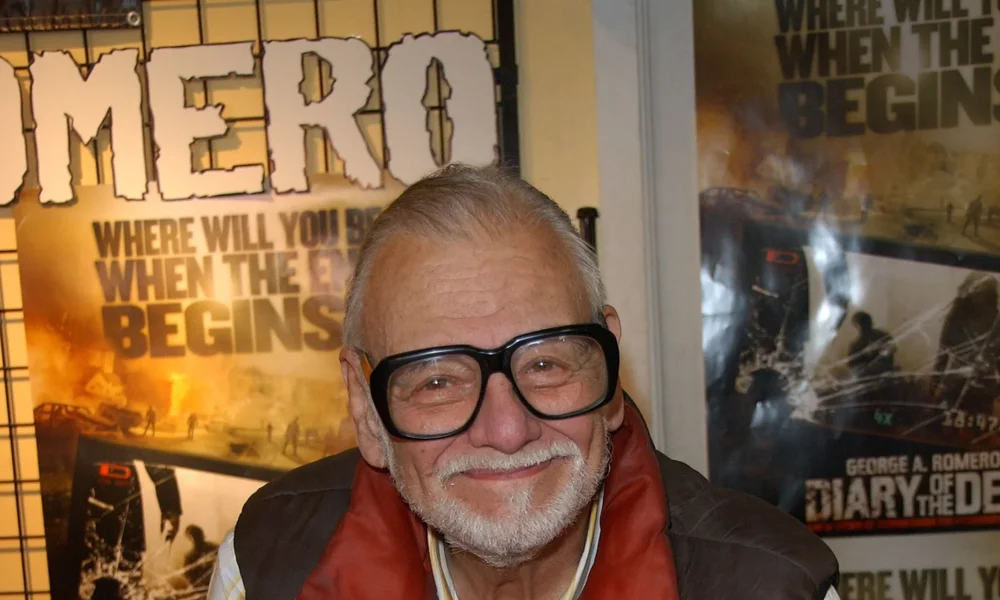
George A. Romero, often hailed as the master of the modern zombie film, is a name that resonates with horror enthusiasts worldwide. Born on February 4, 1940, in the Bronx, New York, Romero left an indelible mark on the film industry with his groundbreaking work. His most famous creation, Night of the Living Dead (1968), not only revolutionized the horror genre but also explored deeper social and political themes. Throughout his career, Romero directed and produced numerous films, each contributing to his status as a visionary filmmaker. His influential body of work continues to inspire generations of filmmakers and fans alike, cementing his legacy as a pioneer in the horror genre.
PERSONAL INFORMATION
| Name | George A. Romero |
|---|---|
| Nationality | United States, Canada |
| Place of Birth | New York City, The Bronx |
| Date of Birth | 04 February 1940 |
| Age at Death | 77 Years |
| Zodiac Sign | Aquarius |
| Date of Death | 16 July 2017 |
| Place of Death | Toronto |
| Languages Spoken | English |
| Gender | Male |
| Native Language | English |
| Ethnicity | Galicians, Lithuanians |
PHYSICAL STATISTICS
| Height (in centimeters) | 194 cm |
|---|---|
| Height (in meters) | 1.94 m |
| Height (in feet inches) | 6′ 4″ |
FAMILY
| Children | George C. Romero, Tina Romero |
|---|---|
| Spouse | Nancy Romero, Christine Forrest |
EDUCATION
| Educated At | Carnegie Mellon University, Monsignor Scanlan High School |
|---|
CAREER
| Profession | film director, film producer, screenwriter, film editor, actor, film actor, voice actor, television actor, director, writer, film screenwriter |
|---|---|
| Work Period Start | 1960 |
| Awards Received | star on Hollywood Walk of Fame, Sitges Film Festival Best Director award, Sitges Film Festival Best Screenplay award, Sitges Grand Honorary Award, Bram Stoker Award for Lifetime Achievement |
| Work Period End | 2017 |
| Field of Work | film, film direction, film screenwriting, horror film |
| Genre | horror film, gothic film, psychological horror film, thriller film, gothic horror film, drama film, science fiction horror film, mystery film, psychological thriller film, action film, science fiction film, documentary film, comedy film, comedy horror film, fantasy film, adventure film, romance film, film noir |
SOCIAL MEDIA & LINKS
| IMDB ID | nm0001681 |
|---|---|
| @georgearomero | |
| george.a.romero.92 | |
| Wikipedia | Wikipedia |
Cost of becoming
The path to becoming George A. Romero was not an easy one. Despite his eventual success, Romero faced numerous challenges and obstacles. He began his career in the industry by working on commercials and industrial films, which provided him with the practical skills and experience he needed. However, these early jobs were often low-paying and far from glamorous. Romero’s determination and passion for storytelling drove him to invest his own savings and even mortgage his home to fund the production of Night of the Living Dead. This financial risk paid off, but it came at a personal cost. The intense focus and dedication required to bring his vision to life often strained his personal relationships. Nevertheless, Romero’s unwavering commitment to his craft ultimately led to his recognition as a pioneering filmmaker.
Identity before fame
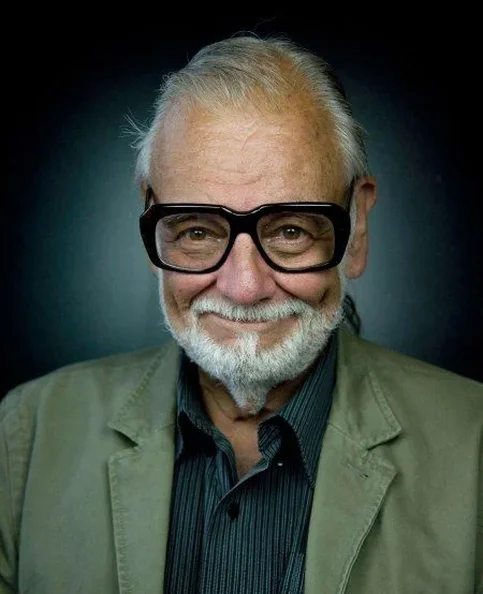
Before achieving fame, George A. Romero was a relatively unknown figure in the film industry. He grew up in the Bronx, New York, and developed a deep love for cinema from a young age. Romero attended Carnegie Institute of Technology (now Carnegie Mellon University) in Pittsburgh, where he studied drama. After graduation, he co-founded Image Ten Productions with fellow filmmaker John Russo, which produced commercials and short films. These early projects allowed Romero to hone his skills and build a network of collaborators. Despite the financial struggles and limited resources, Romero’s creative vision and innovative storytelling began to gain attention within the indie film community. It was this period of struggle and growth that laid the foundation for his future success.
Production Houses Associated With George A Romero
| Production House | Number of Movies |
|---|---|
| Laurel Entertainment | 3 |
| Orion Pictures | 1 |
| Strong Heart | 1 |
| A Luta Continua | 1 |
| Image Ten | 1 |
| Braddock Associates | 1 |
| Películas Zapruder | 1 |
| Stuart Samuels Productions | 1 |
| Lux Digital Pictures | 1 |
| Sorcery Films | 1 |
Directors George A Romero Frequently Works With
| Director | Number of Movies |
|---|---|
| George A. Romero | 5 |
| Michael Felsher | 2 |
| Donna Davies | 2 |
| Perry Martin | 2 |
| Jonathan Demme | 1 |
| Pablo Schembri | 1 |
| John A. Russo | 1 |
| Stuart Samuels | 1 |
| Andrew Monument | 1 |
| Kevin VanHook | 1 |
Movie Genres of George A Romero
| Genre | Number of Movies |
|---|---|
| Documentary | 50 |
| Horror | 28 |
| Drama | 6 |
| Thriller | 5 |
| Science Fiction | 5 |
| Mystery | 2 |
| Comedy | 2 |
| Crime | 1 |
| Animation | 1 |
| TV Movie | 1 |
Year-wise Movies of George A Romero
| Year | Number of Movies |
|---|---|
| 2021 | 2 |
| 2020 | 2 |
| 2019 | 1 |
| 2017 | 1 |
| 2016 | 1 |
| 2015 | 2 |
| 2014 | 5 |
| 2013 | 3 |
| 2011 | 3 |
| 2010 | 3 |
| 2009 | 3 |
| 2008 | 4 |
| 2007 | 2 |
| 2006 | 1 |
| 2005 | 8 |
Timeline
- 1940: George A. Romero is born on February 4 in the Bronx, New York.
- 1960: Romero graduates from Carnegie Institute of Technology with a degree in drama.
- 1962: Romero co-founds Image Ten Productions with John Russo, producing commercials and industrial films.
- 1968: Romero directs and produces Night of the Living Dead, which becomes a cult classic and launches the modern zombie genre.
- 1973: Romero releases The Crazies, a science fiction horror film that explores the theme of societal collapse.
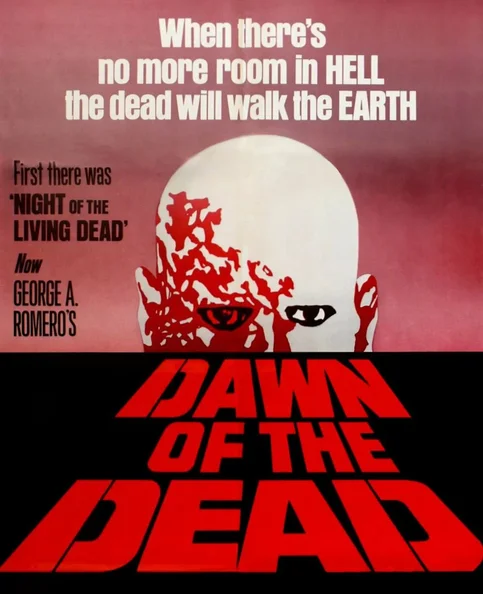
- 1978: Romero collaborates with Stephen King to direct Dawn of the Dead, which cements his reputation as a horror icon.
- 1979: Romero directs Monkey Shines, a controversial film about a killer chimpanzee.
- 1985: Romero releases Day of the Dead, the third installment in his Living Dead series.
- 1990: Romero directs Two Evil Eyes, an anthology film based on two short stories by Edgar Allan Poe.
- 2005: Romero returns to the zombie genre with Land of the Dead, which explores the themes of class struggle and corporate greed.
Favourites
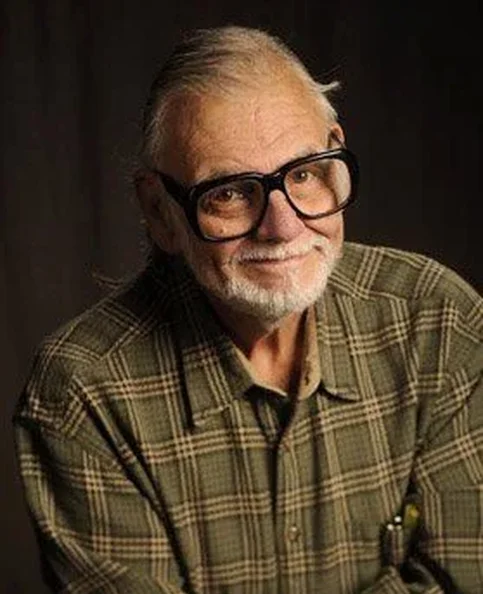
- Favorite Film: Night of the Living Dead
- Favorite Director: Ingmar Bergman
- Favorite Actor: Martin Sheen
- Favorite Actress: Shelley Duvall
- Favorite Genre: Horror
- Favorite Book: The Outsider by Albert Camus
- Favorite Music Genre: Rock and Roll
- Favorite Actor to Work With: Ken Foree
- Favorite Filming Location: Pittsburgh, Pennsylvania
- Favorite Film Score: The soundtrack of The Crazies
Controversies
- Graphic Violence in Night of the Living Dead: The film’s graphic violence and racial themes were highly controversial upon its release.
- Split with John Russo: Romero’s partnership with John Russo, his longtime collaborator and co-creator of Night of the Living Dead, ended acrimoniously.
- Criticism of Monkey Shines: The film’s portrayal of a killer chimpanzee was criticized by animal rights activists.
- Reception of Land of the Dead: Some critics felt that the film’s political themes overshadowed its horror elements.
- Disagreements with Producers: Romero often clashed with producers and studios over creative control, leading to several projects being shelved or heavily edited.
- Homage vs. Rip-off Debate: Romero was sometimes accused of inspiring too many derivative works, with some fans feeling that his influence had been diluted.
- Personal Life Issues: Romero’s personal life, including his marriages and relationships, occasionally attracted media scrutiny.
- Reception of Later Films: Some of Romero’s later films, such as Surviving the Apocalypse, received mixed reviews and were not as well-received as his earlier work.
- Criticisms of Political Stances: Romero’s outspoken views on political and social issues sometimes drew criticism from viewers and critics.
- Legal Disputes: Romero was involved in several legal disputes over the rights to his films and characters, including the rights to the Living Dead franchise.
Control vs chaos
Throughout his career, George A. Romero masterfully balanced the themes of control and chaos in his films. His narratives often explored the breakdown of societal order and the struggle for power in the face of existential threats. In Night of the Living Dead, the escalation of chaos within the confines of a besieged farmhouse reflects the broader societal turmoil of the 1960s. Romero’s later works, such as Dawn of the Dead and Land of the Dead, delved deeper into the dynamics of control and rebellion, highlighting the tension between authoritarian structures and the anarchic instincts of human nature. This duality not only added depth to his storytelling but also resonated with audiences, making his films timeless and relevant.
Emotional geography
The emotional landscape of George A. Romero’s work is both vast and intricate. His films often evoke a sense of dread and unease, rooted in the fear of the unknown and the collapse of societal norms. However, they also explore themes of hope, resilience, and the human spirit’s capacity to endure. Romero’s settings, particularly the gritty urban landscapes of Pittsburgh, serve as a backdrop for the emotional struggles of his characters. The city, with its industrial decay and claustrophobic environments, reflects the internal turmoil and external threats faced by the protagonists. This emotional geography adds a layer of realism and depth to his narratives, making them more than just horror stories but profound explorations of the human condition.
FAQs
-
What is George A. Romero best known for?
George A. Romero is best known for directing Night of the Living Dead (1968), which launched the modern zombie genre. His subsequent films, including Dawn of the Dead (1978) and Day of the Dead (1985), further cemented his reputation as a horror icon.
-
Where was George A. Romero born?
George A. Romero was born on February 4, 1940, in the Bronx, New York.
-
What was Romero’s first major film?
Romero’s first major film was Night of the Living Dead (1968), which he directed and produced. This film is considered a landmark in the horror genre.
-
How did Romero fund the production of Night of the Living Dead?
Romero funded the production of Night of the Living Dead by mortgaging his home and investing his own savings. This financial risk paid off, leading to the film’s success.
-
What other genres did Romero work in besides horror?
Romero worked in other genres as well, including science fiction (as in The Crazies ) and thriller (as in Monkey Shines ). However, his most notable work is in the horror genre.
-
What themes did Romero often explore in his films?
Romero frequently explored themes of societal collapse, class struggle, and the human condition. His films often used horror as a lens to comment on broader social and political issues.
-
How did Romero’s films influence the horror genre?
Romero’s films, particularly the Living Dead series, revolutionized the horror genre by introducing new storytelling techniques, intense visuals, and deeper thematic explorations. His work has inspired countless filmmakers and continues to influence the genre today.
-
What was Romero’s relationship with Pittsburgh, Pennsylvania?
Pittsburgh was a significant location for Romero’s work. He often set his films in and around the city, and the urban decay of Pittsburgh provided a fitting backdrop for his narratives. Many of his films, including Night of the Living Dead and Creepshow , were shot in the Pittsburgh area.
-
What controversies did Romero face during his career?
Romero faced several controversies, including criticism for the graphic violence in Night of the Living Dead , legal disputes over the rights to his films, and disagreements with producers over creative control. His work often pushed boundaries and sparked debates about the role of horror in media.
-
Did Romero have a favorite film he directed?
While Romero directed many iconic films, he often expressed a particular fondness for Night of the Living Dead . This film was not only his breakthrough but also a personal project that he poured his heart into.
-
What was Romero’s legacy in the film industry?
Romero’s legacy is marked by his pioneering work in the horror genre and his influence on subsequent filmmakers. His films are celebrated for their innovation, social commentary, and lasting impact on popular culture. He is remembered as a visionary who pushed the boundaries of horror and storytelling.
-
How did Romero’s personal life influence his work?
Romero’s personal experiences and worldview often influenced his films. His struggles and triumphs, as well as his observations of societal issues, are reflected in the themes and narratives of his work. His commitment to his craft and his willingness to take risks are evident throughout his career.
-
What was Romero’s approach to directing?
Romero was known for his collaborative approach to directing. He worked closely with his actors and crew to bring out the best in each scene. He was also hands-on with every aspect of production, from writing and editing to cinematography and sound design. His meticulous attention to detail and his ability to create immersive worlds were hallmarks of his directing style.
-
What are some of Romero’s lesser-known works?
While Romero is best known for his zombie films, he directed several other notable works. These include The Crazies (1973), a science fiction horror film about a viral outbreak, and Creepshow (1982), an anthology film based on stories by Stephen King. These films showcase Romero’s versatility and his ability to craft compelling narratives in various subgenres.