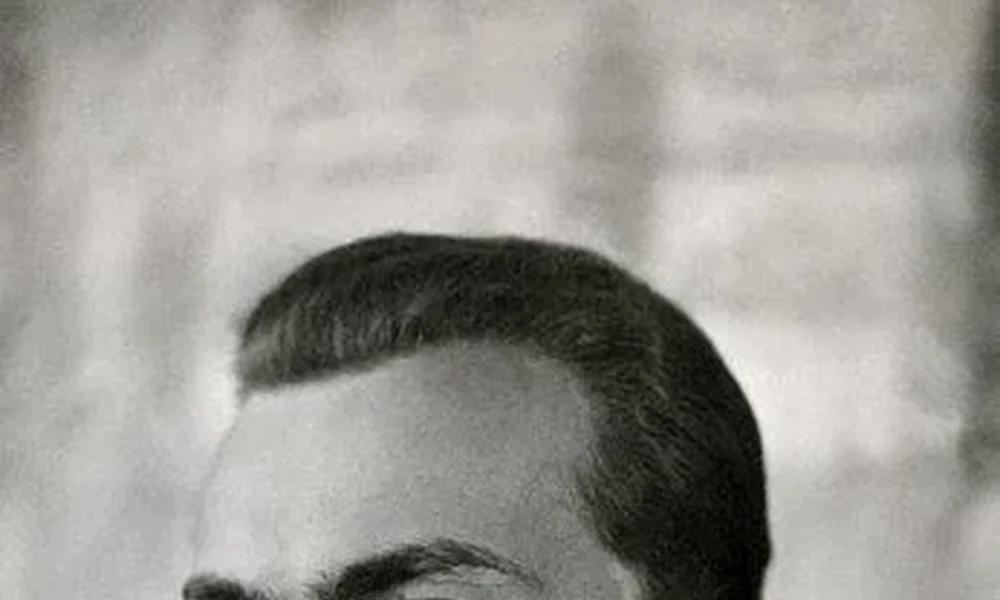
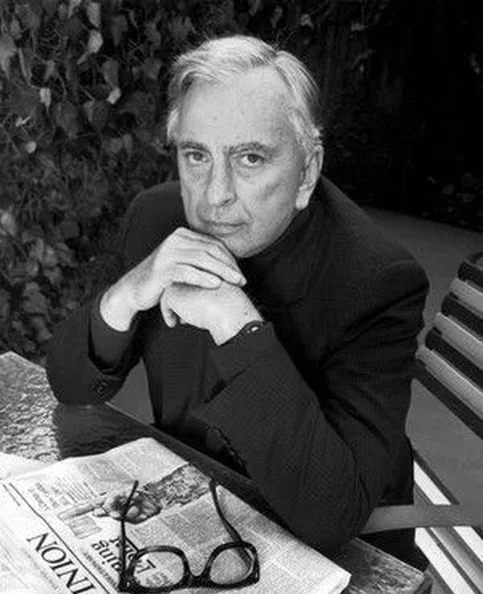
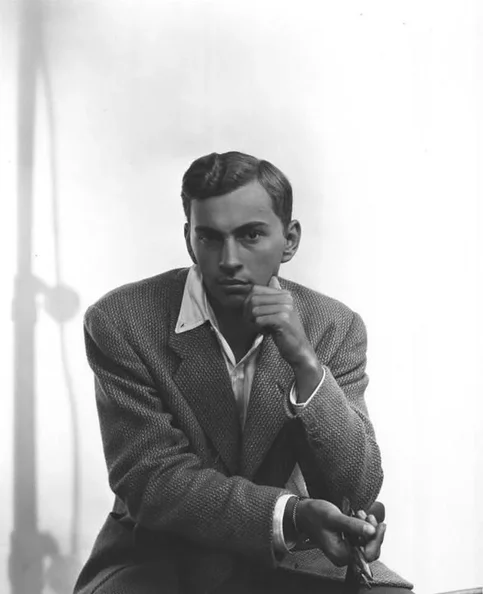
Gore Vidal, an American writer, essayist, and social critic, is a towering figure in 20th-century literature. Born Eugene Luther Gore Vidal on October 3, 1925, he was known for his sharp wit, controversial opinions, and a prolific body of work that spanned novels, plays, essays, and screenplays. Vidal’s intelligence and eloquence made him a prominent voice in cultural and political discourse, often challenging the status quo and sparking intense debates. His life was a testament to his intellectual prowess and his unwavering commitment to free thought and individualism.
PERSONAL INFORMATION
| Name | Gore Vidal |
|---|---|
| Gender | Male |
| Date of Birth | 03 October 1925 |
| Age at Death | 86 Years |
| Zodiac Sign | Libra |
| Date of Death | 31 July 2012 |
| Place of Birth | West Point |
| Place of Death | Hollywood Hills |
| Nationality | United States |
| Religion | atheism |
| Languages Spoken | English |
| Native Name | Gore Vidal |
| Native Language | English |
FAMILY
| Father | Eugene Luther Vidal |
|---|---|
| Mother | Nina S. Gore |
| Partner | Howard Austen |
| Siblings | Nina Auchincloss Straight |
EDUCATION
| Educated At | Phillips Exeter Academy, Sidwell Friends School, St. Albans School |
|---|
CAREER
| Profession | playwright, actor, screenwriter, novelist, essayist, writer, literary critic, non-fiction writer, science fiction writer, politician, journalist, prose writer, opinion journalist, author |
|---|---|
| Awards Received | National Book Award, Edgar Awards, Chevalier des Arts et des Lettres, National Book Award, National Book Critics Circle Award in Criticism |
| Member Of | American Academy of Arts and Letters, Writers Guild of America West |
| Genre | drama fiction, essay |
| Notable Works | Myra Breckinridge |
| Work Period Start | 1946 |
| Nominations | Locus Award for Best Novel, Nebula Award for Best Novel, Tony Award for Best Play |
Cost of becoming
The journey to becoming Gore Vidal was not without its challenges and sacrifices. Born into a family with political and military ties, Vidal’s early life was marked by a sense of duty and expectation. His father, Eugene Luther Vidal Sr., was a pioneering aviator and sports administrator, which instilled in Vidal a sense of ambition and discipline. However, it was Vidal’s own intellectual curiosity and rebellious spirit that ultimately shaped his path. He faced criticism and ostracism for his outspoken views on sexuality, religion, and politics, but he never wavered in his commitment to expressing his thoughts and beliefs. The cost of becoming Gore Vidal was a life of constant intellectual engagement and a willingness to face the consequences of his words and actions.
Identity before fame
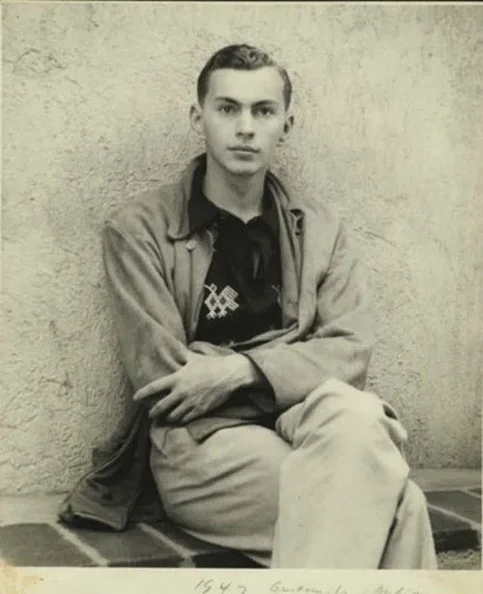
Before Gore Vidal became a household name, he was a young man with a deep-seated desire to understand the world around him. Growing up in Washington, D.C., he was exposed to political and social issues from an early age. His experiences at St. Albans School and the University of Wyoming, where he briefly attended, shaped his critical thinking and writing skills. Vidal’s identity was also influenced by his relationship with his grandmother, Nina Gore, who played a significant role in his early education. Her influence instilled in him a love for literature and a critical perspective on American society. Before he achieved fame, Vidal was a curious and ambitious individual with a strong sense of self and a passion for writing.
Production Houses Associated With Gore Vidal
| Production House | Number of Movies |
|---|---|
| Columbia Pictures | 2 |
| ARTE | 2 |
| Jersey Films | 1 |
| PolyGram Filmed Entertainment | 1 |
| Working Title Films | 1 |
| Baltimore Pictures | 1 |
| Live Entertainment | 1 |
| Miramax | 1 |
| Perfect Day Films | 1 |
| Telemaco | 1 |
Directors Gore Vidal Frequently Works With
| Director | Number of Movies |
|---|---|
| Andrew Niccol | 1 |
| Tim Robbins | 1 |
| Timothy Greenfield-Sanders | 1 |
| Francesco Trento | 1 |
| Franco Fracassi | 1 |
| Eckhart Schmidt | 1 |
| John Scheinfeld | 1 |
| David Leaf | 1 |
| Joseph L. Mankiewicz | 1 |
| George P. Cosmatos | 1 |
Movie Genres of Gore Vidal
| Genre | Number of Movies |
|---|---|
| Documentary | 33 |
| History | 11 |
| Drama | 10 |
| Comedy | 6 |
| Thriller | 3 |
| TV Movie | 2 |
| Science Fiction | 1 |
| Mystery | 1 |
| Animation | 1 |
| Fantasy | 1 |
Year-wise Movies of Gore Vidal
| Year | Number of Movies |
|---|---|
| 2015 | 1 |
| 2013 | 5 |
| 2012 | 1 |
| 2011 | 2 |
| 2010 | 1 |
| 2009 | 1 |
| 2008 | 2 |
| 2006 | 2 |
| 2005 | 7 |
| 2004 | 1 |
| 2003 | 2 |
| 2002 | 2 |
| 2001 | 1 |
| 1997 | 2 |
| 1996 | 1 |
Timeline
- 1925 – Born Eugene Luther Gore Vidal in West Point, New York.
- 1940s – Attended St. Albans School in Washington, D.C.
- 1943-1946 – Served in the U.S. Army during World War II, stationed in the Aleutian Islands.
- 1946 – Published his first novel, Williwaw.
- 1950s – Wrote several successful Broadway plays, including The Best Man.
- 1970s – Gained prominence as a political and social critic with essays and articles in various publications.
- 1981 – Published the novel Burr, which launched his fictional series on American history.
- 1993 – Released Live from Golgotha: Or, The Gospel According to Gore Vidal, a satirical take on religion.
- 2000 – Published his memoir, Palimpsest, which detailed his life and experiences.
- 2012 – Died on July 31, at his home in Los Angeles, California.
Favourites
- Books – Bury My Heart at Wounded Knee by Dee Brown, The Autobiography of Malcolm X by Malcolm X and Alex Haley.
- Authors – Henry James, Mark Twain, Thomas Mann.
- Historical Figures – Thomas Jefferson, Abraham Lincoln, Franklin D. Roosevelt.
- Political Philosophers – Thomas Paine, John Stuart Mill.
- Films – Grand Illusion by Jean Renoir, Citizen Kane by Orson Welles.
- Music – Classical music, particularly the works of J.S. Bach and Ludwig van Beethoven.
- Places – The American South, Rome, Italy.
- Food – Italian cuisine, particularly pasta and seafood dishes.
- Drinks – Vidal was known to enjoy scotch and champagne.
- Visual Arts – The works of Caravaggio and Michelangelo.
Controversies
- Homosexuality and Censorship – Vidal was openly gay and often faced censorship and backlash for his candid discussions of sexuality.
- Political Views – His scathing critiques of American foreign policy and domestic politics often drew criticism from both the left and the right.
- Religious Criticisms – Vidal’s satirical works, such as Live from Golgotha, sparked outrage among religious conservatives.
- Feuds with Intellectuals – He was involved in public feuds with other intellectuals and writers, including Norman Mailer and William F. Buckley Jr.
- Racial and Cultural Commentary – Vidal’s views on race and cultural issues were often controversial and polarizing.
- Historical Interpretations – His historical novels, particularly Burr, were criticized for their revisionist take on American history.
- Anti-Imperialism – Vidal’s outspoken anti-imperialist stance often put him at odds with the political establishment.
- Media Appearances – His provocative comments during media appearances, including a famous debate on ABC’s Nightline, generated significant controversy.
- Personal Relationships – Vidal’s relationships, particularly his long-standing friendship with Tennessee Williams, were the subject of speculation and gossip.
- Academic Criticism – His critiques of academia and the intellectual elite were often met with harsh resistance.
Control vs chaos
Gore Vidal’s life was a delicate balance between control and chaos. On one hand, he was a meticulous writer and thinker, known for his disciplined approach to his craft and his ability to articulate complex ideas with clarity. His essays and novels were carefully crafted, showcasing his intellectual rigor and attention to detail. On the other hand, Vidal’s personal life was often marked by a sense of chaos, from his tumultuous relationships to his public feuds with other intellectuals. He embraced the chaos of public life and used it to fuel his creativity and critical thinking. Vidal’s ability to navigate the tension between control and chaos was a key aspect of his success and his enduring legacy.
Emotional geography
Gore Vidal’s emotional landscape was as complex and varied as the physical and intellectual terrains he explored. His deep connection to the American South, where he spent his formative years, influenced his understanding of American society and its historical context. Rome, Italy, where he lived for many years, provided a backdrop for his critical reflections on Western civilization and its values. Vidal’s emotional geography was also shaped by his relationships, particularly his long-term partnership with Howard Austen, and his lifelong friendships with figures like Tennessee Williams and Truman Capote. His emotional depth and complexity added depth to his writing and his public persona, making him a multifaceted and deeply human figure in the literary world.
FAQs
-
What is Gore Vidal best known for?
Gore Vidal is best known for his novels, particularly Burr and The City and the Pillar, as well as his essays and political commentary. His sharp wit and critical views on American society and politics made him a prominent and controversial figure.
-
What was Gore Vidal’s early life like?
Vidal grew up in Washington, D.C., in a family with political and military connections. He attended St. Albans School and briefly enrolled at the University of Wyoming. His early exposure to politics and social issues influenced his later work.
-
What are some of Gore Vidal’s notable works?
Some of Vidal’s most notable works include the novels Burr, The City and the Pillar, and Myra Breckinridge, as well as his essay collections United States: Essays 1952-1992 and Homage to Daniel Shays: Collected Essays 1952-1972.
-
What was Gore Vidal’s relationship with Howard Austen?
Howard Austen was Vidal’s lifelong partner and companion. Their relationship lasted for over 50 years and was characterized by deep mutual support and love.
-
How did Gore Vidal influence American literature?
Vidal’s influence on American literature is significant. His historical novels and essays challenged conventional views and brought a fresh perspective to American history and culture. His critical writings also played a crucial role in shaping public discourse.
-
What was Gore Vidal’s political stance?
Vidal was a vocal critic of American foreign and domestic policies. He was a strong advocate for individual rights, civil liberties, and a more equitable society. His political views were often anti-imperialist and critical of the American establishment.
-
What were some of Gore Vidal’s controversies?
Vidal’s controversies include his candid discussions of sexuality, his public feuds with other intellectuals, his satirical works on religion, and his critical views on American politics and history.
-
What was Gore Vidal’s relationship with Tennessee Williams?
Vidal and Tennessee Williams were close friends and fellow writers. Their relationship was marked by mutual respect and support, and they often collaborated and provided feedback on each other’s works.
-
What was Gore Vidal’s impact on cultural and social discourse?
Vidal’s impact on cultural and social discourse is profound. His writings and public appearances challenged mainstream norms and encouraged critical thinking. He was a voice for marginalized groups and a proponent of free thought and individualism.
-
What were some of Gore Vidal’s notable public appearances?
Vidal was a frequent guest on talk shows and debates, most notably his famous debate with William F. Buckley Jr. on ABC’s Nightline during the 1968 Democratic National Convention. His appearances were often marked by his sharp wit and controversial views.
-
What was Gore Vidal’s view on religion?
Vidal was a skeptic and a critic of organized religion. He often used his writings to challenge religious dogma and promote a more rational and humanistic approach to life.
-
What is Gore Vidal’s legacy?
Vidal’s legacy is that of a multifaceted and influential writer who used his intellect and wit to challenge the status quo. He is remembered for his contributions to literature, his critical essays, and his role in shaping public discourse on politics and culture.
-
What was Gore Vidal’s impact on the LGBTQ+ community?
Vidal’s openness about his sexuality and his candid discussions of LGBTQ+ issues were groundbreaking. He helped to bring visibility and acceptance to the LGBTQ+ community and contributed to the broader movement for LGBTQ+ rights.
-
What were some of Gore Vidal’s personal passions?
Vidal was passionate about literature, history, and politics. He was also a lover of classical music, particularly the works of J.S. Bach and Beethoven, and enjoyed Italian cuisine and scotch.