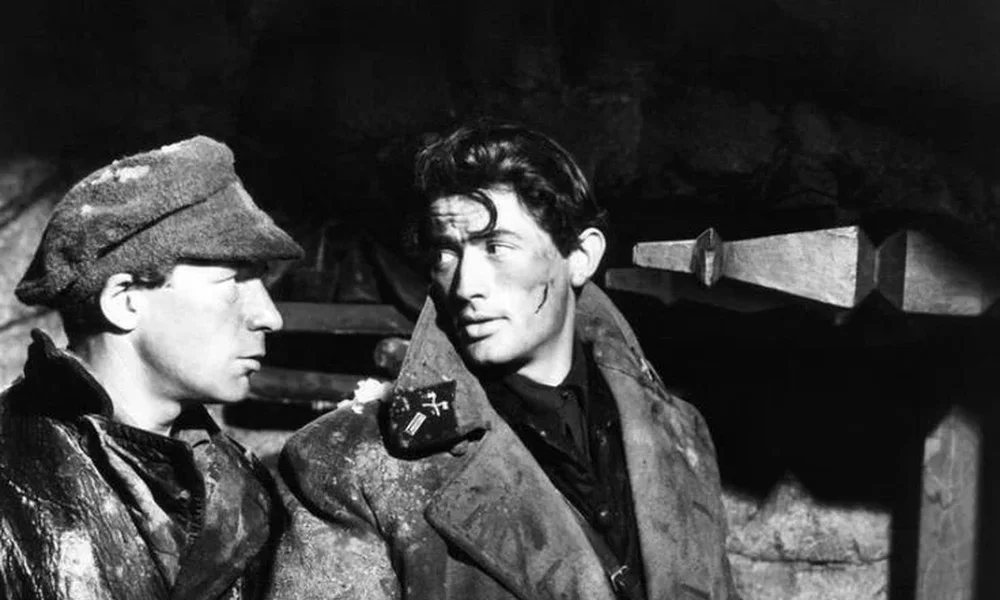
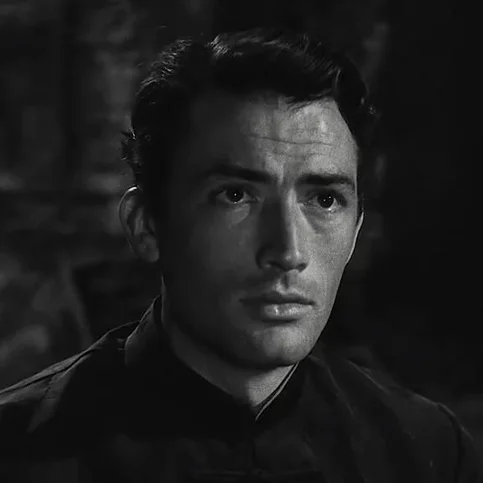
Gregory Peck, born Eldred Gregory Peck on April 5, 1916, in La Jolla, California, was an American actor whose distinguished career spanned over six decades. He is best known for his iconic roles in films such as “To Kill a Mockingbird,” “Roman Holiday,” and “The Omen.” Peck’s commanding presence, dignified demeanor, and versatility made him one of the most respected and beloved figures in Hollywood. His contributions to cinema were recognized with numerous awards, including an Academy Award for Best Actor for his role as Atticus Finch in “To Kill a Mockingbird.” Beyond his acting career, Peck was an active humanitarian, serving as a goodwill ambassador for the United Nations Children’s Fund (UNICEF). His legacy continues to inspire generations of actors and film enthusiasts.
PERSONAL INFORMATION
| Name | Gregory Peck |
|---|---|
| Date of Birth | 05 April 1916 |
| Age at Death | 87 Years |
| Zodiac Sign | Aries |
| Date of Death | 12 June 2003 |
| Place of Birth | La Jolla, San Diego |
| Place of Death | Los Angeles |
| Nationality | United States |
| Religion | Catholicism |
| Residence | San Diego, Los Angeles, La Jolla |
| Languages Spoken | English |
| Gender | Male |
| Native Name | Gregory Peck |
| Ethnicity | English Americans |
| Birth Name | Eldred Gregory Peck |
FAMILY
| Spouse | Greta Kukkonen, Veronique Peck |
|---|---|
| Children | Cecilia Peck, Stephen Joseph Peck |
| Mother | Bernice Mae Ayres |
EDUCATION
| Educated At | San Diego State University, University of California, Berkeley, San Diego High School, Neighborhood Playhouse School of the Theatre |
|---|
CAREER
| Profession | film actor, character actor, film producer, stage actor, television actor, actor, producer, activist |
|---|---|
| Awards Received | National Medal of Arts, Donostia Award, Marian Anderson Award, Academy Award for Best Actor, Golden Globe Award for Best Actor in a Leading Role, Henrietta Award, Henrietta Award, Golden Globe Award for Best Actor – Motion Picture Drama, David di Donatello for Best Foreign Actor, Golden Globe Cecil B. DeMille Award, Presidential Medal of Freedom, Screen Actors Guild Life Achievement Award, AFI Life Achievement Award, Kennedy Center Honors, Honorary César, star on Hollywood Walk of Fame, Donostia Award, Honorary Golden Bear, Commandeur des Arts et des Lettres, Jean Hersholt Humanitarian Award |
| Nominations | Academy Award for Best Actor, Academy Award for Best Actor, Academy Award for Best Actor, Academy Award for Best Actor, Academy Award for Best Actor, Golden Globe Award for Best Actor – Motion Picture Drama, Henrietta Award, Henrietta Award, Golden Globe Award for Best Actor – Motion Picture Drama, Golden Globe Award for Best Actor – Motion Picture Drama, Golden Globe Cecil B. DeMille Award, Golden Globe Award for Best Actor – Motion Picture Drama, Golden Globe Award for Best Actor – Motion Picture Drama, Primetime Emmy Award for Outstanding Supporting Actor in a Miniseries or a Movie |
| Work Period Start | 1939 |
| Genre | Western film, adventure film, mystery film, psychological thriller film, drama film, film noir, horror film, psychological horror film, crime film, action film, thriller film, war film |
SOCIAL MEDIA & LINKS
| IMDB ID | nm0000060 |
|---|---|
| Official Website | https://www.gregorypeck.com/ |
| @gregorypeck100 | |
| Wikipedia | Wikipedia |
Cost of becoming
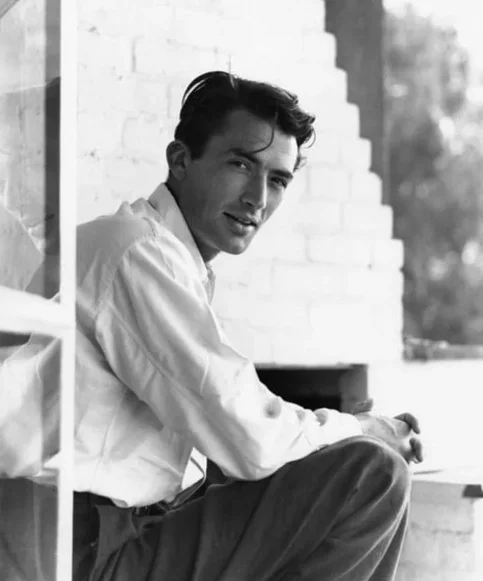
The path to stardom for Gregory Peck was paved with dedication, ambition, and a strong work ethic. Peck’s early years were marked by financial hardship and personal challenges, which he overcame through sheer determination. After graduating from the University of California, Berkeley, he moved to New York City to pursue his acting dreams. Peck took on various odd jobs, including modeling and working as a stagehand, to support himself while training at the Neighborhood Playhouse School of the Theatre. His persistence paid off when he landed his first significant role in the play “The Morning Star” in 1941. This role marked the beginning of his ascent to stardom, but the journey was not without its costs. Peck’s commitment to his craft often required him to put personal life on hold and make significant sacrifices. Despite the challenges, his unwavering dedication and talent ultimately led to a successful and enduring career in the entertainment industry.
Identity before fame
Before he became a household name, Gregory Peck was a young man from a modest background. Born to a pharmacist father and a homemaker mother, Peck’s early life was marked by family instability. His parents divorced when he was five, and he spent his formative years living with his maternal grandmother. This early experience of familial disruption shaped his character and fueled his determination to succeed. Peck’s interest in acting was sparked during his high school years at San Diego City College, where he participated in theater productions. He later transferred to the University of California, Berkeley, where he continued to hone his acting skills. Despite his academic pursuits, Peck’s true calling was the stage, and he made the bold decision to move to New York City to pursue a career in acting. His early struggles and resilience laid the foundation for his future success and the person he would become.
Production Houses Associated With Gregory Peck
| Production House | Number of Movies |
|---|---|
| Universal Pictures | 6 |
| 20th Century Fox | 5 |
| Vanguard Films | 3 |
| Selznick International Pictures | 2 |
| Columbia Pictures | 2 |
| Warner Bros. Pictures | 2 |
| Metro-Goldwyn-Mayer | 2 |
| United Artists | 2 |
| Pakula-Mulligan | 1 |
| Brentwood Productions | 1 |
Directors Gregory Peck Frequently Works With
| Director | Number of Movies |
|---|---|
| William Wyler | 2 |
| Alfred Hitchcock | 2 |
| J. Lee Thompson | 2 |
| Robert Mulligan | 1 |
| Martin Scorsese | 1 |
| Richard Donner | 1 |
| John Huston | 1 |
| Joe Dante | 1 |
| Gene Feldman | 1 |
| Henry King | 1 |
Movie Genres of Gregory Peck
| Genre | Number of Movies |
|---|---|
| Documentary | 60 |
| Drama | 36 |
| Romance | 16 |
| TV Movie | 16 |
| Comedy | 12 |
| War | 12 |
| Western | 12 |
| Adventure | 10 |
| Thriller | 8 |
| History | 8 |
Year-wise Movies of Gregory Peck
| Year | Number of Movies |
|---|---|
| 2022 | 2 |
| 2017 | 1 |
| 2015 | 1 |
| 2013 | 1 |
| 2012 | 1 |
| 2005 | 2 |
| 2004 | 1 |
| 2002 | 3 |
| 2001 | 3 |
| 1999 | 4 |
| 1998 | 1 |
| 1996 | 2 |
| 1995 | 5 |
| 1994 | 1 |
| 1993 | 4 |
Timeline
- 1916: Born in La Jolla, California
- 1934: Enrolled at San Diego City College
- 1939: Moved to New York City to attend the Neighborhood Playhouse School of the Theatre
- 1941: Made his Broadway debut in “The Morning Star”
- 1942: Made his film debut in “Days of Glory”
- 1943: Starred in the film “The Keys of the Kingdom,” which earned him his first Academy Award nomination
- 1962: Won the Academy Award for Best Actor for his role in “To Kill a Mockingbird”
- 1970: Appointed as a goodwill ambassador for UNICEF
- 2003: Passed away at the age of 87 in his Los Angeles home
Favourites
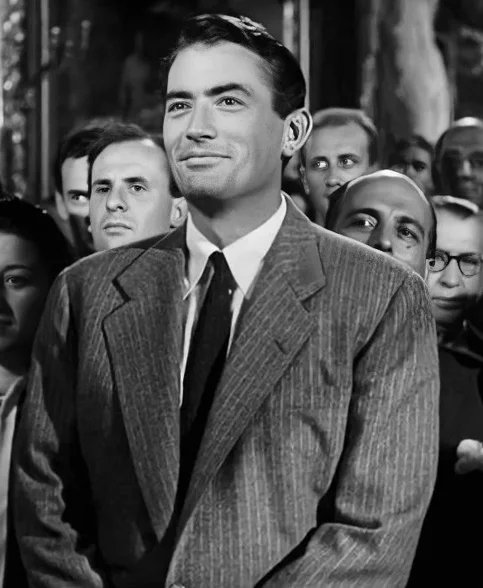
- Film: “To Kill a Mockingbird”
- Character: Atticus Finch
- Director: Alfred Hitchcock
- Book: “To Kill a Mockingbird” by Harper Lee
- Place: La Jolla, California
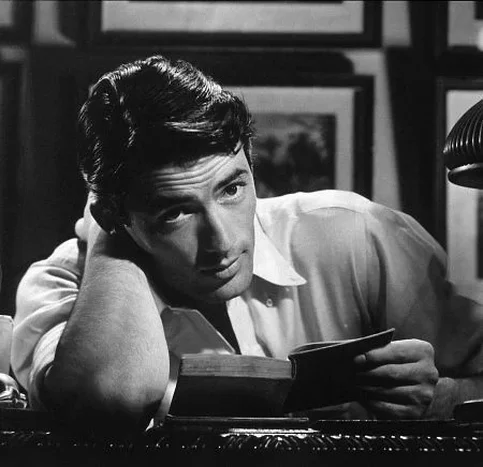
- Activity: Reading and spending time with his family
- Food: Seafood
- Hobby: Gardening
- Charity: UNICEF
- Music: Classical music
Controversies
- Allegations of Anti-Semitism: Some critics have accused Peck of perpetuating anti-Semitic stereotypes in his early films, particularly in “Gentleman’s Agreement.”
- Political Stances: Peck’s involvement in political causes, including his support for the Democratic Party, sometimes drew criticism from those with opposing views.
- Personal Relationships: Peck’s marriage to Greta Kukkonen in 1942, which lasted until his death, was marked by allegations of infidelity and personal conflicts.
- Religious Beliefs: Peck’s religious views, which were a mix of Catholicism and personal spirituality, sometimes led to tensions with more orthodox religious figures.
- Film Choices: Some of Peck’s film choices, such as his role in “The Omen,” were controversial due to their subject matter and perceived impact on viewers.
- Health Issues: Peck’s struggles with health issues, including heart problems and diabetes, were sometimes the subject of media scrutiny and speculation.
- Public Appearances: Peck’s reluctance to participate in some public events and interviews, particularly later in his career, was sometimes interpreted as aloofness or disinterest.
Control vs Chaos
Throughout his life, Gregory Peck maintained a balance between control and chaos. His early struggles and the disciplined environment of the Neighborhood Playhouse School of the Theatre instilled in him a sense of order and structure. This control was evident in his professional life, where he meticulously chose his roles and carefully managed his public image. However, Peck also embraced moments of chaos and spontaneity, especially in his personal life. He was known for his love of adventure and travel, often seeking out new experiences and challenges. This duality allowed him to be both a reliable and consistent presence in Hollywood while also enjoying the freedom to explore and grow as an individual.
Emotional Geography
Gregory Peck’s emotional geography was rich and multifaceted. His early life in La Jolla, California, provided a sense of roots and stability, which he cherished throughout his life. The loss of his parents at a young age instilled a deep sense of empathy andresponsibility, which he carried into his adult life. His move to New York City in the late 1930s marked a significant turning point, where he experienced the excitement and uncertainty of pursuing his dreams. The success and fame that followed brought both joy and pressure, but Peck’s commitment to his family and humanitarian causes provided a grounding force. His role as Atticus Finch in “To Kill a Mockingbird” resonated deeply with his own values of justice and integrity, further solidifying his place in the hearts of many. Peck’s emotional landscape was a blend of personal struggle, professional triumph, and a deep connection to the world around him.
FAQs
-
What is Gregory Peck best known for?
Gregory Peck is best known for his role as Atticus Finch in the 1962 film “To Kill a Mockingbird,” for which he won the Academy Award for Best Actor. He is also renowned for his performances in films such as “Roman Holiday,” “The Guns of Navarone,” and “The Omen.”
-
Where was Gregory Peck born?
Gregory Peck was born in La Jolla, California, on April 5, 1916.
-
What was Gregory Peck’s education like?
Peck attended San Diego City College and later transferred to the University of California, Berkeley. After graduating, he moved to New York City to study at the Neighborhood Playhouse School of the Theatre.
-
When did Gregory Peck start his acting career?
Peck’s acting career began on Broadway with his debut in the play “The Morning Star” in 1941. He made his film debut in “Days of Glory” in 1942.
-
What are some of Gregory Peck’s most famous films?
Some of Peck’s most famous films include “To Kill a Mockingbird” (1962), “Roman Holiday” (1953), “The Guns of Navarone” (1961), “Moby Dick” (1956), and “The Omen” (1976).
-
Did Gregory Peck win any awards?
Yes, Peck won numerous awards throughout his career, including an Academy Award for Best Actor for “To Kill a Mockingbird” in 1963. He also received two Golden Globe Awards and was honored with the Presidential Medal of Freedom in 1969.
-
What was Gregory Peck’s role in “To Kill a Mockingbird”?
In “To Kill a Mockingbird,” Peck played the role of Atticus Finch, a lawyer and father in a small Southern town who defends a black man falsely accused of rape. This role is considered one of his most iconic and has been widely praised for its portrayal of integrity and moral courage.
-
How did Gregory Peck contribute to humanitarian efforts?
Peck was a dedicated humanitarian and served as a goodwill ambassador for UNICEF from 1970 until his death. He was deeply involved in various charitable causes and used his influence to raise awareness and support for global issues, particularly those affecting children.
-
What were Gregory Peck’s hobbies?
Peck was an avid reader and enjoyed gardening. He also loved spending time with his family and was known for his love of travel and adventure.
-
What was Gregory Peck’s personal life like?
Peck was married to Greta Kukkonen from 1942 until his death. They had three children together. Despite the demands of his career, Peck was known for being a devoted family man and placing a high value on his personal relationships.
-
How did Gregory Peck’s religious beliefs influence his life?
Peck’s religious beliefs were a blend of Catholicism and personal spirituality. He was deeply committed to his faith and often drew upon his beliefs to guide his life and career choices. His role in “To Kill a Mockingbird” and his humanitarian work were both influenced by his values of justice and compassion.
-
What was Gregory Peck’s approach to choosing roles?
Peck was known for being selective in his choice of roles. He often chose projects that aligned with his personal values and had a meaningful message. He avoided roles that he felt were morally questionable or that could harm his reputation.
-
What was Gregory Peck’s legacy?
Gregory Peck’s legacy is one of artistic excellence and humanitarian dedication. His performances in films like “To Kill a Mockingbird” and “Roman Holiday” have left an enduring impact on American cinema. Beyond his acting, Peck’s commitment to charitable causes and his role as a UNICEF goodwill ambassador have inspired generations to contribute to social and global issues.
-
How did Gregory Peck’s early life shape his career?
Peck’s early life, marked by family instability and financial hardships, instilled in him a strong sense of resilience and determination. These experiences fueled his drive to succeed in the competitive world of acting and informed his approach to his craft and personal life.