
J. J. Abrams, born Jeffrey Jacob Abrams on June 27, 1966, is a renowned American filmmaker, screenwriter, and television producer. Known for his innovative storytelling and visually stunning productions, Abrams has made a significant impact on both television and film. From creating groundbreaking TV series like “Alias” and “Lost” to directing blockbuster films such as “Star Trek” and “Star Wars: The Force Awakens,” Abrams has solidified his place as a leading figure in the entertainment industry. His ability to blend complex narratives with high production values has earned him critical acclaim and a devoted fanbase. Abrams is also the founder of Bad Robot Productions, a company that has produced numerous successful projects across various media platforms. In this article, we delve into the life, career, and controversies surrounding this multifaceted artist.
PERSONAL INFORMATION
| Name | J. J. Abrams |
|---|---|
| Gender | Male |
| Place of Birth | New York City |
| Nationality | United States |
| Date of Birth | 27 June 1966 |
| Age | 59 Years |
| Zodiac Sign | Cancer |
| Birth Name | Jeffrey Jacob Abrams |
| Residence | Pacific Palisades, New York City |
| Languages Spoken | English |
| Native Language | English |
| Native Name | J. J. Abrams |
FAMILY
| Father | Gerald W. Abrams |
|---|---|
| Mother | Carol Ann Abrams |
| Children | Henry Abrams, Gracie Abrams |
| Spouse | Katie McGrath |
EDUCATION
| Educated At | Sarah Lawrence College, Palisades Charter High School |
|---|
CAREER
| Profession | film director, film producer, television producer, screenwriter, television actor, film actor, composer, actor, writer, television director, manufacturer, film score composer, executive producer, showrunner, director, producer, film screenwriter |
|---|---|
| Awards Received | Writers Guild of America Award, Writers Guild of America Award for Television: Dramatic Series, Primetime Emmy Award for Outstanding Drama Series, Primetime Emmy Award for Outstanding Directing for a Drama Series |
| Work Period Start | 1990 |
| Nominations | Primetime Emmy Award for Outstanding Directing for a Drama Series, Primetime Emmy Award for Outstanding Drama Series, Directors Guild of America Award for Outstanding Directing – Drama Series, Primetime Emmy Award for Outstanding Writing for a Drama Series, Golden Raspberry Award for Worst Screenplay, Hugo Award for Best Dramatic Presentation, Short Form, Producers Guild of America Award for Best Theatrical Motion Picture, Writers Guild of America Award for Television: Dramatic Series, Writers Guild of America Award for Television: New Series, Hugo Award for Best Dramatic Presentation, Long Form |
| Member Of | Writers Guild of America West |
| Genre | action film, drama fiction, science fiction |
SOCIAL MEDIA & LINKS
| IMDB ID | nm0009190 |
|---|---|
| @jjabrams | |
| @jjabramsofficial | |
| YouTube Channel | UCGXbeWJnkC4NaRT-cn2TP1g |
| Wikipedia | Wikipedia |
Cost of becoming
The path to becoming J. J. Abrams was not an overnight journey but a result of years of dedication and hard work. Growing up in a family with a creative background, Abrams was exposed to the arts from a young age. His father, an Emmy-winning cinematographer, and his mother, a producer and actress, provided a fertile ground for his early interests. Abrams attended Sarah Lawrence College, where he honed his writing skills and began to develop his unique storytelling style. After graduation, he worked on various television scripts, including episodes of “The Magnificent Seven” and “Felicity.” These early experiences laid the foundation for his future success, teaching him the importance of perseverance and the value of collaboration in the entertainment industry.
Identity before fame
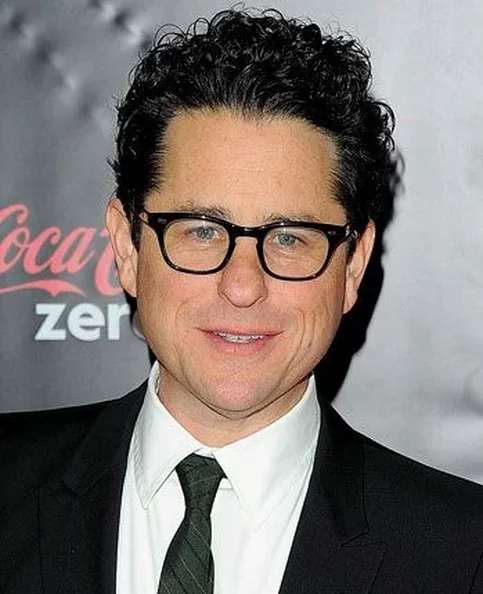
Before achieving widespread recognition, J. J. Abrams was a screenwriter and co-creator of the television series “Felicity.” This coming-of-age drama, which aired from 1998 to 2002, marked Abrams’ first major success and provided a platform for his creative vision. The show’s blend of romantic drama and youthful angst resonated with audiences, establishing Abrams as a talented and innovative storyteller. However, it was his subsequent creation, “Alias,” that truly propelled him into the spotlight. The spy thriller, starring Jennifer Garner, became a hit and earned Abrams multiple Emmy and Golden Globe nominations. These early successes laid the groundwork for his future ventures in both television and film.
Production Houses Associated With J J Abrams
| Production House | Number of Movies |
|---|---|
| Lucasfilm Ltd. | 4 |
| Marvin Worth Productions | 1 |
| Morgan Creek Entertainment | 1 |
| Amblin Entertainment | 1 |
| Parkes+MacDonald Image Nation | 1 |
| Columbia Pictures | 1 |
| Tencent Pictures | 1 |
| Troma Entertainment | 1 |
| Leslie Iwerks Productions | 1 |
| TriStar Pictures | 1 |
Directors J J Abrams Frequently Works With
| Director | Number of Movies |
|---|---|
| Laurent Bouzereau | 3 |
| Anthony Giacchino | 2 |
| Jeremiah S. Chechik | 1 |
| F. Gary Gray | 1 |
| John Paul Kinhart | 1 |
| Leslie Iwerks | 1 |
| Donal Lardner Ward | 1 |
| Morgan Spurlock | 1 |
| Stefan Lensa | 1 |
| Kevin Burns | 1 |
Movie Genres of J J Abrams
| Genre | Number of Movies |
|---|---|
| Documentary | 27 |
| Comedy | 7 |
| Drama | 4 |
| TV Movie | 3 |
| Mystery | 2 |
| Horror | 2 |
| Science Fiction | 2 |
| Action | 2 |
| Adventure | 2 |
| Music | 2 |
Year-wise Movies of J J Abrams
| Year | Number of Movies |
|---|---|
| 2025 | 1 |
| 2024 | 2 |
| 2023 | 1 |
| 2022 | 2 |
| 2020 | 1 |
| 2019 | 3 |
| 2018 | 1 |
| 2017 | 6 |
| 2016 | 4 |
| 2015 | 2 |
| 2014 | 1 |
| 2013 | 1 |
| 2012 | 1 |
| 2011 | 1 |
| 2010 | 1 |
Timeline
- 1966: J. J. Abrams is born in New York City, New York.
- 1988: Graduates from Sarah Lawrence College with a degree in English.
- 1998: Co-creates and writes for the television series “Felicity.”
- 2001: Co-creates and produces the spy thriller series “Alias.”
- 2004: Co-creates and produces the mystery drama series “Lost.”
- 2009: Directs the reboot of the “Star Trek” film franchise.
- 2011: Co-founds Bad Robot Productions with Bryan Burk.
- 2015: Directs “Star Wars: The Force Awakens,” the seventh installment in the Star Wars saga.
- 2018: Directs “Star Trek Beyond,” the third film in the rebooted Star Trek series.
- 2019: Directs “Star Wars: The Rise of Skywalker,” the final installment in the Skywalker saga.
Favourites
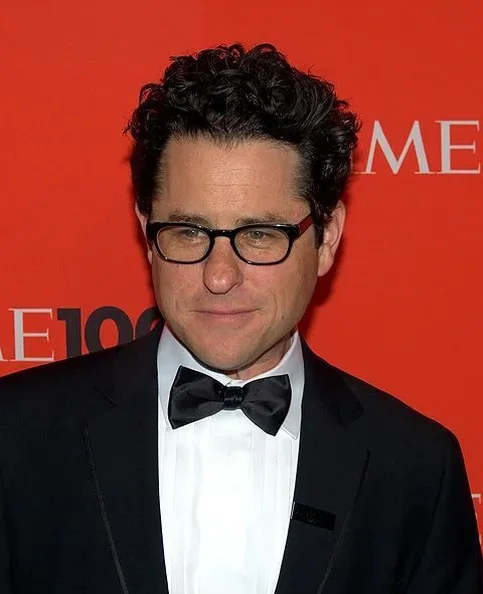
- Directing: “Lost” and “Star Wars: The Force Awakens.”
- Producing: “Alias” and “Fringe.”
- Writing: “The Entity” and “Mission: Impossible III.”
- Genres: Science fiction and action.
- Collaborators: Bryan Burk and Damon Lindelof.
- Actors: Matthew Fox, Jennifer Garner, and John Boyega.
- Directors: Steven Spielberg and George Lucas.
- Music: Michael Giacchino and Hans Zimmer.
- Locations: New York City and London.
- Themes: Mystery and adventure.
Controversies
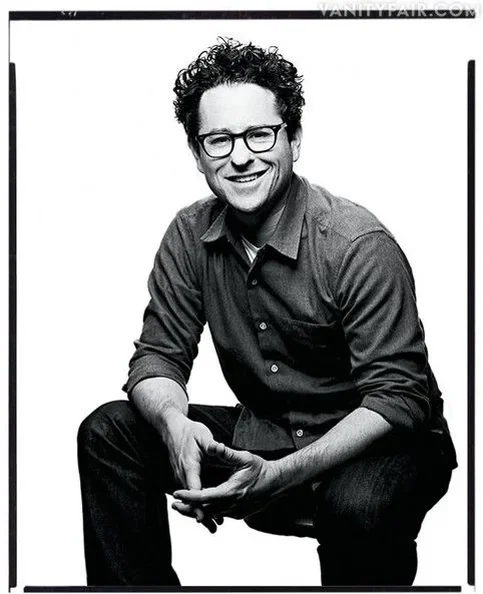
- Secretive Production Methods: Abrams is known for his secretive approach to filmmaking, often keeping plot details and character designs under wraps. While this strategy has built anticipation, it has also created frustration among fans and journalists.
- Reboot Criticism: His reboots of “Star Trek” and “Star Wars” have been both praised and criticized. Some fans argue that Abrams’ versions deviate too much from the original spirit of the franchises.
- Overuse of Lens Flares: Abrams’ frequent use of lens flares in his films has become a point of mockery among critics and film enthusiasts, who see it as a stylistic gimmick.
- Script Changes: Abrams has been involved in significant script changes for major films, leading to conflicts with other writers and directors. For example, his involvement in “Star Wars: The Rise of Skywalker” was marked by behind-the-scenes tensions.
- Box Office Performance: While many of his films are box office successes, some have underperformed relative to expectations, leading to criticism and financial scrutiny from studios.
- Casting Choices: Abrams’ casting decisions have sometimes been met with mixed reactions. For instance, the casting of John Boyega and Daisy Ridley in “Star Wars: The Force Awakens” faced backlash from certain fan groups.
- Allegations of Misogyny: Some of Abrams’ projects, particularly “Lost,” have been accused of portraying women in stereotypical or underdeveloped roles, leading to criticisms of misogyny.
- Production Delays: Projects directed by Abrams have occasionally experienced significant delays, affecting release schedules and increasing production costs. This has led to frustration among studio executives and fans.
- Artistic Control vs. Collaboration: Abrams’ strong vision and desire for creative control have sometimes led to conflicts with collaborators and crew members, affecting the production process and team dynamics.
- Cultural Sensitivity: Abrams has been both praised and criticized for his approach to cultural representation in his work. Some projects have been praised for inclusivity, while others have faced accusations of cultural appropriation or insensitivity.
Control vs Chaos
J. J. Abrams’ approach to filmmaking is a delicate balance of control and chaos. On one hand, he is known for his meticulous planning and attention to detail, ensuring that every aspect of his projects is carefully crafted. This control is evident in the precision of his storytelling and the high production values of his films. However, Abrams also embraces the unpredictability of the creative process, allowing room for improvisation and unexpected developments. This balance allows him to maintain a strong vision while remaining flexible and open to new ideas, resulting in dynamic and engaging productions.
Emotional Geography
Abrams’ work is deeply rooted in the exploration of human emotions and the intricate relationships between characters. His stories often delve into themes of loss, redemption, and the search for identity, resonating with audiences on a personal level. Whether it’s the complex bond between friends in “Lost” or the family dynamics in “Star Wars,” Abrams’ narratives are rich with emotional depth. This emotional geography is a cornerstone of his storytelling, making his work both compelling and relatable.
FAQs
-
What is J. J. Abrams known for?
J. J. Abrams is known for his work as a filmmaker, screenwriter, and television producer. He is the creator of popular TV series like ” Alias,” “Lost,” and “Fringe,” and has directed blockbuster films such as “Star Trek,” “Star Wars: The Force Awakens,” and “Star Wars: The Rise of Skywalker.”
-
Where was J. J. Abrams born?
J. J. Abrams was born in New York City, New York, on June 27, 1966.
-
What is Bad Robot Productions?
Bad Robot Productions is a production company founded by J. J. Abrams and Bryan Burk. The company is known for producing successful television series and films, including “Lost,” “Star Trek,” and “Star Wars.”
-
What was J. J. Abrams’ first major success?
J. J. Abrams’ first major success was the television series “Felicity,” which he co-created and wrote for. The show ran from 1998 to 2002 and established him as a talented storyteller.
-
What is J. J. Abrams’ educational background?
J. J. Abrams attended Sarah Lawrence College, where he graduated with a degree in English. This educational background helped him develop his writing skills and creative vision.
-
What are some of the controversies surrounding J. J. Abrams?
J. J. Abrams has faced various controversies, including criticism for his secretive production methods, reboot criticisms, frequent use of lens flares, and box office performance issues. Some of his projects have also faced backlash for casting choices and perceived misogyny.
-
How has J. J. Abrams influenced the entertainment industry?
J. J. Abrams has significantly influenced the entertainment industry through his innovative storytelling, high production values, and ability to blend complex narratives with visual spectacle. His work has set new standards for television and film, inspiring a new generation of creators.
-
What is J. J. Abrams’ approach to filmmaking?
J. J. Abrams’ approach to filmmaking is a balance of meticulous planning and creative flexibility. He is known for his attention to detail, high production values, and the ability to craft engaging and emotionally resonant stories.
-
What are some of J. J. Abrams’ favorite genres?
J. J. Abrams’ favorite genres include science fiction and action. These genres allow him to explore complex themes and create visually stunning productions that captivate audiences.
-
What is the significance of J. J. Abrams’ role in the Star Wars franchise?
J. J. Abrams played a crucial role in the Star Wars franchise by directing “Star Wars: The Force Awakens” and “Star Wars: The Rise of Skywalker.” His involvement helped revitalize the franchise and introduce it to a new generation of fans.
-
How does J. J. Abrams handle creative control?
J. J. Abrams is known for his strong creative vision and desire for control. However, he also values collaboration and is open to input from his team. This balance allows him to maintain a clear vision while fostering a collaborative environment.
-
What are J. J. Abrams’ views on diversity and inclusion in the entertainment industry?
J. J. Abrams is committed to promoting diversity and inclusion in the entertainment industry. His projects often feature diverse casts and explore a range of cultural perspectives, reflecting his belief in the importance of representation.
-
What is the impact of J. J. Abrams’ work on popular culture?
J. J. Abrams’ work has had a significant impact on popular culture, influencing the way stories are told and consumed. His ability to create immersive and emotionally engaging narratives has made his projects cultural phenomena, inspiring countless fans and creators.
-
What are some of the challenges J. J. Abrams has faced in his career?
J. J. Abrams has faced various challenges, including criticism for his creative decisions, production delays, and conflicts with collaborators. These challenges have tested his resolve and resilience, but he has consistently overcome them through his dedication and talent.
In conclusion, J. J. Abrams is a multifaceted artist whose impact on the entertainment industry is undeniable. From his early days at Sarah Lawrence College to his current status as a leading filmmaker, Abrams has demonstrated a unique ability to blend complex narratives with high production values. His work continues to captivate audiences and inspire new generations of creators, solidifying his legacy as one of the most influential figures in modern entertainment.