
Jim Henson, the visionary behind some of the most beloved characters in the world, was a man whose creativity and innovation transformed the landscape of children’s entertainment. Known for his groundbreaking work with puppets, particularly the Muppets, Henson’s legacy extends far beyond the screen. His ability to blend humor, education, and warmth into his creations has made him a cultural icon. Beyond his professional achievements, Henson was a deeply committed artist and a visionary who believed in the power of storytelling to inspire and educate. This article delves into the fascinating life and career of Jim Henson, exploring his journey from a young puppeteer to a global icon.
PERSONAL INFORMATION
| Name | Jim Henson |
|---|---|
| Religion | Christian Science |
| Gender | Male |
| Place of Death | Manhattan |
| Nationality | United States |
| Date of Birth | 24 September 1936 |
| Age at Death | 53 Years |
| Zodiac Sign | Libra |
| Date of Death | 16 May 1990 |
| Place of Birth | Greenville |
| Languages Spoken | English |
| Native Name | Jim Henson |
| Native Language | English |
| Birth Name | James Maury Henson |
PHYSICAL STATISTICS
| Height (in centimeters) | 190 cm |
|---|---|
| Height (in meters) | 1.90 m |
| Height (in feet inches) | 6′ 2″ |
| Eye Color | Blue-Gray |
FAMILY
| Spouse | Jane Henson |
|---|---|
| Children | John Henson, Brian Henson, Lisa Henson, Heather Henson, Cheryl Henson |
EDUCATION
| Educated At | University of Maryland, Northwestern High School |
|---|
CAREER
| Profession | television director, film director, film producer, voice actor, puppeteer, actor, screenwriter, animator, television producer, director |
|---|---|
| Awards Received | Peabody Awards, Primetime Emmy Award, Disney Legends, Hollywood Walk of Fame, Primetime Emmy Award for Outstanding Directing for a Variety Series, star on Hollywood Walk of Fame, Inkpot Award |
| Notable Works | The Muppets, Labyrinth, The Dark Crystal, Fraggle Rock, Sesame Street, The Jim Henson Hour, Time Piece |
| Nominations | Academy Award for Best Live Action Short Film |
| Work Period Start | 1954 |
| Work Period End | 1990 |
FINANCIAL
| Net Worth | 20000000 |
|---|
Cost of Becoming
The path to becoming Jim Henson was not an easy one. Born on September 24, 1936, in Greenville, Mississippi, Henson faced numerous challenges and obstacles that he had to overcome. His early interest in puppetry was fueled by a combination of creativity and a desire to entertain. He began experimenting with puppets at a young age, using materials like socks and burlap. Henson’s dedication to his craft was evident from the start, and he often spent long hours honing his skills. The cost of becoming a master puppeteer included countless hours of practice, innovation, and a relentless drive to push the boundaries of what puppets could do. Despite the challenges, Henson’s unwavering commitment to his art paid off, leading to a career that would change the face of television and entertainment forever.
Identity Before Fame
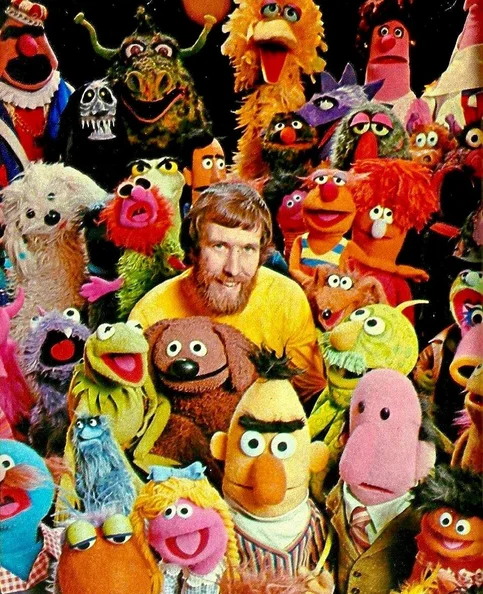
Before he became a household name, Jim Henson was a young man with a passion for puppetry. He grew up in the small town of Leland, Mississippi, where his father worked for the U.S. Department of Agriculture. Henson’s early years were marked by a love for art and storytelling, which he often explored through his homemade puppets. In high school, he began performing puppet shows for local television stations, which helped him develop his skills and gain recognition. Henson’s identity before fame was that of a dedicated artist and performer, driven by a deep love for his craft. His early experiences laid the foundation for his future success, and his commitment to puppetry never wavered, even as he faced numerous challenges and setbacks.
Timeline
- 1936: Jim Henson is born in Greenville, Mississippi.
- 1954: Henson starts working on puppet shows for local television in Washington D.C.
- 1955: He creates his first puppet, Kermit the Frog.
- 1958: Henson begins working on the children’s show, Sam and Friends.
- 1969: The debut of Sesame Street features Henson’s Muppets.
- 1976: The Muppet Show premieres, becoming a global phenomenon.
- 1979: The first Muppet movie, The Muppet Movie, is released.
- 1981: Henson’s puppetry work wins him an Emmy Award.
- 1983: Fraggle Rock debuts, further expanding the Muppet universe.
- 1990: Jim Henson passes away on May 16, leaving behind a legacy of creativity and innovation.

Favourites
- Character: Kermit the Frog
- Movie: The Dark Crystal
- TV Show: The Muppet Show
- Book: Charlotte’s Web by E.B. White
- Music: “Rainbow Connection” from The Muppet Movie
- Food: Steak
- Hobby: Playing the guitar
- Place: New York City
- Time of Day: Early morning
- Activity: Sketching and storyboarding

Controversies
- Commercialization of Muppets: Some critics accused Henson of selling out by allowing the Muppets to appear in commercials and other non-educational content.
- Muppet Movie Flops: While some Muppet movies were hugely successful, others, like The Dark Crystal and Labyrinth, received mixed reviews and failed to meet box office expectations.
- Censorship Issues: Henson occasionally faced censorship issues, particularly with Muppets Tonight, which was criticized for its adult themes and content.
- Animal Rights Activists: Some animal rights groups protested the use of real animals in Henson’s productions, particularly in The Dark Crystal.
- Licensing Disputes: There were several legal battles over the licensing of Muppet characters, especially after Henson’s death.
- Project Henson: The decision to sell the Muppets to The Walt Disney Company was met with mixed reactions from fans and critics.
- Educational Content: Some educators and parents criticized the educational value of Sesame Street, arguing that it was more entertaining than educational.
- Political Statements: Henson’s shows occasionally included political commentary, which some viewers found controversial.
- Religious Themes: The inclusion of religious themes in some of Henson’s productions, such as The Storyteller, sparked debates about the appropriateness of religious content in children’s media.
- Environmental Impact: The production of Henson’s films and shows sometimes raised environmental concerns, particularly regarding the use of materials and waste management.
Control vs Chaos
Jim Henson’s approach to creativity was a delicate balance between control and chaos. On one hand, he was a meticulous planner, often spending weeks or even months storyboarding and scripting his productions. He believed in the importance of a well-thought-out plan and a clear vision for each project. On the other hand, Henson encouraged spontaneity and improvisation, recognizing that some of the best creative moments emerged from moments of unexpected inspiration. This blend of structure and freedom allowed Henson to create content that was both innovative and engaging. His ability to harness the chaos of creativity while maintaining a sense of control is one of the key factors that made his work so successful and enduring.
Emotional Geography
Jim Henson’s emotional geography was deeply rooted in his love for storytelling and his belief in the power of imagination. Growing up in the rural South, Henson was exposed to a rich tapestry of cultural traditions and folk stories, which influenced his artistic sensibilities. His work often reflected a sense of nostalgia and a deep connection to the natural world. Henson’s characters, like Kermit the Frog and Miss Piggy, embodied a range of emotions, from joy and excitement to sadness and longing. His ability to tap into the emotional landscapes of his audience, whether they were children or adults, made his work resonant and timeless. Henson’s emotional geography was a blend of the familiar and the fantastical, creating a world where imagination and reality intersected in meaningful ways.
FAQs
-
Who was Jim Henson?
Jim Henson was an American puppeteer, artist, and creator best known for his work with the Muppets. He was born on September 24, 1936, in Greenville, Mississippi, and passed away on May 16, 1990. Henson’s innovative puppetry and storytelling revolutionized children’s entertainment and left a lasting legacy in the world of media and entertainment.
-
What did Jim Henson create?
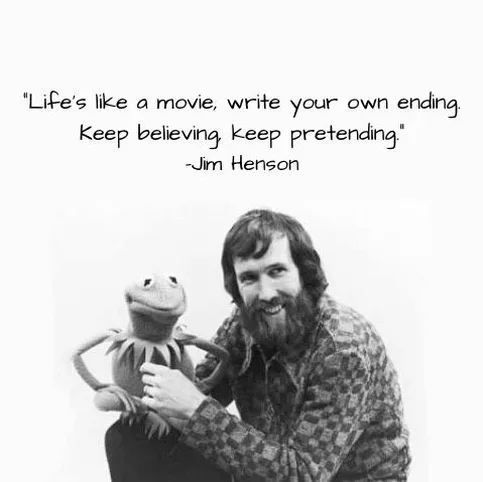
Jim Henson created the Muppets, a collection of beloved puppet characters that include Kermit the Frog, Miss Piggy, and Gonzo. He also produced and directed numerous television shows and films, including The Muppet Show, Sesame Street, The Dark Crystal, and Labyrinth.
-
How did Jim Henson start his career?
Henson’s career began in the 1950s when he started performing puppet shows for local television stations in Washington D.C. He created his first puppet, Kermit the Frog, in 1955 and soon began working on the children’s show Sam and Friends in 1958.
-
What is the significance of The Muppet Show?
The Muppet Show premiered in 1976 and became a global phenomenon. It was a groundbreaking variety show that featured a mix of comedy, music, and sketches, and introduced many of the Muppets to a wider audience. The show’s success led to the creation of a franchise that includes numerous movies, books, and merchandise.
-
What was Jim Henson’s educational background?
Henson attended the University of Maryland, where he studied theater and art. He also took classes in puppetry and animation, which helped shape his unique approach to puppetry and storytelling.
-
Did Jim Henson win any awards?
Yes, Jim Henson won numerous awards throughout his career, including several Emmy Awards. He was recognized for his contributions to television and entertainment, and his puppetry work on The Muppet Show and Sesame Street earned him critical acclaim.
-
What was Jim Henson’s vision for the Muppets?
Henson’s vision for the Muppets was to create characters that were both entertaining and educational. He believed that puppets could be used to tell stories that engaged and inspired people of all ages. His goal was to create a world where imagination and creativity flourished.
-
How did Jim Henson’s work impact children’s entertainment?
Jim Henson’s work had a profound impact on children’s entertainment. His shows, particularly Sesame Street, introduced educational content in a fun and engaging way. The Muppets became role models for children, teaching important values and life skills through storytelling and humor.
-
What is the Jim Henson Company?
The Jim Henson Company is a production company founded by Jim Henson and his family. It continues to produce content in the spirit of Henson’s legacy, creating films, television shows, and other media that reflect his commitment to creativity and innovation.
-
How did Jim Henson’s death impact the Muppets?
Henson’s death in 1990 was a significant loss to the entertainment industry. However, his family and the Jim Henson Company continued to produce content featuring the Muppets. The characters remain popular and continue to entertain new generations of fans.
-
What were some of Jim Henson’s hobbies?
Besides puppetry, Jim Henson enjoyed a variety of hobbies, including playing the guitar, sketching, and storyboarding. He was also an avid reader and often drew inspiration from literature and art.
-
What is the legacy of Jim Henson?
Jim Henson’s legacy is one of creativity, innovation, and a deep commitment to storytelling. His work with the Muppets has left a lasting impact on children’s entertainment and has inspired generations of artists and creators. Henson’s ability to blend humor, education, and warmth into his characters has made him a beloved figure in the world of media and entertainment.
-
What is the Jim Henson Foundation?
The Jim Henson Foundation is a nonprofit organization that supports puppetry and other forms of puppetry-related art. It provides grants and resources to puppeteers and artists to help them develop and produce new works, ensuring that the art form continues to thrive and evolve.
Jim Henson’s life and work continue to inspire and captivate audiences around the world. His legacy is a testament to the power of creativity, imagination, and the enduring impact of storytelling. Whether through the timeless characters he created or the innovative techniques he developed, Henson’s influence extends far beyond the screen, touching the lives of millions of people. His commitment to art and his unwavering belief in the power of storytelling have ensured that his legacy will continue to inspire and entertain for generations to come.