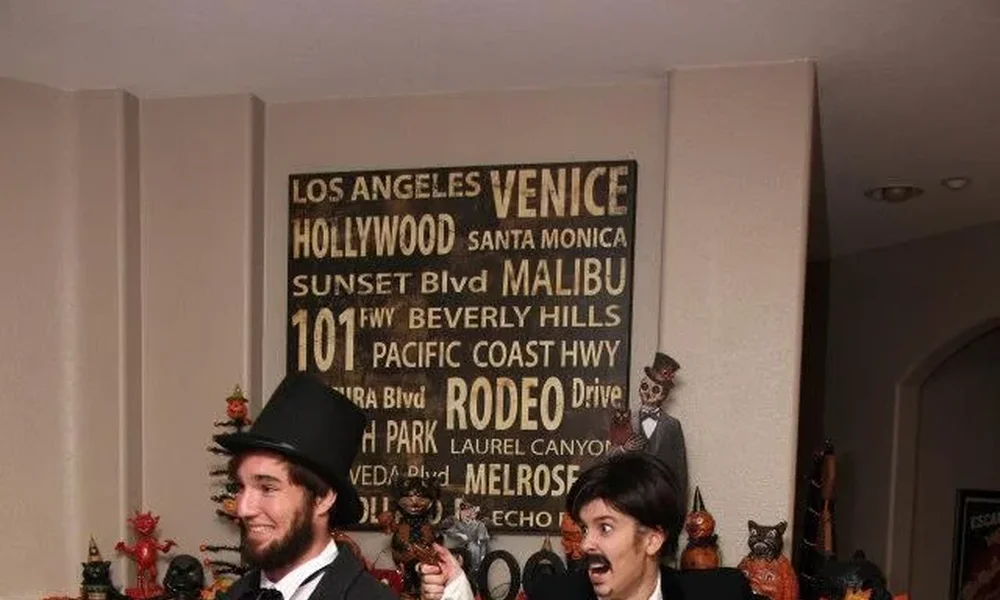
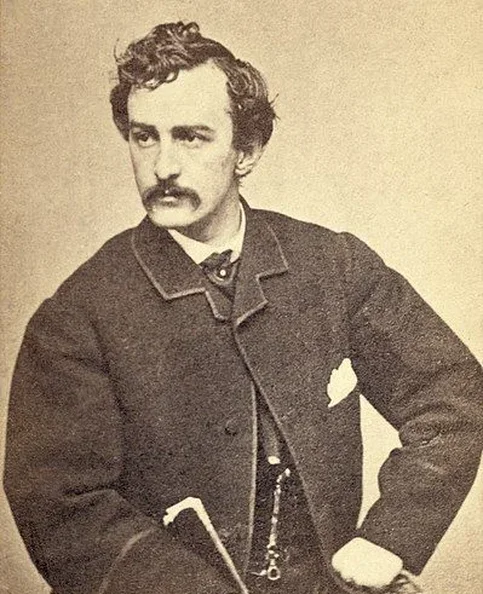
John Wilkes Booth, born on May 10, 1838, and infamous for his assassination of President Abraham Lincoln, remains a controversial figure in American history. A renowned actor and a staunch Confederate sympathizer, Booth’s life was marked by both brilliance and darkness. His assassination of Lincoln at Ford’s Theatre on April 14, 1865, not only changed the course of American history but also cemented his name in infamy. This article delves into the life of John Wilkes Booth, exploring his journey from a celebrated actor to the man who shot a president.
PERSONAL INFORMATION
| Name | John Wilkes Booth |
|---|---|
| Gender | Male |
| Signature |  |
| Religion | Protestantism |
| Place of Birth | Bel Air |
| Place of Death | Port Royal |
| Nationality | United States |
| Date of Birth | 10 May 1838 |
| Age at Death | 26 Years |
| Zodiac Sign | Taurus |
| Date of Death | 26 April 1865 |
| Native Name | John Wilkes Booth |
| Languages Spoken | English |
| Native Language | English |
FAMILY
| Father | Junius Brutus Booth |
|---|---|
| Siblings | Edwin Booth, Junius Brutus Booth, Jr., Asia Booth |
| Partner | Ella Wren, Lucy Lambert Hale |
| Mother | Mary Ann Holmes |
EDUCATION
| Educated At | Bel Air High School |
|---|
CAREER
| Profession | actor, writer, stage actor |
|---|---|
| Field of Work | contract killer, acting, assassination, political murder |
| Work Period Start | 1855 |
Cost of becoming
The path John Wilkes Booth took to become one of the most notorious figures in American history was not one of easy choices. Born into a family of actors, Booth was destined for the stage from a young age. His father, Junius Brutus Booth, and his brothers, Edwin and Junius Brutus Jr., were all successful actors. However, John’s affinity for the Confederate cause and his deep-seated hatred of Lincoln turned his life in a different direction. The cost of his ambition and beliefs was his reputation, his freedom, and ultimately, his life. The decision to assassinate Lincoln was not just a political act but a personal one, driven by a complex mix of ideology and emotion.
Identity before fame
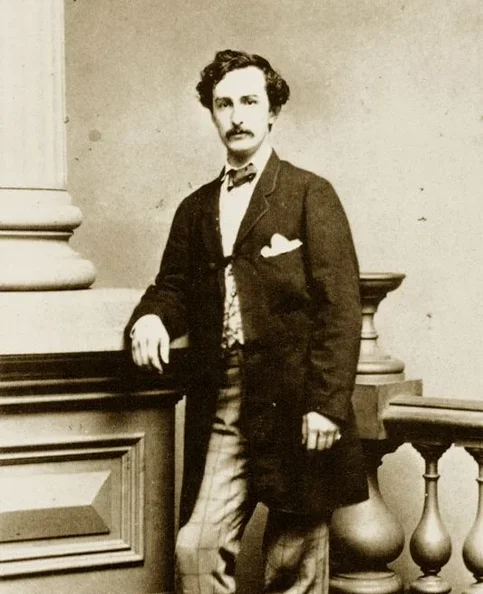
Before he became infamous, John Wilkes Booth was a talented and popular actor. He made his stage debut at the age of 17 in Baltimore and quickly gained a reputation for his charisma and skill. His good looks and charming personality made him a favorite among audiences, and he traveled extensively, performing in theaters across the United States. Booth’s passion for the craft was evident in his performances, and he was often praised for his ability to captivate and move audiences. It was this fame on the stage that provided him the means and the confidence to pursue his more nefarious plans.
Timeline
- May 10, 1838: John Wilkes Booth is born in Bel Air, Maryland.
- 1856: Booth makes his stage debut at the Charles Street Theatre in Baltimore.
- 1860: Booth joins the Richmond Grays, a pro-Confederate militia, but does not see combat.
- 1862: Booth begins to develop his plan to kidnap Abraham Lincoln.
- 1864: Booth and his co-conspirators begin to plot Lincoln’s assassination.
- April 14, 1865: Booth assassinates President Abraham Lincoln at Ford’s Theatre in Washington, D.C.
- April 15, 1865: Lincoln dies from his wounds, and Booth flees the scene.
- April 26, 1865: Booth is cornered in a barn in Virginia and is shot and killed by Sergeant Boston Corbett.
Favourites
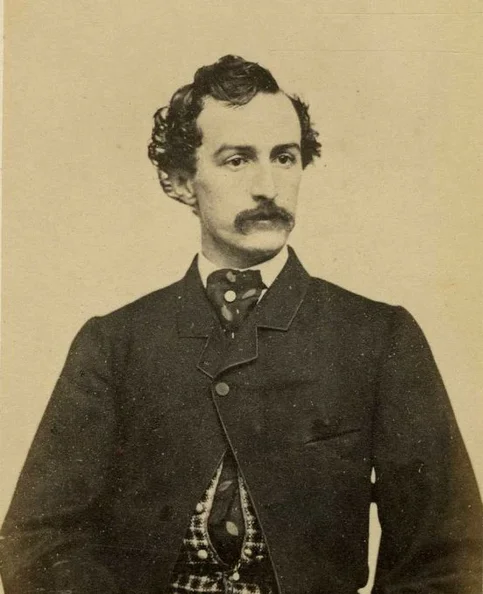
- Theatre: Booth was particularly fond of performing Shakespearean plays, especially roles like Romeo and Richard III.
- Authors: He was a fan of William Shakespeare and often quoted passages from his works.
- Places: Booth had a deep connection to Maryland, particularly the family estate, Tudor Hall, in Bel Air.
- Political Ideologies: Booth was a fervent supporter of the Confederate cause and the principles of states’ rights and secession.
- Weapons: He was proficient with firearms and often carried a Derringer pistol and a Bowie knife.
Controversies
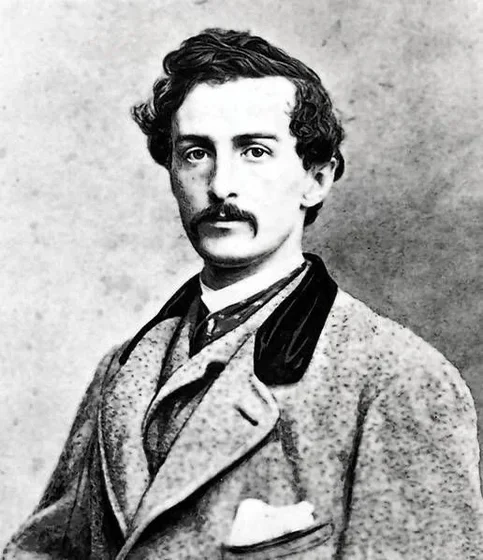
- Assassination of Abraham Lincoln: Booth’s most notorious act, the assassination of President Lincoln, remains the central controversy of his life.
- Confederate Loyalty: His strong support for the Confederacy and opposition to the Union caused significant tension with his family, particularly his brother Edwin.
- Kidnapping Plot: Before the assassination, Booth and his co-conspirators had planned to kidnap Lincoln, but the plan fell through.
- Family and Friends: Many of Booth’s family members and friends were shocked and appalled by his actions, leading to strained relationships.
- Escape and Pursuit: The intense manhunt for Booth after the assassination, which lasted 12 days, captured the nation’s attention and fueled public outrage.
- Death: The circumstances of Booth’s death, particularly the actions of Sergeant Boston Corbett, remain a subject of debate.
- Conspiracy Theories: Various conspiracy theories have emerged over the years, suggesting that Booth was part of a larger plot involving higher-level Confederate officials.
- Legal Proceedings: The trials of Booth’s co-conspirators, including Mary Surratt, added to the controversy and public scrutiny.
Control vs Chaos
John Wilkes Booth’s life was a constant struggle between his desire for control and the chaos that seemed to follow him. On one hand, he was a meticulous planner, carefully plotting the kidnapping and assassination of Abraham Lincoln. His attention to detail and strategic thinking were evident in the elaborate plans he devised. On the other hand, his actions often led to chaos, both in his personal life and in the broader historical context. The assassination of Lincoln plunged the nation into a state of mourning and political turmoil, and Booth’s own life ended in a chaotic and violent manner. This duality reflects the complex nature of his character and the impact of his actions on history.
Emotional Geography
The emotional landscape of John Wilkes Booth’s life was marked by intense passion and polarized emotions. His deep love for the stage and his artistic pursuits was matched by his fervent political beliefs. Booth felt a strong connection to his family and his Southern roots, which fueled his loyalty to the Confederate cause. However, his actions often isolated him from those he loved, leading to a sense of loneliness and desperation. The emotional geography of his life was a mix of high highs and low lows, from the adoration of theater audiences to the condemnation and pursuit that followed his assassination of Lincoln.
FAQs
-
Who was John Wilkes Booth?
John Wilkes Booth was an American actor and Confederate sympathizer who assassinated President Abraham Lincoln on April 14, 1865.
-
When was John Wilkes Booth born?
John Wilkes Booth was born on May 10, 1838, in Bel Air, Maryland.
-
What was John Wilkes Booth’s profession?
Booth was a professional actor known for his performances in Shakespearean plays and other dramatic roles.
-
Why did John Wilkes Booth assassinate Abraham Lincoln?
Booth was a staunch Confederate sympathizer who believed that Lincoln was responsible for the destruction of the South and the loss of states’ rights.
-
Who were John Wilkes Booth’s co-conspirators?
Booth’s co-conspirators included Lewis Powell, David Herold, George Atzerodt, and Mary Surratt, among others.
-
How did John Wilkes Booth die?
Booth was shot and killed by Sergeant Boston Corbett on April 26, 1865, in a barn in Virginia during his attempt to evade capture.
-
What was John Wilkes Booth’s role in the kidnapping plot?
Booth initially planned to kidnap Lincoln and exchange him for Confederate prisoners of war, but the plan was abandoned in favor of assassination.
-
How did John Wilkes Booth’s family react to his actions?
His actions caused significant strain within his family, with some members, like his brother Edwin, expressing deep disappointment and sorrow.
-
What were some of John Wilkes Booth’s favorite roles on stage?
Booth was particularly fond of performing Shakespearean roles, such as Romeo and Richard III, and was known for his dynamic and emotional performances.
-
What were John Wilkes Booth’s political beliefs?
Booth was a strong supporter of the Confederate cause, states’ rights, and the secession of Southern states from the Union.
-
How did John Wilkes Booth escape after the assassination?
fter shooting Lincoln, Booth jumped from the presidential box to the stage, broke his leg, and fled the theater. He then escaped to Virginia, where he was eventually captured.
-
What is the significance of John Wilkes Booth’s assassination of Lincoln in American history?
The assassination had a profound impact on American history, leading to increased political instability and altering the course of Reconstruction in the South.
-
Are there any conspiracy theories surrounding John Wilkes Booth’s assassination?
Yes, several conspiracy theories suggest that Booth was part of a larger plot involving Confederate officials or that he escaped and lived under a different identity.
John Wilkes Booth’s life and actions continue to be a subject of historical study and debate. His legacy is a complex mix of artistic talent and tragic infamy, reflecting the tumultuous times in which he lived and the profound impact of his actions on American history. Despite the controversy surrounding his name, Booth’s story remains a crucial part of understanding the Civil War era and the immediate post-war period in the United States.