
Johnny Cash, often referred to as the “Man in Black,” is an American icon whose life and music have left an indelible mark on the cultural landscape. Born on February 26, 1932, in Kingsland, Arkansas, Cash’s journey from a humble farm boy to a global musical legend is a story of perseverance, authenticity, and complex emotions. Known for his deep, resonant voice and his distinctive style, Cash’s career spanned over five decades, during which he released over 90 albums. His music transcended genres, influencing countless artists and touching the lives of millions. Despite his immense success, Cash faced numerous personal challenges, including struggles with addiction and health issues. Yet, his resilience and unwavering commitment to his art continue to inspire generations of music lovers.
PERSONAL INFORMATION
| Name | Johnny Cash |
|---|---|
| Date of Birth | 26 February 1932 |
| Age at Death | 71 Years |
| Zodiac Sign | Pisces |
| Date of Death | 12 September 2003 |
| Place of Death | Nashville |
| Place of Birth | Kingsland |
| Nationality | United States |
| Birth Name | J. R. Cash |
| Languages Spoken | English |
| Gender | Male |
| Religion | Baptists |
| Native Language | English |
| Native Name | Johnny Cash |
| Residence | Farm No. 266—Johnny Cash Boyhood Home, House of Johnny Cash, Kingsland |
PHYSICAL STATISTICS
| Height (in centimeters) | 188 cm |
|---|---|
| Height (in meters) | 1.88 m |
| Height (in feet inches) | 6′ 2″ |
FAMILY
| Children | Rosanne Cash, John Carter Cash, Kathy Cash, Cindy Cash, Tara Cash |
|---|---|
| Father | Ray Cash |
| Mother | Carrie Cloveree Rivers |
| Spouse | Vivian Liberto, June Carter Cash |
| Siblings | Reba Hancock, Joanne Cash, Louise Cash, Tommy Cash, Roy Cash, Jack Cash |
CAREER
| Profession | singer-songwriter, actor, guitarist |
|---|---|
| Member Of | The Highwaymen, Million Dollar Quartet, Johnny Cash and the Tennessee Two, Johnny Cash & June Carter |
| Awards Received | National Medal of Arts, Grammy Lifetime Achievement Award, Grammy Legend Award, Rock and Roll Hall of Fame, Library of Congress Living Legend, Horatio Alger Award, Kennedy Center Honors, Americana Award for Artist of the Year, “Spirit of Americana” Free Speech Award, star on Hollywood Walk of Fame, Willie Nelson Lifetime Achievement Award |
| Voice Type | bass-baritone, baritone |
| Instruments | guitar, voice |
| Genre | country music, outlaw country, gospel music, rock and roll, rockabilly, blues, traditional folk music |
| Record Label | Sun Records, Charly Records, Columbia Records, American Recordings, House of Cash |
| Work Period Start | 1954 |
| Notable Works | At Folsom Prison, Folsom Prison Blues, I Walk the Line, Ring of Fire |
| Work Period End | 2003 |
SOCIAL MEDIA & LINKS
| IMDB ID | nm0143599, ch0005795 |
|---|---|
| Official Website | https://johnnycash.com |
| johnnycash | |
| YouTube Channel | UCiGs21G3KeE2tpbbMPzn9Qg, UCLwdOhL6TKbmjRtZ8wIr-Bg, UCp_8NqIsZVAaGiVi3im7A8Q |
| @JohnnyCash | |
| @johnnycash | |
| Wikipedia | Wikipedia |
Cost of becoming
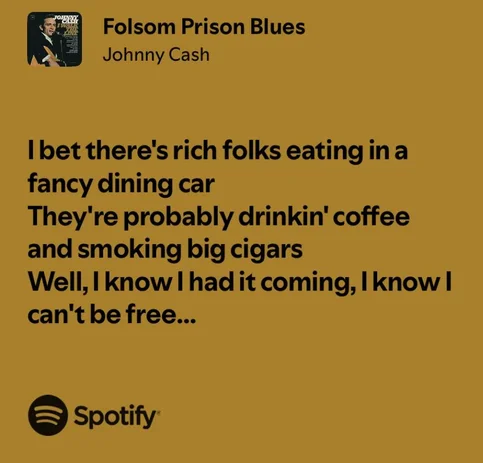
The road to stardom for Johnny Cash was paved with both hardship and determination. Growing up during the Great Depression, Cash’s family faced severe financial struggles, which instilled in him a deep work ethic and a strong connection to the struggles of the working class. His early experiences of poverty and hardship provided the emotional depth that would later characterize his music. Cash’s journey to fame also required personal sacrifices, including leaving behind his roots and enduring the pressure of constant touring and performing. Despite the challenges, Cash’s unwavering dedication to his craft and his unique musical vision ultimately propelled him to the top of the music industry, where he remained a beloved and influential figure until his death in 2003.
Identity before fame
Before he became a household name, Johnny Cash was J.R. Cash, the fourth of seven children born to Ray and Carrie Cash. His family moved to Dyess, Arkansas, as part of a New Deal resettlement program, where they lived on a farm. Cash’s early life was marked by hard work and the struggles of the Great Depression. He developed a love for music and storytelling at a young age, often listening to the radio and singing gospel songs with his family. Cash’s talent was evident even in his youth, and he began performing in local talent shows and on the radio. His experiences in Arkansas shaped his identity and his musical style, infusing his songs with a sense of authenticity and connection to his Southern roots.
Production Houses Associated With Johnny Cash
| Production House | Number of Movies |
|---|---|
| CBS | 3 |
| Shout! Factory | 3 |
| Joseph Cates Productions | 2 |
| The Cates Brothers Company | 2 |
| WHE International | 1 |
| Sunfall Productions | 1 |
| Hallway Productions | 1 |
| BBC Manchester | 1 |
| Granada Television | 1 |
| ITV | 1 |
Directors Johnny Cash Frequently Works With
| Director | Number of Movies |
|---|---|
| Walter C. Miller | 3 |
| Gary Nelson | 2 |
| Ray Santilli | 1 |
| Adam S. Depew | 1 |
| Jim Brown | 1 |
| Chris Rodley | 1 |
| Michael Darlow | 1 |
| Bill Karn | 1 |
| Lamont Johnson | 1 |
| Ken O’Neill | 1 |
Movie Genres of Johnny Cash
| Genre | Number of Movies |
|---|---|
| Music | 98 |
| Documentary | 67 |
| Drama | 12 |
| TV Movie | 12 |
| Comedy | 6 |
| History | 6 |
| Crime | 4 |
| Western | 4 |
| Family | 4 |
| Thriller | 2 |
Year-wise Movies of Johnny Cash
| Year | Number of Movies |
|---|---|
| 2025 | 4 |
| 2023 | 2 |
| 2022 | 2 |
| 2021 | 3 |
| 2020 | 5 |
| 2019 | 4 |
| 2018 | 2 |
| 2016 | 2 |
| 2015 | 4 |
| 2014 | 3 |
| 2013 | 2 |
| 2012 | 1 |
| 2011 | 1 |
| 2009 | 2 |
| 2008 | 7 |
Timeline
- 1932: Born in Kingsland, Arkansas
- 1946: Started playing guitar and writing songs
- 1950: Enlisted in the United States Air Force
- 1954: Signed with Sun Records
- 1955: Released his debut single, “Cry, Cry, Cry”
- 1958: Released the hit single “I Walk the Line”
- 1963: Performed at Folsom Prison and recorded “Live at Folsom Prison”
- 1968: Married June Carter
- 1986: Inducted into the Rock and Roll Hall of Fame
- 2003: Died in Nashville, Tennessee
Favourites
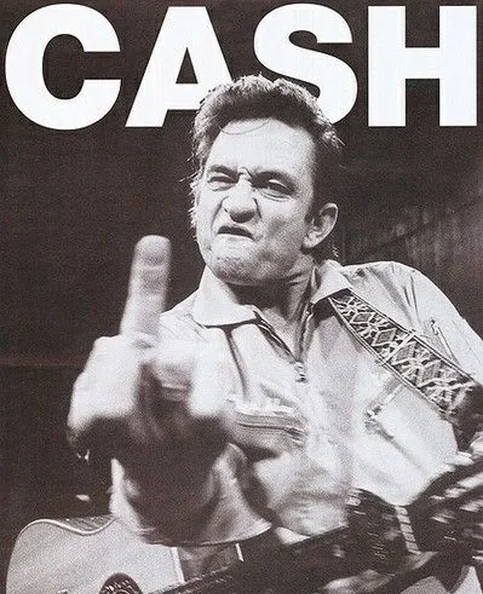
- Favorite songs: “I Walk the Line,” “Folsom Prison Blues,” “Ring of Fire”
- Favorite instruments: Guitar, harmonica
- Favorite performers: Elvis Presley, Hank Williams, Woody Guthrie
- Favorite books: The Bible, “Moby Dick” by Herman Melville
- Favorite places: Highway 90, the country roads of Arkansas
- Favorite foods: Home-cooked meals, fried catfish
- Favorite activities: Fishing, hunting, riding horses
- Favorite hobbies: Reading, writing, gardening
Controversies
- Drug addiction: Cash struggled with amphetamine and barbiturate addiction throughout much of his career, leading to erratic behavior and health issues.
- Marital troubles: His first marriage to Vivian Liberto ended in divorce due to his infidelity and substance abuse.
- Legal issues: Cash was arrested several times, including for grand larceny in 1965 and for drug possession in 1960 and 1965.
- Financial mismanagement: His financial troubles and lavish spending habits led to bankruptcy in the 1970s.
- Performance cancellations: Cash canceled numerous performances due to his addiction and health issues, frustrating fans and promoters.
- Political stances: His outspoken support for Native American rights and his criticism of the Vietnam War drew both praise and backlash.
- Personal conflicts: Cash had a tumultuous relationship with his family, including clashes with his brother Tommy over business matters.
- Stage antics: His on-stage behavior, including his signature booming voice and dramatic performances, sometimes provoked controversy.
- Religious views: Cash’s public profession of faith and his sometimes unconventional religious practices were subjects of debate among his fans.
- Environmental concerns: His love for the outdoors and his advocacy for environmental conservation sometimes put him at odds with those who favored industrial development.
Control vs chaos
Johnny Cash’s life was a constant struggle between control and chaos. On one hand, he was a meticulous performer, known for his precise stagecraft and the disciplined structure of his concerts. He had a deep understanding of his craft and was meticulous in his songwriting and performance. On the other hand, his personal life was often marked by chaos, particularly during his battles with drug addiction. The struggle to maintain control over his addictions and personal demons was a recurring theme in his life, and it often spilled into his professional life. Despite the chaos, Cash’s ability to channel his personal struggles into his music gave his performances an authentic and profound depth that resonated with his audience.
Emotional geography
The emotional landscape of Johnny Cash’s life was vast and varied, reflecting the many facets of his complex personality. His music often delved into themes of pain, redemption, and resilience, drawing from his own experiences of hardship, loss, and triumph. The rural South, where he grew up, was a place of deep emotional significance for Cash, and it often served as a backdrop for his songs. Despite his success, Cash never lost touch with his roots, and his music continued to reflect the struggles and joys of everyday life. His emotional geography was also shaped by his relationships, particularly his marriage to June Carter, which provided him with a profound sense of stability and love. Cash’s ability to navigate the emotional terrain of his life with honesty and vulnerability is what made him such a compelling and enduring figure in American music.
FAQs
-
Who was Johnny Cash?
Johnny Cash, born J.R. Cash, was an American singer, songwriter, and actor. He is widely regarded as one of the most influential musicians of the 20th century, known for his distinctive voice and his deep, resonant songs about the struggles and triumphs of everyday life.
-
When was Johnny Cash born?
Johnny Cash was born on February 26, 1932, in Kingsland, Arkansas.
-
What was Johnny Cash’s first big hit?
Johnny Cash’s first big hit was “I Walk the Line,” which was released in 1956 and became one of his signature songs.
-
What is Johnny Cash’s most famous album?
One of Johnny Cash’s most famous albums is “At Folsom Prison,” recorded live at Folsom State Prison in 1968. The album is considered a classic and helped revive his career.
-
Who did Johnny Cash marry?
Johnny Cash married June Carter in 1968. June was a member of the Carter Family and a renowned singer-songwriter in her own right. Their relationship was a significant source of inspiration for Cash’s music.
-
How many children did Johnny Cash have?
Johnny Cash had three children with his first wife, Vivian Liberto: Rosanne, Kathleen, and Cindy. He also had a stepdaughter, Carlene Carter, from June Carter’s previous marriage.
-
What was Johnny Cash’s significance in country music?
Johnny Cash is one of the most significant figures in country music. His unique sound, which blended elements of folk, rock, and blues, helped to popularize country music and expand its audience. He was also known for his authenticity and his willingness to address social and political issues in his music.
-
What were some of Johnny Cash’s notable awards?
Johnny Cash received numerous awards throughout his career, including multiple Grammy Awards, induction into the Rock and Roll Hall of Fame, and the Kennedy Center Honors. He was also posthumously awarded the Presidential Medal of Freedom.
-
How did Johnny Cash’s drug addiction affect his career?
Johnny Cash’s struggles with drug addiction, particularly amphetamines and barbiturates, had a significant impact on his career. His addiction led to erratic behavior, health issues, and legal troubles, but it also inspired some of his most powerful and emotionally resonant songs.
-
What was Johnny Cash’s relationship with Folsom Prison?
Johnny Cash’s relationship with Folsom Prison began with his famous performance and live album recorded there in 1968. The album, “At Folsom Prison,” was a critical and commercial success and helped to revitalize his career. Cash continued to perform at prisons throughout his life, advocating for prison reform and the rehabilitation of inmates.
-
What were some of Johnny Cash’s most popular songs?
Some of Johnny Cash’s most popular songs include “I Walk the Line,” “Folsom Prison Blues,” “Ring of Fire,” “A Boy Named Sue,” “Jackson,” and “Man in Black.”
-
How did Johnny Cash’s faith influence his music?
Johnny Cash’s deep Christian faith was a significant influence on his music. Many of his songs reflect his religious beliefs and his struggles with faith and doubt. He was known for his powerful gospel performances and his public profession of faith, which often resonated with his audience.
-
What was Johnny Cash’s legacy?
Johnny Cash’s legacy is that of a musical icon who transcended genres and touched the hearts of people around the world. His music continues to influence artists and inspire fans, and his life story of perseverance and redemption is a testament to the enduring power of music and the human spirit.