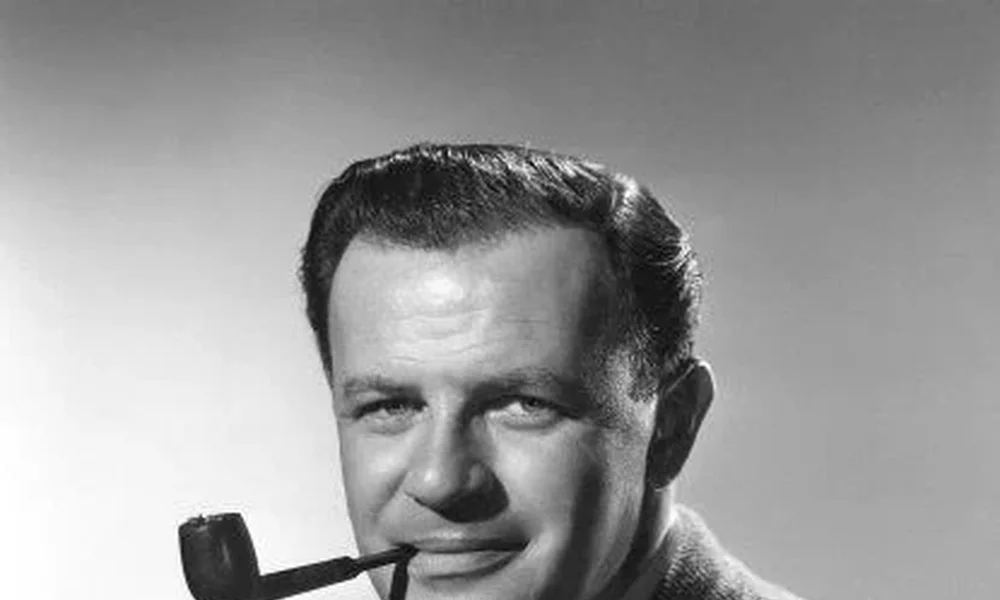
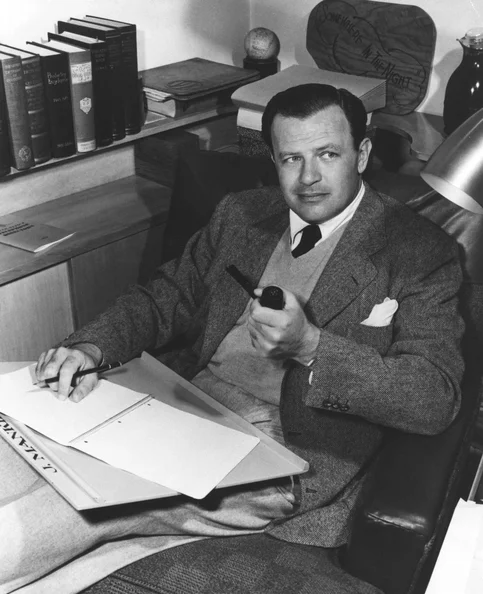
Joseph L. Mankiewicz, born on February 11, 1909, in Wilkes-Barre, Pennsylvania, was a towering figure in the American film industry. Renowned for his dual talents as a screenwriter and director, Mankiewicz left an indelible mark on cinema with his nuanced, dialogue-driven films that often explored the complexities of human relationships and societal norms. His films, such as “All About Eve” (1950) and “Cleopatra” (1963), are celebrated for their meticulous attention to detail, sharp wit, and profound storytelling. Mankiewicz’s contributions to film have earned him numerous accolades, including multiple Academy Awards, solidifying his status as one of the most influential filmmakers of the 20th century.
PERSONAL INFORMATION
| Name | Joseph L. Mankiewicz |
|---|---|
| Nationality | United States |
| Place of Birth | Wilkes-Barre |
| Place of Death | Bedford |
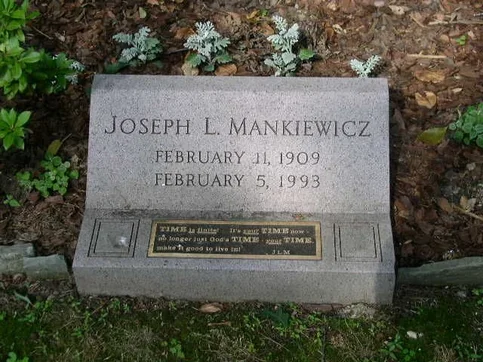
| Date of Birth | 11 February 1909 |
| Age at Death | 83 Years |
| Zodiac Sign | Aquarius |
| Date of Death | 05 February 1993 |
| Languages Spoken | German, English |
| Native Name | Joseph Leo Mankiewicz |
| Gender | Male |
| Native Language | English |
FAMILY
| Children | Tom Mankiewicz |
|---|---|
| Spouse | Rose Stradner, Elizabeth Young |
| Siblings | Herman J. Mankiewicz |
EDUCATION
| Educated At | Columbia University, Stuyvesant High School |
|---|
CAREER
| Profession | film producer, film director, screenwriter, actor, translator, trade unionist, director |
|---|---|
| Awards Received | Writers Guild of America Award, Directors Guild of America Award, Academy Award for Best Director, Academy Award for Best Director, Academy Award for Best Writing, Adapted Screenplay, Academy Award for Best Writing, Adapted Screenplay, National Board of Review Award for Best Film, star on Hollywood Walk of Fame |
| Nominations | Academy Award for Best Director, Academy Award for Best Director, Academy Award for Best Director, Academy Award for Best Director, Academy Award for Best Writing, Original Screenplay, Academy Award for Best Writing, Original Screenplay, Academy Award for Best Writing, Adapted Screenplay, Academy Award for Best Writing, Adapted Screenplay, Academy Award for Best Writing, Adapted Screenplay, Academy Award for Best Picture |
| Work Period Start | 1929 |
Cost of becoming
The path to becoming one of Hollywood’s most respected filmmakers was not without its challenges for Joseph L. Mankiewicz. He was born into a family with a rich literary and artistic heritage, which provided a fertile ground for his early interests in writing and theater. However, the financial struggles of his family during the Great Depression and the early loss of his father, lawyer and playwright Maurice Mankiewicz, in 1922, forced Joseph to take on various jobs to support himself and his family. These early experiences instilled in him a strong work ethic and a deep appreciation for the power of storytelling as a means of both escape and expression.
Identity before fame
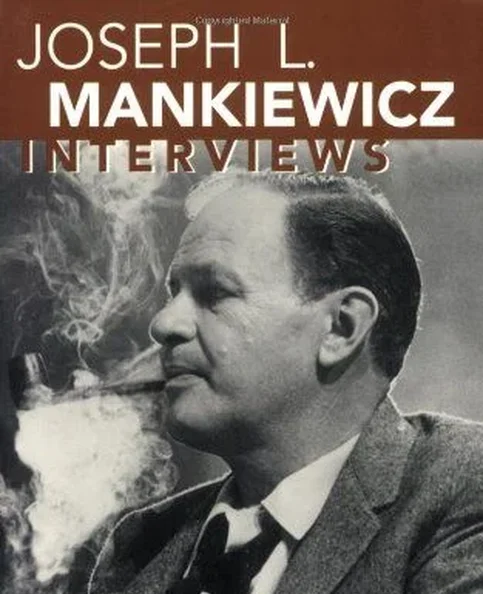
Before achieving fame in Hollywood, Joseph L. Mankiewicz had a diverse range of experiences that shaped his identity and career. He studied literature and philosophy at Princeton University, where he honed his skills in writing and critical thinking. After graduation, he worked as a journalist and a radio scriptwriter, which provided him with valuable experience in crafting compelling narratives. He also dabbled in theater, both as a stage manager and a playwright, further refining his understanding of character development and dramatic structure. These formative years laid the foundation for his later success in the film industry.
Timeline
- 1909 – Born in Wilkes-Barre, Pennsylvania
- 1927 – Enrolls at Princeton University to study literature and philosophy
- 1931 – Begins working as a journalist and radio scriptwriter in New York City
- 1933 – Moves to Hollywood to work as a screenwriter for Paramount Pictures
- 1940 – Directs his first film, “The Toy Wife,” for Columbia Pictures
- 1949 – Wins Academy Awards for Best Director and Best Original Screenplay for “A Letter to Three Wives”
- 1950 – Achieves unparalleled success with “All About Eve,” winning Academy Awards for Best Director and Best Adapted Screenplay
- 1954 – Produces and directs the epic “The Barefoot Contessa,” starring Humphrey Bogart and Ava Gardner
- 1963 – Directs the lavish and controversial film “Cleopatra,” featuring Elizabeth Taylor and Richard Burton
- 1993 – Passes away in New York City at the age of 84
Favourites
- Favorite actors: Bette Davis, Humphrey Bogart, and Elizabeth Taylor
- Favorite films: “All About Eve,” “Cleopatra,” and “The Barefoot Contessa”
- Favorite books: “Ulysses” by James Joyce and “The Great Gatsby” by F. Scott Fitzgerald
- Favorite directors: Orson Welles and Alfred Hitchcock
- Favorite playwrights: William Shakespeare and Tennessee Williams
- Favorite cities: New York City and Rome
- Favorite hobbies: Writing and traveling
Controversies
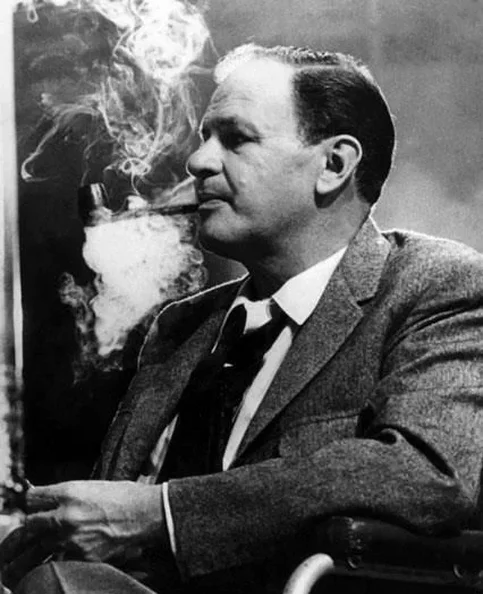
- His brother, Herman Mankiewicz, is believed by some to have written the original screenplay for “Citizen Kane,” which was officially credited to Orson Welles.
- The production of “Cleopatra” was fraught with delays, budget overruns, and cast controversies, making it one of the most expensive and troubled film productions of its time.
- Mankiewicz’s reputation as a perfectionist and his sometimes difficult relationships with actors and producers led to clashes on set.
- His decision to reshoot significant portions of “Cleopatra” after the original shooting concluded caused tensions with 20th Century Fox executives.
- The extensive reshoots and post-production work on “Cleopatra” led to rumors of infidelity and personal conflicts on set.
- Some critics accused Mankiewicz of favoring dialogue over visual storytelling, which they believed detracted from the cinematic experience.
- His handling of the script for “Spartacus” (1960) was criticized by some for being too verbose and lacking the necessary action sequences.
- Mankiewicz’s decision to shoot “Cleopatra” in England rather than Egypt was met with criticism from purists who felt it compromised the authenticity of the film.
- His later films, such as “5 Fingers” (1952) and “Suddenly, Last Summer” (1959), were sometimes panned by critics for being too verbose and lacking the visual flair of his earlier works.
- The casting of Elizabeth Taylor as Cleopatra was controversial due to her affair with co-star Richard Burton during the production.
Control vs Chaos
Joseph L. Mankiewicz’s approach to filmmaking was a delicate balance between control and chaos. As a meticulous director, he was known for his detailed preparation and strict adherence to his vision. However, he also understood the value of spontaneous creativity and was not afraid to deviate from the script if it meant enhancing the film. This duality is evident in his ability to craft tightly structured narratives while allowing his actors the freedom to bring their own interpretations to their roles. This balance of control and chaos was particularly evident in the production of “Cleopatra,” where Mankiewicz had to navigate the complexities of a massive budget, challenging logistics, and interpersonal conflicts to deliver a film that, despite its controversies, remains a landmark in cinema history.
Emotional Geography
Joseph L. Mankiewicz’s films often delve into the emotional landscapes of his characters, exploring the intricate dynamics of power, ambition, and relationships. His keen understanding of human nature and his ability to translate complex emotions into compelling narratives set him apart from his contemporaries. Whether it was the ruthless ambition of Eve Harrington in “All About Eve” or the tragic downfall of Cleopatra in the eponymous film, Mankiewicz’s characters were richly nuanced and deeply human. His films often served as a mirror to the emotional and psychological struggles of the audience, inviting them to reflect on their own lives and motivations. This emotional depth and authenticity are what make Mankiewicz’s films timeless and resonant, connecting with viewers across generations.
FAQs
-
Who was Joseph L. Mankiewicz?
Joseph L. Mankiewicz was an American film director and screenwriter known for his influential work in cinema. He won multiple Academy Awards and is celebrated for films like “All About Eve” and “Cleopatra.”
-
What are some of his most famous films?
Some of Joseph L. Mankiewicz’s most famous films include “All About Eve” (1950), “Cleopatra” (1963), “The Barefoot Contessa” (1954), and “A Letter to Three Wives” (1949).
-
What awards did Joseph L. Mankiewicz win?
Mankiewicz won several Academy Awards, including Best Director and Best Adapted Screenplay for “All About Eve” and Best Original Screenplay for “A Letter to Three Wives.”
-
What was his early life like?
Joseph L. Mankiewicz was born in 1909 in Wilkes-Barre, Pennsylvania. He studied literature and philosophy at Princeton University and worked in various roles, including journalism and radio, before entering the film industry.
-
How did he start his career in the film industry?
Mankiewicz began his career in the film industry as a screenwriter for Paramount Pictures in 1933. He later transitioned into directing, making his debut with “The Toy Wife” in 1940.
-
What was his working style?
Mankiewicz was known for his meticulous preparation and attention to detail. He was a perfectionist who insisted on getting every aspect of his films right, from the script to the performances of his actors.
-
Who were some of his favorite actors?
Some of Mankiewicz’s favorite actors included Bette Davis, Humphrey Bogart, and Elizabeth Taylor. He worked with these actors on several of his most acclaimed films.
-
What was the production of “Cleopatra” like?
The production of “Cleopatra” was notoriously difficult, with numerous delays, budget overruns, and cast controversies. Despite the challenges, the film remains a landmark in cinema history.
-
What were some of the controversies surrounding “Cleopatra”?
“Cleopatra” faced several controversies, including the affair between Elizabeth Taylor and Richard Burton during production, the film’s massive budget, and its troubled production process.
-
How did he balance control and chaos in his films?
Mankiewicz balanced control and chaos by meticulously preparing his films but also allowing for spontaneous creativity. He was known for his detailed scripts but also encouraged his actors to bring their own interpretations to their roles.
-
What is the emotional depth of his films?
Mankiewicz’s films are known for their deep emotional resonance, exploring complex themes and relationships. His characters are often richly nuanced, inviting viewers to reflect on their own lives and motivations.
-
What influenced his writing and directing style?
Mankiewicz’s writing and directing style was influenced by his background in literature and philosophy, as well as his experience in journalism and theater. He valued sharp dialogue and nuanced character development.
-
How did he handle criticism and controversy?
Mankiewicz was known for his professionalism and resilience in the face of criticism and controversy. He often used feedback to improve his work and remained dedicated to his artistic vision.
-
What is his legacy in cinema?
Joseph L. Mankiewicz’s legacy in cinema is marked by his influence on the craft of screenwriting and directing. His films continue to be studied and celebrated for their narrative complexity and emotional depth.
Joseph L. Mankiewicz’s contributions to cinema are a testament to his talent, dedication, and visionary approach. His films continue to inspire and captivate audiences, making him an enduring figure in the annals of film history. Through his meticulous craftsmanship and deep understanding of human nature, Mankiewicz left an indelible mark on the art of storytelling.