
Jules Dassin was a renowned American filmmaker, screenwriter, and actor whose career spanned several decades and continents. Born in 1911 in Middletown, Connecticut, Dassin’s journey through the world of cinema is marked by significant contributions to both American and European film industries. His works, including classics like “Rififi” and “Never on Sunday,” have left an indelible mark on the history of cinema. Known for his ability to blend suspense with social commentary, Dassin’s films often explored themes of crime, corruption, and human resilience. Despite facing career setbacks due to the Hollywood blacklist, he managed to reinvent himself and achieve international acclaim. This article delves into the life, work, and legacy of Jules Dassin, providing a comprehensive overview of his journey from early struggles to global recognition.
PERSONAL INFORMATION
| Name | Jules Dassin |
|---|---|
| Place of Birth | Middletown |
| Place of Death | Athens |
| Nationality | United States, France, Greece |
| Date of Birth | 18 December 1911 |
| Age at Death | 96 Years |
| Zodiac Sign | Sagittarius |
| Date of Death | 31 March 2008 |
| Birth Name | Julius Dassin |
| Languages Spoken | German, English, Modern Greek |
| Native Name | Jules Dassin |
| Gender | Male |
| Ethnicity | Jewish people |
| Native Language | English |
| Religion | Judaism |
FAMILY
| Children | Joe Dassin, Julie Dassin, Richelle Dassin |
|---|---|
| Spouse | Melina Mercouri, Béatrice Launer |
EDUCATION
| Educated At | Morris High School, Camp Kinderland |
|---|
CAREER
| Profession | film director, screenwriter, film producer, actor, theatrical director, director |
|---|---|
| Nominations | Academy Award for Best Director, Academy Award for Best Writing, Original Screenplay, Tony Award for Best Direction of a Musical |
| Work Period Start | 1934 |
| Genre | film noir |
| Awards Received | Cannes Best Director Award |
| Work Period End | 1980 |
Cost of becoming
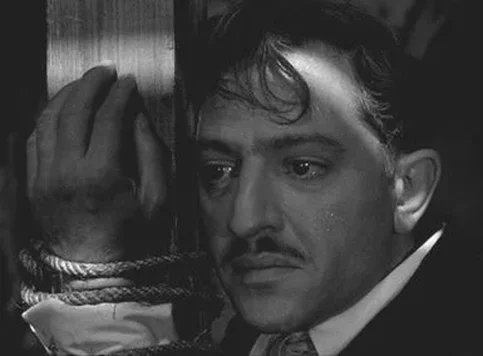
The path to becoming a celebrated filmmaker was not easy for Jules Dassin. His early years were marked by financial struggles and a relentless pursuit of his passion for the arts. Dassin began his career as a stage actor and director, working with the Group Theatre in New York. However, his transition to cinema was not smooth. The outbreak of World War II and the subsequent Hollywood blacklist posed significant challenges. Despite these obstacles, Dassin’s determination and talent eventually led to breakthroughs, including his directorial debut with “The Tell-Tale Heart” in 1941. The cost of his success was high, but his unwavering commitment to his craft ultimately paid off, earning him a place in the annals of cinema history.
Identity before fame
Before achieving fame, Jules Dassin led a modest life. Born to a Russian Jewish family, he grew up in a close-knit community. His early exposure to theater and literature nurtured his artistic inclinations. Dassin’s involvement with the Group Theatre in the 1930s provided him with valuable experience and connections in the theatrical world. He worked as a stage actor and director, honing his skills and building a foundation for his future career. Despite the challenges of the Great Depression and the early years of World War II, Dassin remained steadfast in his pursuit of a career in the arts.
Production Houses Associated With Jules Dassin
| Production House | Number of Movies |
|---|---|
| MelinaFilm | 2 |
| Indusfilms | 1 |
| Société Nationale Pathé Cinéma | 1 |
| Prima Films | 1 |
| Lopert Pictures Corporation | 1 |
| Joele | 1 |
| Jorilie | 1 |
| 20th Century Fox | 1 |
| Producciones Kilimanjaro | 1 |
| 21/31 Productions | 1 |
Directors Jules Dassin Frequently Works With
| Director | Number of Movies |
|---|---|
| Jules Dassin | 6 |
| Spiro Taraviras | 1 |
| Vladimir Marochkin | 1 |
| Daniel Kremer | 1 |
| Carlos Benpar | 1 |
| Fay Efrosini Lellios | 1 |
| Jane Gabriel | 1 |
| Isidor J. Leontis | 1 |
Movie Genres of Jules Dassin
| Genre | Number of Movies |
|---|---|
| Documentary | 6 |
| Drama | 4 |
| Crime | 3 |
| Thriller | 2 |
| Comedy | 2 |
| Romance | 2 |
| Adventure | 1 |
Year-wise Movies of Jules Dassin
| Year | Number of Movies |
|---|---|
| 2023 | 1 |
| 2008 | 1 |
| 2006 | 1 |
| 2005 | 2 |
| 1993 | 1 |
| 1970 | 1 |
| 1964 | 1 |
| 1962 | 1 |
| 1960 | 1 |
| 1955 | 1 |
| 1949 | 1 |
Timeline
- 1911: Jules Dassin is born in Middletown, Connecticut.
- 1930s: Begins working with the Group Theatre in New York.
- 1941: Directs his first film, “The Tell-Tale Heart.”
- 1947: Receives an Academy Award nomination for Best Director for “Brute Force.”
- 1950s: Blacklisted in Hollywood during the Red Scare, moves to Europe.
- 1955: Directs and stars in “Rififi,” which becomes a critical and commercial success.
- 1960: Directs “Never on Sunday,” which wins the Academy Award for Best Original Song.
- 1964: Directs “Topkapi,” which is nominated for an Academy Award for Best Original Screenplay.
- 1976: Directs “The Circle of Two,” one of his later films.
- 2008: Jules Dassin dies at the age of 96 in Athens, Greece.

Favourites
- Films: “Rififi,” “Never on Sunday,” “Brute Force,” “Topkapi”
- Directors: Orson Welles, John Ford, Alfred Hitchcock
- Actors: Jean Gabin, Melina Mercouri, Maximilian Schell
- Genres: Crime, Drama, Thriller
- Themes: Social injustice, human resilience, the nature of crime
Controversies
- Hollywood Blacklist: Dassin was blacklisted during the Red Scare, which forced him to leave Hollywood and relocate to Europe.
- Cold War Politics: His political views and alleged involvement with left-wing organizations led to his being named in the House Un-American Activities Committee (HUAC) hearings.
- Collaboration with Informants: Some critics accused him of collaborating with informants to clear his name and continue his career.
- Personal Life: Dassin’s relationship with actress Melina Mercouri, while successful professionally, was often tumultuous.
- Censorship Issues: His films, especially “Never on Sunday,” faced censorship challenges due to their frank portrayal of sexuality.
- Support for Greek Military Dictatorship: Dassin’s support for the Greek military junta in the 1960s was controversial and led to criticism.
- Allegations of Anti-Semitism: Despite his Jewish heritage, Dassin faced allegations of anti-Semitic behavior in his films.
- Acting Choices: Some of his acting choices, particularly in European films, were met with mixed reviews.
- Directorial Style: Critics occasionally lambasted his directorial style, especially in his later films.
Control vs chaos
Jules Dassin’s career was a testament to his ability to navigate the often chaotic world of filmmaking. Despite facing numerous challenges, including the Hollywood blacklist and personal controversies, Dassin maintained a sense of control over his creative vision. His films often explored the tension between order and disorder, reflecting his own experiences with the unpredictable nature of the industry. Whether it was the meticulously planned heist in “Rififi” or the chaotic streets of Athens in “Never on Sunday,” Dassin’s work balanced meticulous planning with a willingness to embrace the unexpected, mirroring his own life journey.
Emotional geography
The emotional landscape of Jules Dassin’s films is as varied as the geographical settings he chose. From the gritty streets of New York in “The Naked City” to the sun-drenched Greek islands in “Never on Sunday,” Dassin imbued his work with a deep sense of place. His films often reflected his own emotional journey, from the early days of struggle in America to the later years of triumph in Europe. The emotional geography of his work is a testament to his ability to connect with diverse audiences and to convey universal themes through specific, evocative settings.

FAQs
-
What is Jules Dassin best known for?
Jules Dassin is best known for his directorial works, particularly “Rififi,” “Never on Sunday,” and “Topkapi.” These films showcase his mastery of suspense and his ability to blend crime with social commentary.
-
How did Jules Dassin become a filmmaker?
Jules Dassin began his career as a stage actor and director, working with the Group Theatre in New York. His transition to cinema was marked by his directorial debut with “The Tell-Tale Heart” in 1941.
-
What was the impact of the Hollywood blacklist on Jules Dassin’s career?
The Hollywood blacklist forced Jules Dassin to leave the United States and relocate to Europe. This period was challenging, but it also led to new opportunities and international recognition.
-
What are some of Jules Dassin’s most critically acclaimed films?
Some of Jules Dassin’s most critically acclaimed films include “Rififi,” “Never on Sunday,” and “Brute Force.” These films received numerous accolades and are considered classics in the world of cinema.
-
How did Jules Dassin’s personal life influence his work?
Jules Dassin’s personal experiences, including his struggles with the Hollywood blacklist and his relationship with actress Melina Mercouri, often influenced his films. His work often reflected themes of resilience and the human condition.
-
What was the significance of “Rififi” in Jules Dassin’s career?
“Rififi” was a pivotal film in Jules Dassin’s career. It was a critical and commercial success, helping to re-establish him as a filmmaker after the Hollywood blacklist. The film is renowned for its tense heist sequence and atmospheric storytelling.
-
What was the impact of “Never on Sunday” on Jules Dassin’s career?
“Never on Sunday” solidified Jules Dassin’s international reputation. The film won the Academy Award for Best Original Song and was praised for its portrayal of Greek culture and the human spirit.
-
How did Jules Dassin’s films address social issues?
Jules Dassin’s films often addressed social issues such as crime, corruption, and social injustice. His work frequently highlighted the struggles of marginalized individuals and the resilience of the human spirit.
-
What was Jules Dassin’s approach to directing actors?
Jules Dassin was known for his collaborative approach to directing actors. He encouraged actors to bring their own interpretations to their roles and often worked closely with them to develop nuanced performances.
-
How did Jules Dassin’s European films differ from his American films?
Jules Dassin’s European films often had a more international flavor and explored different cultural settings. His American films, on the other hand, were more grounded in the urban landscape and often reflected the social issues of the time.
-
What is the legacy of Jules Dassin in the film industry?
Jules Dassin’s legacy in the film industry is marked by his innovative storytelling, his ability to blend different genres, and his contributions to both American and European cinema. His films continue to be studied and appreciated for their craftsmanship and thematic depth.
-
How did Jules Dassin’s work influence subsequent filmmakers?
Jules Dassin’s work has influenced subsequent filmmakers through his innovative use of location shooting, his focus on social issues, and his ability to create suspenseful and emotionally resonant films. Many directors cite him as a source of inspiration.
-
What were some of Jules Dassin’s personal philosophies about filmmaking?
Jules Dassin believed in the power of storytelling to convey universal themes and to connect with audiences. He emphasized the importance of authenticity, both in narrative and in the portrayal of characters, and often sought to challenge societal norms through his films.