
Kareem Abdul-Jabbar, born Ferdinand Lewis Alcindor Jr., is a towering figure in the history of basketball and American culture. Standing at 7 feet 2 inches tall, Abdul-Jabbar revolutionized the game with his iconic skyhook shot and exceptional basketball IQ. Beyond his athletic prowess, he is a respected intellectual, author, and social commentator, known for his deep insights on race, religion, and societal issues. Abdul-Jabbar’s influence extends far beyond the basketball court, making him a multifaceted icon whose legacy continues to inspire generations.
PERSONAL INFORMATION
| Name | Kareem Abdul-Jabbar |
|---|---|
| Gender | Male |
| Place of Birth | New York City |
| Nationality | United States |
| Date of Birth | 16 April 1947 |
| Age | 78 Years |
| Zodiac Sign | Aries |
| Religion | Islam, Catholicism |
| Ethnicity | Yoruba people, African Americans |
| Residence | New York City, Los Angeles |
| Birth Name | Ferdinand Lewis Alcindor, Jr. |
| Native Name | كريم عبد الجبار |
| Languages Spoken | English, American English |
| Native Language | English, American English |
PHYSICAL STATISTICS
| Height (in centimeters) | 218 cm |
|---|---|
| Height (in meters) | 2.18 m |
| Height (in feet inches) | 7′ 1″ |
| Weight | 102 Kg (224 lbs) |
| Eye Color | Dark Brown |
FAMILY
| Children | Kareem Abdul-Jabbar, Jr. |
|---|
EDUCATION
| Educated At | University of California, Los Angeles, Power Memorial Academy |
|---|
CAREER
| Profession | basketball player, basketball coach, actor, film producer, author, screenwriter, television actor |
|---|---|
| Awards Received | NBA Rookie of the Year Award, NBA All-Rookie Team, All-NBA Team, Bill Russell NBA Finals Most Valuable Player Award, NBA Most Valuable Player Award, NBA Most Valuable Player Award, All-NBA Team, NBA All-Defensive Team, NBA Most Valuable Player Award, All-NBA Team, All-NBA Team, NBA All-Defensive Team, All-NBA Team, NBA Most Valuable Player Award, NBA Most Valuable Player Award, All-NBA Team, NBA All-Defensive Team, All-NBA Team, NBA Most Valuable Player Award, NBA All-Defensive Team, All-NBA Team, NBA All-Defensive Team, All-NBA Team, Sports Illustrated Sportsperson of the Year, Bill Russell NBA Finals Most Valuable Player Award, All-NBA Team, NAACP Image Award for Outstanding Literary Work – Children, Presidential Medal of Freedom, California Hall of Fame, Naismith Memorial Basketball Hall of Fame |
| Nominations | NAACP Image Award for Outstanding Literary Work – Children |
| Work Period End | 1989 |
| Work Period Start | 1969 |
| Member Of | Writers Guild of America West |
SOCIAL MEDIA & LINKS
| IMDB ID | nm0000717 |
|---|---|
| @kaj33 | |
| Official Website | https://kareemabduljabbar.com/ |
| @kareemabduljabbar_33 | |
| YouTube Channel | UCxoI7PD1_nQu0AQzP6bBCsA |
| kaj | |
| Wikipedia | Wikipedia |
Cost of becoming
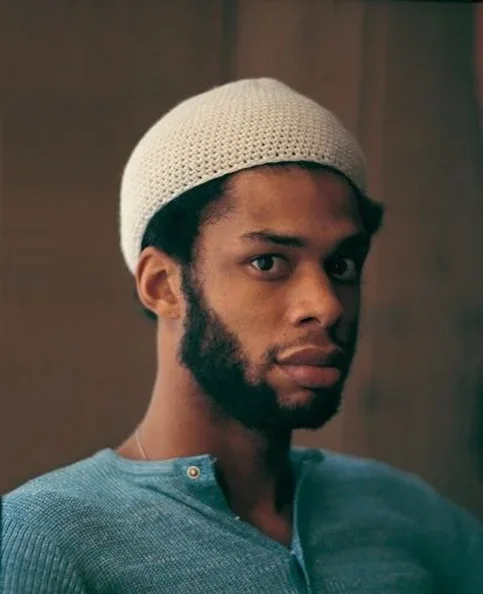
Becoming Kareem Abdul-Jabbar was a journey fraught with challenges and sacrifices. Born in New York City, he faced racial prejudice and the pressures of expectations from a young age. His exceptional height and athletic ability set him apart, but it also made him a target. Abdul-Jabbar’s dedication to excellence, both on and off the court, required relentless practice, mental fortitude, and a strong sense of purpose. His conversion to Islam and name change from Lew Alcindor to Kareem Abdul-Jabbar symbolized a profound personal transformation that required him to navigate complex social and cultural dynamics. This journey not only shaped his identity but also influenced the broader conversations around race and religion in America.
Identity before fame
Before he became a household name, Kareem Abdul-Jabbar was known as Lew Alcindor, a standout basketball player at Power Memorial Academy in New York City. His academic and athletic achievements earned him a scholarship to the University of California, Los Angeles (UCLA), where he played under the legendary coach John Wooden. Alcindor’s time at UCLA was marked by both triumph and controversy, as he faced criticism for his decision to boycott the 1968 Olympics in protest of racial discrimination. Despite the challenges, his dominance on the court and his commitment to social justice laid the foundation for his future success and influence.
Timeline
- 1947: Born as Ferdinand Lewis Alcindor Jr. in New York City
- 1965: Wins New York State high school championship with Power Memorial Academy
- 1967: Leads UCLA to its first NCAA championship
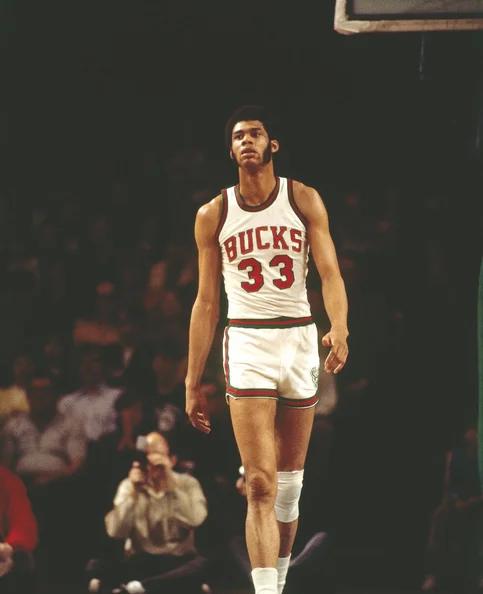
- 1969: Graduates from UCLA and is drafted by the Milwaukee Bucks
- 1971: Wins his first NBA championship with the Milwaukee Bucks
- 1975: Converts to Islam and changes his name to Kareem Abdul-Jabbar
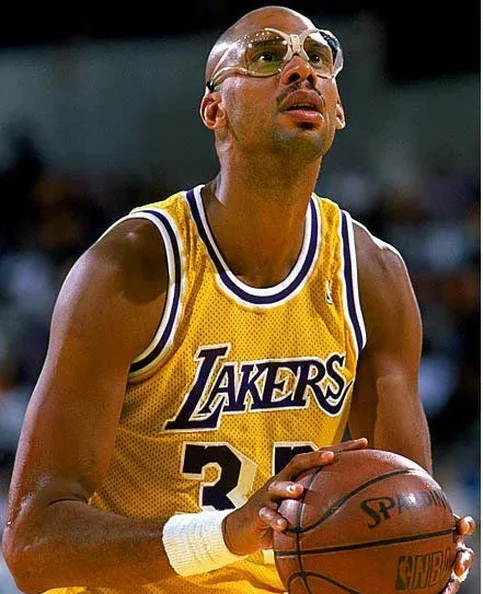
- 1980: Helps the Los Angeles Lakers win their first championship in his first season with the team
- 1989: Retires from the NBA, having played for 20 seasons
- 1995: Inducted into the Naismith Memorial Basketball Hall of Fame
- 2012: Receives the Presidential Medal of Freedom
Favourites
- Favorite Book: “The Autobiography of Malcolm X” by Malcolm X and Alex Haley
- Favorite Movie: “Apocalypse Now” directed by Francis Ford Coppola
- Favorite Musician: John Coltrane
- Favorite Sport (besides basketball): Track and Field
- Favorite Historical Figure: Malcolm X
- Favorite Color: Blue
- Favorite Food: Sushi
- Favorite Type of Music: Jazz
- Favorite Author: James Baldwin
- Favorite Place to Visit: Egypt
Controversies
- 1967: Boycotted the 1968 Olympics in protest of racial discrimination in the United States
- 1968: Criticized for his perceived lack of patriotism and support for the civil rights movement
- 1970: Refused to play for the U.S. Olympic basketball team
- 1975: Converted to Islam and changed his name from Lew Alcindor to Kareem Abdul-Jabbar, causing a media frenzy
- 1980: Faced criticism for his role in the Los Angeles Lakers’ trade negotiations involving Magic Johnson
- 1996: Published a controversial essay in Sports Illustrated criticizing the NBA’s treatment of players
- 2002: Criticized the Bush administration’s policies on race and civil rights
- 2015: Spoke out against the衬衫 benefits provided to police officers, sparking a debate on police reform
- 2017: Criticized the Trump administration’s travel ban as discriminatory
- 2020: Spoke out against police brutality and the systemic racism evident in the death of George Floyd
Control vs chaos
Kareem Abdul-Jabbar’s life is a testament to the delicate balance between control and chaos. Throughout his basketball career, he meticulously honed his skills, maintaining a level of discipline and focus that few could match. Off the court, however, he often found himself navigating the unpredictable and often tumultuous waters of social and political discourse. His activism and public stances on issues such as racial justice and religious freedom often placed him at the center of controversy. Despite the chaos, Abdul-Jabbar’s ability to remain grounded and true to his principles has been a defining aspect of his legacy.
Emotional geography
The emotional geography of Kareem Abdul-Jabbar’s life is as vast and varied as the landscapes he has traversed. From the streets of Harlem to the courts of UCLA and the arenas of the NBA, each location has left an indelible mark on his psyche. The support and love from his family and close friends provided a sense of stability and belonging, while the adversities he faced, both on and off the court, shaped his resilience and determination. Abdul-Jabbar’s emotional journey is one of growth and transformation, marked by a deep commitment to justice, equality, and personal integrity.
FAQs
-
What is Kareem Abdul-Jabbar’s real name?
Kareem Abdul-Jabbar was born as Ferdinand Lewis Alcindor Jr. He legally changed his name to Kareem Abdul-Jabbar in 1971 when he converted to Islam.
-
Where was Kareem Abdul-Jabbar born?
Kareem Abdul-Jabbar was born in New York City, New York, on April 16, 1947.
-
Who were Kareem Abdul-Jabbar’s parents?
Kareem Abdul-Jabbar’s parents are Cora Lillian (Patterson) and Ferdinand Lewis Alcindor Sr.
-
What college did Kareem Abdul-Jabbar attend?
Kareem Abdul-Jabbar attended the University of California, Los Angeles (UCLA), where he played college basketball under coach John Wooden.
-
How many NBA championships did Kareem Abdul-Jabbar win?
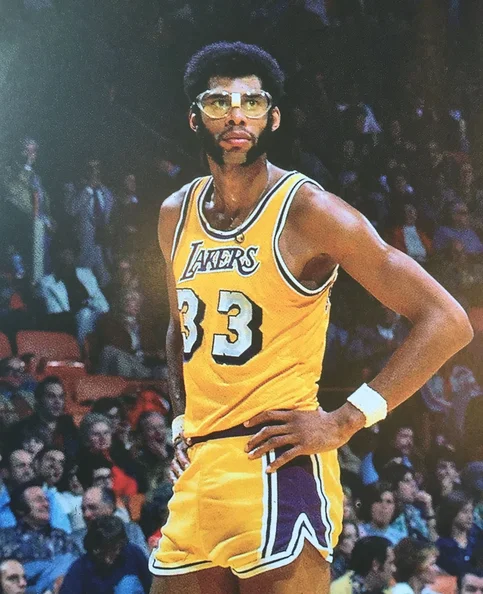
Kareem Abdul-Jabbar won a total of six NBA championships, five with the Los Angeles Lakers (1980, 1982, 1985, 1987, 1988) and one with the Milwaukee Bucks (1971).
-
What is Kareem Abdul-Jabbar’s signature shot?
Kareem Abdul-Jabbar’s signature shot is the skyhook, a nearly unstoppable one-handed hook shot that became his trademark.
-
What is Kareem Abdul-Jabbar’s net worth?
s of 2023, Kareem Abdul-Jabbar’s estimated net worth is approximately $60 million.
-
What languages does Kareem Abdul-Jabbar speak?
Kareem Abdul-Jabbar primarily speaks English. He is also known to have some proficiency in Arabic due to his conversion to Islam.
-
What are some of Kareem Abdul-Jabbar’s books?
Kareem Abdul-Jabbar has authored several books, including “Giant Steps,” “On the Shoulders of Giants: My Story,” and “Writings on the Wall: Searching for a New Equality Beyond Black and White.”
-
How tall is Kareem Abdul-Jabbar?
Kareem Abdul-Jabbar stands at 7 feet 2 inches (2.18 meters).
-
What is Kareem Abdul-Jabbar’s greatest achievement?
Kareem Abdul-Jabbar’s greatest achievement is often considered his six NBA championships, but his influence extends beyond basketball to his contributions to the civil rights movement and his advocacy for social justice.
-
What are some of Kareem Abdul-Jabbar’s philanthropic efforts?
Kareem Abdul-Jabbar has been involved in various philanthropic efforts, including the Skyhook Foundation, which focuses on education and empowering underserved communities. He has also supported causes related to healthcare, particularly in the fight against cancer.
-
What is Kareem Abdul-Jabbar’s opinion on current social issues?
Kareem Abdul-Jabbar is known for his outspoken views on social issues, particularly racial justice and equality. He has been a vocal critic of police brutality and systemic racism, and has used his platform to advocate for change and raise awareness about these issues.
-
What are some of Kareem Abdul-Jabbar’s hobbies?
Kareem Abdul-Jabbar enjoys a variety of hobbies, including reading, writing, and traveling. He is also an avid film and music enthusiast, with a particular interest in jazz and classic cinema.
-
How has Kareem Abdul-Jabbar influenced basketball?
Kareem Abdul-Jabbar’s influence on basketball is profound. His innovative skyhook shot and exceptional basketball IQ have set new standards for the game. His long and successful career, as well as his leadership and mentorship, have inspired countless players and contributed to the development of the sport.
-
What is Kareem Abdul-Jabbar’s legacy?
Kareem Abdul-Jabbar’s legacy extends far beyond his athletic achievements. He is remembered as a trailblazer who broke racial barriers and used his platform to advocate for social justice. His contributions to the civil rights movement, his intellectual pursuits, and his philanthropic efforts have cemented his status as a true icon and role model.