
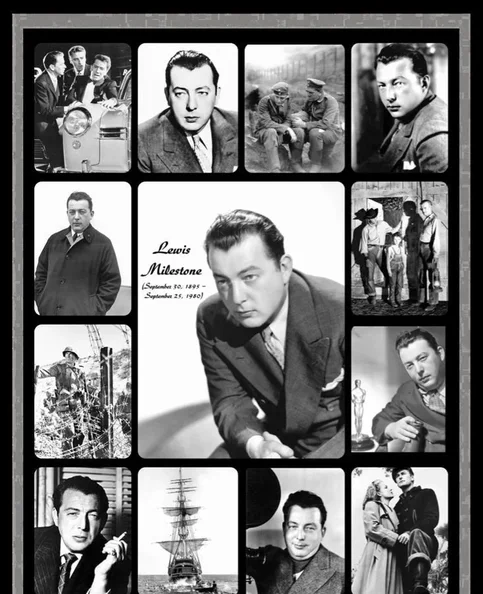
Lewis Milestone was a renowned American film director whose career spanned several decades, leaving an indelible mark on the film industry with his innovative techniques and profound storytelling. Born in 1895 in Eastern Europe, Milestone’s journey from a modest background to becoming a celebrated director is a testament to his talent and perseverance. He is best known for his work on the groundbreaking anti-war film “All Quiet on the Western Front” (1930), which earned him two Academy Awards. Milestone’s ability to blend technical precision with emotional depth made him one of the most influential directors of his time. His contributions to cinema, both in the silent and sound eras, have been celebrated and studied for their lasting impact. This article delves into the life and career of Lewis Milestone, exploring the factors that shaped his identity and the controversies that marked his path to fame.
PERSONAL INFORMATION
| Name | Lewis Milestone |
|---|---|
| Place of Birth | Chișinău |
| Place of Death | Los Angeles |
| Nationality | Russian Empire, United States, Russia |
| Date of Birth | 30 September 1895 |
| Age at Death | 84 Years |
| Zodiac Sign | Libra |
| Date of Death | 25 September 1980 |
| Native Name | Lewis Milestone |
| Languages Spoken | English |
| Gender | Male |
| Native Language | English |
| Birth Name | Lev Milstein |
CAREER
| Profession | film director, screenwriter, film producer, film editor, actor, director |
|---|---|
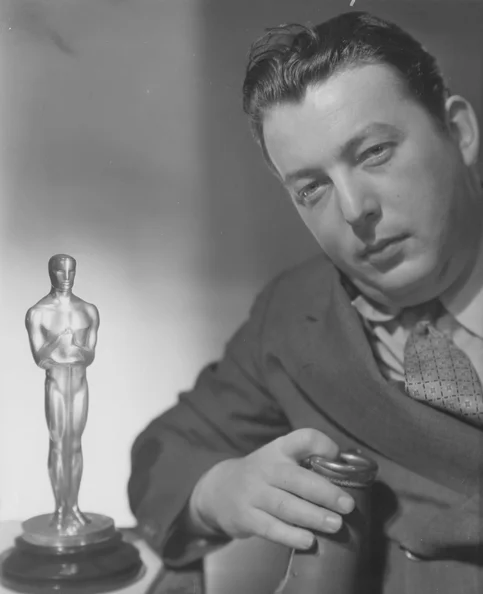
| Awards Received | Academy Award for Best Director, Academy Award for Best Director (Comedy Picture), star on Hollywood Walk of Fame |
| Nominations | Academy Award for Best Director, Academy Award for Best Director, Academy Award for Best Director (Comedy Picture) |
| Work Period Start | 1918 |
Cost of becoming
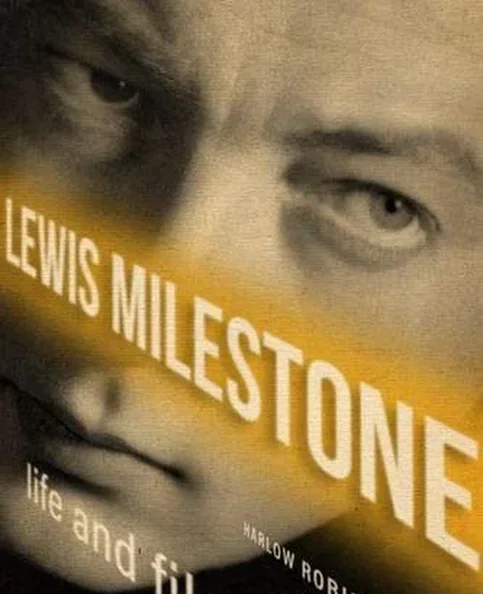
Lewis Milestone’s journey to becoming a celebrated film director was marked by significant challenges and sacrifices. He emigrated to the United States in his youth, leaving behind a tumultuous life in Eastern Europe. The move required him to adapt to a new culture and language, which he did with remarkable determination. Milestone’s early work in the film industry was often underpaid and strenuous, but he persevered, driven by his passion for storytelling. His dedication to his craft eventually paid off, as he rose through the ranks and secured a place among the elite directors of Hollywood. The cost of his success was not just financial but also personal, as he often had to put his career before family and personal life.
Identity before fame
Before achieving fame, Lewis Milestone was a humble individual with a strong work ethic. Born in Iași, Romania, he grew up in a family that valued education and hard work. Milestone’s early exposure to theater and literature instilled in him a deep appreciation for the dramatic arts. He began his career in the film industry as a translator and scriptwriter, working on silent films. His early experiences in the industry allowed him to develop a keen understanding of storytelling and filmmaking techniques. Milestone’s ability to communicate effectively and his attention to detail were qualities that would later define his directorial style.
Production Houses Associated With Lewis Milestone
| Production House | Number of Movies |
|---|---|
| Paramount Pictures | 2 |
| The Caddo Company | 2 |
| United Artists | 2 |
| Criterion Pictures | 1 |
| CBS | 1 |
Directors Lewis Milestone Frequently Works With
| Director | Number of Movies |
|---|---|
| Lewis Milestone | 2 |
| Sam Wood | 1 |
| Tom Buckingham | 1 |
| Louis Lewyn | 1 |
| Dick McDonough | 1 |
Movie Genres of Lewis Milestone
| Genre | Number of Movies |
|---|---|
| Comedy | 3 |
| Drama | 2 |
| Thriller | 1 |
| TV Movie | 1 |
| Family | 1 |
| Documentary | 1 |
| Crime | 1 |
| Romance | 1 |
Year-wise Movies of Lewis Milestone
| Year | Number of Movies |
|---|---|
| 1979 | 1 |
| 1936 | 1 |
| 1934 | 1 |
| 1932 | 1 |
| 1931 | 1 |
| 1926 | 1 |
Timeline
- 1895: Born in Iași, Romania
- 1910: Emigrated to the United States
- 1920: Began working in the film industry as a translator and scriptwriter
- 1922: Directed his first film, “Two Arab Boys”
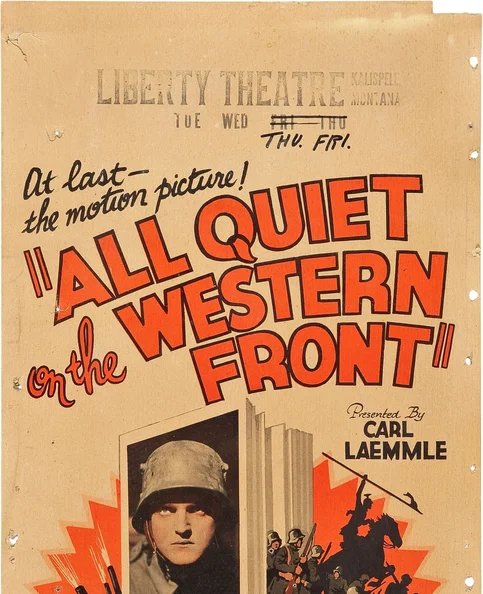
- 1929: Directed “All Quiet on the Western Front,” which won two Academy Awards
- 1939: Directed “Of Mice and Men,” based on the novel by John Steinbeck
- 1943: Directed “Halls of Montezuma,” a war film about the Marines
- 1949: Directed “Rain,” based on the play by John Colton and Clemence Randolph
- 1957: Directed “Pork Chop Hill,” a film about the Korean War
- 1980: Passed away in Santa Monica, California
Favourites
- Favorite Film Genre: War films
- Favorite Director: D.W. Griffith
- Favorite Actor: George Raft
- Favorite Actress: Jean Arthur
- Favorite Screenwriter: Erich Maria Remarque
- Favorite Book: “All Quiet on the Western Front” by Erich Maria Remarque
- Favorite Play: “Rain” by John Colton and Clemence Randolph
Controversies
- Use of Child Actors: Milestone was criticized for his use of child actors in “All Quiet on the Western Front,” particularly in scenes that were deemed too intense for young performers.
- Political Views: Some of his films, especially those with a strong anti-war message, were seen as politically motivated, leading to debates about the role of art in politics.
- Gender Representation: His portrayal of female characters in some of his films has been criticized for reinforcing stereotypes and lacking depth.
- Work Ethic: Milestone was known for his demanding work schedule and high expectations, which sometimes led to conflicts with cast and crew members.
- Adaptations of Literary Works: Some purists criticized his adaptations of literary works, such as “Of Mice and Men,” for deviating from the source material.
- Collaborations with Studio Executives: His relationships with studio executives were often strained due to creative differences and clashes over artistic control.
- International Censorship: Several of his films faced censorship in different countries due to their controversial themes and content.
- Direction of War Films: Some critics argued that his war films romanticized violence and did not fully capture the horrors of war.
- Personal Life: Rumors about his personal life, including his relationships and alleged affairs, were a subject of gossip in Hollywood circles.
- Collaborations with Actors: He was known for favoring certain actors, which sometimes created tension on set and led to accusations of nepotism.
Control vs chaos
Lewis Milestone’s approach to filmmaking was a delicate balance between control and chaos. On one hand, he was a meticulous planner, often spending long hours in pre-production to ensure every detail was perfect. His attention to detail and precision in camera work and editing were hallmarks of his style. On the other hand, Milestone understood the importance of allowing space for creativity and spontaneity on set. He encouraged his actors to bring their own interpretations to their roles and was known to adapt scenes on the fly when inspiration struck. This balance allowed him to create films that were both technically flawless and emotionally resonant.
Emotional geography
The emotional geography of Lewis Milestone’s films was vast and varied, reflecting his deep understanding of human emotion and the complexities of life. His early experiences in Eastern Europe and his emigration to the United States provided him with a rich tapestry of emotions to draw from. Milestone’s films often explored themes of loss, love, and the human condition, resonating with audiences on a profound level. His ability to convey the raw and authentic emotions of his characters, whether it was the horrors of war or the simple joys of everyday life, made his work both powerful and relatable. This emotional depth is what sets his films apart and has secured his legacy in the annals of cinema history.
FAQs
-
What is Lewis Milestone best known for?
Lewis Milestone is best known for his groundbreaking anti-war film “All Quiet on the Western Front” (1930), which earned him two Academy Awards for Best Director and Best Picture. The film’s innovative techniques and profound emotional impact made it a landmark in cinema history.
-
Where was Lewis Milestone born?
Lewis Milestone was born in Iași, Romania, in 1895. He emigrated to the United States at a young age, which had a significant impact on his life and career.
-
What was Lewis Milestone’s first film?
Lewis Milestone’s first film as a director was “Two Arab Boys,” which he directed in 1922. This early work laid the foundation for his future success in the film industry.
-
What other notable films did Lewis Milestone direct?
Besides “All Quiet on the Western Front,” Lewis Milestone directed several other notable films, including “Of Mice and Men” (1939), “Halls of Montezuma” (1943), “Rain” (1949), and “Pork Chop Hill” (1957). Each of these films showcased his versatility and mastery of different genres.
-
What was Lewis Milestone’s directorial style?
Lewis Milestone was known for his meticulous planning and attention to detail, as well as his ability to blend technical precision with emotional depth. He often used innovative camera techniques and editing methods to enhance the storytelling and create a more immersive experience for the audience.
-
How did Lewis Milestone’s early life influence his career?
Lewis Milestone’s early life in Romania and his subsequent emigration to the United States exposed him to a diverse range of cultural experiences and hardships. These experiences shaped his worldview and influenced his approach to storytelling, often infusing his films with themes of resilience and the human condition.
-
What were some of the controversies surrounding Lewis Milestone’s work?
Lewis Milestone faced several controversies, including criticism for his use of child actors in “All Quiet on the Western Front,” debates over the political motivations of his anti-war films, and accusations of reinforcing gender stereotypes in his portrayals of female characters.
-
How did Lewis Milestone adapt to the transition from silent films to sound films?
Lewis Milestone successfully transitioned from directing silent films to sound films, demonstrating his adaptability and technical prowess. His film “All Quiet on the Western Front” (1930) was one of the first talkies and showcased his ability to integrate sound seamlessly into the narrative.
-
What was the impact of “All Quiet on the Western Front” on Lewis Milestone’s career?
“All Quiet on the Western Front” had a profound impact on Lewis Milestone’s career, earning him widespread acclaim and two Academy Awards. The film’s success solidified his reputation as a visionary director and paved the way for his future projects.
-
How did Lewis Milestone’s collaborations with actors and writers influence his films?
Lewis Milestone often collaborated closely with actors and writers, encouraging them to bring their own interpretations to their roles and scripts. This collaborative approach allowed for a rich and dynamic creative process, resulting in films that were both technically precise and emotionally resonant.
-
What was Lewis Milestone’s legacy in the film industry?
Lewis Milestone’s legacy in the film industry is marked by his innovative techniques, profound storytelling, and significant contributions to the evolution of cinema. His films continue to be studied and celebrated for their artistic and historical value.
-
What were some of Lewis Milestone’s favorite literary works?
Lewis Milestone was a great admirer of literature, and some of his favorite works included “All Quiet on the Western Front” by Erich Maria Remarque and “Rain” by John Colton and Clemence Randolph. These works often inspired his film adaptations and influenced his directorial style.
-
How did Lewis Milestone’s personal life affect his work?
Lewis Milestone’s personal life, including his relationships and experiences, often had a subtle impact on his work. His deep understanding of human emotions and the challenges of life informed the themes and characters in his films, adding layers of authenticity and depth.
-
What was the significance of Lewis Milestone’s work during World War II?
During World War II, Lewis Milestone directed several films that addressed the themes of war and its impact on individuals and society. Films like “Halls of Montezuma” and “Pork Chop Hill” provided a glimpse into the experiences of soldiers and highlighted the sacrifices and complexities of war.