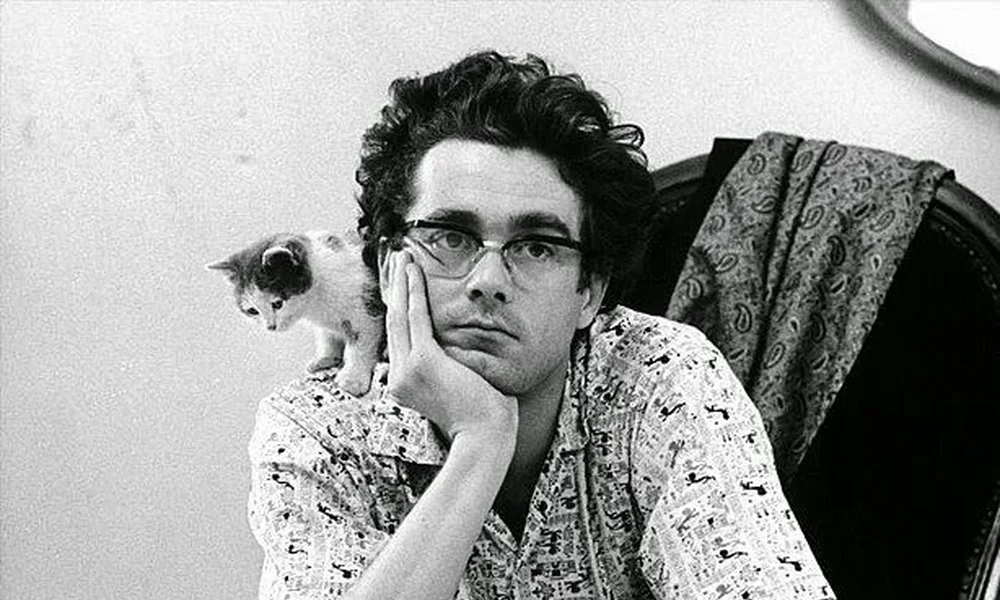
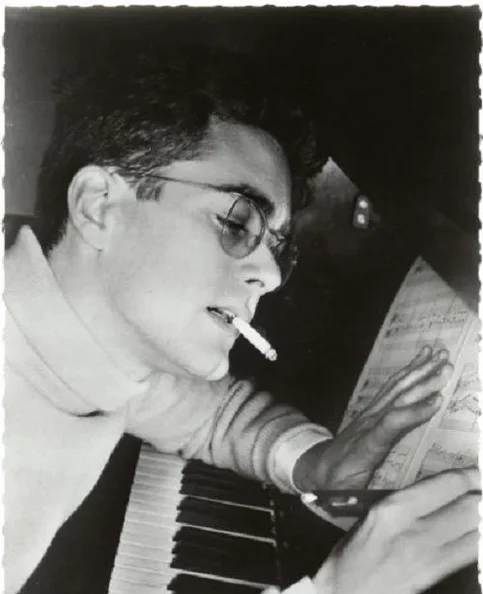
Michel Legrand, a name synonymous with elegance and sophistication in the world of music, stands as one of the most celebrated French composers, arrangers, and jazz pianists of the 20th century. Born on February 24, 1932, in Béthune, France, Legrand’s journey from a prodigious child to a globally recognized artist is a testament to his unparalleled talent and dedication. His contributions to film scores, jazz, and classical music have earned him numerous accolades, including multiple Grammy and Academy Awards. Legrand’s ability to seamlessly blend various musical genres has made him a towering figure in the industry, leaving an indelible mark on the cultural landscape of music.
PERSONAL INFORMATION
| Name | Michel Legrand |
|---|---|
| Place of Birth | Paris |
| Nationality | France, United States |
| Date of Birth | 24 February 1932 |
| Age at Death | 86 Years |
| Zodiac Sign | Pisces |
| Languages Spoken | French, English |
| Native Language | French, English |
| Native Name | Michel Legrand |
| Gender | Male |
| Date of Death | 26 January 2019 |
| Place of Death | Neuilly-sur-Seine |
| Birth Name | Michel Jean Legrand |
PHYSICAL STATISTICS
| Height (in centimeters) | 187 cm |
|---|---|
| Height (in meters) | 1.87 m |
| Height (in feet inches) | 6′ 1″ |
FAMILY
| Father | Raymond Legrand |
|---|---|
| Children | Eugénie Angot |
| Spouse | Catherine Michel, Macha Méril |
| Siblings | Christiane Legrand, Olivier Legrand, Benjamin Legrand |
EDUCATION
| Educated At | Conservatoire de Paris |
|---|
CAREER
| Profession | conductor, composer, actor, singer, pianist, music arranger, jazz musician, screenwriter, film score composer, film director, musician |
|---|---|
| Awards Received | Order of the Badge of Honour, Academy Award for Best Original Dramatic Score, Academy Award for Best Original Song Score, Commander of the Legion of Honour, BAFTA Award for Best Original Music, Golden Globe Award for Best Original Song, Officer of the Legion of Honour, Academy Award for Best Original Song, Officer of the National Order of Merit, Officer of Arts and Letters |
| Instruments | piano, voice |
| Genre | jazz, instrumental music |
| Nominations | Academy Award for Best Original Dramatic Score, Academy Award for Best Original Song Score, Academy Award for Best Original Score, Academy Award for Best Score, Adaptation or Treatment, Academy Award for Best Original Musical Score, Academy Award for Best Original Score, no Musical, Golden Raspberry Award for Worst Musical Score, Academy Award for Best Original Song, Academy Award for Best Original Song, Academy Award for Best Original Song, Academy Award for Best Original Song, Academy Award for Best Original Song, Academy Award for Best Original Song, Tony Award for Best Original Score |
| Record Label | Columbia Records, Philips Records, Q4883239, United Artists Records, RCA Records, Warner Records Inc., Mercury Records |
| Work Period Start | 1952 |
| Work Period End | 2019 |
| Member Of | Michel Legrand et son orchestre |
| Field of Work | music composing, conducting, piano performance, film score, composed musical work, music composition |
SOCIAL MEDIA & LINKS
| IMDB ID | nm0006166 |
|---|---|
| Official Website | http://www.michellegrandofficial.com |
| MichelLegrandComposer | |
| Wikipedia | Wikipedia |
Cost of Becoming
The path to becoming Michel Legrand was not without its challenges and sacrifices. From an early age, he exhibited a prodigious talent for music, which required rigorous training and relentless practice. His formal education at the Paris Conservatoire under the tutelage of Nadia Boulanger and René Liebowitz laid the foundation for his exceptional musical skills. The cost of his success also involved navigating the competitive and often cutthroat world of the music industry. Despite the pressures and demands, Legrand’s unwavering commitment to his craft and his innovative spirit propelled him to the pinnacle of his profession.
Identity Before Fame
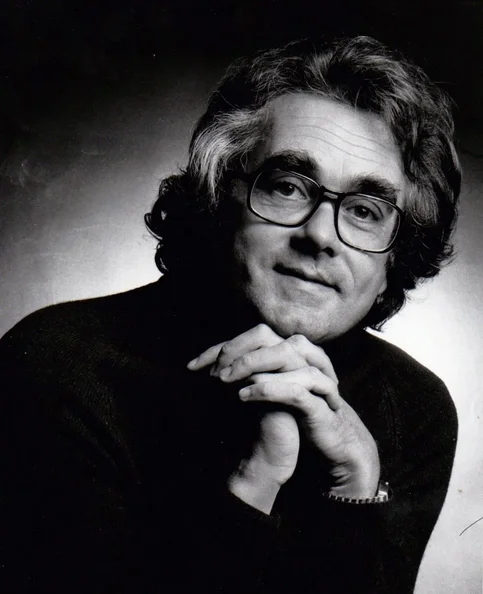
Before he became a household name, Michel Legrand was a young prodigy with a deep passion for music. Born into a family with a rich musical heritage, his father, Raymond Legrand, was a well-known composer and conductor, while his mother, Marcelle Bardèse, was a classical pianist. This environment nurtured his early interest in music, and by the age of 20, he had already composed his first symphony. His early years were marked by a blend of rigorous training and a deep love for jazz, which would later become a defining aspect of his musical style.
Directors Michel Legrand Frequently Works With
| Director | Number of Movies |
|---|---|
| Bruno de Oliveira | 1 |
Movie Genres of Michel Legrand
| Genre | Number of Movies |
|---|---|
| Drama | 1 |
Year-wise Movies of Michel Legrand
| Year | Number of Movies |
|---|---|
| 2019 | 1 |
Timeline
- 1932: Michel Legrand is born on February 24 in Béthune, France.
- 1941: Begins his musical education at the age of 9, receiving lessons from his aunt, who was a student of Nadia Boulanger.
- 1947: Enrolls at the Paris Conservatoire, where he studies composition, harmony, and counterpoint.
- 1950: Composes his first symphony at the age of 18.
- 1953: Wins the Grand Prix de Rome, a prestigious award for composers.
- 1955: Arranges and orchestrates the album “Tchaikovsky and the Jazz Orchestra” with Quincy Jones.
- 1964: Composes the score for “The Umbrellas of Cherbourg,” which wins the Palme d’Or at the Cannes Film Festival.
- 1969: Writes the Oscar-winning song “The Summer Knows” for the film “Summer of ’42.”
- 1983: Wins his first Academy Award for Best Original Song for “The Place Where Love Begins” from the film “Yentl.”
- 2019: Passes away on January 26 in Paris, leaving behind a legacy of exceptional music and a profoundly influential career.
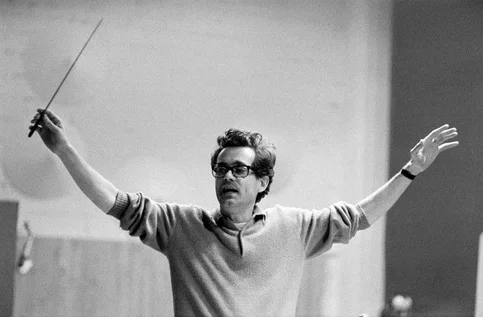
Favourites
- Film Directors: Jacques Demy, François Truffaut, and George Roy Hill
- Composers: Maurice Ravel, Claude Debussy, and Duke Ellington
- Instruments: Piano, Violin, and Saxophone
- Genres: Jazz, Classical, and Film Scores
- Places to Perform: Carnegie Hall, Paris Olympia, and Cannes Film Festival
- Books: “L’Étranger” by Albert Camus, “Cent Ans de Solitude” by Gabriel García Márquez
- Musicians: Miles Davis, Ella Fitzgerald, and Frank Sinatra
- Favorite Awards: Academy Awards, Grammy Awards, and César Awards
- Favorite Compositions: “The Windmills of Your Mind,” “What Are You Doing the Rest of Your Life?”
- Hobbies: Painting, Traveling, and Gardening
Controversies
- Michel Legrand’s work on the film “Yentl” was initially met with resistance from some quarters of the industry who questioned his ability to compose a score that would resonate with a Jewish audience.
- There were debates about the authenticity of the jazz elements in his film scores, with some purists arguing that his fusion of classical and jazz styles was not true to the genre.
- Legrand’s collaboration with American film directors in the 1970s and 1980s sometimes led to conflicts over creative control, particularly when his vision for a score differed from that of the director.
- He faced criticism for some of his more experimental compositions, which some critics felt were overly complex or difficult to appreciate.
- There were occasional disputes over the rights to his compositions, particularly when they were used in unauthorized projects or adaptations.
- Legrand’s personal life was not without its controversies, as he had a complicated relationship with his family and faced some legal issues over the years.
- His involvement in the development of the Eurodisney project in the 1990s was met with mixed reactions, with some praising his vision and others criticizing his involvement in a project that faced significant obstacles.
- There were debates about his role in the French music industry, with some arguing that his international success overshadowed the contributions of other French musicians.
- Legrand’s decision to perform in Israel during the height of the Arab-Israeli conflict was controversial, with some accusing him of taking a political stance that favored one side over the other.
- His public statements on various social and political issues sometimes drew criticism from both the left and the right, highlighting the polarizing nature of his opinions.
Control vs Chaos
Michel Legrand’s life and work reflect a delicate balance between control and chaos. On one hand, his meticulous approach to composition and arrangement demonstrates a deep-seated need for order and structure. His scores are known for their precision and technical brilliance, reflecting years of rigorous training and a keen attention to detail. On the other hand, his exploration of jazz and improvisation reveals a willingness to embrace spontaneity and unpredictability. This duality is a defining characteristic of his artistry, allowing him to create music that is both disciplined and free-spirited, a testament to his ability to navigate the complex interplay between these opposing forces.
Emotional Geography
The emotional geography of Michel Legrand’s life is rich and varied, reflecting his deep connection to the places and people that shaped him. His childhood in Béthune and his formative years in Paris provided the backdrop for his early musical explorations, while his travels and collaborations with international artists expanded his horizons and enriched his creative palette. Legrand’s music often evokes a sense of nostalgia and longing, capturing the essence of the places and moments that have left an indelible mark on his soul. Whether through the romantic melodies of “The Umbrellas of Cherbourg” or the serene beauty of “The Summer Knows,” his compositions serve as a map of his emotional journey, a testament to the power of music to transcend time and place.
FAQs
-
Who was Michel Legrand?
Michel Legrand was a French composer, arranger, and jazz pianist renowned for his contributions to film scores and the music industry. He won multiple Grammy and Academy Awards and is known for his work on films such as “The Umbrellas of Cherbourg” and “Yentl.”
-
What were some of his early achievements?
Michel Legrand showed prodigious talent from a young age, composing his first symphony at 18 and winning the Grand Prix de Rome in 1953. He also studied at the prestigious Paris Conservatoire under renowned teachers.
-
What are some of his most famous compositions?
Some of Michel Legrand’s most famous compositions include “The Windmills of Your Mind,” “What Are You Doing the Rest of Your Life?,” and “The Summer Knows.” His film scores for “The Umbrellas of Cherbourg” and “Summer of ’42” are also highly acclaimed.
-
How did he start his career in film?
Michel Legrand’s career in film began with his collaboration on “The Umbrellas of Cherbourg” (1964), directed by Jacques Demy. The film’s score, which prominently featured songs, won the Palme d’Or at the Cannes Film Festival and cemented his reputation as a film composer.
-
What awards did he win?
Michel Legrand won numerous awards throughout his career, including three Academy Awards, five Grammy Awards, and a Tony Award. He also received the César Award for Best Music Written for a Film multiple times.
-
What was his relationship with jazz?
Michel Legrand had a strong affinity for jazz, which influenced his compositional style. He often incorporated jazz elements into his film scores and collaborated with many jazz musicians, including Quincy Jones and Miles Davis.
-
Who were some of his notable collaborations?
Michel Legrand collaborated with a wide range of artists, including directors Jacques Demy, François Truffaut, and George Roy Hill, as well as musicians like Ella Fitzgerald, Frank Sinatra, and Miles Davis.
-
What was his approach to composition?
Legrand’s approach to composition was characterized by a blend of classical training and jazz influence. He was known for his meticulous attention to detail and his ability to create emotionally resonant and technically sophisticated pieces.
-
How did he contribute to the music industry?
Michel Legrand made significant contributions to the music industry through his innovative film scores, his work as a jazz pianist and arranger, and his mentorship of young musicians. His influence can be heard in the work of many contemporary composers and musicians.
-
What legacy did he leave behind?
Michel Legrand’s legacy is one of exceptional musical craftsmanship and innovation. His scores and compositions continue to be celebrated for their emotional depth and technical brilliance, and his influence on the film and music industries remains profound.
-
What was his relationship with classical music?
Michel Legrand had a strong foundation in classical music, which he studied at the Paris Conservatoire. He often incorporated classical elements into his compositions, creating a unique fusion of styles that set him apart from his contemporaries.
-
How did he balance his career between France and the United States?
Michel Legrand successfully balanced his career between France and the United States, collaborating with American film directors and performing at venues like Carnegie Hall. His international success brought him widespread recognition and respect in both countries.
-
What was his impact on the French music industry?
Michel Legrand had a significant impact on the French music industry through his groundbreaking film scores and his contributions to the development of French jazz. His work inspired a new generation of French musicians and composers.
-
What are some of his personal interests outside of music?
Outside of music, Michel Legrand had a passion for painting, traveling, and gardening. These interests often influenced his creative process and provided him with sources of inspiration for his compositions.