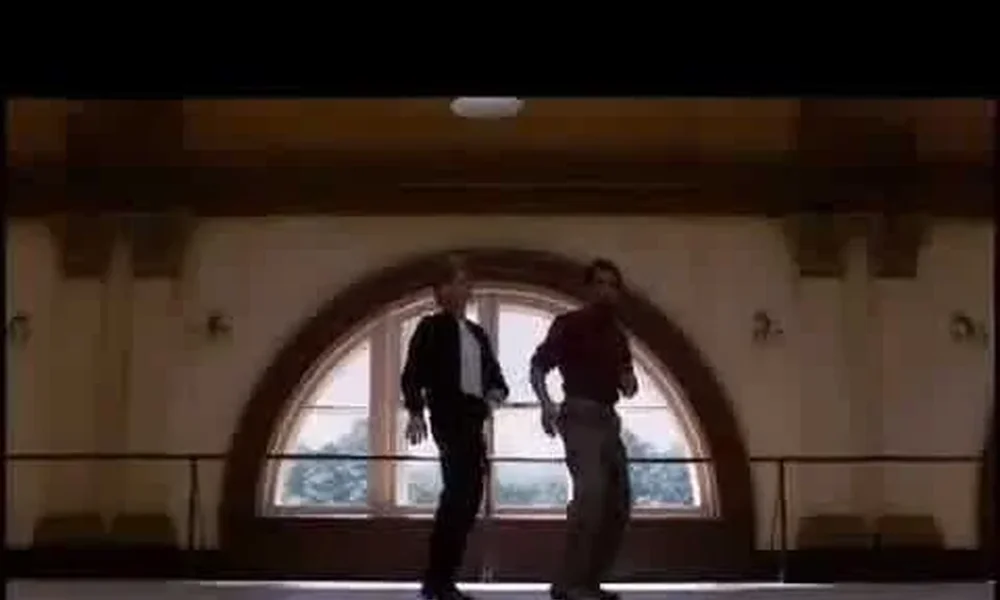
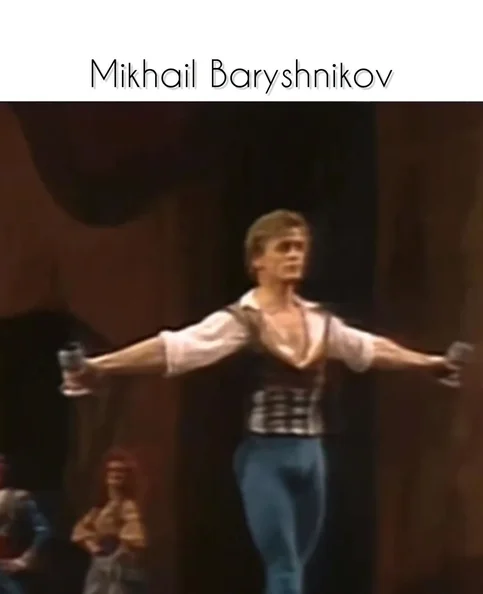
Mikhail Baryshnikov, often referred to as “Misha” by his friends and fans, is a towering figure in the world of dance. Born on January 27, 1948, in Riga, Latvia, Baryshnikov has captivated audiences for decades with his extraordinary talent, grace, and charisma. He is widely regarded as one of the greatest male ballet dancers in history. His journey from a young dancer in the Soviet Union to a global icon is a testament to his dedication, discipline, and relentless pursuit of artistic excellence. Beyond his performances, Baryshnikov has made significant contributions as a choreographer, director, and cultural ambassador, leaving an indelible mark on the world of dance.
PERSONAL INFORMATION
| Name | Mikhail Baryshnikov |
|---|---|
| Nationality | Soviet Union, United States, Latvia |
| Date of Birth | 27 January 1948 |
| Age | 77 Years |
| Zodiac Sign | Aquarius |
| Place of Birth | Riga |
| Gender | Male |
| Languages Spoken | Russian, English, Latvian |
| Native Name | Михаил Николаевич Барышников, Mihails Barišņikovs |
FAMILY
| Partner | Jessica Lange |
|---|---|
| Spouse | Lisa Rinehart |
| Children | Anna Baryshnikov, Shura Baryshnikov |
EDUCATION
| Educated At | Riga Secondary School No. 22, Riga ballet school, Vaganova Academy of Russian Ballet |
|---|
CAREER
| Profession | actor, choreographer, dancer, ballet dancer, ballet master, television actor, film actor, performing artist |
|---|---|
| Awards Received | Emmy Award, Kennedy Center Honors, National Medal of Arts, Theatre World Special Award, Merited Artist of the RSFSR, Vilcek Prize, Praemium Imperiale, Fellow of the American Academy of Arts and Sciences, Queen Elizabeth II Coronation Award, Great Immigrants Award, Order of the Three Stars |
| Member Of | American Academy of Arts and Sciences, True Russia |
| Nominations | Academy Award for Best Supporting Actor, Tony Award for Best Actor in a Play |
| Work Period Start | 1968 |
| Employer | Mariinsky Theatre, Bolshoi Theatre, National Ballet of Canada, American Ballet Theatre, New York City Ballet, White Oak Dance Project, Baryshnikov Arts Center |
Cost of becoming
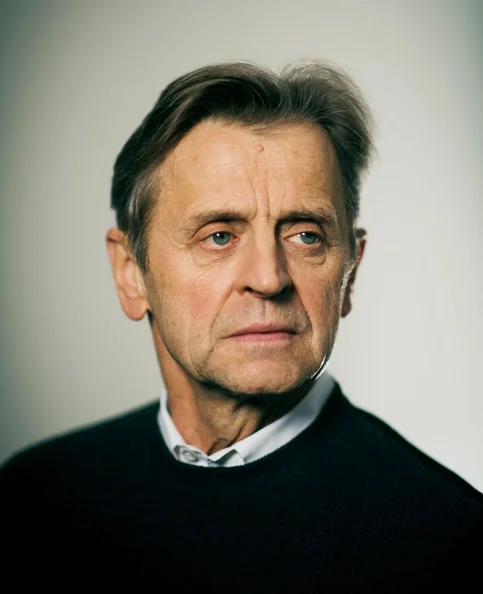
The path to becoming Mikhail Baryshnikov was neither easy nor straightforward. His early training at the Vaganova Academy in Leningrad (now St. Petersburg) was rigorous and demanding. Baryshnikov had to balance the physical and emotional strain of intense rehearsals with the political and social pressures of living in the Soviet Union. His defection to the West in 1974 was a bold and risky move, but it opened doors to new opportunities and artistic freedom. The cost of his success was the sacrifice of his homeland, family, and a stable environment. However, Baryshnikov’s unwavering commitment to his craft and his passion for dance ultimately led him to achieve unparalleled heights in his career.
Identity before fame
Before he became a household name, Mikhail Baryshnikov was a young boy growing up in Riga, Latvia. He was born into a modest family; his father was a military officer, and his mother was a bookkeeper. Baryshnikov’s love for dance began at a young age, and he was enrolled in a dance school at the age of 11. His natural talent and dedication quickly set him apart, and he was soon accepted into the prestigious Vaganova Academy. Despite the strict training regimen and the pressures of the Soviet system, Baryshnikov’s passion for dance never wavered. His early years were marked by a deep commitment to his craft, laying the foundation for his future success.
Production Houses Associated With Mikhail Baryshnikov
| Production House | Number of Movies |
|---|---|
| Metro-Goldwyn-Mayer | 2 |
| MGM-Pathé Communications | 1 |
| di Bonaventura Pictures | 1 |
| Paramount Pictures | 1 |
| Mace Neufeld Productions | 1 |
| Buckaroo Entertainment | 1 |
| Skydance Media | 1 |
| Hera Productions | 1 |
| Columbia Pictures | 1 |
| New Visions | 1 |
Directors Mikhail Baryshnikov Frequently Works With
| Director | Number of Movies |
|---|---|
| Herbert Ross | 2 |
| Brian Large | 2 |
| Dwight Hemion | 2 |
| Nicholas Meyer | 1 |
| David Blair | 1 |
| Kenneth Branagh | 1 |
| Tony Charmoli | 1 |
| Jack Haley Jr. | 1 |
| Taylor Hackford | 1 |
| Peter Sellars | 1 |
Movie Genres of Mikhail Baryshnikov
| Genre | Number of Movies |
|---|---|
| Music | 15 |
| Documentary | 10 |
| Drama | 7 |
| TV Movie | 4 |
| Thriller | 3 |
| Comedy | 3 |
| Action | 2 |
| Family | 2 |
| Fantasy | 1 |
| Romance | 1 |
Year-wise Movies of Mikhail Baryshnikov
| Year | Number of Movies |
|---|---|
| 2024 | 1 |
| 2023 | 1 |
| 2022 | 1 |
| 2021 | 1 |
| 2018 | 1 |
| 2014 | 1 |
| 2011 | 1 |
| 2007 | 1 |
| 2006 | 1 |
| 2004 | 1 |
| 2001 | 1 |
| 1999 | 1 |
| 1992 | 1 |
| 1991 | 2 |
| 1989 | 1 |
Timeline
- 1948: Born in Riga, Latvia
- 1959: Enrolled in a local dance school at the age of 11
- 1963: Accepted into the Vaganova Academy in Leningrad
- 1967: Joined the Kirov Ballet as a soloist
- 1974: Defected to Canada during a tour with the Kirov Ballet
- 1978: Joined the American Ballet Theatre (ABT) as a principal dancer
- 1980: Founded the White Oak Dance Project with Mark Morris
- 1990: Appointed Artistic Director of the American Ballet Theatre
- 1998: Established the Baryshnikov Arts Center in New York City
- 2002: Received the Kennedy Center Honors for his contributions to the arts
Favourites
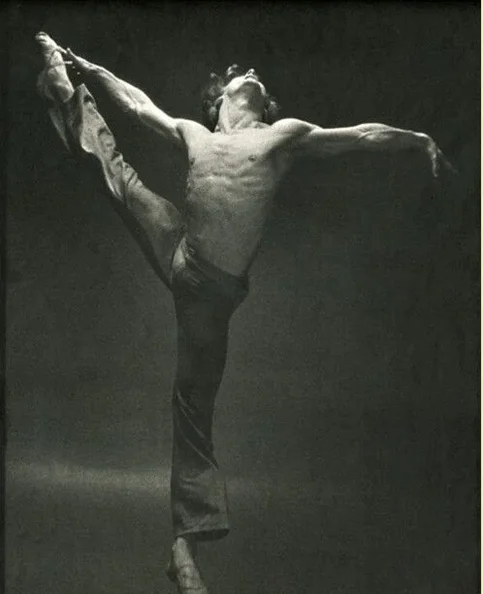
- Favorite dance style: Contemporary dance
- Favorite choreographer: Maurice Béjart
- Favorite composer: Johann Sebastian Bach
- Favorite role: The Golden Idol in “Giselle”
- Favorite book: “The Master and Margarita” by Mikhail Bulgakov
- Favorite movie: “The Seventh Seal” by Ingmar Bergman
- Favorite artist: Rembrandt van Rijn
- Favorite place: New York City
- Favorite food: Lobster
- Favorite color: Blue
Controversies
- 1974: Defection from the Soviet Union, causing tension with the Soviet government and leading to a strained relationship with family members left behind.
- 1984: Public dispute with the management of the American Ballet Theatre over artistic control and direction.
- 1987: Accusations of impropriety in the management of the White Oak Dance Project, though no formal charges were filed.
- 1992: Criticism for his decision to leave the American Ballet Theatre to focus on his own projects, leading to a shift in the company’s direction and leadership.
- 1995: Legal battles over the ownership and management of the Baryshnikov Arts Center, which were eventually resolved in his favor.
- 2000: Public disagreements with some of his artistic collaborators, which were openly discussed in the media.
- 2005: Controversy surrounding his participation in a documentary that explored the intersection of dance and spirituality, leading to criticism from some religious groups.
- 2008: Criticism for his role in the production of a ballet that some felt was too avant-garde and challenging for mainstream audiences.
- 2012: Public debate over the direction of his arts center, with some questioning the balance between traditional and contemporary dance forms.
- 2015: Criticism for his stance on the role of dance in modern society, particularly in the context of social and political issues.
Control vs chaos
Baryshnikov’s life and career have been a delicate balance between control and chaos. On one hand, his rigorous training and disciplined approach to dance have been the cornerstone of his success. He has always been meticulous in his preparation, demanding the highest standards from himself and his collaborators. On the other hand, his artistic journey has often been marked by moments of unpredictability and risk. His defection to the West, for instance, was a leap into the unknown, and his experimentation with contemporary dance forms has sometimes pushed boundaries and challenged conventional norms. This interplay between control and chaos has not only fueled his artistic growth but has also made his work resonate deeply with audiences around the world.
Emotional geography
Baryshnikov’s emotional landscape is as complex as it is rich. Growing up in the Soviet Union, he experienced the压抑 and constraints of a totalitarian regime, yet he found solace and purpose in dance. His defection to the West was a transformative experience, bringing both freedom and a sense of dislocation. The vibrant and diverse culture of New York City, where he has lived and worked for many years, has provided a backdrop for his artistic exploration and personal growth. Baryshnikov’s work often reflects a deep connection to his roots, a longing for the past, and a relentless quest for new horizons. His emotional geography is a map of resilience, adaptability, and the enduring power of artistic expression.
FAQs
-
When was Mikhail Baryshnikov born?
Mikhail Baryshnikov was born on January 27, 1948, in Riga, Latvia.
-
Where did Baryshnikov receive his early dance training?
Baryshnikov began his early dance training at a local dance school in Riga at the age of 11. He was later accepted into the prestigious Vaganova Academy in Leningrad (now St. Petersburg).
-
Why did Baryshnikov defect from the Soviet Union?
Baryshnikov defected from the Soviet Union in 1974 during a tour with the Kirov Ballet in Toronto. He sought artistic freedom and better opportunities for personal and professional growth, which were limited in the Soviet system.
-
What was Baryshnikov’s role in the American Ballet Theatre?
Baryshnikov joined the American Ballet Theatre (ABT) as a principal dancer in 1978. He later served as the artistic director of the company from 1980 to 1990, significantly influencing its direction and repertoire.
-
What is the White Oak Dance Project?
The White Oak Dance Project was a contemporary dance company founded by Baryshnikov and choreographer Mark Morris in 1990. The company was known for its innovative and collaborative approach to dance.
-
What is the Baryshnikov Arts Center?
The Baryshnikov Arts Center (BAC) is a multidisciplinary arts organization founded by Baryshnikov in New York City. It serves as a venue for performances, residencies, and educational programs, supporting emerging and established artists.
-
What are some of Baryshnikov’s notable performances?
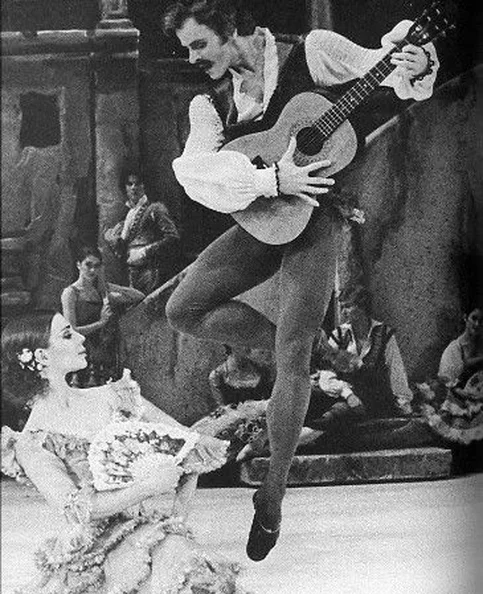
Some of Baryshnikov’s most notable performances include his roles in “Giselle,” “Sylvia,” “Etudes,” and “The Nutcracker.” He has also starred in contemporary works such as “Push Comes to Shove” by Twyla Tharp and “The Wind in the Willows” by Mark Morris.
-
Has Baryshnikov received any major awards for his contributions to the arts?
Yes, Baryshnikov has received numerous awards, including the Kennedy Center Honors in 2000, the National Medal of Arts in 2000, and the Ordre des Arts et des Lettres from the French government in 1999.
-
How has Baryshnikov contributed to contemporary dance?
Baryshnikov has been a significant proponent of contemporary dance, both as a performer and as a supporter of new choreographers. He has collaborated with many leading contemporary choreographers and has championed innovative works through his various artistic initiatives.
-
What is Baryshnikov’s approach to teaching and mentoring?
Baryshnikov is known for his commitment to nurturing the next generation of dancers. He has taught master classes and workshops, and his Baryshnikov Arts Center offers residency programs and educational opportunities for emerging artists.
-
How has Baryshnikov’s work influenced the dance world?
Baryshnikov’s work has had a profound impact on the dance world, bridging the gap between classical and contemporary dance. His versatility and artistic vision have inspired a new generation of dancers and choreographers, and his advocacy for the arts has helped to elevate the status of dance as a respected and vital form of expression.
-
What are some of Baryshnikov’s recent projects?
In recent years, Baryshnikov has continued to engage in various artistic projects, including performances, choreographic collaborations, and educational initiatives. He remains active in the dance community and continues to explore new forms of artistic expression.
-
How does Baryshnikov balance his personal life with his professional commitments?
Baryshnikov has always been dedicated to his work, but he has also prioritized his personal life and family. He has found ways to balance his artistic pursuits with his responsibilities and personal relationships, often through careful time management and a strong support network.
-
What is Baryshnikov’s opinion on the role of dance in modern society?
Baryshnikov believes that dance is a powerful form of artistic expression that can transcend cultural and linguistic barriers. He sees dance as a means of communication and a way to explore human emotions and experiences. He advocates for the importance of dance in modern society, emphasizing its ability to foster empathy, creativity, and connection.
-
What does the future hold for Baryshnikov and his artistic endeavors?
Baryshnikov continues to be a dynamic and influential figure in the dance world. He is likely to remain active in various artistic projects, both as a performer and as a mentor. His ongoing commitment to the arts and his vision for the future of dance suggest that he will continue to inspire and innovate for years to come.