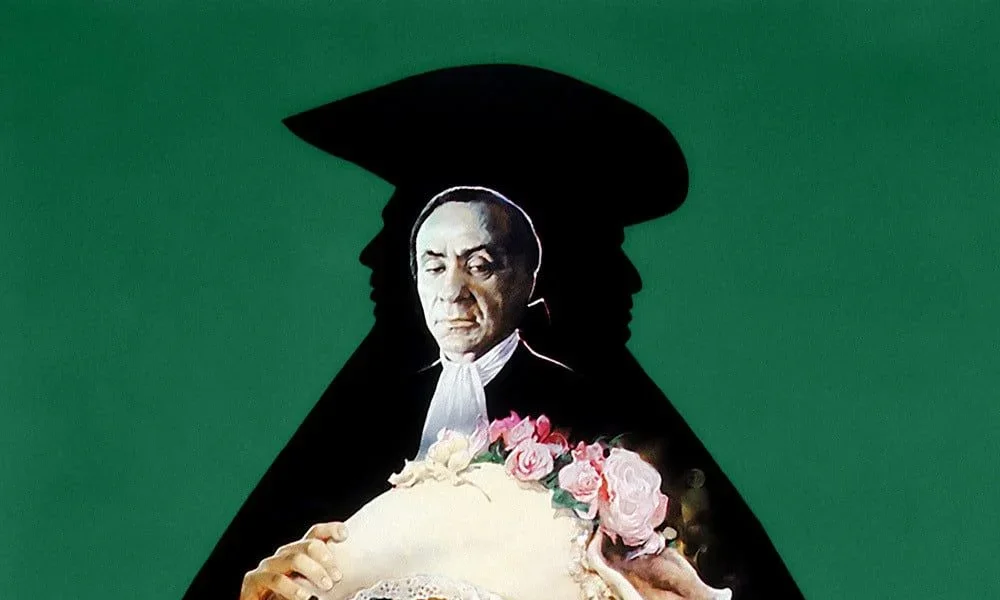
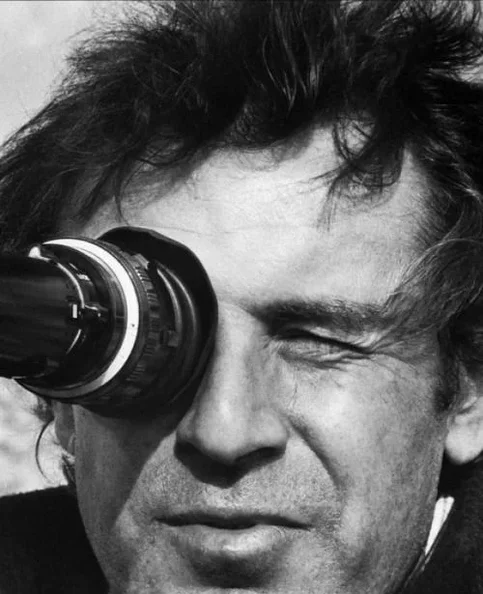
Miloš Forman, the acclaimed Czech-American film director and actor, is renowned for his profound impact on both Czech and American cinema. Born in Čáslav, Czechoslovakia, Forman’s journey from the turbulent landscapes of post-war Europe to the heights of Hollywood is a testament to his resilience and artistic vision. His films, often characterized by their exploration of human emotions, societal norms, and the struggle for individual freedom, have earned him numerous accolades, including two Academy Awards for Best Director. Forman’s career is marked by iconic works such as “One Flew Over the Cuckoo’s Nest” and “Amadeus,” which continue to resonate with audiences decades after their release. Through his art, Forman not only entertained but also challenged and enlightened, leaving an indelible mark on the world of cinema.
PERSONAL INFORMATION
| Name | Miloš Forman |
|---|---|
| Gender | Male |
| Date of Birth | 18 February 1932 |
| Age at Death | 86 Years |
| Zodiac Sign | Aquarius |
| Nationality | United States, Czechoslovakia, Czech Republic |
| Place of Birth | Čáslav |
| Languages Spoken | Czech, English |
| Signature | .svg) |
| Date of Death | 13 April 2018 |
| Place of Death | Danbury |
| Birth Name | Jan Tomáš Forman |
| Native Name | Miloš Forman |
FAMILY
| Spouse | Jana Brejchová, Věra Křesadlová, Martina Formanová |
|---|---|
| Children | Petr Forman, Matěj Forman |
| Father | Otto Kohn |
| Siblings | Joseph J. Kohn, Pavel Forman |
| Mother | Q136441370 |
EDUCATION
| Educated At | Academy of Performing Arts, Film and TV School of the Academy of Performing Arts in Prague |
|---|
CAREER
| Profession | film director, film producer, actor, playwright, screenwriter, film actor, director |
|---|---|
| Awards Received | Czech Medal of Merit, Directors Guild of America Award, Academy Award for Best Director, Academy Award for Best Director, BAFTA Award for Best Film, David di Donatello for Best Foreign Director, Los Angeles Film Critics Association Award for Best Director, Golden Globe Award for Best Director, Golden Bear, César Award for Best Foreign Film, honorary citizen of Prague, European Film Academy Achievement in World Cinema Award, BAFTA Award for Best Direction |
| Nominations | Academy Award for Best Director, Academy Award for Best Director, Academy Award for Best Director |
| Employer | Columbia University |
| Member Of | American Academy of Arts and Sciences, scouting, Academy of Motion Picture Arts and Sciences |
| Work Period Start | 1963 |
| Notable Works | Black Peter, Loves of a Blonde, The Fireman’s Ball, Taking Off, One Flew Over the Cuckoo’s Nest, Hair, Ragtime, Amadeus, Valmont, The People vs. Larry Flynt, Man on the Moon, Goya’s Ghosts, Well-Paid Stroll |
SOCIAL MEDIA & LINKS
| IMDB ID | nm0001232 |
|---|---|
| Official Website | http://milosforman.com |
| milosforman | |
| Wikipedia | Wikipedia |
Cost of becoming
The path to success for Miloš Forman was fraught with obstacles and personal sacrifices. Growing up in a country under the shadow of Nazi occupation and later Soviet influence, Forman faced significant challenges. His parents, both concentration camp victims, imbued him with a deep sense of resilience and determination. Forman’s education at the Film Faculty of the Academy of Performing Arts in Prague laid the foundation for his future career. However, the political climate of Czechoslovakia during the Cold War made it difficult for him to gain international recognition. It was only after he immigrated to the United States in 1968 that Forman’s talent truly flourished, allowing him to achieve the recognition and success he deserved.
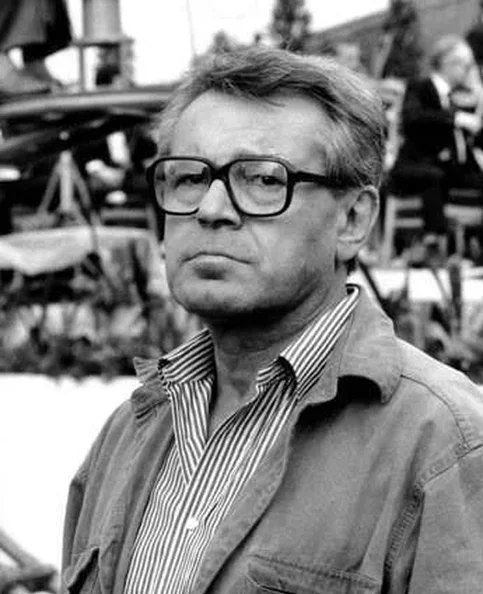
Identity before fame
Before gaining international acclaim, Miloš Forman was a rising star in the Czech New Wave cinema movement. His early films, such as “Black Peter” (1964) and “Loves of a Blonde” (1965), showcased his unique storytelling style and earned him critical acclaim within Czechoslovakia. These works often drew from his personal experiences and the social issues of his time, reflecting a deep empathy for the human condition. Forman’s identity as a filmmaker was firmly rooted in his Czech heritage, which he continued to draw from even after his move to the United States. His ability to blend Czech sensibilities with American storytelling techniques made him a bridge between two distinct cinematic traditions.
Production Houses Associated With Milos Forman
| Production House | Number of Movies |
|---|---|
| Spyglass Entertainment | 1 |
| Touchstone Pictures | 1 |
| Triple Threat Talent | 1 |
| Paramount Pictures | 1 |
| Top Value Television (TVTV) | 1 |
| Why Not Productions | 1 |
| France 2 Cinéma | 1 |
| Sixteen Films | 1 |
| Negativ | 1 |
| FAMU | 1 |
Directors Milos Forman Frequently Works With
| Director | Number of Movies |
|---|---|
| Edward Norton | 1 |
| Mike Nichols | 1 |
| Miloslav Šmídmajer | 1 |
| Richard Schickel | 1 |
| Christophe Honoré | 1 |
| Věra Chytilová | 1 |
| Arkaitz Basterra Zalbide | 1 |
| Pavel Blumenfeld | 1 |
| Juan Carlos Rulfo | 1 |
| Natalia Gil Torné | 1 |
Movie Genres of Milos Forman
| Genre | Number of Movies |
|---|---|
| Documentary | 43 |
| Comedy | 8 |
| Drama | 6 |
| Romance | 3 |
| TV Movie | 3 |
| History | 3 |
| Music | 2 |
| Animation | 2 |
| Family | 1 |
| War | 1 |
Year-wise Movies of Milos Forman
| Year | Number of Movies |
|---|---|
| 2019 | 1 |
| 2018 | 2 |
| 2017 | 1 |
| 2016 | 1 |
| 2014 | 2 |
| 2012 | 2 |
| 2011 | 4 |
| 2010 | 2 |
| 2009 | 5 |
| 2008 | 1 |
| 2007 | 1 |
| 2005 | 1 |
| 2004 | 2 |
| 2003 | 3 |
| 2002 | 2 |
Timeline
- 1932: Born in Čáslav, Czechoslovakia
- 1945: Both parents, Anna and Rudolf, die in Nazi concentration camps
- 1958: Begins studies at the Film Faculty of the Academy of Performing Arts in Prague
- 1964: Directs his first feature film, “Black Peter,” which wins the Golden Prize at the Locarno International Film Festival
- 1965: Releases “Loves of a Blonde,” which gains international attention
- 1967: “The Firemen’s Ball” becomes a critical success but is banned in Czechoslovakia due to its political satire
- 1968: Immigrates to the United States following the Soviet invasion of Czechoslovakia
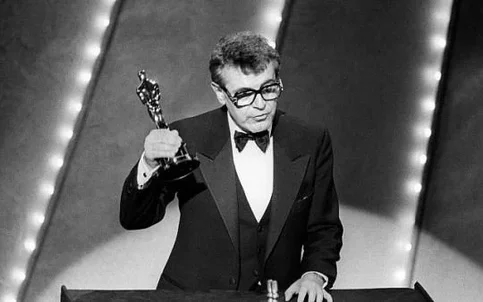
- 1975: Directs “One Flew Over the Cuckoo’s Nest,” which wins five Academy Awards, including Best Director
- 1984: Directs “Amadeus,” which wins eight Academy Awards, including Best Director
- 2000: Receives the Kennedy Center Honor for his contributions to American culture
Favourites
- Favorite Film: “Loves of a Blonde” (1965)
- Favorite Actor: Jack Nicholson
- Favorite Actress: Fanny Ardant
- Favorite Director: Federico Fellini
- Favorite Book: “One Flew Over the Cuckoo’s Nest” by Ken Kesey
- Favorite Composer: Wolfgang Amadeus Mozart
- Favorite Painting: “The Persistence of Memory” by Salvador Dalí
- Favorite Food: Czech goulash
- Favorite Place: Čáslav, Czech Republic
- Favorite Time of Day: Early morning
Controversies
- Political Satire in “The Firemen’s Ball”: The film was banned in Czechoslovakia for its satirical portrayal of a firemen’s charity ball, which was seen as a critique of the government.
- Soviet Invasion and Exile: Forman’s decision to leave Czechoslovakia in 1968 following the Soviet invasion was met with criticism from some who accused him of abandoning his homeland.
- Portrayal of Real People: “Amadeus” was criticized for its fictional portrayal of composer Antonio Salieri, who was depicted as a jealous and vindictive figure.
- Use of Non-Professional Actors: Forman’s decision to use non-professional actors in some of his films, particularly in “The Firemen’s Ball,” was controversial and sometimes criticized for compromising the quality of performances.
- Movie Censorship: His films often pushed the boundaries of censorship, leading to debates over the artistic freedom versus societal norms.
- Personal Life: Forman’s personal life, including his marriages and relationships, has been the subject of speculation and media attention.
- Cultural Appropriation: Some critics argued that Forman’s American films, while successful, sometimes felt less authentic compared to his Czech works.
- Directorial Choices: Forman’s directorial choices, such as his focus on American classics, were sometimes seen as a departure from his earlier, more experimental works.
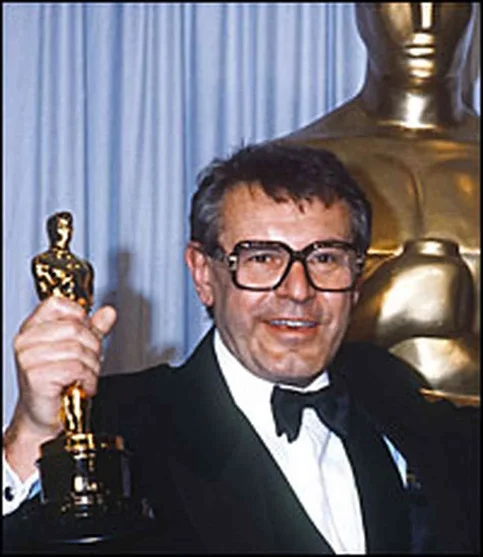
- Academy Awards Controversy: The success of “One Flew Over the Cuckoo’s Nest” and “Amadeus” at the Oscars was met with mixed reactions, with some critics arguing that these films were overrated.
- Historical Accuracy: “The People vs. Larry Flynt” was criticized for its historical inaccuracies and romanticization of the protagonist.
Control vs Chaos
Miloš Forman’s approach to filmmaking often danced the fine line between control and chaos. His early works, rooted in the Czech New Wave, embraced a sense of spontaneity and experimentation, reflecting the chaotic political and social landscape of his homeland. When he transitioned to Hollywood, Forman demonstrated a remarkable ability to maintain control over his creative vision while navigating the constraints of the studio system. This balance between embracing the unexpected and maintaining artistic integrity is evident in his films, where he seamlessly blends naturalistic performances with intricate narrative structures. Forman’s films often explore the tension between individual freedom and societal constraints, mirroring his own journey from a country under authoritarian rule to the relative freedom of the United States.
Emotional Geography
Miloš Forman’s emotional geography is deeply tied to the landscapes of his youth and the cultures he embraced. His early films, set in Czechoslovakia, are infused with a sense of nostalgia and a longing for a lost world. The rolling hills of Moravia, the bustling streets of Prague, and the small towns that shaped his formative years are vividly portrayed in his work. After his move to the United States, Forman’s emotional landscape expanded to include the diverse and often tumultuous American society. His films often explore the human condition through the lens of these different geographies, from the restrictive and oppressive environments of “One Flew Over the Cuckoo’s Nest” to the opulent and chaotic world of “Amadeus.” Forman’s ability to capture the emotional essence of these places and times is a testament to his deep understanding of the human experience.
FAQs
-
Who was Miloš Forman’s parents?
Miloš Forman’s parents were Anna Formanová and Rudolf Forman. Both died in Nazi concentration camps during the Holocaust.
-
What is Miloš Forman’s most famous film?
Miloš Forman’s most famous film is “One Flew Over the Cuckoo’s Nest,” which won five Academy Awards, including Best Director.
-
Why did Miloš Forman leave Czechoslovakia?
Forman left Czechoslovakia in 1968 following the Soviet invasion and the subsequent political repression, which limited his creative freedom.
-
What are some of Miloš Forman’s other notable films?
Some of Forman’s other notable films include “Loves of a Blonde,” “The Firemen’s Ball,” “Hair,” “Ragtime,” and “Amadeus.”
-
What awards did Miloš Forman win for “Amadeus”?
“Amadeus” won eight Academy Awards, including Best Director for Miloš Forman.
-
What is the Czech New Wave, and how was Miloš Forman involved?
The Czech New Wave was a film movement in the 1960s that emphasized realism, social critique, and innovation. Forman was a key figure in this movement, known for films like “Loves of a Blonde” and “The Firemen’s Ball.”
-
How did Miloš Forman’s early life influence his films?
Forman’s early life, marked by the loss of his parents and the political turmoil of post-war Czechoslovakia, deeply influenced his films, which often explore themes of loss, resilience, and the human struggle for freedom.
-
What is the significance of “The Firemen’s Ball” in Forman’s career?
“The Firemen’s Ball” was a critical success but was banned in Czechoslovakia due to its political satire. It marked a turning point in Forman’s career, leading to his decision to immigrate to the United States.
-
How did Miloš Forman adapt to the American film industry?
Forman adapted to the American film industry by maintaining his artistic vision while learning to navigate the studio system. His American films, such as “One Flew Over the Cuckoo’s Nest” and “Amadeus,” demonstrated his ability to merge his European sensibilities with American storytelling.
-
What is the theme of “One Flew Over the Cuckoo’s Nest”?
The theme of “One Flew Over the Cuckoo’s Nest” centers on the conflict between individual freedom and institutional control, as depicted through the story of Randle McMurphy in a mental institution.
-
What is the historical context of “Amadeus”?
“Amadeus” is set in 18th-century Vienna and explores the life and rivalry of composers Wolfgang Amadeus Mozart and Antonio Salieri, reflecting the cultural and social dynamics of the time.
-
What is the significance of “The People vs. Larry Flynt” in Forman’s filmography?
“The People vs. Larry Flynt” is significant for its exploration of freedom of speech and the First Amendment, as well as its controversial portrayal of the real-life figure Larry Flynt.
-
What is Miloš Forman’s legacy in cinema?
Miloš Forman’s legacy in cinema is marked by his profound impact on both Czech and American film, his ability to blend realism with human emotion, and his exploration of complex themes such as individual freedom and societal norms.