
Milton Berle, often referred to as the “King of Comedy,” was a towering figure in the early days of television. Born on July 12, 1908, in New York City, Berle’s career spanned over seven decades, making him one of the most enduring and influential comedians of the 20th century. Known for his flamboyant style and quick wit, he became a household name through his television show “The Milton Berle Show,” which was one of the first and most successful variety shows on TV. Beyond his comedic genius, Berle was also a celebrated actor, writer, and humanitarian. His life was a blend of triumphs and controversies, but his legacy as a pioneer of television comedy remains unshaken.
PERSONAL INFORMATION
| Name | Milton Berle |
|---|---|
| Nationality | United States |
| Place of Birth | New York City |
| Place of Death | Los Angeles |
| Date of Birth | 12 July 1908 |
| Age at Death | 93 Years |
| Zodiac Sign | Cancer |
| Date of Death | 27 March 2002 |
| Religion | Judaism |
| Gender | Male |
| Ethnicity | American Jews |
FAMILY
| Spouse | Joyce Mathews, Ruth Berle |
|---|
EDUCATION
| Educated At | Professional Children’s School, Morris High School |
|---|
CAREER
| Profession | comedian, television actor, film actor, screenwriter, composer, television presenter, actor |
|---|---|
| Awards Received | California Hall of Fame, star on Hollywood Walk of Fame |
| Record Label | RCA Victor |
| Work Period Start | 1913 |
Cost of becoming
Becoming a legendary comedian and television star like Milton Berle came at a steep price. Born into a poor family, Berle began performing at a very young age to help make ends meet. He started as a child actor in vaudeville, appearing in low-budget films and theater shows. The grueling schedule and constant pressure to entertain took a toll on his personal life, leading to several failed marriages and strained relationships. Despite the hardships, Berle’s relentless pursuit of his dreams and his ability to adapt to the changing landscape of entertainment ultimately paid off. His pioneering work in television not only made him famous but also paved the way for future generations of comedians and performers.
Identity before fame
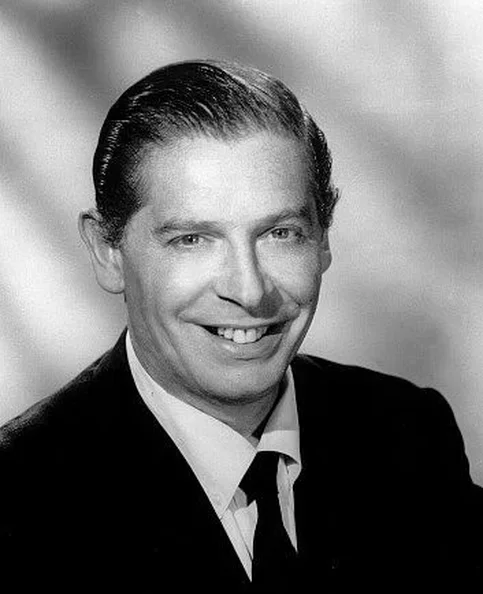
Before he became a household name, Milton Berle was known as Milton Berlinger, born to Jewish parents in New York City. His early years were marked by poverty and struggle. Berle’s parents, Molly and William, were both vaudeville performers, which exposed him to the world of entertainment from a very young age. He made his stage debut at the age of five, performing in a Ziegfeld Follies revue. This early exposure to the stage and the performing arts laid the foundation for his future success. Berle’s talent and charisma were evident even in his youth, and he quickly became a popular child actor in vaudeville and on Broadway.
Production Houses Associated With Milton Berle
| Production House | Number of Movies |
|---|---|
| 20th Century Fox | 6 |
| Warner Bros. Pictures | 2 |
| Paramount Pictures | 2 |
| Columbia Pictures | 2 |
| ITC Entertainment | 1 |
| Henson Associates | 1 |
| Aspen Film Society | 1 |
| United Artists | 1 |
| Casey Productions | 1 |
| Universal Television | 1 |
Directors Milton Berle Frequently Works With
| Director | Number of Movies |
|---|---|
| H. Bruce Humberstone | 2 |
| James Frawley | 1 |
| Tim Burton | 1 |
| Stanley Kramer | 1 |
| Jerry Paris | 1 |
| John O’Shaughnessy | 1 |
| Jon Turteltaub | 1 |
| Michael Grossman | 1 |
| Marshall Neilan | 1 |
| Michael Winner | 1 |
Movie Genres of Milton Berle
| Genre | Number of Movies |
|---|---|
| Comedy | 54 |
| Documentary | 35 |
| TV Movie | 20 |
| Drama | 13 |
| Music | 13 |
| Family | 8 |
| Adventure | 7 |
| Romance | 7 |
| Crime | 6 |
| Action | 3 |
Year-wise Movies of Milton Berle
| Year | Number of Movies |
|---|---|
| 2023 | 1 |
| 2012 | 1 |
| 2008 | 1 |
| 2007 | 1 |
| 2005 | 1 |
| 2003 | 2 |
| 2002 | 1 |
| 2000 | 1 |
| 1999 | 3 |
| 1998 | 1 |
| 1997 | 1 |
| 1995 | 1 |
| 1994 | 3 |
| 1991 | 2 |
| 1990 | 2 |
Timeline
- 1908: Born on July 12 in New York City
- 1913: Makes his stage debut at the age of five in a Ziegfeld Follies revue
- 1920s: Performs in vaudeville and low-budget films, building a reputation as a comedian
- 1930s: Continues to work in vaudeville and makes his Broadway debut
- 1948: Stars in “The Milton Berle Show,” one of the first and most successful variety shows on television
- 1950s: Becomes a household name and is referred to as “Mr. Television”
- 1960s: Continues to appear in films and television shows, solidifying his status as a comedy legend
- 1970s: Appears in various television shows and films, including “A Star Is Born” (1976)
- 1980s: Publishes his autobiography, “Milton Berle: An Autobiography”
- 2002: Dies on March 27 in Los Angeles, California
Favourites
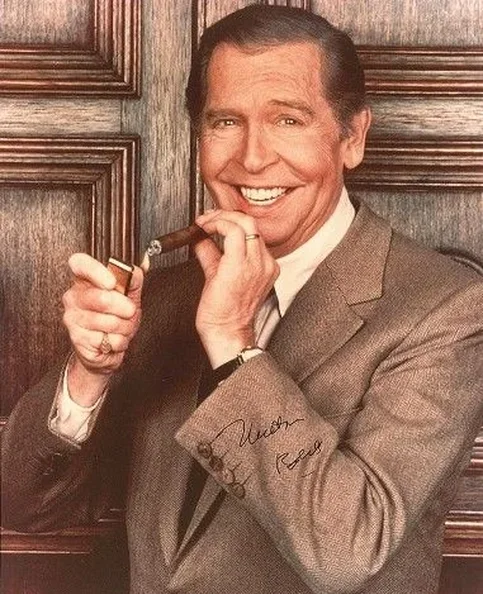
- Favorite Comedian: Jack Benny
- Favorite Actor: Clark Gable
- Favorite Film: “A Star Is Born” (1976)
- Favorite TV Show: “The Milton Berle Show”
- Favorite Place: Las Vegas, Nevada
- Favorite Food: Pastrami on rye
- Favorite Drink: Martini
Controversies
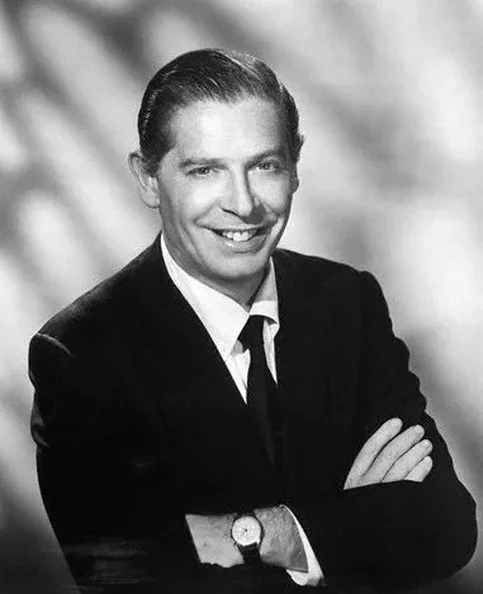
- 1953: Berle is accused of stealing jokes from other comedians, leading to a brief controversy in the entertainment industry.
- 1960: He faces criticism for his role in the television show “Broadway Open House,” which was accused of being too risqué and lowbrow.
- 1970: Berle is involved in a feud with Johnny Carson, with both comedians publicly criticizing each other’s work.
- 1980: He is involved in a libel lawsuit against a comedian who claims Berle stole material from him.
- 1990: Berle makes controversial remarks about the Gulf War, drawing criticism from various political and social groups.
- 1995: He is involved in a dispute with the Writers Guild of America, which refuses to grant him a lifetime achievement award.
- 1999: Berle is involved in a lawsuit against a former business partner, alleging fraud and mismanagement.
- 2000: He makes controversial comments about the decline of television, criticizing modern shows and performers.
- 2001: Berle is involved in a public altercation with a fan, leading to a brief legal battle.
- 2002: In the year of his death, Berle is involved in a dispute over the legacy and distribution of his personal property.
Control vs chaos
Milton Berle’s life was a constant balancing act between control and chaos. On one hand, his meticulous preparation and attention to detail in his performances ensured that he delivered consistently high-quality entertainment. He was known for his sharp comedic timing and ability to adapt to any situation on stage. However, this intense focus on control often came at the expense of his personal life. Berle’s demanding schedule and perfectionism led to several failed marriages and strained relationships. Despite the chaos that sometimes surrounded his personal life, his professional achievements speak to his ability to maintain control and deliver under pressure.
Emotional geography
Milton Berle’s emotional landscape was as varied as his career. His early struggles with poverty and the demands of the entertainment industry forged a resilient and determined persona. Despite the successes, he often grappled with the pressures of fame and the expectations of his audience. His comedic persona, characterized by a whimsical and often outrageous flair, was a way to cope with the emotional toll of his life in the spotlight. Berle’s ability to find humor in the most challenging situations was not just a professional skill but also a personal coping mechanism. This emotional geography, marked by both joy and struggle, is a testament to his enduring legacy in the world of comedy and entertainment.
FAQs
-
What was Milton Berle’s most significant contribution to television?
Berle is best known for his role in “The Milton Berle Show,” which was one of the first and most successful variety shows on television. His show, often referred to as ” TEXACO Star Theatre,” was instrumental in popularizing the medium and paved the way for future television programming.
-
How did Milton Berle get his start in entertainment?
Berle began his career as a child actor in vaudeville, making his stage debut at the age of five in a Ziegfeld Follies revue. He continued to perform in vaudeville and low-budget films throughout his youth, building a reputation as a talented comedian.
-
What was the nickname given to Milton Berle, and why?
Milton Berle was often referred to as the “King of Comedy” due to his immense popularity and influence in the entertainment industry. He was also nicknamed “Mr. Television” because of his pioneering work in the early days of television.
-
What was the impact of “The Milton Berle Show” on American culture?
“The Milton Berle Show” had a significant impact on American culture by bringing live entertainment into the living rooms of millions of Americans. It helped to establish television as a mainstream medium and set the standard for variety shows and comedy programming.
-
How did Milton Berle handle the pressures of fame?
Berle’s comedic persona and quick wit were often a way for him to cope with the pressures of fame. Despite the challenges, he maintained a strong work ethic and a commitment to his craft, which helped him navigate the demands of his career.
-
What were some of Milton Berle’s notable film appearances?
Berle appeared in several films throughout his career, including “The Sea Wolf” (1941), “A Star Is Born” (1976), and “Viva Las Vegas” (1964). His film roles, while not as prominent as his television work, showcased his versatile talent as a performer.
-
What was Milton Berle’s approach to comedy?
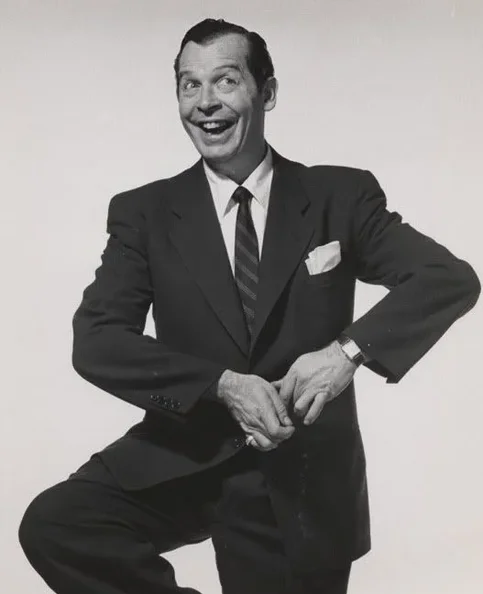
Berle’s approach to comedy was characterized by his quick wit, physical humor, and ability to improvise. He was known for his ability to engage with his audience and create memorable moments of comedy on stage and on screen.
-
How did Milton Berle’s personal life affect his career?
Berle’s demanding career often strained his personal relationships. He experienced several failed marriages and strained friendships due to the pressures of fame and his demanding schedule. However, these challenges did not diminish his professional success.
-
What were some of the controversies surrounding Milton Berle?
Berle faced various controversies throughout his career, including accusations of stealing jokes, public feuds with other comedians, and controversial remarks about political and social issues. Despite these challenges, he remained a beloved figure in the entertainment industry.
-
How did Milton Berle adapt to the changing landscape of television?
Berle’s ability to adapt to the changing landscape of television was a key factor in his long-lasting career. He continued to appear in various television shows and specials, staying relevant and entertaining audiences well into the 1990s.
-
What was Milton Berle’s legacy after his death in 2002?
Berle’s legacy as a pioneer of television comedy remains strong. His contributions to the medium and his influence on future generations of comedians are widely recognized. He is remembered as one of the greatest entertainers of the 20th century.
-
How did Milton Berle’s vaudeville experience shape his career?
Berle’s early experience in vaudeville provided him with a strong foundation in comedy and performance. The fast-paced, live nature of vaudeville honed his skills in improvisation and audience engagement, which he later brought to television and film.
-
What was Milton Berle’s approach to writing and performing?
Berle was known for his meticulous preparation and attention to detail. He often wrote his own material and was deeply involved in the creative process of his shows. His performances were characterized by a blend of scripted material and spontaneous humor, making each show unique and engaging.
-
How did Milton Berle handle the transition from vaudeville to television?
Berle’s transition from vaudeville to television was smooth due to his adaptability and understanding of the entertainment industry. He recognized the potential of television and was one of the first comedians to embrace the medium, leveraging his experience and charisma to connect with a new audience.
-
What were some of Milton Berle’s contributions to charity and philanthropy?
Berle was known for his philanthropic efforts and supported various charitable causes throughout his life. He was a frequent participant in benefit shows and used his platform to raise awareness and funds for important causes.