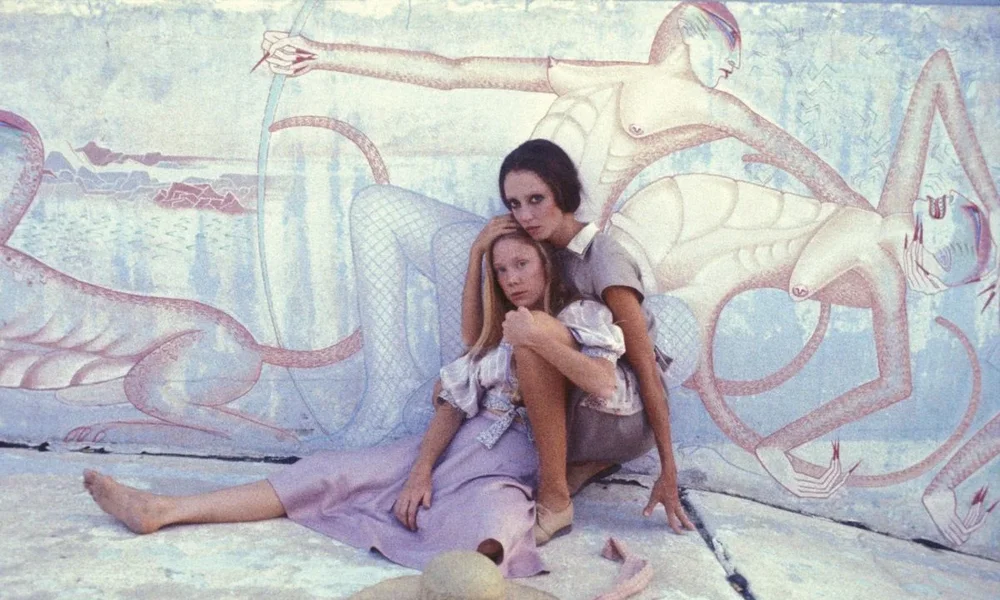
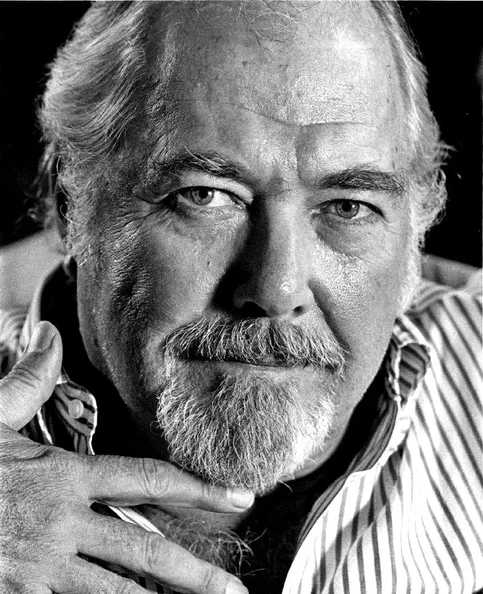
Robert Altman, an American film director known for his innovative and unconventional storytelling methods, left an indelible mark on the world of cinema. With a career spanning over five decades, Altman directed a plethora of critically acclaimed films, including “M*A*S*H,” “Nashville,” and “The Player.” His unique approach to filmmaking, characterized by overlapping dialogue, ensemble casts, and a willingness to explore the darker, often neglected aspects of society, cemented his status as one of the most influential directors of the 20th century. Altman’s work consistently challenged the norms of Hollywood, pushing the boundaries of narrative structure and cinematic technique. Despite the occasional controversy, his films remain a testament to his artistic vision and enduring legacy in the film industry.
PERSONAL INFORMATION
| Name | Robert Altman |
|---|---|
| Nationality | United States |
| Date of Birth | 20 February 1925 |
| Age at Death | 81 Years |
| Zodiac Sign | Pisces |
| Date of Death | 20 November 2006 |
| Place of Birth | Kansas City |
| Place of Death | Los Angeles |
| Religion | atheism |
| Native Name | Robert Altman |
| Languages Spoken | English |
| Gender | Male |
FAMILY
| Children | Robert Reed Altman |
|---|
EDUCATION
| Educated At | Wentworth Military Academy and College, Southwest Early College Campus, Rockhurst High School, Southwest High School |
|---|
CAREER
| Profession | film director, screenwriter, film producer, film editor, writer, librettist, theatrical director, film actor, director, film screenwriter, producer, actor |
|---|---|
| Member Of | American Academy of Arts and Sciences, Writers Guild of America West |
| Nominations | Academy Award for Best Director, Academy Award for Best Director, Academy Award for Best Director, Academy Award for Best Director, Academy Award for Best Director, Academy Award for Best Picture, Academy Award for Best Picture, César Award for Best Foreign Film |
| Awards Received | Fellow of the American Academy of Arts and Sciences, National Board of Review Award for Best Film, BAFTA Award for Best Direction, Primetime Emmy Award for Outstanding Directing for a Drama Series, Academy Honorary Award |
| Work Period Start | 1947 |
SOCIAL MEDIA & LINKS
| IMDB ID | nm0000265 |
|---|---|
| Official Website | http://www.robertaltman.com/ |
| Wikipedia | Wikipedia |
Cost of becoming
The journey to becoming a renowned film director like Robert Altman was not without significant challenges and sacrifices. Altman’s early career was marked by a series of setbacks and financial struggles. He began his career in the 1950s, working on industrial and educational films, a far cry from the grand visions he would later realize. This period of his life was characterized by a relentless pursuit of creative freedom and a willingness to take risks, even when it meant risking financial stability. Altman’s early experiences in the trenches of the film industry honed his skills and deepened his understanding of the medium, laying the groundwork for his future success. The cost of becoming a filmmaker of his caliber was high, but the rewards of artistic fulfillment and critical recognition were well worth it.
Identity before fame
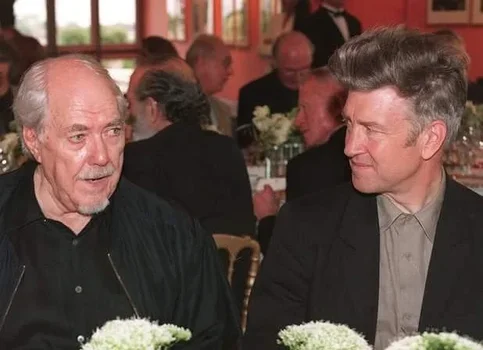
Before he became a household name, Robert Altman was a Kansas City native with a passion for storytelling. Born in 1925, Altman grew up in a middle-class family and was initially drawn to the theater. His early interest in the arts led him to study acting and directing at the University of Kansas, although he never completed a degree. After serving in the United States Army Air Forces during World War II, Altman returned to civilian life with a renewed sense of purpose. He began his career in the film industry by making short documentaries and industrial films, a humble beginning that would eventually pave the way for his groundbreaking work in feature films. These early experiences shaped his identity as a filmmaker, instilling in him a deep appreciation for the power of visual storytelling.
Production Houses Associated With Robert Altman
| Production House | Number of Movies |
|---|---|
| BBC | 1 |
| Purple Moo Pictures | 1 |
| Field Day Productions | 1 |
| Kew Media Group | 1 |
| Transmission Pictures | 1 |
| Samuel Goldwyn Productions | 1 |
| Rocket Science Laboratories | 1 |
| Universal Pictures | 1 |
| Frank Capra Productions | 1 |
| Zaloom Mayfield Productions | 1 |
Directors Robert Altman Frequently Works With
| Director | Number of Movies |
|---|---|
| Chuck Workman | 2 |
| Greg Carson | 2 |
| Paul Joyce | 2 |
| Roger Michell | 1 |
| Norman Z. McLeod | 1 |
| Ted Haimes | 1 |
| Franco Zeffirelli | 1 |
| Robert Altman | 1 |
| Roberto Olla | 1 |
| Danila Satta | 1 |
Movie Genres of Robert Altman
| Genre | Number of Movies |
|---|---|
| Documentary | 39 |
| History | 4 |
| TV Movie | 4 |
| Drama | 3 |
| Romance | 2 |
| Mystery | 2 |
| Comedy | 1 |
| Fantasy | 1 |
| Music | 1 |
| Crime | 1 |
Year-wise Movies of Robert Altman
| Year | Number of Movies |
|---|---|
| 2025 | 1 |
| 2024 | 1 |
| 2020 | 1 |
| 2018 | 1 |
| 2014 | 2 |
| 2013 | 1 |
| 2005 | 2 |
| 2004 | 10 |
| 2003 | 4 |
| 2002 | 4 |
| 2000 | 2 |
| 1999 | 1 |
| 1997 | 1 |
| 1996 | 1 |
| 1995 | 1 |
Timeline
- 1925: Robert Altman is born in Kansas City, Missouri.
- 1944-1946: Serves in the United States Army Air Forces during World War II.
- 1953-1959: Works on industrial and educational films, gaining experience in the film industry.
- 1957: Directs his first feature film, “The Delinquents.”
- 1965: Moves to Hollywood and begins directing television episodes.
- 1970: Achieves breakthrough success with the anti-war comedy “M*A*S*H.”
- 1975: Releases “Nashville,” a critical and commercial success, which earns multiple Academy Award nominations.
- 1992: Directs “The Player,” a meta-commentary on the film industry, which garners widespread acclaim.
- 1993: Receives the Lifetime Achievement Award from the National Society of Film Critics.
- 2006: Passes away in Los Angeles, California, leaving behind a legacy as one of the most innovative directors in film history.
Favourites
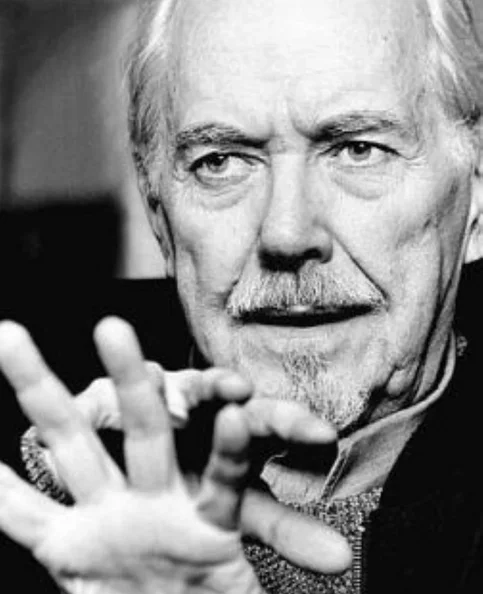
- Favorite Film of His Own: “Nashville” – Altman often cited this film as his personal favorite, praising its ensemble cast and complex exploration of American culture.
- Favorite Director: John Ford – Altman was a great admirer of Ford’s work, particularly his ability to capture the American spirit.
- Favorite Genre: Drama – While Altman’s films spanned various genres, he was particularly known for his dramatic works that delved into the human condition.
- Favorite Actor to Work With: Julie Christie – Altman enjoyed a long and fruitful collaboration with the British actress, who starred in several of his films.
- Favorite Location to Film: Nashville, Tennessee – The city of Nashville provided the perfect backdrop for Altman’s film of the same name, allowing him to explore the rich musical and cultural landscape.
- Favorite Film of All Time: “The Rules of the Game” by Jean Renoir – Altman was deeply influenced by Renoir’s work, particularly its intricate narrative structure and social commentary.
- Favorite Musician: Leonard Cohen – Altman was a fan of Cohen’s music and occasionally used his songs in his films.
- Favorite Book: “Gravity’s Rainbow” by Thomas Pynchon – Altman was known to be a fan of Pynchon’s complex and multi-layered novels, which often mirrored his own filmmaking style.
- Favorite Writer: William Faulkner – Altman admired Faulkner’s ability to capture the complexities of human nature and the Southern experience.
Controversies
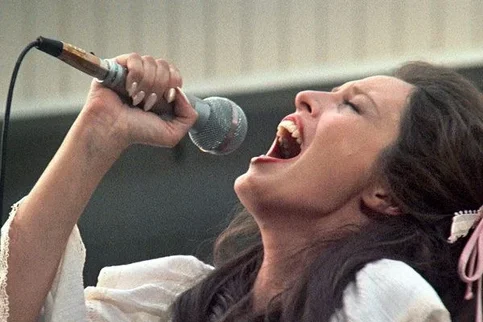
- Criticism of “M*A*S*H”: The film’s anti-war stance and irreverent tone were initially met with mixed reactions, particularly from veterans and conservative critics.
- Controversial Depictions of Hollywood: Altman’s films, such as “The Player,” often criticized the film industry, leading to clashes with studio executives and industry insiders.
- Clashes with Actors: Altman’s unorthodox directorial style, which often involved improvised dialogue and loose direction, sometimes led to conflicts with actors who preferred more structured roles.
- Political Allegiances: Altman’s left-leaning political views and their reflection in his films often generated controversy and criticism from conservative audiences.
- Subversive Themes: Many of Altman’s films, such as “Short Cuts” and “Secret Honor,” explored dark and subversive themes, which sometimes alienated mainstream audiences.
- Legal Disputes: Altman was involved in several legal battles over the rights to his films and the creative control he sought to maintain.
- Cultural Sensitivity: Some of Altman’s works, particularly “McCabe & Mrs. Miller,” faced criticism for their portrayal of marginalized groups and historical accuracy.
- Unpopular Remakes: Altman’s remake of “Popeye” (1980) was widely panned by critics and audiences, leading to a decline in his commercial success.
- Experimental Techniques: Altman’s experimental approach to filmmaking, such as the use of multiple cameras and overlapping dialogue, often polarized audiences and critics.
- Personal Life: Altman’s personal life, including his multiple marriages and personal relationships, sometimes attracted media attention and speculation.
Control vs chaos
Robert Altman’s directorial style was a delicate balance between control and chaos. On one hand, he meticulously planned his films, often spending months or even years in pre-production to ensure that every aspect of the project was thoughtfully considered. On the other hand, he embraced a spontaneous and improvisational approach on set, allowing his actors and crew to have significant creative input. This method often led to unpredictable results, but it also created a dynamic and authentic atmosphere that was evident in his films. Altman’s willingness to cede control in certain aspects of the filmmaking process was a testament to his trust in his collaborators and his belief that the creative process should be a collaborative endeavor. This balance of control and chaos was a hallmark of his work and contributed to the unique and enduring quality of his films.
Emotional geography
Robert Altman’s films were often characterized by their deep exploration of emotional landscapes. Whether set in the chaotic and humorous world of a mobile Army Surgical Hospital during the Korean War in “M*A*S*H” or the complex and interconnected lives of various characters in “Nashville,” Altman’s narratives delved into the inner workings of human emotions and relationships. He had a unique ability to capture the nuances of human interaction, often revealing the underlying tensions and conflicts that define our lives. Altman’s films were not just stories; they were emotional journeys that resonated with audiences on a profound level. By weaving together multiple storylines and perspectives, Altman created a rich tapestry of human experience, one that reflected the complexity and diversity of the world we live in.
FAQs
-
What is Robert Altman best known for?
Robert Altman is best known for his innovative and unconventional films, such as “M*A*S*H,” “Nashville,” and “The Player.” These works are celebrated for their complex ensemble casts, overlapping dialogue, and distinctive storytelling techniques.
-
How did Robert Altman start his career?
ltman’s career began in the 1950s, where he worked on industrial and educational films. This early experience provided him with the skills and insights that would later influence his approach to feature filmmaking.
-
What was Altman’s directorial style?
ltman’s directorial style was characterized by a focus on ensemble casts, overlapping dialogue, and a willingness to challenge conventional narrative structures. He often used multiple cameras and encouraged improvisation on set.
-
How did “M*A*S*H” impact Altman’s career?
“M*A*S*H” (1970) was a breakthrough film for Altman, both critically and commercially. It established him as a major force in the film industry and paved the way for his subsequent works, which often dealt with social and political themes.
-
What are some of Altman’s notable films?
Some of Altman’s most notable films include “M*A*S*H” (1970), “Nashville” (1975), “The Player” (1992), “Short Cuts” (1993), and “Gosford Park” (2001). Each of these films showcases his unique directorial style and thematic depth.
-
How did Altman’s films address social and political issues?
ltman’s films often explored social and political issues in subtle and nuanced ways. For example, “M*A*S*H” served as a critique of the Vietnam War, while “Nashville” examined the American political landscape and the music industry.
-
What was Altman’s approach to working with actors?
ltman was known for his collaborative approach to working with actors. He often encouraged improvisation and gave his actors a significant degree of creative freedom, which resulted in more authentic and dynamic performances.
-
What awards did Robert Altman receive?
ltman received numerous awards throughout his career, including the Lifetime Achievement Award from the National Society of Film Critics and multiple Academy Award nominations. He was also awarded the Golden Lion for Career Achievement at the Venice Film Festival.
-
How did Altman’s personal life influence his work?
ltman’s personal life, including his military service and his experiences growing up in Kansas City, often influenced his work. His films frequently explored themes of identity, community, and the human condition, reflecting his own life experiences.
-
What is the significance of “Nashville” in Altman’s filmography?
“Nashville” is considered one of Altman’s masterpieces. It is a sprawling, multi-character film that explores the American music industry and political landscape. The film is known for its ensemble cast and its intricate, interwoven storylines.
-
How did Altman’s films challenge Hollywood conventions?
ltman’s films often challenged Hollywood conventions by breaking away from traditional narrative structures and embracing a more improvisational and experimental approach. His use of non-linear storytelling and ensemble casts set his work apart from mainstream cinema.
-
What was Altman’s legacy in the film industry?
Robert Altman’s legacy in the film industry is characterized by his innovative approach to storytelling and his willingness to push boundaries. His influence can be seen in the work of many contemporary filmmakers who continue to explore unconventional narrative techniques and themes.
-
What was Altman’s final film?
ltman’s final film, “A Prairie Home Companion” (2006), was a tribute to the radio show of the same name. The film, which starred Meryl Streep and Lily Tomlin, was released just five months before Altman’s death and is a fitting swan song to his illustrious career.