
Sam Raimi is a name synonymous with innovative filmmaking, particularly in the horror and action genres. Born on October 23, 1959, in Royal Oak, Michigan, Raimi has carved a niche for himself with his distinctive visual style and a penchant for blending humor with horror. Best known for his work on the “The Evil Dead” trilogy and the “Spider-Man” trilogy, Raimi has consistently pushed the boundaries of what is possible on the silver screen. His films are not just about scares or action; they are about the human condition, resilience, and the triumph of the spirit. Through his unique approach to storytelling, Raimi has not only entertained audiences but also influenced a generation of filmmakers. In this article, we will delve into the fascinating journey of Sam Raimi, from his early days to his current status as a revered figure in the film industry.
PERSONAL INFORMATION
| Name | Sam Raimi |
|---|---|
| Nationality | United States |
| Date of Birth | 23 October 1959 |
| Age | 66 Years |
| Zodiac Sign | Scorpio |
| Place of Birth | Royal Oak |
| Languages Spoken | English |
| Gender | Male |
| Religion | Judaism |
| Native Language | English |
FAMILY
| Children | Lorne Raimi, Henry Raimi, Oliver Raimi |
|---|---|
| Spouse | Gillian Greene |
| Siblings | Ted Raimi |
EDUCATION
| Educated At | Michigan State University, Birmingham Groves High School |
|---|
CAREER
| Profession | actor, screenwriter, film director, film producer, film editor, film actor, executive producer, director |
|---|---|
| Work Period Start | 1977 |
| Notable Works | The Evil Dead, Darkman, Spider-Man trilogy, Doctor Strange in the Multiverse of Madness |
| Awards Received | Inkpot Award, Sitges Film Festival Best Director award, Time Machine Award, The George Pal Memorial Award |
| Member Of | Writers Guild of America, East |
Cost of becoming
The path to becoming a successful filmmaker often comes with significant challenges and sacrifices. For Sam Raimi, the journey began with a fierce passion for filmmaking, nurtured during his early years. Despite the lack of formal film school training, Raimi and his brother, Ivan, embarked on creating homemade horror films in their basement. This DIY approach required not only creative ingenuity but also financial sacrifices. The initial investment for their first film, “The Evil Dead,” came from family and personal savings, amounting to a shoestring budget of $350,000. Raimi’s relentless drive and willingness to take risks, both financially and creatively, were instrumental in overcoming the numerous obstacles he faced. His dedication and resilience paid off, as “The Evil Dead” became a cult classic, paving the way for a prolific career in Hollywood.

Identity before fame
Before his rise to fame, Sam Raimi was a young filmmaker with a deep love for cinema. Growing up in a Jewish family in Royal Oak, Michigan, Raimi was exposed to a wide array of films from an early age. His passion for filmmaking was evident even in his childhood, as he and his brother Ivan would spend countless hours creating short films using a Super 8 camera. Raimi’s early influences included directors such as Alfred Hitchcock and Steven Spielberg, whose works would later shape his own storytelling style. During his formative years, Raimi attended Michigan State University, where he continued to hone his skills and collaborate with fellow aspiring filmmakers. It was during this period that Raimi’s unique blend of humor and horror began to take shape, setting the foundation for his future success.
Production Houses Associated With Sam Raimi
| Production House | Number of Movies |
|---|---|
| Warner Bros. Pictures | 2 |
| Renaissance Pictures | 2 |
| Marvel Enterprises | 2 |
| Laura Ziskin Productions | 2 |
| Columbia Pictures | 2 |
| Circle Films | 1 |
| Beyond Infinity | 1 |
| Full Moon Features | 1 |
| Phantom Productions | 1 |
| Empire Pictures | 1 |
Directors Sam Raimi Frequently Works With
| Director | Number of Movies |
|---|---|
| Josh Becker | 5 |
| Scott Spiegel | 4 |
| Sam Raimi | 4 |
| Joel Coen | 2 |
| John Carpenter | 1 |
| Tobe Hooper | 1 |
| Mike Binder | 1 |
| John Landis | 1 |
| Mark Patrick Carducci | 1 |
| William Mesa | 1 |
Movie Genres of Sam Raimi
| Genre | Number of Movies |
|---|---|
| Comedy | 18 |
| Horror | 16 |
| Documentary | 14 |
| Action | 11 |
| Science Fiction | 8 |
| Adventure | 8 |
| Crime | 6 |
| Fantasy | 6 |
| Thriller | 5 |
| Drama | 3 |
Year-wise Movies of Sam Raimi
| Year | Number of Movies |
|---|---|
| 2026 | 1 |
| 2025 | 1 |
| 2024 | 1 |
| 2022 | 1 |
| 2020 | 2 |
| 2019 | 1 |
| 2016 | 1 |
| 2015 | 1 |
| 2013 | 2 |
| 2009 | 1 |
| 2007 | 3 |
| 2004 | 3 |
| 2002 | 4 |
| 2000 | 1 |
| 1999 | 1 |
Timeline
- 1959: Sam Raimi is born on October 23 in Royal Oak, Michigan.
- 1981: Raimi and his brother Ivan create their first professional film, “Within the Woods,” which would later evolve into “The Evil Dead.”
- 1982: “The Evil Dead” is released, becoming a cult classic and launching Raimi’s career in horror films.
- 1984: Raimi directs “Evil Dead II,” a sequelprequel to the original film, further solidifying his reputation in the genre.
- 1992: “Army of Darkness,” the final installment of “The Evil Dead” trilogy, is released, cementing Raimi’s status as a horror icon.
- 1998: Raimi directs “A Simple Plan,” a psychological thriller that showcases his versatility as a filmmaker.
- 2002: “Spider-Man” is released, marking Raimi’s entry into the superhero genre and becoming a massive commercial success.
- 2004: “Spider-Man 2” is released, receiving critical acclaim and further enhancing Raimi’s reputation.
- 2007: “Spider-Man 3” completes the trilogy, though it receives mixed reviews from critics.
- 2013: Raimi returns to his horror roots with “The Evil Dead” remake, serving as a producer and creative consultant.
Favourites
- Filmmaker: Alfred Hitchcock
- Director: Steven Spielberg
- Actor: Bruce Campbell
- Genre: Horror
- Movie Franchise: “The Evil Dead” Trilogy
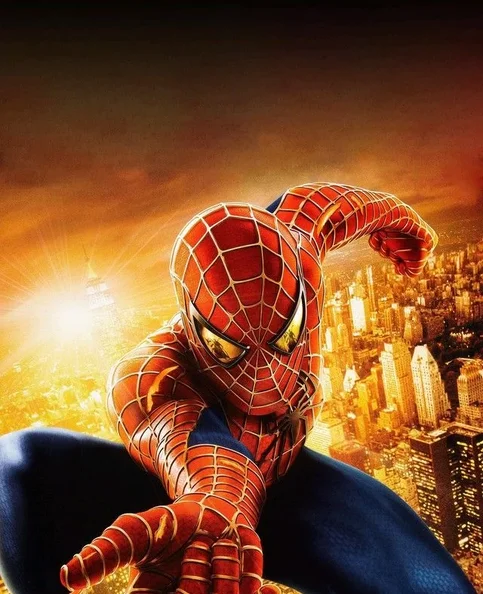
- Superhero: Spider-Man
- Scriptwriter: Robert Tapert
- Composer: Danny Elfman
- Production Company: Ghost House Pictures
- Favorite Film: “Psycho” (1960)

Controversies
- Directorial Choices: Raimi’s decision to direct the “Spider-Man” trilogy raised some eyebrows due to his background in horror films. Some critics were skeptical about his ability to handle a superhero franchise, though the films were ultimately successful.
- Casting Decisions: The casting of Tobey Maguire as Spider-Man was initially met with criticism from fans who doubted his ability to portray the character. Raimi’s faith in Maguire paid off, as the actor’s performance was widely praised.
- Visual Effects: The visual effects in “Spider-Man 3” were a source of controversy, with some critics feeling that the film’s overreliance on CGI detracted from the story and characters.
- Sequels and Remakes: Raimi’s involvement in the remake of “The Evil Dead” in 2013 sparked debate among fans of the original trilogy. Some felt that a remake was unnecessary, while others appreciated Raimi’s role as a producer.
- Political Statements: In 2006, Raimi was criticized for including a scene in “Spider-Man 3” that some interpreted as a political statement about the Iraq War. The scene, which featured a mob scene in New York, was seen by some as a commentary on the divisive climate of the time.
- Box Office Performance: Despite critical success, “Drag Me to Hell” (2009) underperformed at the box office, leading to questions about Raimi’s ability to deliver commercial hits outside of the superhero genre.
- Personal Life: Raimi’s personal life has generally been kept out of the public eye, but rumors about his political views and personal beliefs occasionally surface, leading to some controversy.
Control vs chaos
Sam Raimi’s filmmaking is often characterized by a delicate balance between control and chaos. His directorial style is known for its frenetic energy and creativity, yet he maintains a meticulous attention to detail. This balance is particularly evident in his horror films, where the controlled chaos of the mise-en-scène heightens the tension and fear. Raimi’s ability to blend these seemingly opposing elements is a testament to his skill as a storyteller. He carefully orchestrates every aspect of his films, from the cinematography to the editing, ensuring that the controlled chaos serves the narrative and enhances the audience’s experience. This balance is not just a stylistic choice but a philosophical approach to filmmaking, reflecting Raimi’s belief that true terror and excitement emerge from the interplay of order and disorder.
Emotional geography
Sam Raimi’s work often explores the emotional landscape of his characters, delving into the depths of fear, vulnerability, and resilience. His films are not just about the external threats his protagonists face but also the internal battles they wage. In “The Evil Dead” trilogy, for example, the protagonists are not only battling supernatural forces but also their own fears and insecurities. Raimi’s ability to tap into the emotional core of his characters makes his films resonate on a deeper level. His use of humor as a coping mechanism is particularly noteworthy, as it allows his characters to find moments of lightness even in the darkest of situations. This emotional geography is a hallmark of Raimi’s storytelling, making his films both thrilling and deeply human.

FAQs
-
What is Sam Raimi best known for?
Sam Raimi is best known for directing the “The Evil Dead” trilogy and the “Spider-Man” trilogy. His unique blend of horror and humor has made him a respected figure in the film industry.
-
What is Sam Raimi’s background?
Sam Raimi was born in Royal Oak, Michigan, in 1959. He grew up in a Jewish family and developed a passion for filmmaking at a young age, often collaborating with his brother Ivan on homemade horror films.
-
What was Sam Raimi’s first professional film?
Sam Raimi’s first professional film was “The Evil Dead” (1981), which he co-created with his brother Ivan. The film became a cult classic and launched Raimi’s career in horror.
-
How did Sam Raimi get into directing?
Sam Raimi and his brother Ivan began creating short films using a Super 8 camera during their childhood. This early experimentation with filmmaking laid the foundation for his future career. Raimi’s passion and persistence led him to direct “The Evil Dead,” which marked the beginning of his successful directorial career.
-
What other genres has Sam Raimi directed in?
In addition to horror and superhero films, Sam Raimi has directed a psychological thriller, “A Simple Plan” (1998), and a fantasy film, “Drag Me to Hell” (2009). His versatility as a filmmaker is evident in his ability to excel in various genres.
-
What is Sam Raimi’s working relationship with Bruce Campbell?
Sam Raimi and Bruce Campbell have a long-standing and close working relationship. Campbell has starred in many of Raimi’s films, including the “The Evil Dead” trilogy. Their collaboration has been a defining aspect of Raimi’s career, and their chemistry on screen is often cited as a key factor in the success of his films.
-
What is Sam Raimi’s approach to visual effects?
Sam Raimi is known for his innovative use of visual effects, particularly in his horror and superhero films. He often pushes the boundaries of what is possible with special effects, using a combination of practical effects and CGI to create immersive and visually stunning scenes. His approach to visual effects is always in service of the story, ensuring that the effects enhance the narrative rather than overshadow it.
-
What are some of Sam Raimi’s most critically acclaimed films?
Some of Sam Raimi’s most critically acclaimed films include “The Evil Dead” trilogy, “A Simple Plan,” “Spider-Man 2” (2004), and “Drag Me to Hell.” Each of these films is praised for its unique storytelling, innovative visual effects, and strong performances from the cast.
-
What is Sam Raimi’s production company?
Sam Raimi and his brother Ivan founded Ghost House Pictures, a production company that has been involved in the creation of numerous films and television series. Ghost House Pictures has produced a variety of projects, including “The Grudge” (2004) and “51 Birch Street” (2015).
-
What inspired Sam Raimi’s films?
Sam Raimi’s films are inspired by a variety of sources, including his love for classic horror films and the works of directors such as Alfred Hitchcock and Steven Spielberg. His personal experiences and the cultural milieu of the 1980s and 1990s also play a significant role in shaping his storytelling. Raimi often draws on his own fears and insecurities to create compelling and relatable characters.
-
What is Sam Raimi’s creative process?
Sam Raimi’s creative process is characterized by a collaborative approach and a commitment to innovation. He often works closely with his cast and crew, fostering an environment where creativity can thrive. Raimi is known for his hands-on approach to filmmaking, often getting involved in every aspect of production, from writing to editing. His willingness to take risks and try new techniques is a hallmark of his creative process.
-
What are Sam Raimi’s future projects?
Sam Raimi continues to be an active figure in the film industry. While details of his upcoming projects are often kept under wraps, he is known to be selective about the films he directs. Fans can look forward to more innovative and thought-provoking works from this talented director in the future.
-
What impact has Sam Raimi had on the film industry?
Sam Raimi has had a significant impact on the film industry, particularly in the horror and superhero genres. His innovative approach to storytelling and visual effects has influenced a generation of filmmakers. Raimi’s ability to blend humor with horror has also helped to redefine the genre, making it more accessible and appealing to a wider audience. His success with the “Spider-Man” trilogy has also set a high standard for superhero films, paving the way for the Marvel Cinematic Universe and other superhero franchises.
-
How has Sam Raimi’s personal life influenced his work?
Sam Raimi’s personal life has had a subtle but significant influence on his work. His upbringing in a Jewish family and his experiences growing up in the 1980s have shaped his worldview and storytelling style. His close relationship with his brother Ivan and his collaboration with friends like Bruce Campbell and Robert Tapert have also been instrumental in his career. Raimi’s films often reflect themes of family, friendship, and resilience, drawing on his personal experiences and values.