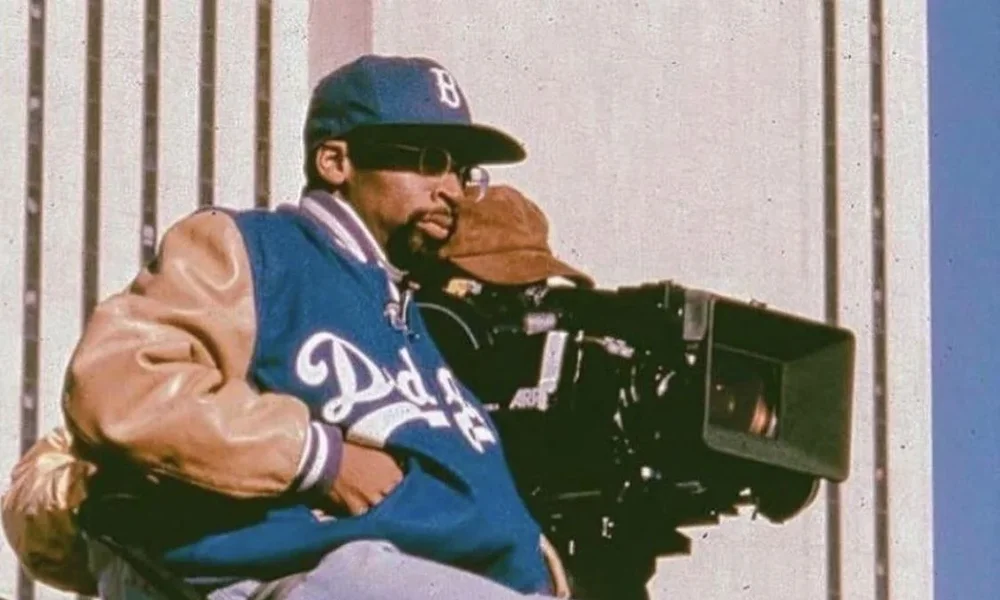
Spike Lee, born Shelton Jackson Lee on March 20, 1957, in Atlanta, Georgia, is a renowned American filmmaker, actor, and producer. Known for his unique storytelling and powerful social commentary, Lee has directed and produced a plethora of films, documentaries, and television series that have earned him critical acclaim and numerous accolades. His works often tackle issues of race, politics, and social justice, making him a pivotal figure in the film industry. Lee’s influence extends beyond the screen, as he is also a passionate educator, teaching film at New York University and Morehouse College. His distinctive style and commitment to authentic storytelling have cemented his status as one of the most influential filmmakers of his generation.
PERSONAL INFORMATION
| Name | Spike Lee |
|---|---|
| Nationality | United States |
| Date of Birth | 20 March 1957 |
| Age | 68 Years |
| Zodiac Sign | Pisces |
| Place of Birth | Atlanta |
| Ethnicity | African Americans |
| Native Name | Spike Lee |
| Residence | New York City |
| Languages Spoken | English |
| Gender | Male |
| Native Language | English |
FAMILY
| Siblings | David Lee, Joie Lee, Cinqué Lee |
|---|---|
| Spouse | Tonya Lewis Lee |
| Father | Bill Lee |
| Children | Jackson Lee |
EDUCATION
| Educated At | New York University Tisch School of the Arts, Morehouse College, John Dewey High School |
|---|
CAREER
| Profession | film director, actor, screenwriter, film producer, film editor, film actor, television actor, television producer, director |
|---|---|
| Awards Received | Primetime Emmy Award, George Polk Award, NAACP Image Award – Hall of Fame Award, Fellow of the American Academy of Arts and Sciences, Academy Award for Best Writing, Adapted Screenplay, Honorary César, BAFTA Award for Best Adapted Screenplay, Academy Honorary Award, American Society of Cinematographers Award |
| Member Of | American Academy of Arts and Sciences, Writers Guild of America, East |
| Nominations | Academy Award for Best Writing, Original Screenplay, Academy Award for Best Documentary Feature Film, Academy Award for Best Director, Academy Award for Best Picture, Academy Award for Best Writing, Adapted Screenplay |
| Work Period Start | 1978 |
| Employer | New York University, Harvard University, Columbia University |
SOCIAL MEDIA & LINKS
| IMDB ID | nm0000490 |
|---|---|
| @SpikeLee, @SpikeLeeJoint | |
| @officialspikelee | |
| Wikipedia | Wikipedia |
Cost of becoming
Becoming a renowned filmmaker like Spike Lee required immense dedication and sacrifice. Despite facing significant financial constraints early in his career, Lee was determined to tell stories that mattered. He financed his early films, including his debut feature “She’s Gotta Have It,” with a combination of personal savings and support from family and friends. Lee’s relentless pursuit of his craft led him to take on multiple roles, often directing, producing, and acting in his films to maintain creative control. The cost of his success was not just financial but also personal, as he often had to navigate the challenges of the film industry’s systemic barriers and biases.
Identity before fame
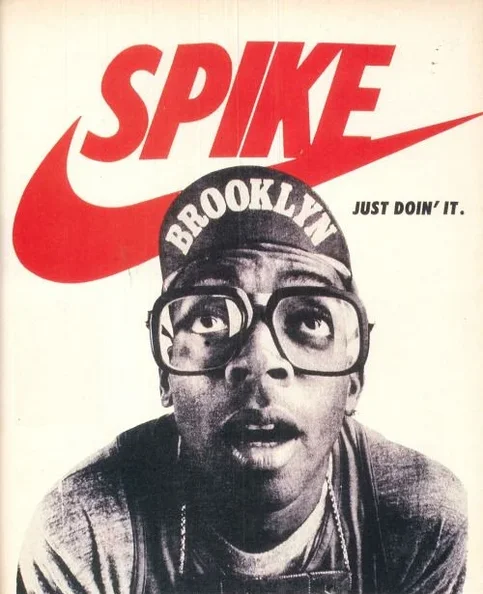
Before achieving fame, Spike Lee grew up in a household that valued art and education. His father, Bill Lee, was a jazz musician, and his mother, Jacqueline Lee, was an educational consultant. Lee’s early exposure to art and culture played a pivotal role in shaping his artistic sensibilities. He attended Morehouse College, where he majored in mass communication and played semi-pro baseball. It was during his time at Morehouse that Lee first became interested in filmmaking. After graduation, he moved to New York City to pursue a master’s degree in film at New York University, where he directed his first short film, “Last Hustle in Brooklyn.” This early work laid the foundation for his future success and established his unique voice in cinema.
Timeline
- 1957: Born in Atlanta, Georgia
- 1979: Graduates from Morehouse College with a degree in mass communication
- 1983: Enrolls in the graduate film program at New York University
- 1986: Releases his first feature film, “She’s Gotta Have It,” which garners critical acclaim
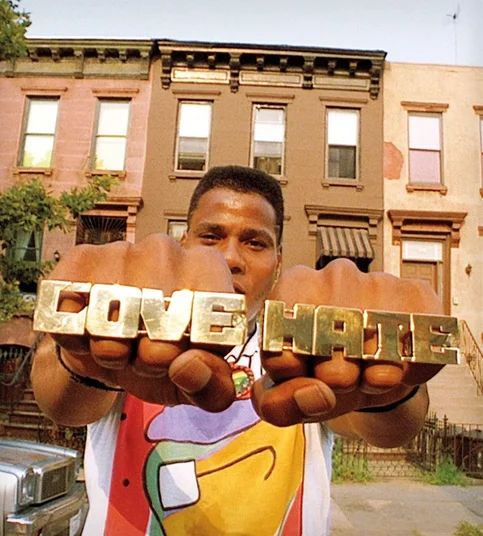
- 1989: Directs “Do the Right Thing,” a film that tackles racial tensions and social injustice
- 1992: Releases “Malcolm X,” a biographical film about the civil rights leader
- 1999: Directs “Summer of Sam,” a crime drama set in 1977 New York
- 2006: Directs “When the Levees Broke: A Requiem in Four Acts,” a documentary about Hurricane Katrina
- 2018: Wins the Academy Award for Best Adapted Screenplay for “BlacKkKlansman”
- 2020: Receives an honorary Oscar for lifetime achievement
Favourites
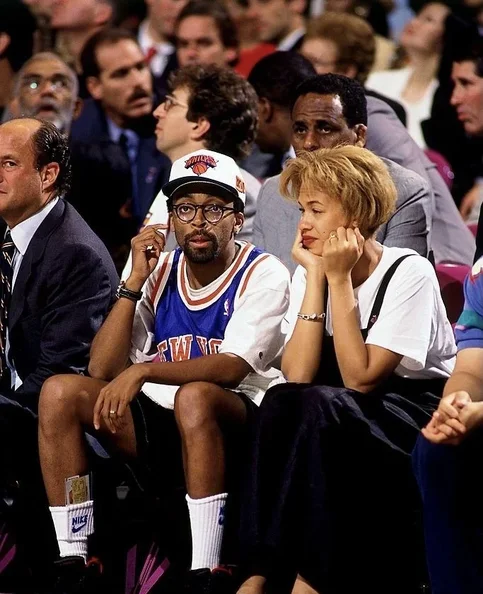
- Favorite Film: “Do the Right Thing” (1989)
- Favorite Actor to Work With: Denzel Washington
- Favorite Genre: Drama and Social Commentary
- Favorite Film by Another Director: “The Godfather” (1972) directed by Francis Ford Coppola
- Favorite Book: “The Autobiography of Malcolm X” by Malcolm X and Alex Haley
- Favorite Music Genre: Jazz and Hip-Hop
- Favorite Sport: Basketball
- Favorite City: New York City
- Favorite Film Festival: Cannes Film Festival
- Favorite Personal Project: “4 Little Girls” (1997) documentary about the 1963 Birmingham church bombing
Controversies
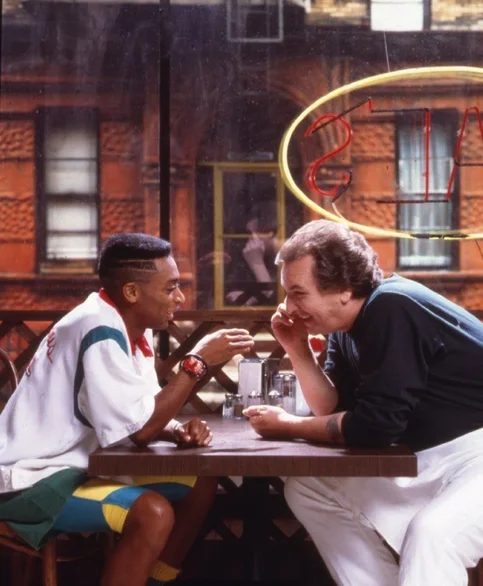
- Gentrification Criticism: Lee has been vocal about the negative impacts of gentrification in Brooklyn, New York, sparking debates on urban development and displacement.
- Racial Tensions in Film: Some of his films, such as “Do the Right Thing,” have been criticized for their portrayal of racial tensions and controversial end scenes.
- Oscar Snub for “Do the Right Thing”: There was significant controversy when Lee’s film “Do the Right Thing” was overlooked for several major Oscar nominations.
- Response to George Floyd Protests: Lee’s statements and films addressing racial injustice have sometimes been met with mixed reactions, with some praising his boldness and others criticizing his approach.
- Comments on Hollywood Diversity: Lee has often spoken critically about the lack of diversity in Hollywood, which has led to tensions with some industry figures.
- Controversial Statements on Race: Lee has made several high-profile statements on race and social issues that have sparked both support and backlash.
- Criticism of “BlacKkKlansman”: Some critics argued that the film’s depiction of the KKK and the Trump presidency was exaggerated or misleading.
- Public Feud with Quentin Tarantino: Lee and Tarantino have had a long-standing public feud, with Lee criticizing Tarantino’s use of racial slurs in his films.
- Response to “The Birth of a Nation”: Lee’s boycott of the 2016 Academy Awards over the lack of diversity was a significant controversy in the film industry.
- Statements on Police Brutality: Lee’s comments on police brutality and systemic racism have been both praised and criticized, highlighting his role as a social commentator.
Control vs Chaos
In the world of filmmaking, Spike Lee often walks a fine line between control and chaos. His meticulous approach to storytelling and direction demonstrates a strong sense of control, ensuring that every scene and frame serves the narrative. However, he also embraces the unpredictability of the creative process, allowing room for improvisation and spontaneous moments that can enhance the authenticity and emotional depth of his films. This balance between control and chaos is evident in his ability to tackle complex and often controversial topics with both precision and flexibility, making his work both impactful and engaging.
Emotional Geography
Spike Lee’s films are deeply rooted in the emotional landscapes of the communities he depicts. His work often explores the lived experiences of African Americans, particularly in urban settings like New York City and Atlanta. Lee’s films are a reflection of the emotional and social dynamics of these environments, capturing the joy, struggle, and resilience of his characters. His ability to convey the emotional nuances of his subjects, from the vibrant streets of Brooklyn to the tragic aftermath of Hurricane Katrina, underscores his commitment to authentic storytelling. Through his films, Lee not only tells stories but also creates a powerful emotional geography that resonates with audiences and sparks important conversations about social issues.
FAQs
-
What is Spike Lee’s full name?
Spike Lee’s full name is Shelton Jackson Lee.
-
Where was Spike Lee born?
Spike Lee was born in Atlanta, Georgia.
-
What is Spike Lee’s educational background?
Spike Lee graduated from Morehouse College with a degree in mass communication and later earned a master’s degree in film from New York University.
-
What is Spike Lee’s first feature film?
Spike Lee’s first feature film is “She’s Gotta Have It,” which was released in 1986.
-
What is Spike Lee’s most famous film?
One of Spike Lee’s most famous films is “Do the Right Thing” (1989), which addresses racial tensions and social injustice.
-
Has Spike Lee won any major awards?
Yes, Spike Lee has won numerous awards, including the Academy Award for Best Adapted Screenplay for “BlacKkKlansman” and an honorary Oscar for lifetime achievement.
-
What is Spike Lee’s preferred genre?
Spike Lee is known for his work in drama and social commentary, often tackling issues of race, politics, and social justice.
-
Does Spike Lee teach at any universities?
Yes, Spike Lee has taught film at New York University and Morehouse College.
-
What is Spike Lee’s approach to filmmaking?
Spike Lee’s approach to filmmaking is characterized by his commitment to authentic storytelling, social commentary, and a meticulous attention to detail.
-
How has Spike Lee addressed social issues in his films?
Spike Lee often addresses social issues such as race, politics, and social justice through his films, using powerful storytelling to highlight and provoke discussions on these topics.
-
What is Spike Lee’s opinion on Hollywood diversity?
Spike Lee has been a vocal critic of the lack of diversity in Hollywood, advocating for more opportunities and representation for underrepresented groups in the film industry.
-
What are some of Spike Lee’s documentaries?
Spike Lee has directed several documentaries, including “4 Little Girls” (1997), “When the Levees Broke: A Requiem in Four Acts” (2006), and “Mike Tyson” (2009).
-
How does Spike Lee balance control and chaos in his films?
Spike Lee balances control and chaos by meticulously planning his films while also allowing for improvisation and spontaneous moments that can enhance the authenticity and emotional depth of his work.
-
What is Spike Lee’s emotional geography in his films?
Spike Lee’s films are deeply rooted in the emotional landscapes of the communities he depicts, capturing the joy, struggle, and resilience of his characters and creating a powerful emotional resonance with audiences.