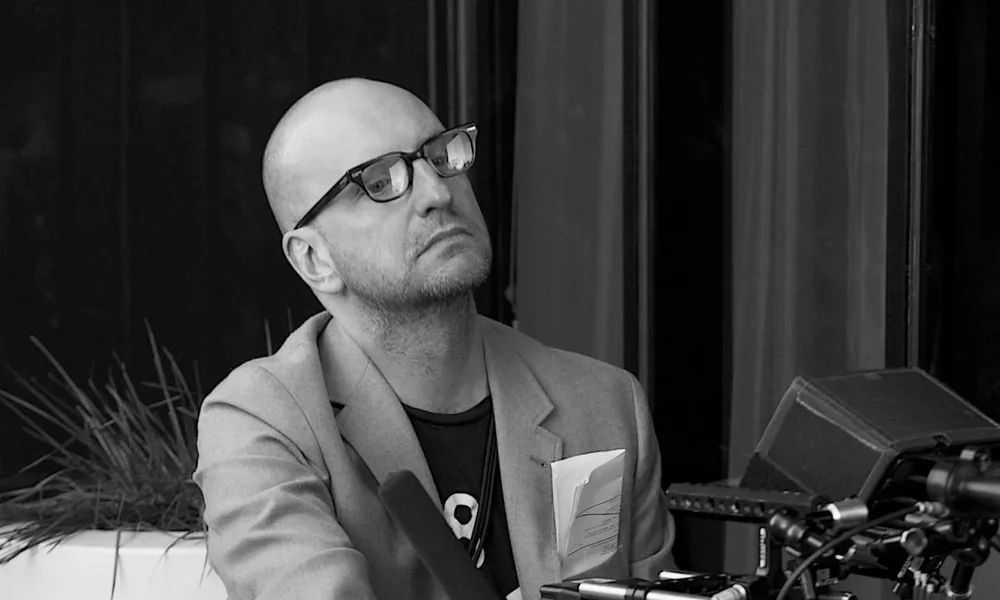
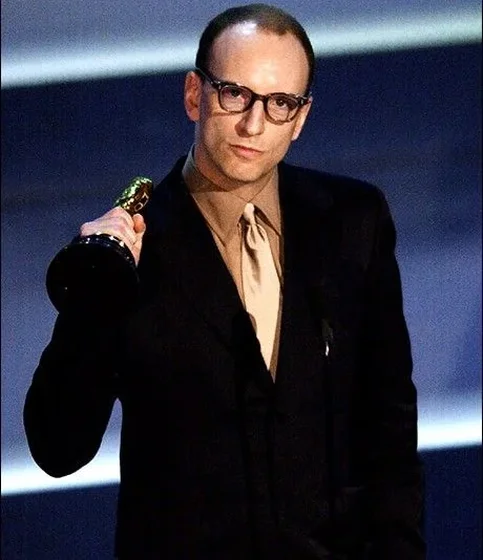
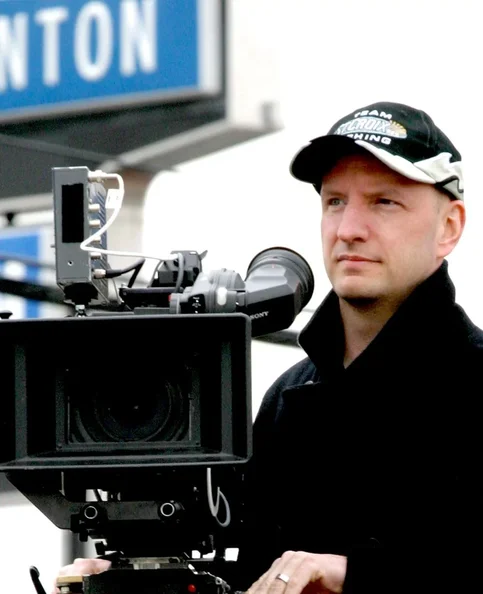
Steven Soderbergh, a name synonymous with innovation and versatility in the world of cinema, has carved a unique niche for himself over the past few decades. Born on January 14, 1963, in Atlanta, Georgia, Soderbergh has directed a wide array of films that span various genres and styles, from small-budget independent films to big-budget Hollywood productions. Known for his experimental approach and willingness to take risks, Soderbergh has won numerous awards, including the Palme d’Or at the Cannes Film Festival and an Academy Award for Best Director for “Traffic.” His work is characterized by a blend of artistic ambition and commercial success, making him one of the most respected and influential filmmakers of his generation.
PERSONAL INFORMATION
| Name | Steven Soderbergh |
|---|---|
| Place of Birth | Atlanta |
| Date of Birth | 14 January 1963 |
| Age | 62 Years |
| Zodiac Sign | Capricorn |
| Nationality | United States |
| Religion | atheism |
| Residence | New York City |
| Birth Name | Steven Andrew Soderbergh |
| Languages Spoken | English |
| Gender | Male |
| Native Name | Steven Soderbergh |
| Native Language | English |
FAMILY
| Spouse | Betsy Brantley, Jules Asner |
|---|
EDUCATION
| Educated At | Louisiana State University Laboratory School |
|---|
CAREER
| Profession | film director, cinematographer, film producer, screenwriter, film editor, television director, television producer, actor, camera operator, executive producer, showrunner, director |
|---|---|
| Awards Received | Directors Guild of America Award for Outstanding Directing – Television Film, Palme d’Or, Independent Spirit Award for Best Director, National Society of Film Critics Award for Best Director, National Society of Film Critics Award for Best Director, Los Angeles Film Critics Association Award for Best Director, Critics’ Choice Movie Award for Best Director, National Board of Review Award for Best Director, New York Film Critics Circle Award for Best Director, New York Film Critics Circle Award for Best Director, National Board of Review Award for Best Director, New York Film Critics Circle Award for Best Film, National Society of Film Critics Award for Best Director, Academy Award for Best Director, Toronto Film Critics Association Award for Best Director, Satellite Award for Best Director, Primetime Emmy Award for Outstanding Directing for a Limited Series, Movie, or Dramatic Special, Dallas-Fort Worth Film Critics Association Award for Best Director |
| Nominations | Academy Award for Best Writing, Original Screenplay, Golden Globe Award for Best Screenplay, Independent Spirit Award for Best Director, BAFTA Award for Best Original Screenplay, National Society of Film Critics Award for Best Screenplay, Writers Guild of America Award for Best Original Screenplay, César Award for Best Foreign Film, National Society of Film Critics Award for Best Director, Critics’ Choice Movie Award for Best Director, National Society of Film Critics Award for Best Director, Independent Spirit Award for Best Director, Academy Award for Best Director, Academy Award for Best Director, Directors Guild of America Award for Outstanding Directing – Feature Film, Directors Guild of America Award for Outstanding Directing – Feature Film, Golden Globe Award for Best Director, Golden Globe Award for Best Director, National Society of Film Critics Award for Best Cinematography, Satellite Award for Best Cinematography, Satellite Award for Best Director, Satellite Award for Best Director, BAFTA Award for Best Direction, César Award for Best Foreign Film, César Award for Best Foreign Film, Independent Spirit Award for Best Director, Primetime Emmy Award for Outstanding Directing for a Limited Series, Movie, or Dramatic Special, Primetime Emmy Award for Outstanding Cinematography for a Miniseries or Movie, European Film Award for Best Non-European Film |
| Work Period Start | 1981 |
| Member Of | Writers Guild of America West, Directors Guild of America |
| Notable Works | K Street |
SOCIAL MEDIA & LINKS
| IMDB ID | nm0001752 |
|---|---|
| @Bitchuation | |
| Official Website | https://extension765.com/ |
| Wikipedia | Wikipedia |
Cost of becoming
Becoming a filmmaker of Steven Soderbergh’s caliber required a unique combination of talent, perseverance, and a willingness to challenge the status quo. Growing up in a creative environment, Soderbergh was exposed to the arts from a young age, which fueled his passion for filmmaking. He began making short films while still in high school, using whatever resources were available to him. This early experimentation and hands-on experience laid the foundation for his future success. Despite the financial and logistical challenges of breaking into the film industry, Soderbergh’s dedication and innovative spirit enabled him to create groundbreaking works that set him apart from his contemporaries.
Identity before fame
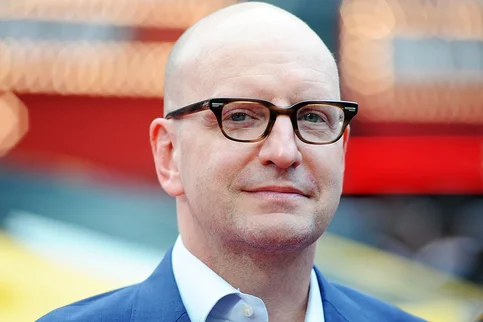
Before achieving widespread recognition, Steven Soderbergh was an aspiring filmmaker dedicated to his craft. His formative years were spent honing his skills and exploring different filmmaking techniques. He moved to Los Angeles in the early 1980s, where he worked various jobs while continuing to make short films and commercials. Soderbergh’s early work often reflected his fascination with the filmmaking process itself, showcasing his ability to tell compelling stories with limited resources. This period of his life was marked by a relentless pursuit of his dreams, even in the face of numerous rejections and setbacks.
Production Houses Associated With Steven Soderbergh
| Production House | Number of Movies |
|---|---|
| Extension 765 | 2 |
| Miramax | 2 |
| Warner Bros. Pictures | 2 |
| .406 Production | 1 |
| Company Films | 1 |
| Singani 63 | 1 |
| KG Productions | 1 |
| New Wave Entertainment | 1 |
| Ten Cent Adventures | 1 |
| Populist Pictures | 1 |
Directors Steven Soderbergh Frequently Works With
| Director | Number of Movies |
|---|---|
| Steven Soderbergh | 7 |
| Chris Rodley | 1 |
| Paul Joyce | 1 |
| Christopher Kenneally | 1 |
| M. David Melvin | 1 |
| Mary Kerr | 1 |
| Dori Berinstein | 1 |
| Mara Campione | 1 |
| Gary Khammar | 1 |
| Eli Cross | 1 |
Movie Genres of Steven Soderbergh
| Genre | Number of Movies |
|---|---|
| Documentary | 24 |
| Comedy | 4 |
| Thriller | 4 |
| Drama | 4 |
| Fantasy | 2 |
| TV Movie | 2 |
| Mystery | 1 |
| Music | 1 |
| Romance | 1 |
| Crime | 1 |
Year-wise Movies of Steven Soderbergh
| Year | Number of Movies |
|---|---|
| 2026 | 1 |
| 2025 | 3 |
| 2019 | 2 |
| 2016 | 1 |
| 2015 | 1 |
| 2014 | 1 |
| 2013 | 1 |
| 2012 | 5 |
| 2011 | 1 |
| 2010 | 1 |
| 2009 | 2 |
| 2004 | 1 |
| 2002 | 3 |
| 2001 | 2 |
| 2000 | 1 |
Timeline
- 1963: Born in Atlanta, Georgia
- 1978: Begins making short films in high school
- 1985: Moves to Los Angeles to pursue a career in film
- 1989: Directs “Sex, Lies, and Videotape,” which wins the Palme d’Or at Cannes
- 1998: Directs “Out of Sight,” starring George Clooney and Jennifer Lopez
- 2000: Wins the Academy Award for Best Director for “Traffic”
- 2002: Directs “Solaris,” a remake of the 1972 Soviet film
- 2006: Directs “The Good German,” a film noir set in post-World War II Germany
- 2012: Directs “Magic Mike,” a film about male strippers
- 2019: Returns to feature film directing with “The Laundromat”
Favourites
- Favorite Film: “The Conversation” (1974) directed by Francis Ford Coppola
- Favorite Actor: George Clooney
- Favorite Director: Stanley Kubrick
- Favorite Cinematographer: Gregg Toland
- Favorite Book: “Gravity’s Rainbow” by Thomas Pynchon
- Favorite Musician: Miles Davis
- Favorite Genre: Thriller
- Favorite Color: Blue
- Favorite Season: Fall
- Favorite Place to Travel: Paris, France
Controversies
- 1992: “King of the Hill” faced criticism for its portrayal of a homeless man and his relationship with a young boy.
- 1996: “The Underneath” was panned by critics and audiences, leading to questions about Soderbergh’s artistic choices.
- 2000: “Erin Brockovich” sparked debates about corporate responsibility and environmental issues.
- 2002: “Solaris” was criticized for deviating significantly from the original 1972 film.
- 2005: “Bubble” was met with mixed reviews due to its experimental narrative structure and minimal dialogue.
- 2006: “The Good German” faced backlash for its World War II setting and perceived lack of historical accuracy.
- 2012: “Magic Mike” was controversial for its explicit portrayal of male strippers and the film’s focus on sexuality.
- 2013: Soderbergh’s decision to retire from directing was met with skepticism and speculation about his future projects.
- 2018: “High Flying Bird” was criticized for its dystopian portrayal of the NBA and its players.
- 2019: “The Laundromat” was controversial for its satirical take on the Panama Papers and its use of Brechtian elements.
Control vs chaos
Steven Soderbergh’s approach to filmmaking is a delicate balance between control and chaos. On one hand, he is known for his meticulous attention to detail and his ability to manage complex production processes. His use of innovative techniques, such as the direct-to-DVD model for “Bubble” and the use of digital cameras in “Che,” demonstrates his control over the creative process. On the other hand, Soderbergh often embraces the unpredictable nature of filmmaking, allowing for spontaneous moments and improvisation. This balance allows him to create films that are both technically precise and emotionally resonant, reflecting his unique vision and artistic sensibility.
Emotional geography
Steven Soderbergh’s films often explore the emotional landscapes of his characters, delving into themes of identity, relationships, and personal transformation. His ability to convey complex emotions through visual storytelling and nuanced performances is a hallmark of his work. Whether it’s the intense psychological drama of “King of the Hill” or the moral ambiguity of “Traffic,” Soderbergh’s films often leave a lasting emotional impact on viewers. This emotional geography is a testament to his deep understanding of human nature and his ability to connect with audiences on a profound level.
FAQs
-
What is Steven Soderbergh’s most famous film?
Steven Soderbergh’s most famous film is “Traffic” (2000), which won him the Academy Award for Best Director. The film is a powerful exploration of the drug trade and its impact on society, featuring an ensemble cast and a complex, interweaving narrative structure.
-
What was Steven Soderbergh’s first major film?
Steven Soderbergh’s first major film was “Sex, Lies, and Videotape” (1989). This independent film catapulted him to international fame and won the Palme d’Or at the Cannes Film Festival. The film is known for its raw and intimate portrayal of human relationships and sexuality.
-
Which actors has Steven Soderbergh worked with most frequently?
Steven Soderbergh has worked with several actors multiple times, including George Clooney, Matt Damon, and Julia Roberts. Clooney, in particular, has starred in several of Soderbergh’s films, such as “Out of Sight,” “Ocean’s Eleven,” and “The Good German.”
-
What is Steven Soderbergh’s directorial style?
Steven Soderbergh’s directorial style is characterized by his versatility and innovation. He is known for his ability to seamlessly transition between different genres and styles, from intimate character studies to large-scale productions. Soderbergh often employs unconventional techniques, such as handheld cameras and natural lighting, to create a sense of immediacy and realism.
-
What is the significance of “Traffic” in Steven Soderbergh’s career?
“Traffic” is a significant film in Steven Soderbergh’s career because it won him the Academy Award for Best Director and solidified his status as a premier filmmaker. The film’s exploration of the drug trade and its multifaceted narrative structure showcased Soderbergh’s ability to tackle complex, socially relevant issues with nuance and depth.
-
How has Steven Soderbergh’s career influenced the film industry?
Steven Soderbergh’s career has influenced the film industry in several ways. His success with “Sex, Lies, and Videotape” helped to revitalize the independent film movement in the 1990s. Additionally, his innovative approaches to filmmaking, such as the use of digital cameras and the direct-to-DVD model, have inspired a new generation of filmmakers to experiment with new technologies and distribution methods.
-
What was Steven Soderbergh’s involvement in the “Ocean’s” franchise?
Steven Soderbergh directed the first two films in the “Ocean’s” franchise, “Ocean’s Eleven” (2001) and “Ocean’s Twelve” (2004). These films, starring George Clooney, Brad Pitt, and Matt Damon, were critical and commercial successes, revitalizing the heist film genre and cementing Soderbergh’s reputation as a versatile director.
-
What are some of Steven Soderbergh’s lesser-known films?
Some of Steven Soderbergh’s lesser-known films include “King of the Hill” (1999), “Bubble” (2005), and “The Girlfriend Experience” (2016). These films, while not as widely recognized as some of his bigger productions, showcase Soderbergh’s willingness to take creative risks and explore unconventional storytelling techniques.
-
How did Steven Soderbergh’s retirement in 2013 impact his career?
Steven Soderbergh’s announcement of his retirement from directing in 2013 generated significant media attention and speculation about his future projects. However, he quickly returned to filmmaking with projects like “Logan Lucky” (2017) and “The Laundromat” (2019), demonstrating his continued passion for storytelling and his ability to adapt to new challenges.
-
What is Steven Soderbergh’s approach to film editing?
Steven Soderbergh is known for his hands-on approach to film editing. He often edits his own films under the pseudonym “Mary Ann Bernard,” which allows him to maintain creative control throughout the post-production process. Soderbergh’s editing style is characterized by its fluidity and rhythm, often using cuts and transitions to enhance the emotional impact of a scene.
-
How does Steven Soderbergh balance his work in feature films with his other projects?
Steven Soderbergh is known for his ability to balance his work in feature films with other projects, including television series and virtual reality experiences. He has directed episodes of shows like “The Knick” and has explored new media formats, such as his virtual reality project “And$aDay.” This versatility allows him to stay creatively engaged and to explore different aspects of storytelling.
-
What is Steven Soderbergh’s stance on the changing landscape of the film industry?
Steven Soderbergh has been vocal about the changing landscape of the film industry, particularly the impact of streaming services and the decline of theatrical releases. He has advocated for a hybrid model that combines traditional theatrical releases with digital distribution, recognizing the importance of both formats in reaching audiences.
-
What is Steven Soderbergh’s approach to working with actors?
Steven Soderbergh is known for his collaborative approach to working with actors. He often provides his actors with a great deal of freedom to explore their characters and make creative choices. This approach allows actors to bring their own interpretations to the material, resulting in more authentic and nuanced performances.
-
What is Steven Soderbergh’s take on the role of the director in the modern film industry?
Steven Soderbergh believes that the role of the director in the modern film industry is to be a creative leader and a problem solver. He emphasizes the importance of maintaining creative control while adapting to the changing dynamics of the industry. Soderbergh’s approach is characterized by a willingness to experiment and a commitment to pushing the boundaries of storytelling.