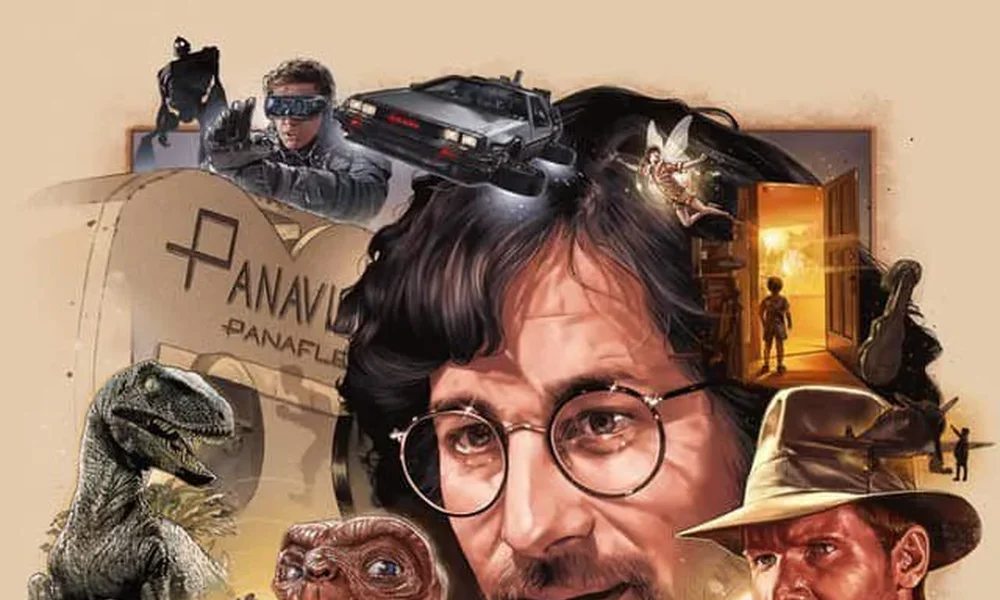
Steven Spielberg, born on December 18, 1946, in Cincinnati, Ohio, is one of the most influential filmmakers in the history of cinema. Known for his groundbreaking films such as “Jaws,” “E.T. the Extra-Terrestrial,” “Jurassic Park,” and “Schindler’s List,” Spielberg has redefined the landscape of modern filmmaking. His ability to blend emotional depth with technical brilliance has earned him numerous accolades, including multiple Academy Awards, and he continues to be a driving force in the industry. Spielberg’s career is a testament to his unwavering dedication and innovative spirit, making him a cultural icon and a legendary figure in the world of entertainment.
PERSONAL INFORMATION
| Name | Steven Spielberg |
|---|---|
| Nationality | United States |
| Place of Birth | Cincinnati |
| Date of Birth | 18 December 1946 |
| Age | 79 Years |
| Zodiac Sign | Sagittarius |
| Ethnicity | American Jews |
| Native Name | Steven Allan Spielberg |
| Signature |  |
| Languages Spoken | English |
| Gender | Male |
| Religion | Judaism |
| Native Language | English |
PHYSICAL STATISTICS
| Height (in centimeters) | 170 cm |
|---|---|
| Height (in meters) | 1.70 m |
| Height (in feet inches) | 5′ 6″ |
FAMILY
| Children | Sasha Spielberg, Jessica Capshaw, Max Spielberg, Sawyer Spielberg, Theo Spielberg, Destry Spielberg |
|---|---|
| Spouse | Amy Irving, Kate Capshaw |
| Siblings | Anne Spielberg |
| Father | Arnold Spielberg |
EDUCATION
| Educated At | California State University, Long Beach, Saratoga High School, Arcadia High School |
|---|
CAREER
| Profession | film director, film producer, actor, art collector, businessperson, science fiction writer, film actor, executive producer, film editor, television producer, director, producer, writer, entrepreneur, film screenwriter |
|---|---|
| Awards Received | Knight of the Legion of Honour, Honorary Knight Commander of the Order of the British Empire, Commander of the Order of the Crown, Knight Commander’s Cross of the Order of Merit of the Federal Republic of Germany, Daytime Emmy Award, Directors Guild of America Award, National Humanities Medal, Philadelphia Liberty Medal, Academy Award for Best Director, Academy Award for Best Director, Academy Award for Best Picture, New York Film Critics Circle Award for Best Animated Film, BAFTA Award for Best Film, Kennedy Center Honors, New York Film Critics Circle Award for Best Film, National Society of Film Critics Award for Best Director, National Society of Film Critics Award for Best Director, Saturn Award for Best Director, Golden Globe Award for Best Director, Boston Society of Film Critics Award for Best Director, Saturn Award for Best Director, Critics’ Choice Movie Award for Best Director, Hugo Award for Best Dramatic Presentation, London Film Critics Circle Award for Director of the Year, London Film Critics Circle Award for Film of the Year, Saturn Award for Best Director, New York Film Critics Circle Award for Best Film, Daytime Emmy Award for Outstanding Children’s Animated Program, London Film Critics Circle Award for Film of the Year, Library of Congress Living Legend, Inkpot Award, Officer of the Legion of Honour, Presidential Medal of Freedom, AFI Life Achievement Award, United Nations Peace Medal, Irving G. Thalberg Memorial Award, Golden Globe Award for Best Director, Best Screenplay Award, César Award, Honorary César, Saturn Award for Best Director, Order of the Smile, Knight Grand Cross of the Order of Merit of the Italian Republic, Science Fiction and Fantasy Hall of Fame, honorary doctor of Harvard University, National Board of Review Award for Best Film, BAFTA Award for Best Direction, Eagle Scout, Distinguished Eagle Scout Award, star on Hollywood Walk of Fame, honorary doctor of the Jagiellonian University of Krakow, Golden Globe Award for Best Director, Dallas-Fort Worth Film Critics Association Award for Best Director, Dallas-Fort Worth Film Critics Association Award for Best Director, Jupiter Awards, David di Donatello for Best International Film, David di Donatello for best foreign production, David di Donatello for Best Foreign Director, David di Donatello Award for Lifetime Achievement |
| Work Period Start | 1969 |
| Member Of | Writers Guild of America West, Directors Guild of America |
| Field of Work | film, film direction, film production, film screenwriting, screenwriting |
| Nominations | Academy Award for Best Director, Academy Award for Best Director, Academy Award for Best Director, Academy Award for Best Director, Academy Award for Best Director, Academy Award for Best Director, Academy Award for Best Director, Academy Award for Best Picture, Academy Award for Best Director, Golden Globe Award for Best Screenplay, Academy Award for Best Director, Academy Award for Best Writing, Original Screenplay, Academy Award for Best Picture, Academy Award for Best Picture, Academy Award for Best Picture, Academy Award for Best Picture, Academy Award for Best Picture, Academy Award for Best Picture, Academy Award for Best Picture, Academy Award for Best Picture, Academy Award for Best Picture, Academy Award for Best Picture, Academy Award for Best Picture, Academy Award for Best Picture |
| Genre | thriller film, drama film, science fiction film, horror film, action film, adventure film, psychological horror film, war film, crime film, psychological thriller film, fantasy film, comedy film, natural horror film, science fiction horror film, mystery film |
FINANCIAL
| Net Worth | 7100000000 |
|---|
SOCIAL MEDIA & LINKS
| IMDB ID | nm0000229 |
|---|---|
| Official Website | http://www.spielbergfilms.com/, https://amblin.com/steven-spielberg/ |
| Wikipedia | Wikipedia |
Cost of Becoming
The journey to becoming a renowned filmmaker like Steven Spielberg was not without its challenges. Starting from a young age, Spielberg faced numerous obstacles, including family instability and personal insecurities. Despite these hurdles, his passion for storytelling and filmmaking remained unwavering. He invested countless hours into honing his craft, often sacrificing personal time and financial stability. The cost of becoming a legend in the film industry involved relentless dedication, continuous learning, and a willingness to take risks. Spielberg’s early struggles, including his difficulty in getting accepted into film school, only fueled his determination to succeed.
Identity Before Fame
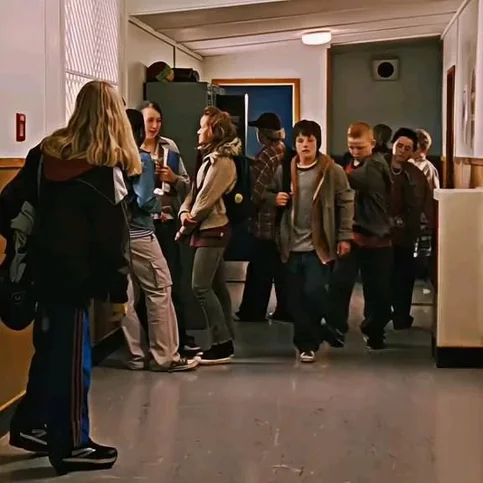
Before achieving global fame, Steven Spielberg was a young boy with a deep love for cinema. Growing up in a Jewish family, he often felt like an outsider, which influenced his perspective and storytelling style. His interest in filmmaking began at a young age when he started making short films using his family’s 8mm camera. These early experiences laid the foundation for his future success. Spielberg’s identity was shaped by his curiosity, creativity, and a desire to tell compelling stories that resonated with audiences. His early works, such as “Amblin’,” a 26-minute short film he made at the age of 19, showcased his talent and marked the beginning of his journey to becoming a renowned director.
Production Houses Associated With Steven Spielberg
| Production House | Number of Movies |
|---|---|
| Universal Pictures | 2 |
| Amblin Entertainment | 2 |
| Turner Classic Movies | 2 |
| Lucida Productions | 1 |
| ZAP Zoetrope Aubry Productions | 1 |
| Paramount Home Entertainment | 1 |
| Bangumi | 1 |
| France Télévisions | 1 |
| Jim Henson Productions | 1 |
| Don Mischer Productions | 1 |
Directors Steven Spielberg Frequently Works With
| Director | Number of Movies |
|---|---|
| Laurent Bouzereau | 4 |
| John Landis | 1 |
| Paul Joyce | 1 |
| Paul Goldsmith | 1 |
| Kim Aubry | 1 |
| Basile Roze | 1 |
| Émilie Valentin | 1 |
| Don Mischer | 1 |
| Stuart Ramsay | 1 |
| Richard Mortimer | 1 |
Movie Genres of Steven Spielberg
| Genre | Number of Movies |
|---|---|
| Documentary | 165 |
| TV Movie | 25 |
| Comedy | 10 |
| Science Fiction | 9 |
| Music | 7 |
| History | 7 |
| Adventure | 5 |
| Family | 4 |
| Action | 4 |
| Drama | 3 |
Year-wise Movies of Steven Spielberg
| Year | Number of Movies |
|---|---|
| 2026 | 2 |
| 2025 | 6 |
| 2024 | 3 |
| 2023 | 7 |
| 2022 | 3 |
| 2021 | 4 |
| 2019 | 3 |
| 2018 | 6 |
| 2017 | 6 |
| 2016 | 5 |
| 2015 | 2 |
| 2014 | 6 |
| 2013 | 6 |
| 2012 | 8 |
| 2011 | 5 |
Timeline
- 1946 – Born in Cincinnati, Ohio
- 1958 – Begins making short films using his family’s 8mm camera
- 1963 – Makes his first feature-length film, “The Last Gunfight”
- 1971 – Directs his first television episode for “Night Gallery”
- 1975 – Releases “Jaws,” his breakout film that becomes a blockbuster hit
- 1982 – Directs “E.T. the Extra-Terrestrial,” which becomes one of the highest-grossing films of all time
- 1993 – Releases “Jurassic Park” and “Schindler’s List” in the same year, both critically acclaimed and commercially successful
- 1998 – Directs “Saving Private Ryan,” earning multiple Academy Awards
- 2005 – Releases “War of the Worlds,” a modern sci-fi thriller
- 2017 – Directs “The Post,” a historical drama about the Pentagon Papers

Favourites
- Favorite Film to Direct: “Schindler’s List”
- Favorite Actor to Collaborate With: Tom Hanks
- Favorite Genre to Explore: Sci-fi and Historical Drama
- Favorite Scriptwriter: Tony Kushner
- Favorite Production Designer: Rick Carter
- Favorite Musical Composer: John Williams
- Favorite Cinematographer: Janusz Kamiński
- Favorite Book: “Jurassic Park” by Michael Crichton
- Favorite Time Period to Set a Film: The 1940s and 1950s
- Favorite Film of All Time: “Citizen Kane” by Orson Welles
Controversies
- **”Indiana Jones and the Temple of Doom” (1984):** Criticized for its graphic violence and potentially racist portrayals of Indian culture.
- **”Amistad” (1997):** Some critics argued that the film downplayed the role of African leaders in the rebellion and focused too heavily on white abolitionists.
- **”Munich” (2005):** The film was accused of being sympathetic to the Palestinian terrorists and insensitive to the families of the victims of the 1972 Munich Olympic massacre.
- **”The Color Purple” (1985):** Controversy over the portrayal of African American men and the graphic depiction of domestic violence.
- **”Empire of the Sun” (1987):** Criticism for the casting of a white actor, Christian Bale, in a role that some felt should have gone to an Asian actor.
- **”War of the Worlds” (2005):** Some viewers found the film’s depiction of a global alien invasion to be too intense and frightening for children.
- **”The Terminal” (2004):** Criticized for its romanticized portrayal of immigration issues and the difficulty of navigating bureaucratic red tape.
- **”Bridge of Spies” (2015):** Some critics argued that the film glorified the Cold War and overlooked the complexities of espionage and international relations.
- **”The Post” (2017):** Controversy over the film’s portrayal of the relationship between the press and the government, particularly during the Nixon era.
- **”Ready Player One” (2018):** Criticism for its heavy reliance on 1980s pop culture references and the perceived lack of originality in its storytelling.
Control vs Chaos
Steven Spielberg’s approach to filmmaking is a delicate balance between control and chaos. On one hand, he is known for his meticulous planning and attention to detail, often storyboarding every shot and planning each scene with precision. This level of control ensures that his films are visually stunning and technically flawless. On the other hand, Spielberg also embraces the chaos that can arise during the filmmaking process. He allows for improvisation and serendipity, often encouraging his actors to explore their characters and bring their own ideas to the table. This balance between control and chaos is what makes his films both technically impressive and emotionally resonant. It is a testament to his ability to blend the technical aspects of filmmaking with the human element of storytelling.
Emotional Geography
Steven Spielberg’s films are known for their deep emotional resonance, often exploring themes of family, friendship, and the human spirit. His childhood experiences, including the feeling of being an outsider, have greatly influenced his work. Many of his films, such as “E.T. the Extra-Terrestrial” and “The Goonies,” capture the innocence and wonder of childhood, while others, like “Schindler’s List” and “Saving Private Ryan,” delve into the darker aspects of human history and the resilience of the human spirit. Spielberg’s emotional geography is vast and varied, ranging from the whimsical and fantastical to the profoundly moving and thought-provoking. His ability to tap into universal emotions and create films that resonate with audiences of all ages is a hallmark of his genius.
Steven Spielberg’s remarkable career is a testament to his artistic vision, technical expertise, and unwavering dedication to the art of filmmaking. From his early days making short films to his current status as a legendary director, Spielberg has left an indelible mark on the world of cinema. His ability to blend emotional depth with technical brilliance continues to inspire and captivate audiences worldwide, ensuring his legacy as one of the greatest filmmakers of all time.
FAQs
-
What is Steven Spielberg’s most famous film?
Steven Spielberg’s most famous film is “E.T. the Extra-Terrestrial,” released in 1982. It became one of the highest-grossing films of all time and is widely regarded as a modern classic.
-
How did Steven Spielberg get his start in the film industry?
Spielberg’s start in the film industry began when he made short films as a child using his family’s 8mm camera. He later directed television episodes and his first feature film, “The Sugarland Express,” which caught the attention of Hollywood executives.
-
What are some of Steven Spielberg’s most acclaimed films?
Some of Steven Spielberg’s most acclaimed films include “Jaws,” “E.T. the Extra-Terrestrial,” “Schindler’s List,” “Saving Private Ryan,” and “The Post.” These films have won numerous awards and are considered classics of cinema.
-
Has Steven Spielberg won any Academy Awards?
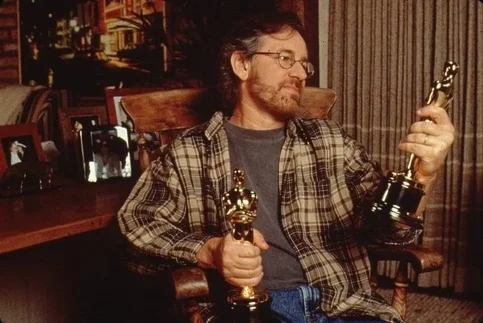
Yes, Steven Spielberg has won several Academy Awards. He won Best Director for “Schindler’s List” in 1993 and “Saving Private Ryan” in 1998. He has also received numerous other nominations throughout his career.
-
What is the significance of “Schindler’s List” in Spielberg’s career?
“Schindler’s List” (1993) is significant in Spielberg’s career because it marked a shift towards more serious and historical subjects. The film won seven Academy Awards, including Best Picture and Best Director, and is widely regarded as one of the greatest films ever made.
-
How did Steven Spielberg’s childhood influence his films?
Spielberg’s childhood experiences, including feeling like an outsider and his love for storytelling, have greatly influenced his films. Many of his films explore themes of family, friendship, and the sense of belonging, reflecting his personal experiences.
-
What is Steven Spielberg’s approach to filmmaking?
Spielberg’s approach to filmmaking is characterized by meticulous planning and attention to detail, coupled with a willingness to embrace improvisation and serendipity. He is known for his ability to blend technical precision with emotional depth.
-
How has Steven Spielberg contributed to the advancement of film technology?
Spielberg has been a pioneer in the use of advanced film technology. Films like “Jurassic Park” and “Jaws” revolutionized the use of special effects, and his work with digital technology has influenced the industry’s transition to digital filmmaking.
-
What is Steven Spielberg’s most controversial film?
One of Steven Spielberg’s most controversial films is “Indiana Jones and the Temple of Doom” (1984). The film was criticized for its graphic violence and potentially racist portrayals of Indian culture.
-
How has Steven Spielberg influenced the film industry?
Spielberg’s influence on the film industry is immense. He has redefined genres, pushed the boundaries of special effects, and created some of the most beloved and commercially successful films in history. His work has inspired generations of filmmakers and continues to shape the industry today.
-
What is Steven Spielberg’s most personal film?
Steven Spielberg’s most personal film is often considered to be “saving Private Ryan” (1998). The film’s depiction of World War II and its emotional impact on soldiers reflects his own family’s history and his deep interest in historical events.
-
What are some of Steven Spielberg’s upcoming projects?
s of the latest information, Steven Spielberg has several projects in development, including a new film about the Holocaust and a remake of “West Side Story.” His commitment to storytelling and cinematic innovation continues to drive his creative endeavors.
-
How does Steven Spielberg balance his personal life with his professional career?
Spielberg is known for his dedication to his craft, but he also places a high value on his family and personal relationships. He has been married to Kate Capshaw since 1991 and is a father to several children. Balancing his personal and professional life is a priority for him, and he often draws on his personal experiences to inform his work.
-
What is Steven Spielberg’s approach to casting?
Spielberg is known for his talent in casting, often choosing actors who can bring depth and authenticity to their roles. He collaborates closely with his casting directors and is known for his ability to bring out the best in his actors. His frequent collaborations with actors like Tom Hanks and Liam Neeson have resulted in some of the most memorable performances in cinema.
-
What is Steven Spielberg’s legacy in the film industry?
Steven Spielberg’s legacy in the film industry is one of innovation, storytelling, and cultural impact. He has reinvented genres, pushed the boundaries of technology, and created films that have touched the hearts and minds of audiences worldwide. His influence extends beyond the screen, inspiring generations of filmmakers and shaping the way we experience cinema.