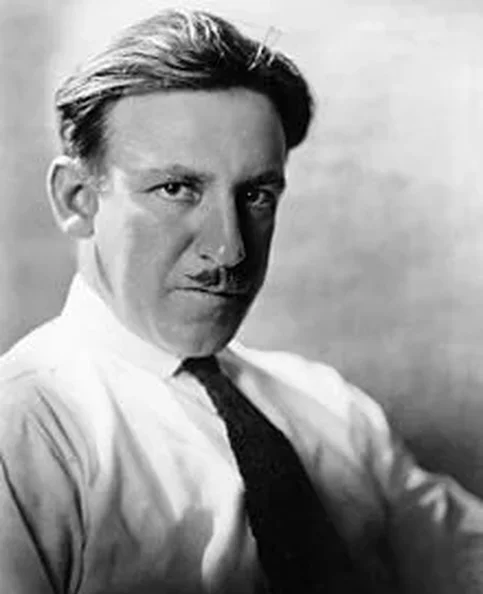
Tod Browning, born Charles Albert Browning Jr., was an American film director and screenwriter renowned for his innovative and often macabre work in the horror and thriller genres. Best known for directing the classic film “Dracula” (1931) and the cult classic “Freaks” (1932), Browning’s career is marked by a unique blend of artistic vision and cinematic innovation. His films often explored the darker aspects of human nature, delving into themes of obsession, deformity, and the human condition. Browning’s life was as fascinating as his work, filled with personal triumphs and controversies that have cemented his place in the annals of film history.
PERSONAL INFORMATION
| Name | Tod Browning |
|---|---|
| Gender | Male |
| Place of Birth | Louisville |
| Place of Death | Santa Monica |
| Nationality | United States |
| Date of Birth | 12 July 1880 |
| Age at Death | 82 Years |
| Zodiac Sign | Cancer |
| Date of Death | 06 October 1962 |
| Languages Spoken | English |
| Native Name | Tod Browning |
| Birth Name | Charles Albert Browning |
| Native Language | English |
FAMILY
| Spouse | Alice Wilson |
|---|
CAREER
| Profession | actor, film director, screenwriter, film actor, film producer, stage actor, theatrical director, circus performer, film screenwriter, director |
|---|---|
| Field of Work | film |
| Work Period Start | 1896 |
| Notable Works | London After Midnight |
| Awards Received | star on Hollywood Walk of Fame |
Cost of becoming
The path to becoming a renowned film director was not easy for Tod Browning. Born into a family of modest means, Browning’s early life was marked by financial struggles and the need to support himself from a young age. His early experiences as an actor and vaudeville performer honed his craft and instilled in him a deep understanding of the power of visual storytelling. The cost of becoming a film director for Browning was not just financial but also emotional, as he faced numerous rejections and setbacks before achieving success. His persistence and dedication to his craft ultimately paid off, leading to a career that would leave an indelible mark on the film industry.

Identity before fame
Before achieving fame as a film director, Tod Browning had a diverse and colorful career. He began his journey in entertainment as a vaudeville performer, traveling across the United States and Europe to perform in circuses and stage shows. This early exposure to the world of performing arts provided him with a unique perspective and a deep appreciation for the dramatic potential of cinema. Browning’s experiences as an actor also helped him develop a keen eye for casting and direction, skills that would serve him well in his later career as a director. His identity before fame was that of a versatile entertainer, constantly seeking new ways to captivate and engage his audience.
Timeline
- 1882: Born in Louisville, Kentucky, as Charles Albert Browning Jr.
- 1896: Began his career as a vaudeville performer, traveling across the United States and Europe.
- 1906: Married Alice Murdock; the marriage ended in divorce in 1915.
- 1913: Made his debut as a film director with the silent film “The Lucky Mule Team.”
- 1916: Directed his first feature-length film, “The Hans Christian Andersen Film.”
- 1927: Directed the silent film “The Unholy Three,” which starred Lon Chaney and gained him recognition in Hollywood.
- 1931: Directed the iconic horror film “Dracula,” starring Bela Lugosi, which became a major commercial success.
- 1932: Directed “Freaks,” a controversial film that explored the lives of circus performers with physical deformities.
- 1939: Directed the film “The Devil-Doll,” a psychological thriller starring Lionel Barrymore.
- 1962: Died in Malibu, California, at the age of 79.
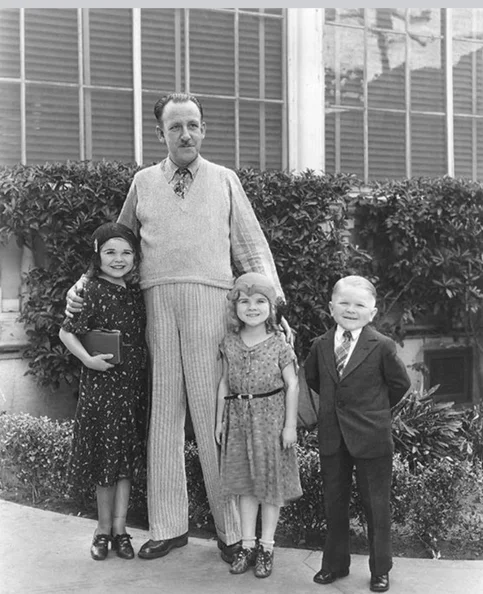
Favourites
- Favorite film genre: Horror and psychological thriller
- Favorite actor: Lon Chaney, with whom he collaborated on several films
- Favorite directorial technique: Using innovative camera angles and lighting to create a sense of unease and suspense
- Favorite film: “Freaks,” which he considered his most personal and daring work
- Favorite place: Malibu, California, where he spent his later years
- Favorite book: Works by Edgar Allan Poe, whose writings often inspired his films
- Favorite quote: “Nothing is so utopian as the hideousness of reality.”
- Favorite hobby: Collecting art and antiques
- Favorite film score: The music of Franz Waxman, which he often used in his films
- Favorite film studio: Universal Pictures, where he directed some of his most famous works
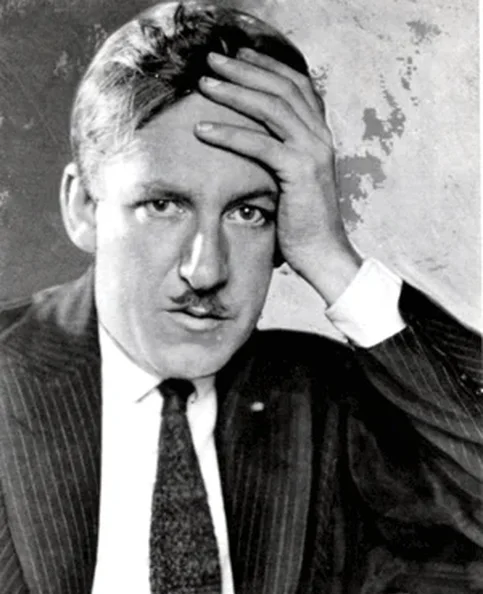
Controversies
- Directing “Freaks” (1932): The film was heavily criticized for its graphic content and portrayal of circus performers with physical deformities, leading to its ban in several countries.
- Use of live animals: Browning was accused of treating animals cruelly during the filming of “The Unholy Three” (1927), particularly in a scene involving a chimpanzee.
- Accusations of exploitation: Some critics accused Browning of exploiting the actors in “Freaks” for shock value, despite his claim that the film was meant to challenge societal norms and prejudices.
- Personal life: Browning’s marriage to Alice Murdock ended in a bitter divorce, with allegations of infidelity and financial mismanagement.
- Contract disputes: He was involved in several legal battles with film studios over creative control and contractual obligations.
- Allegations of racism: Some of his films, particularly “Dracula” (1931), were criticized for perpetuating harmful stereotypes about certain ethnic groups.
- Controversial themes: His films often explored taboo subjects such as incest, madness, and deformity, which were considered shocking and immoral by some audiences.
- Grisly accidents: There were several accidents on the set of his films, including the death of a circus performer during the filming of “Freaks.”
- Alcoholism: Browning struggled with alcoholism throughout his career, which sometimes affected his work and personal relationships.
- Censorship: Many of his films were subject to censorship and re-editing, particularly in conservative markets where they were deemed too shocking or obscene.
Control vs chaos
Tod Browning’s films often explored the delicate balance between control and chaos. His unique ability to capture the unpredictable nature of human behavior and the dark undercurrents of society was a hallmark of his work. Whether it was the meticulous directorial control he exerted over his actors or the chaotic and often unsettling scenarios he created on screen, Browning’s films blurred the lines between order and disorder. This duality is perhaps most evident in “Freaks,” where the structured world of the circus is disrupted by the chaos of human emotions and desires, leading to a powerful and unsettling narrative that continues to captivate audiences today.
Emotional geography
Tod Browning’s films are a map of the human emotional landscape, delving into the depths of fear, desire, and morality. His unique vision allowed him to create worlds that were both familiar and alien, where the boundary between the rational and the irrational was constantly blurred. Browning’s emotional geography is richly textured, filled with moments of profound empathy and disturbing violence. His characters often inhabit a liminal space, caught between the constraints of society and the wildness of their own desires. This emotional complexity is what makes his films so compelling, inviting viewers to explore the darker corners of the human experience.
Tod Browning, born Charles Albert Browning Jr., was an American film director and screenwriter renowned for his work in the horror and thriller genres. He is best known for directing “Dracula” (1931) and “Freaks” (1932).
Some of Tod Browning’s most famous films include “Dracula” (1931), “Freaks” (1932), “The Unholy Three” (1927), and “The Devil-Doll” (1936).
Tod Browning’s early career was in vaudeville and stage performance. He traveled across the United States and Europe, honing his skills as an entertainer before eventually transitioning into film directing.
Tod Browning’s films often explored taboo subjects and challenged societal norms by presenting characters with physical deformities, mental illnesses, and other unconventional traits. “Freaks” (1932) is a prime example, as it sought to humanize and celebrate the lives of circus performers with physical disabilities.
“Freaks” (1932) was heavily criticized for its graphic content and portrayal of circus performers with physical deformities. The film’s shocking and unsettling scenes led to its ban in several countries and a significant controversy.
Tod Browning frequently collaborated with actor Lon Chaney, known as “The Man of a Thousand Faces.” Chaney starred in several of Browning’s films, including “The Unholy Three” (1927) and “London After Midnight” (1927).
Tod Browning often explored themes of deception, madness, and the darker aspects of human nature. His films frequently delved into the lives of outcasts and marginalized individuals, challenging conventional morality and societal norms.
Tod Browning’s personal experiences, including his early career in vaudeville and his struggles with alcoholism, deeply influenced his work. His films often reflected his fascination with the human condition and the blurred lines between reality and illusion.
Tod Browning’s directorial style was characterized by a dark and macabre aesthetic, innovative camera angles, and a deep understanding of the power of visual storytelling. He often used lighting and camera techniques to create a sense of unease and suspense.
“Dracula” (1931) is a cornerstone of horror cinema and helped establish the genre in Hollywood. The film’s iconic portrayal of Count Dracula by Bela Lugosi has become a cultural icon, and the film’s influence can be seen in countless subsequent horror movies and adaptations.
Tod Browning’s films, particularly “Dracula” and “Freaks,” had a significant impact on the horror genre. They pushed the boundaries of what was acceptable in mainstream cinema and set new standards for storytelling and visual effects.
Tod Browning worked extensively with Universal Pictures during the 1920s and 1930s, directing several of his most famous films for the studio. His collaboration with Universal was marked by both creative synergy and occasional conflicts over creative control.
Some of Tod Browning’s lesser-known films include “The Thirteenth Chair” (1929), “We Who Are Young” (1929), and “The Body Snatcher” (1945). These films, while not as widely recognized as “Dracula” or “Freaks,” showcase Browning’s versatility and artistic range.
Tod Browning’s films were often reflective of the cultural and social issues of the time. For example, “Freaks” challenged prevailing attitudes towards disability and difference, while “Dracula” tapped into the public’s fascination with the macabre and the supernatural.
Tod Browning’s work has been celebrated and recognized posthumously through film retrospectives, academic study, and critical re-evaluation. His films continue to be studied and appreciated for their artistic and cultural significance, and he is remembered as a pioneering figure in the horror and thriller genres.
Tod Browning’s legacy is a testament to his artistic vision and the enduring impact of his films. His ability to blend the macabre with the poignant, and to challenge societal norms with his unique storytelling, continues to inspire filmmakers and captivate audiences over a century later.