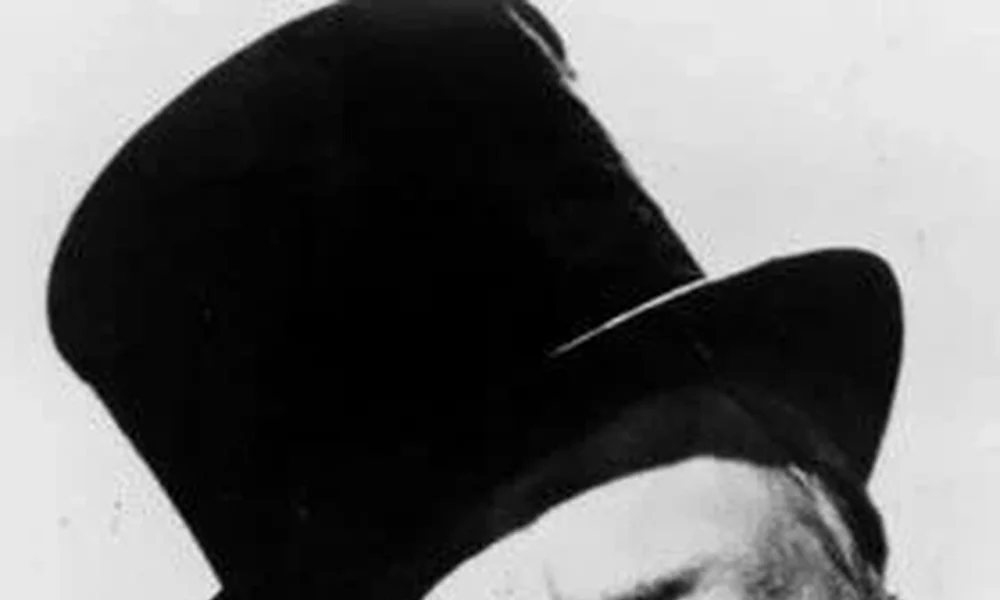
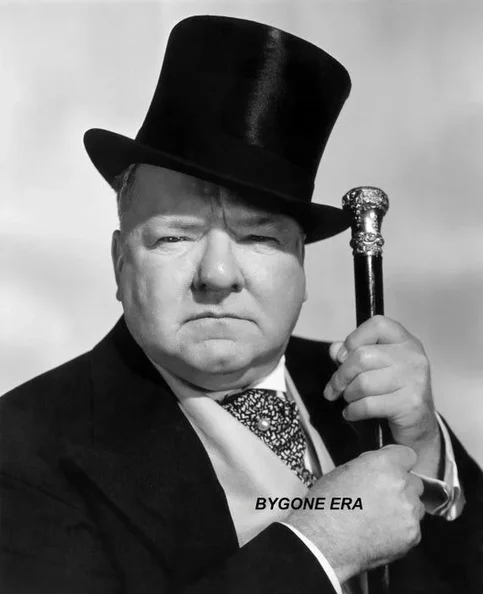
W. C. Fields, born William Claude Dunkenfield on January 29, 1880, in Pennsylvania, is a towering figure in the history of American comedy. Known for his distinctive personality, unparalleled wit, and acerbic humor, Fields left an indelible mark on the entertainment industry. His career spanned vaudeville, stage, films, and radio, making him one of the most recognizable and beloved comedic actors of his time. Despite his gruff exterior, Fields had a deep sense of character and a unique way of connecting with audiences. His life, filled with both triumphs and controversies, continues to inspire and entertain people around the world.
PERSONAL INFORMATION
| Name | W. C. Fields |
|---|---|
| Place of Birth | Darby |
| Place of Death | Pasadena |
| Nationality | United States |
| Date of Birth | 29 January 1880 |
| Age at Death | 66 Years |
| Zodiac Sign | Aquarius |
| Date of Death | 25 December 1946 |
| Religion | atheism |
| Native Name | W. C. Fields |
| Gender | Male |
| Languages Spoken | English |
| Native Language | English |
FAMILY
| Partner | Carlotta Monti, Bessie Poole |
|---|---|
| Father | James Lydon Duckenfield |
| Mother | Kate Spangler Fenton |
CAREER
| Work Period Start | 1898 |
|---|---|
| Awards Received | star on Hollywood Walk of Fame |
| Work Period End | 1946 |
| Profession | film actor, stage actor, actor, comedian, cabaret performer, screenwriter, circus performer, film director, writer, juggler, director |
SOCIAL MEDIA & LINKS
| IMDB ID | nm0001211 |
|---|---|
| Official Website | https://www.wcfields.com/ |
| Wikipedia | Wikipedia |
Cost of becoming
The path to becoming W. C. Fields was not an easy one. Born into a family with modest means, Fields faced numerous challenges from a young age. His early years were marked by financial struggles and a difficult relationship with his father. Despite these obstacles, Fields developed a passion for performing arts, which he pursued relentlessly. His training in juggling and acrobatics laid the foundation for his later success in vaudeville and film. The cost of becoming W. C. Fields was high, both in terms of personal sacrifice and the dedication required to hone his craft. However, his persistence and talent ultimately paid off, making him a legend in the entertainment industry.
Identity before fame
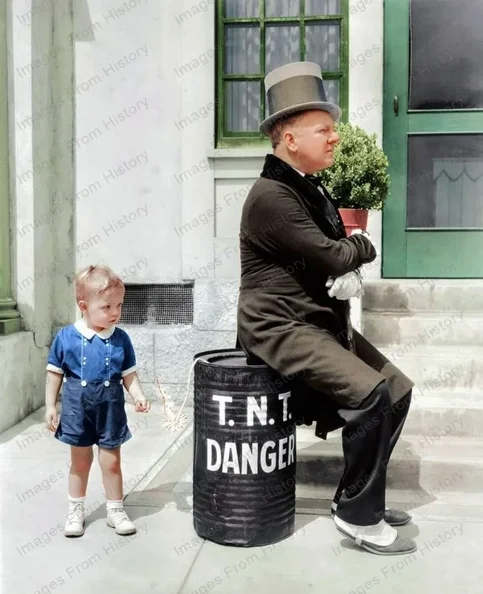
Before he became the renowned comedic actor, W. C. Fields was just William Claude Dunkenfield, a young man from Pennsylvania with a dream. His early life was marked by a series of jobs and performances, including working as a lumberjack and a vaudeville performer. Fields’s journey into comedy began with his juggling act, which he performed in various shows. His unique blend of skill and humor quickly caught the attention of audiences, setting the stage for his future success. Despite his initial anonymity, Fields’s determination and natural talent ensured that he would eventually rise to fame.
Production Houses Associated With W C Fields
| Production House | Number of Movies |
|---|---|
| Paramount Pictures | 12 |
| Universal Pictures | 5 |
| Mack Sennett Comedies | 4 |
| Paramount Famous Lasky Corporation | 2 |
| 20th Century Fox | 1 |
| Simcon International | 1 |
| RKO Radio Pictures | 1 |
| Metro-Goldwyn-Mayer | 1 |
| Gaumont | 1 |
| First National Pictures | 1 |
Directors W C Fields Frequently Works With
| Director | Number of Movies |
|---|---|
| Edward F. Cline | 4 |
| A. Edward Sutherland | 3 |
| Norman Z. McLeod | 3 |
| Clyde Bruckman | 2 |
| Arthur Ripley | 2 |
| Norman Taurog | 2 |
| Louis Lewyn | 1 |
| Joe Dante | 1 |
| Julien Duvivier | 1 |
| George Marshall | 1 |
Movie Genres of W C Fields
| Genre | Number of Movies |
|---|---|
| Comedy | 44 |
| Documentary | 19 |
| Music | 7 |
| Romance | 6 |
| History | 5 |
| Drama | 5 |
| Adventure | 2 |
| War | 2 |
| TV Movie | 2 |
| Family | 1 |
Year-wise Movies of W C Fields
| Year | Number of Movies |
|---|---|
| 2000 | 1 |
| 1999 | 1 |
| 1997 | 2 |
| 1994 | 1 |
| 1990 | 1 |
| 1986 | 1 |
| 1984 | 1 |
| 1983 | 1 |
| 1982 | 1 |
| 1979 | 1 |
| 1976 | 3 |
| 1975 | 1 |
| 1968 | 1 |
| 1964 | 1 |
| 1949 | 1 |
Timeline
- 1880: W. C. Fields is born in Pennsylvania.
- 1898: Begins performing in vaudeville as a juggler.
- 1906: Joins the Ziegfeld Follies.
- 1915: Makes his Broadway debut in the show “The Dolly Sisters.”
- 1919: Signs with Paramount Pictures, marking his entry into film.
- 1921: Appears in his first feature film, “The Bomb.”
- 1926: Stars in the film “The Circus,” which garners critical acclaim.
- 1933: Releases “It’s a Gift,” one of his most successful films.
- 1941: Stars in “My Little Chickadee,” his last major film role.
- 1946: W. C. Fields passes away in Los Angeles, California.
Favourites
- Favorite Film: “It’s a Gift” (1934)
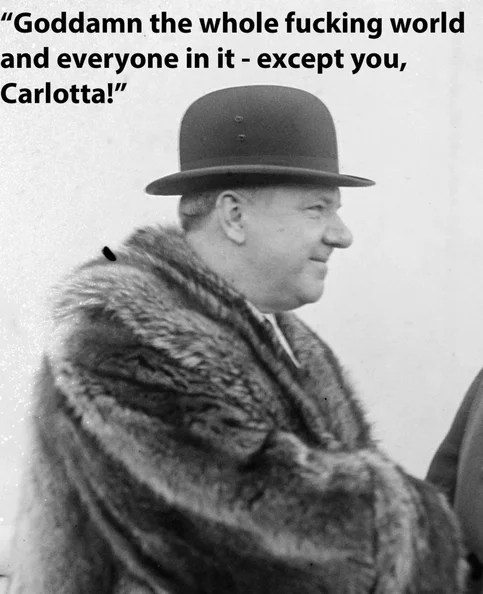
- Favorite Quote: “I never drink on the job, but I make up for it when I get home.”
- Favorite Drink: Scotch
- Favorite Pet: His dog, Duffy
- Favorite Hobby: Juggling
- Favorite Book: “The Importance of Being Earnest” by Oscar Wilde
- Favorite Actor: Charlie Chaplin
- Favorite Director: David Wark Griffith
- Favorite Joke: “I have never met a man I didn’t like, though I have often met men I thought I wouldn’t like if I got to know them.”
- Favorite Place: His home in Los Angeles, California
Controversies
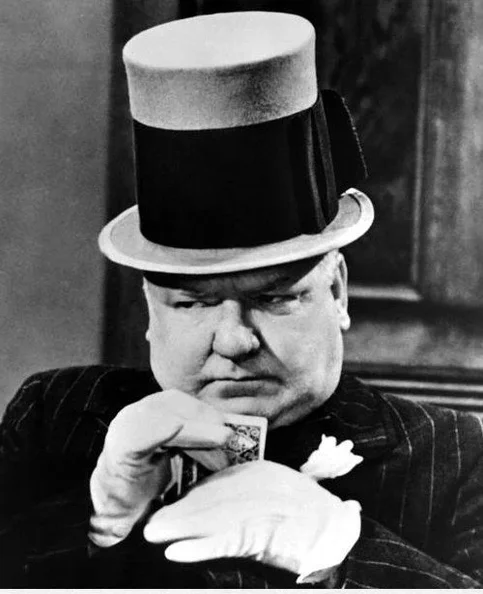
- Alcoholism: Fields was known for his heavy drinking, which often affected his work and personal relationships.
- Anti-Semitism: Some of his jokes and comments were accused of being anti-Semitic, leading to public criticism.
- Marital Issues: His relationship with his wife, Harriet Pell, was often strained due to his infidelity and drinking.
- Workplace Conflicts: Fields had several disagreements with studio executives and co-stars, leading to numerous on-set conflicts.
- Legal Troubles: He faced legal challenges, including a lawsuit over the use of his likeness in advertisements.
- Misogyny: Some of his comedy routines were considered sexist by modern standards.
- Public Outbursts: Fields was known for his temper and often had public outbursts, which sometimes led to negative press.
- Health Issues: His heavy drinking and smoking contributed to his declining health in later years.
- Contract Disputes: He had several disputes with film studios over contract terms and creative control.
- Financial Problems: Despite his success, Fields often faced financial difficulties due to poor financial management.
Control vs Chaos
W. C. Fields’s life was a delicate balance between control and chaos. On one hand, his meticulous planning and attention to detail in his performances showcased his ability to control his craft. He was known for his precise timing and delivery, often rehearsing his lines to perfection. On the other hand, his personal life was often chaotic, marked by his struggles with alcoholism, infidelity, and financial mismanagement. This duality between professional control and personal chaos was a defining aspect of Fields’s life, adding depth to his character and influencing his comedic style.
Emotional Geography
W. C. Fields’s emotional geography was a complex landscape of humor and melancholy, reflecting the duality of his public and private personas. On stage, he was a master of sarcasm and wit, charming audiences with his cynical outlook on life. Off stage, however, he grappled with personal demons, including alcoholism and a strained marriage. His art often mirrored his inner turmoil, with many of his routines and films exploring themes of disillusionment and the human condition. Despite the challenges he faced, Fields’s ability to connect with audiences through his humor and vulnerability left a lasting legacy.
FAQs
-
Who was W. C. Fields?
W. C. Fields, born William Claude Dunkenfield, was a renowned American comedian, actor, juggler, and writer. He was known for his acerbic wit, distinctive appearance, and memorable performances in vaudeville, stage, and film.
-
What were some of W. C. Fields’s most famous films?
Some of W. C. Fields’s most famous films include “It’s a Gift” (1934), “The Bank Dick” (1940), “My Little Chickadee” (1940), and “The Wizard of Oz” (1939) where he appeared as The Cornfield Man.
-
How did W. C. Fields get his start in entertainment?
W. C. Fields began his entertainment career as a juggler in vaudeville. His unique blend of skill and humor quickly gained him attention, leading to his entry into stage and film performances.
-
What was W. C. Fields’s signature style of comedy?
W. C. Fields was known for his cynical and acerbic humor, often playing the role of a grumpy, world-weary man. His comedy was characterized by witty one-liners, deadpan delivery, and a sarcastic demeanor.
-
Did W. C. Fields have any notable personal challenges?
Yes, W. C. Fields faced several personal challenges, including alcoholism, a strained marriage, and financial difficulties. These issues often influenced his work and personal life.
-
How did W. C. Fields’s career evolve over time?
W. C. Fields’s career began in vaudeville and stage, where he honed his skills as a performer. He then transitioned to film, where he achieved widespread fame and critical acclaim. His later years saw him appearing in radio and television, further cementing his legacy.
-
What are some of W. C. Fields’s most famous quotes?
Some of W. C. Fields’s most famous quotes include “I never drink on the job, but I make up for it when I get home” and “On the whole, I have found that kindness unavailing, and severity well applied, very profitable.”
-
How did W. C. Fields’s personal life affect his work?
W. C. Fields’s personal life, particularly his struggles with alcoholism and a difficult marriage, often seeped into his work. His comedy frequently reflected his cynicism and world-weariness, resonating with audiences who appreciated his honest and often dark humor.
-
What was W. C. Fields’s impact on the entertainment industry?
W. C. Fields had a significant impact on the entertainment industry, influencing generations of comedians and filmmakers. His unique style of humor and his contributions to film, stage, and radio have left a lasting legacy.
-
How did W. C. Fields’s early life influence his career?
W. C. Fields’s early life, marked by financial struggles and a difficult relationship with his father, instilled in him a strong work ethic and a determination to succeed. His early experiences in vaudeville and stage performances laid the foundation for his later success in film and radio.
-
What were some of W. C. Fields’s notable accolades?
W. C. Fields received several accolades throughout his career, including nominations for Academy Awards and critical acclaim for his performances in films like “It’s a Gift” and “The Bank Dick.”
-
How is W. C. Fields remembered today?
W. C. Fields is remembered as one of the greatest comedians of the 20th century. His films, quotes, and performances continue to be celebrated, and he is often cited as an influence by contemporary comedians and actors.
-
Did W. C. Fields have any notable collaborations?
Yes, W. C. Fields collaborated with several notable figures in the entertainment industry, including Mae West in “My Little Chickadee” and with directors like Norman Z. McLeod, who directed several of his films.
-
What was W. C. Fields’s legacy?
W. C. Fields’s legacy is one of innovation and enduring influence. His unique brand of comedy, marked by wit and cynicism, has inspired countless comedians and filmmakers. His contributions to the entertainment industry have ensured his place as a legend in the annals of American comedy.
W. C. Fields’s life was a testament to the power of determination and talent. Despite the many challenges he faced, he left an indelible mark on the entertainment industry, influencing generations of comedians and entertainers. His legacy continues to inspire and entertain people around the world, cementing his place as one of the greatest comedic talents of all time.