
Wes Craven, a name synonymous with the horror genre, was a filmmaker whose legacy is etched in the annals of cinematic history. Born on August 2, 1939, in Cleveland, Ohio, Craven’s journey from a religious upbringing to becoming one of the most influential directors in horror is a tale of transformation and creativity. His films, including the iconic “A Nightmare on Elm Street” and “Scream,” have left an indelible mark on popular culture, blending psychological depth with visceral thrills. Craven’s ability to explore the darker aspects of the human psyche through his work has made him a revered figure in the film industry, and his contributions continue to inspire new generations of filmmakers.
PERSONAL INFORMATION
| Name | Wes Craven |
|---|---|
| Gender | Male |
| Nationality | United States |
| Date of Birth | 02 August 1939 |
| Age at Death | 76 Years |
| Zodiac Sign | Leo |
| Place of Birth | Cleveland |
| Date of Death | 30 August 2015 |
| Place of Death | Los Angeles |
| Birth Name | Wesley Earl Craven |
| Languages Spoken | English |
| Signature |  |
| Native Language | English |
| Native Name | Wes Craven |
PHYSICAL STATISTICS
| Height (in centimeters) | 188 cm |
|---|---|
| Height (in meters) | 1.88 m |
| Height (in feet inches) | 6′ 2″ |
FAMILY
| Children | Jonathan Craven |
|---|---|
| Spouse | Mimi Craven, Bonnie Broecker, Iya Labunka |
EDUCATION
| Educated At | Johns Hopkins University, Wheaton College |
|---|
CAREER
| Profession | film screenwriter, film producer, screenwriter, actor, camera operator, television director, television producer, film editor, film actor, director, writer, film director, producer |
|---|---|
| Work Period Start | 1968 |
| Work Period End | 2015 |
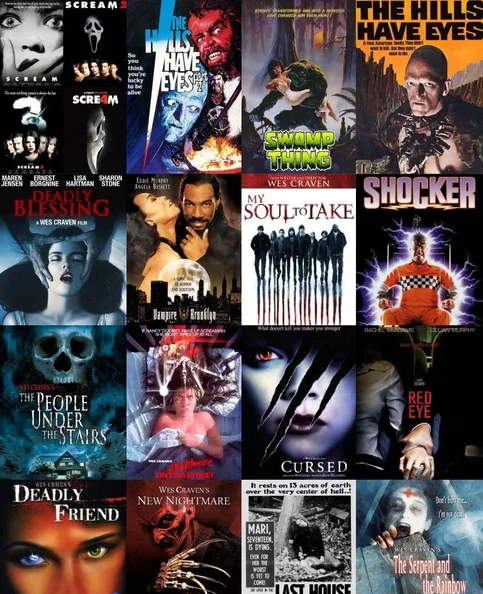
| Notable Works | A Nightmare on Elm Street, Scream, The People Under the Stairs, The Hills Have Eyes, Red Eye, Music of the Heart, Swamp Thing, The Serpent and the Rainbow, Vampire in Brooklyn |
| Field of Work | film direction, film production, film, acting |
| Member Of | Writers Guild of America West |
| Genre | horror film, thriller film, psychological thriller film, psychological horror film, supernatural horror film, comedy horror film, drama film, science fiction film, science fiction horror film, mystery film, fantasy film, slasher film, gothic film, body horror film, comedy film, gothic horror film, action film, suspense film, psychological drama film, crime drama film, crime thriller film, crime film |
SOCIAL MEDIA & LINKS
| IMDB ID | nm0000127 |
|---|---|
| Official Website | https://www.wescraven.com/ |
| @wescraven | |
| Wikipedia | Wikipedia |
Cost of Becoming
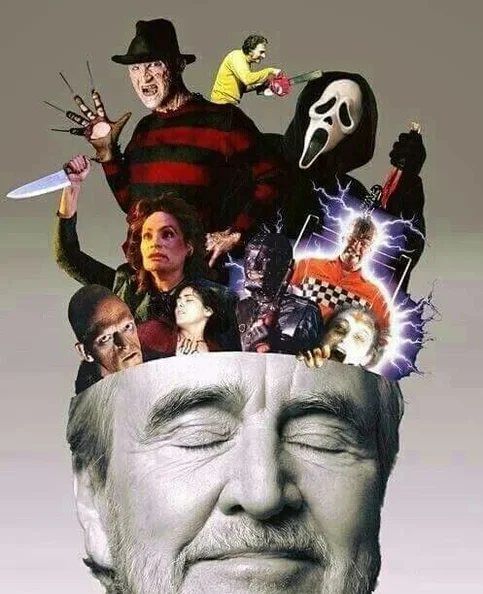
The path to becoming a celebrated filmmaker is often fraught with challenges and sacrifices. Wes Craven’s journey was no different. Born into a conservative Baptist family, Craven’s early life was steeped in religious values. He pursued higher education, earning a degree in English and psychology, and later a master’s in philosophy and writing. His initial career as a teacher and writer provided a foundation for his storytelling skills, but it was his foray into filmmaking that defined his legacy. The cost of becoming a renowned filmmaker included abandoning the safe and predictable path of academia for the uncertain and often tumultuous world of the film industry. Craven’s dedication to his craft and his willingness to take risks ultimately paid off, as he became a pioneering figure in the horror genre.
Identity Before Fame
Before Wes Craven became a household name, he was a man of many talents and interests. His early life was marked by a strong religious influence, which later gave way to a more secular and artistic lifestyle. After completing his education, Craven worked as a teacher and pursued his passion for writing. He taught literature and psychology at various institutions, including Wheaton College and Cleveland State University. His background in education and his deep interest in human behavior laid the groundwork for his future success in filmmaking. Craven’s early films, such as “Last House on the Left” (1972), were controversial and garnered attention for their graphic content, but they also showcased his unique storytelling abilities and his willingness to push boundaries.
Production Houses Associated With Wes Craven
| Production House | Number of Movies |
|---|---|
| Dimension Films | 3 |
| Showtime Networks | 2 |
| Craven-Maddalena Films | 2 |
| View Askew Productions | 1 |
| Miramax | 1 |
| New Line Cinema | 1 |
| A+E Global Media | 1 |
| 1428 Films | 1 |
| 187 Corp. | 1 |
| A.C.E. | 1 |
Directors Wes Craven Frequently Works With
| Director | Number of Movies |
|---|---|
| Wes Craven | 7 |
| Daniel Farrands | 2 |
| Kevin Smith | 1 |
| Ace Norton | 1 |
| Jesse Eisenberg | 1 |
| John Carpenter | 1 |
| Tobe Hooper | 1 |
| Kevin VanHook | 1 |
| Wendy Apple | 1 |
| Jeff McQueen | 1 |
Movie Genres of Wes Craven
| Genre | Number of Movies |
|---|---|
| Documentary | 37 |
| Horror | 23 |
| Comedy | 9 |
| Mystery | 6 |
| Fantasy | 4 |
| TV Movie | 4 |
| Thriller | 4 |
| Science Fiction | 3 |
| History | 3 |
| Drama | 2 |
Year-wise Movies of Wes Craven
| Year | Number of Movies |
|---|---|
| 2020 | 4 |
| 2013 | 3 |
| 2012 | 1 |
| 2011 | 6 |
| 2010 | 1 |
| 2008 | 1 |
| 2007 | 1 |
| 2006 | 6 |
| 2005 | 4 |
| 2004 | 3 |
| 2003 | 2 |
| 2002 | 3 |
| 2001 | 1 |
| 2000 | 5 |
| 1999 | 1 |
Timeline
- 1939: Wes Craven is born in Cleveland, Ohio.
- 1963: Craven graduates from Wheaton College with a degree in English and psychology.
- 1964: He earns a master’s degree in philosophy and writing from Johns Hopkins University.
- 1972: Craven’s directorial debut, “Last House on the Left,” is released and becomes a cult classic.
- 1977: He directs “The Hills Have Eyes,” which further solidifies his reputation as a horror filmmaker.
- 1981: Craven writes and directs “Swamp Thing,” a supernatural horror film based on a DC Comics character.
- 1984: “A Nightmare on Elm Street” is released, introducing the iconic character of Freddy Krueger and establishing Craven as a master of the horror genre.
- 1996: “Scream” is released, revitalizing the slasher genre and introducing a new level of self-awareness to horror films.
- 1997: The sequel “Scream 2” is released, continuing the meta-horror trend set by its predecessor.
- 2015: Wes Craven dies on August 30, in Los Angeles, California, leaving behind a legacy that continues to influence the horror genre.
Favourites
- Favorite Movie**: “The Cabinet of Dr. Caligari” (1920)
- Favorite Book**: “The Bible”
- Favorite Director**: Alfred Hitchcock
- Favorite Actor**: Robert De Niro
- Favorite Actress**: Meryl Streep
- Favorite Genre**: Horror
- Favorite Food**: Italian cuisine
- Favorite Music**: Classic rock
Controversies
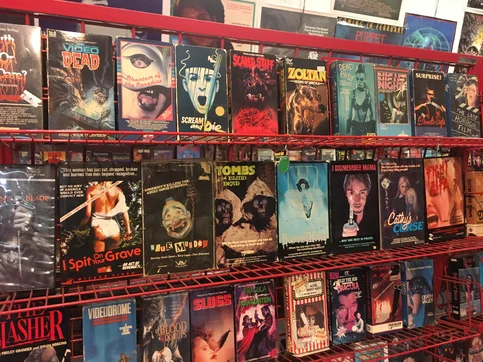
- Graphic Violence in “Last House on the Left”**: The film’s brutal and realistic violence drew significant criticism and controversy upon its release.
- Feminist Critiques of Male Violence**: Craven’s portrayal of male violence against women in films like “The Hills Have Eyes” drew scrutiny from feminist critics.
- Religious Backlash**: Some religious groups criticized Craven’s films for their secular and sometimes pagan themes, especially in “The Serpent and the Rainbow.”
- Accusations of Exploitation**: The graphic nature and exploitative elements in some of his films, such as “A Nightmare on Elm Street,” led to accusations of pandering to lowbrow tastes.
- Legal Issues with “Last House on the Left”**: The film was banned in several countries and faced legal challenges over its violent content.
- Controversy Over “Scream”**: While “Scream” was a commercial success, it also sparked debate over its postmodern approach to horror and its inclusion of in-jokes and meta-commentary.
- Censorship and Ratings Battles**: Craven often faced battles with censors and ratings boards over the graphic content of his films, particularly in international markets.
Control vs Chaos
Wes Craven’s films often explore the tension between control and chaos, a theme that resonates deeply with his personal and artistic journey. In his early life, Craven’s strict religious upbringing provided a sense of order and control, but his transition into filmmaking required him to embrace the chaotic and unpredictable nature of the creative process. This duality is evident in his films, where characters often struggle to maintain control in the face of overwhelming chaos. Whether it’s the relentless terror of Freddy Krueger in “A Nightmare on Elm Street” or the self-referential mayhem of “Scream,” Craven’s work reflects his understanding that true creativity often emerges from the interplay of structure and disorder.
Emotional Geography
Wes Craven’s emotional geography is a complex landscape shaped by his religious upbringing, his academic background, and his experiences in the film industry. His films often delve into the dark recesses of the human psyche, exploring themes of fear, anxiety, and existential dread. Craven’s early life in a conservative Baptist family instilled in him a sense of moral structure and a fascination with the unknown. This duality is reflected in his work, where characters are often torn between their desire for safety and their need to confront the unknown. His films serve as a canvas for exploring the emotional and psychological terrain of his characters, inviting viewers to confront their own fears and insecurities.
FAQs
-
Who is Wes Craven?
Wes Craven was an American filmmaker renowned for his contributions to the horror genre. He is best known for directing films such as “A Nightmare on Elm Street” and “Scream.” Born on August 2, 1939, in Cleveland, Ohio, Craven’s career spanned several decades, and his work continues to influence the film industry.
-
What are some of Wes Craven’s most famous films?
Some of Wes Craven’s most famous films include “A Nightmare on Elm Street” (1984), “Scream” (1996), “The Hills Have Eyes” (1977), and “The Last House on the Left” (1972). These films are known for their innovative storytelling and iconic characters.
-
How did Wes Craven start his career?
Wes Craven began his career as a teacher and writer, earning degrees in English and psychology. He later entered the film industry, starting with low-budget exploitation films. His directorial debut, “Last House on the Left” (1972), was a controversial but successful start to his filmmaking career.
-
What was Wes Craven’s religious background?
Wes Craven was raised in a conservative Baptist family in Cleveland, Ohio. His religious upbringing deeply influenced his early life and work, although he later moved away from strict religious beliefs and embraced a more secular worldview.
-
What inspired Wes Craven to make horror films?
Wes Craven was inspired to make horror films by his interest in human psychology and the exploration of fear and anxiety. His academic background in psychology and his fascination with the darker aspects of human nature played a significant role in shaping his creative vision.
-
What is the significance of “A Nightmare on Elm Street” in Wes Craven’s career?
“A Nightmare on Elm Street” (1984) is a landmark film in Wes Craven’s career. It introduced the iconic character of Freddy Krueger and established Craven as a master of the horror genre. The film’s success led to numerous sequels and cemented Craven’s reputation as a visionary filmmaker.
-
How did “Scream” (1996) revitalize the horror genre?
“Scream” (1996) revitalized the horror genre by introducing a new level of self-awareness and meta-commentary. The film’s clever script and portrayal of self-referential horror tropes breathed new life into the slasher subgenre, making it a commercial and critical success.
-
What controversies did Wes Craven face during his career?
Wes Craven faced various controversies during his career, including criticism for the graphic violence in his films, feminist critiques of male violence, and legal battles over censorship and ratings. His willingness to push boundaries often put him at odds with critics and censors.
-
What was Wes Craven’s approach to storytelling in his films?
Wes Craven’s approach to storytelling often involved blending psychological depth with visceral thrills. He was known for creating complex characters and exploring the human psyche, while also delivering the high-energy suspense and scares that define the horror genre.
-
How did Wes Craven’s films impact popular culture?
Wes Craven’s films have had a significant impact on popular culture, influencing subsequent generations of filmmakers and horror enthusiasts. Characters like Freddy Krueger and the Ghostface killer from “Scream” have become cultural icons, and his films continue to be celebrated and studied.
-
What was Wes Craven’s legacy in the film industry?
Wes Craven’s legacy in the film industry is one of innovation and creativity. He is remembered for his groundbreaking work in the horror genre, his ability to blend psychological depth with visceral thrills, and his influence on the direction of the genre. His films continue to be studied and appreciated by film scholars and fans alike.
-
What was Wes Craven’s final project?
Wes Craven’s final project was the film “The Last House on the Left” (2009), a remake of his own 1972 film. Although the remake received mixed reviews, it marked Craven’s return to the director’s chair after a brief hiatus.
-
How do Wes Craven’s films explore the theme of control vs. chaos?
Wes Craven’s films often explore the tension between control and chaos, reflecting his personal journey from a structured religious upbringing to the unpredictable world of filmmaking. Characters in his films frequently face situations where they must relinquish control to confront their deepest fears, highlighting the theme of the struggle between order and disorder.
-
What is the emotional geography of Wes Craven’s films?
The emotional geography of Wes Craven’s films is shaped by his exploration of human psychology, fear, and anxiety. His characters often navigate complex emotional landscapes, confronting their deepest insecurities and fears. Craven’s work invites viewers to reflect on their own emotions and the darker aspects of the human experience.
Wes Craven’s legacy as a filmmaker is a testament to his artistic vision and his ability to push the boundaries of the horror genre. From his early controversial works to his groundbreaking films like “A Nightmare on Elm Street” and “Scream,” Craven’s impact on popular culture is undeniable. His exploration of the human psyche, his innovative storytelling, and his willingness to challenge conventions have secured his place as a legendary figure in the film industry. Craven’s films continue to inspire and captivate audiences, ensuring that his influence will be felt for generations to come.