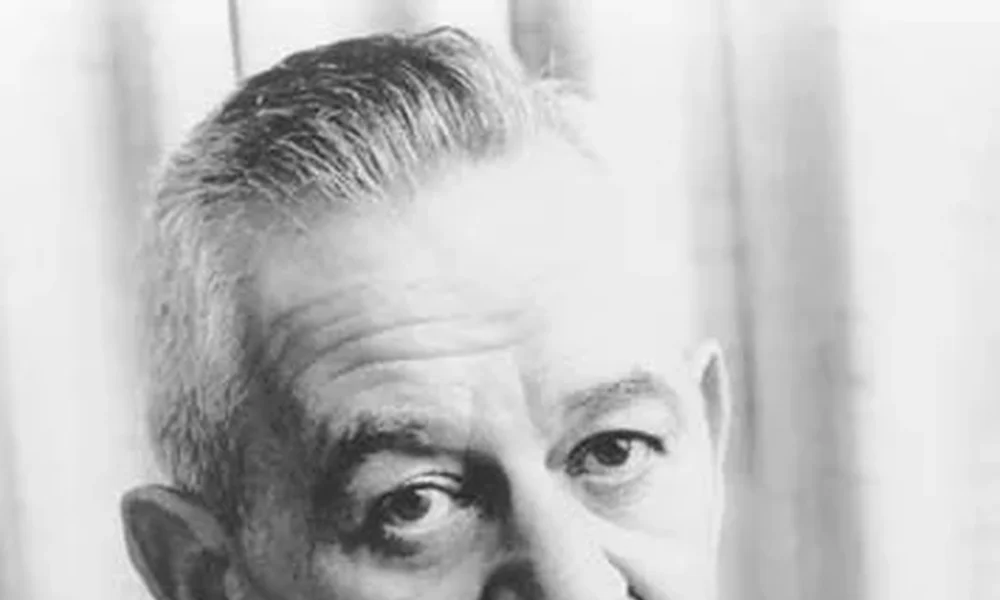
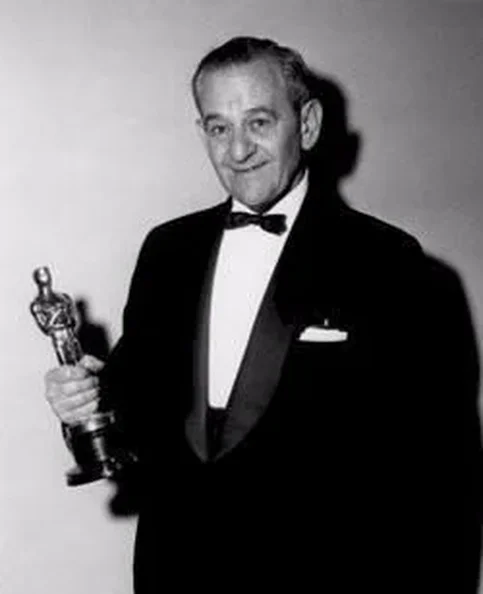
William Wyler was a towering figure in the world of cinema, renowned for his meticulous attention to detail and his unparalleled ability to bring out stellar performances from his actors. Born on July 1, 1902, in Mülhausen, Germany (now part of France), Wyler’s journey from a young boy with a passion for storytelling to one of the most influential directors in film history is a testament to his dedication and talent. Over a career spanning more than four decades, he directed over 40 films, many of which are considered classics. Wyler’s work is characterized by its emotional depth, technical precision, and the exploration of complex human relationships. His influence on the art of filmmaking is undeniable, and his legacy continues to inspire filmmakers and cinephiles alike.
PERSONAL INFORMATION
| Name | William Wyler |
|---|---|
| Place of Birth | Mulhouse |
| Place of Death | Los Angeles |
| Nationality | United States, Switzerland |
| Date of Birth | 01 July 1902 |
| Age at Death | 79 Years |
| Zodiac Sign | Cancer |
| Date of Death | 27 July 1981 |
| Languages Spoken | German, French, English, Yiddish |
| Religion | Judaism |
| Native Language | German, English, Yiddish |
| Native Name | William Wyler |
| Gender | Male |
FAMILY
| Spouse | Margaret Sullavan, Margaret Tallichet |
|---|---|
| Siblings | Robert Wyler |
| Children | Catherine Wyler |
EDUCATION
| Educated At | Conservatoire de Paris |
|---|
CAREER
| Profession | screenwriter, film producer, film actor, film director, actor, director |
|---|---|
| Awards Received | Directors Guild of America Award, Academy Award for Best Director, Academy Award for Best Director, Academy Award for Best Director, AFI Life Achievement Award, Golden Plate Award, Irving G. Thalberg Memorial Award, star on Hollywood Walk of Fame, Palme d’Or, BAFTA Award for Best Direction, Golden Globe Award for Best Director, Golden Globe Awards |
| Nominations | Academy Award for Best Director, Academy Award for Best Director, Academy Award for Best Director, Academy Award for Best Director, Academy Award for Best Director, Academy Award for Best Director, Academy Award for Best Director, Academy Award for Best Director, Academy Award for Best Director, Academy Award for Best Director, Academy Award for Best Director, Academy Award for Best Director, Academy Award for Best Picture, Academy Award for Best Picture |
| Work Period Start | 1925 |
| Work Period End | 1970 |
| Notable Works | The Collector, The Children’s Hour, Ben-Hur, The Big Country, Friendly Persuasion, The Desperate Hours, Roman Holiday, Carrie, Detective Story, The Heiress, The Best Years of Our Lives, Mrs. Miniver, The Little Foxes, The Westerner, The Letter, Wuthering Heights, Jezebel, These Three |
Cost of becoming
William Wyler’s path to becoming one of the most respected directors in Hollywood was not without its challenges. He began his journey in the early 1920s, working in the United States as a script clerk and assistant director. This hands-on experience in the film industry was crucial in honing his skills and understanding the intricacies of filmmaking. Wyler’s dedication to his craft often meant long hours on set, meticulous attention to every detail, and a relentless pursuit of perfection. His early projects, such as “These Three” (1936) and “The Goodman Family” (1934), laid the groundwork for his future success. The cost of becoming a legendary director was steep, but Wyler’s unwavering commitment to his art made him one of the most revered figures in the history of cinema.
Identity before fame
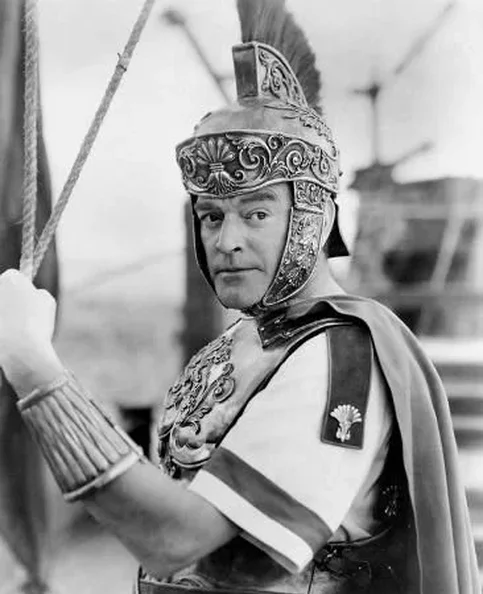
Before William Wyler became a household name, he was a young man from a family of Swiss-German descent. He grew up in Mülhausen, where he was exposed to a diverse cultural environment that would later influence his storytelling. Wyler’s interest in cinema began at a young age, and he was determined to make his mark in the film industry. He moved to the United States in the 1920s, where he worked as a script clerk and assistant director for Universal Pictures. These early roles allowed him to learn the ropes of filmmaking and build the foundational skills that would serve him well in his directorial career. Despite the challenges of starting from scratch in a new country, Wyler’s passion and perseverance set the stage for his future success.
Production Houses Associated With William Wyler
| Production House | Number of Movies |
|---|---|
| Samuel Goldwyn Productions | 2 |
| AMC | 2 |
| Leva FilmWorks | 1 |
| Turner Home Entertainment | 1 |
| Global Screen | 1 |
| Radio Bremen | 1 |
| ARTE | 1 |
| Florianfilm | 1 |
| Academy of Motion Picture Arts and Sciences (AMPAS) | 1 |
| Warner Bros. Pictures | 1 |
Directors William Wyler Frequently Works With
| Director | Number of Movies |
|---|---|
| William Wyler | 2 |
| Gary Leva | 1 |
| Scott Benson | 1 |
| Jascha Hannover | 1 |
| Richard L. Bare | 1 |
| Erik Nelson | 1 |
| Jérôme Korkikian | 1 |
| Roderic Vickers | 1 |
| Aviva Slesin | 1 |
| Michele Farinola | 1 |
Movie Genres of William Wyler
| Genre | Number of Movies |
|---|---|
| Documentary | 15 |
| Drama | 4 |
| War | 4 |
| History | 3 |
| TV Movie | 3 |
| Romance | 2 |
Year-wise Movies of William Wyler
| Year | Number of Movies |
|---|---|
| 2025 | 1 |
| 2019 | 2 |
| 2018 | 1 |
| 2017 | 1 |
| 2005 | 1 |
| 2002 | 1 |
| 2001 | 1 |
| 2000 | 1 |
| 1993 | 1 |
| 1986 | 1 |
| 1982 | 1 |
| 1958 | 1 |
| 1956 | 1 |
| 1951 | 1 |
| 1946 | 1 |
Timeline
- 1902 – William Wyler is born on July 1, 1902, in Mülhausen, Germany (now part of France).
- 1920s – Wyler moves to the United States and starts working in the film industry as a script clerk and assistant director.
- 1934 – He directs his first feature film, “The Good Fairies.”
- 1936 – Wyler directs “These Three,” which is a critical success and helps establish his reputation.
- 1938 – He wins his first Academy Award for Best Director for “Jezebel.”
- 1942 – Wyler directs “The Little Foxes,” starring Bette Davis, which is critically acclaimed.
- 1946 – He directs “The Best Years of Our Lives,” which wins seven Academy Awards, including Best Director.
- 1952 – Wyler directs “Roman Holiday,” which wins three Academy Awards and catapults Audrey Hepburn to stardom.
- 1959 – He directs “Ben-Hur,” which is a massive commercial and critical success, winning 11 Academy Awards.
- 1981 – William Wyler passes away on July 27, 1981, leaving behind a legacy of exceptional films and a lasting impact on the industry.
Favourites
- Favorite Film – “The Best Years of Our Lives” (1946)
- Favorite Actor – Gary Cooper
- Favorite Actress – Audrey Hepburn
- Favorite Genre – Drama
- Favorite Location – Hollywood, California
- Favorite Era – Golden Age of Hollywood
- Favorite Film Score – “The Big Country” (1958) by Jerome Moross
- Favorite Film Technique – Deep focus cinematography
- Favorite Collaborator – Screenwriter Robert Sherwood
- Favorite Book – “The Great Gatsby” by F. Scott Fitzgerald
Controversies
- Excessive Perfectionism – Wyler’s insistence on perfection often led to long, grueling shooting schedules and multiple takes, which could be stressful for actors and crew.
- Relationship with Actors – Some actors, like Shirley Temple and Olivia de Havilland, found Wyler’s directing style too harsh and demanding.
- War Service – During World War II, Wyler joined the United States Army Air Forces and directed several documentary films, which were sometimes criticized for their propagandistic nature.
- Gender Dynamics on Set – Wyler’s relationship with female actors, particularly in the 1940s and 1950s, has been scrutinized for potential gender imbalance and power dynamics.
- Political Stances – Some of Wyler’s films, such as “The Best Years of Our Lives” and “Friendly Persuasion,” touched on political and social issues, which sometimes drew criticism from conservative elements.
- Personal Life – Wyler’s personal life, including his marriage and relationships, occasionally became the subject of gossip and media attention.
- Industry Influence – Wyler’s influence on the industry was significant, but this also meant that he faced scrutiny and competition from other directors and producers.
- Academy Awards Controversy – There were occasional debates about the fairness of his multiple Academy Award wins, particularly for “The Best Years of Our Lives” and “Ben-Hur.”
- Cultural Representation – Some of Wyler’s films, such as “The Big Country,” have been criticized for their portrayal of certain cultural groups and historical events.
- Artistic Integrity vs. Commercial Success – Wyler’s balance between artistic integrity and commercial success was often a point of discussion, particularly in the context of his blockbuster films like “Ben-Hur.”
Control vs chaos
William Wyler’s approach to filmmaking was marked by a delicate balance between control and chaos. On one hand, he was known for his meticulous attention to detail, often spending countless hours on set to ensure that every shot was perfect. This control extended to his interactions with actors and crew, where he demanded the highest standards of performance and professionalism. On the other hand, Wyler understood that the creative process also required a degree of flexibility and spontaneity. He encouraged his actors to improvise and bring their own interpretations to their roles, which sometimes led to unexpected and brilliant performances. This dynamic interplay between control and chaos was a defining characteristic of Wyler’s filmmaking style and contributed to the depth and richness of his work.
Emotional geography
The emotional geography of William Wyler’s films is as varied and complex as the director himself. From the intimate dramas of “The Heiress” to the sweeping epics of “Ben-Hur,” Wyler’s works explore a wide range of human emotions and experiences. His films often delve into themes of love, betrayal, redemption, and the human condition, creating a rich tapestry of emotional depth that resonates with audiences. Wyler’s ability to capture the subtleties of human emotions, whether in a quiet moment between characters or in the midst of grand set pieces, is a testament to his skill as a director. The emotional geography of his films is a journey through the complexities of the human heart, making his work both timeless and deeply moving.
FAQs
-
What is William Wyler best known for?
William Wyler is best known for his directorial work on films such as “The Best Years of Our Lives,” “Roman Holiday,” and “Ben-Hur.” These films not only achieved critical acclaim but also won numerous Academy Awards.
-
How many Academy Awards did William Wyler win?
William Wyler won three Academy Awards for Best Director, for “Jezebel” (1938), “The Best Years of Our Lives” (1946), and “Ben-Hur” (1959).
-
What were some of William Wyler’s early works?
Some of William Wyler’s early works include “The Good Fairies” (1934) and “These Three” (1936). These films helped establish his reputation as a talented and meticulous director.
-
How did William Wyler’s background influence his films?
Wyler’s Swiss-German background and his early exposure to a diverse cultural environment in Mülhausen, France, influenced his storytelling and the themes he explored in his films, often focusing on complex human relationships and moral dilemmas.
-
What is the significance of “The Best Years of Our Lives”?
“The Best Years of Our Lives” is significant for its realistic portrayal of the challenges faced by World War II veterans returning to civilian life. It won seven Academy Awards, including Best Director for Wyler.
-
How did William Wyler’s relationship with actors like Bette Davis and Audrey Hepburn influence their careers?
Wyler’s collaborations with Bette Davis in “The Little Foxes” and Audrey Hepburn in “Roman Holiday” are credited with helping to elevate their careers and bring out some of their best performances.
-
What is the legacy of William Wyler in the film industry?
William Wyler’s legacy is one of exceptional artistry and technical excellence. His influence on the craft of directing, his ability to elicit powerful performances from actors, and his contribution to the Golden Age of Hollywood continue to inspire filmmakers and cinephiles today.
-
How did World War II impact William Wyler’s career?
During World War II, Wyler served in the United States Army Air Forces and directed several documentary films. This experience influenced his later work, particularly in films like “The Best Years of Our Lives,” which dealt with the post-war experiences of veterans.
-
What was William Wyler’s directorial style?
Wyler’s directorial style was characterized by his meticulous attention to detail, his insistence on perfection, and his ability to create a sense of realism and emotional depth in his films. He often worked closely with his actors, encouraging them to bring their own interpretations to their roles.
-
What are some of the techniques William Wyler used in his films?
Wyler was known for his use of deep focus cinematography, which allowed for a greater depth of field and more detailed storytelling. He also employed long takes and subtle camera movements to enhance the emotional impact of his scenes.
-
How did William Wyler balance commercial success with artistic integrity?
Wyler was adept at balancing commercial success with artistic integrity. While his films were often box office hits, they also maintained a high level of artistic and thematic depth, ensuring that they would stand the test of time.
-
What is the significance of “Ben-Hur” in William Wyler’s career?
“Ben-Hur” (1959) is significant for its monumental scale and technical achievements. It won 11 Academy Awards, including Best Director for Wyler, solidifying his reputation as one of the greatest directors in film history.
-
How did William Wyler’s personal life influence his work?
Wyler’s personal life, including his relationships and experiences, often influenced the themes and characters in his films. For example, his own experiences with loss and war are reflected in films like “The Best Years of Our Lives.”
-
What is the legacy of “Roman Holiday”?
“Roman Holiday” (1953) is widely regarded as a classic romantic comedy and helped launch Audrey Hepburn’s career. The film’s blend of charm, romance, and social commentary has made it a beloved and enduring favorite.
William Wyler’s impact on cinema is profound and enduring. His dedication to his craft, his ability to elicit powerful performances from actors, and his mastery of storytelling have made him a legend in the film industry. Through his films, Wyler explored the depths of human emotion and the complexities of the human experience, leaving behind a rich and varied body of work that continues to inspire and resonate with audiences around the world.