
Al Jolson, born Asa Yoelson in 1886, was a towering figure in American entertainment during the early 20th century. Known for his dynamic stage presence, distinctive singing style, and iconic blackface performances, Jolson left an indelible mark on the world of music, theater, and early film. His career spanned several decades, from vaudeville to Broadway and Hollywood, and he was one of the first major stars of the talkie era. Despite the controversy surrounding his use of blackface, Jolson’s influence on American popular culture remains significant and multifaceted.
PERSONAL INFORMATION
| Name | Al Jolson |
|---|---|
| Gender | Male |
| Place of Death | San Francisco |
| Nationality | Russian Empire, United States |
| Date of Birth | 26 May 1886 |
| Age at Death | 64 Years |
| Zodiac Sign | Gemini |
| Date of Death | 23 October 1950 |
| Place of Birth | Seredžius |
| Native Name | Al Jolson |
| Languages Spoken | English |
| Birth Name | Asa Yoelson |
| Native Language | English |
| Ethnicity | American Jews |
FAMILY
| Spouse | Ruby Keeler, Erle Krasna |
|---|---|
| Siblings | Harry Jolson |
CAREER
| Profession | actor, film actor, singer, jazz musician, stage actor, comedian, songwriter |
|---|---|
| Genre | vaudeville, traditional pop, blues |
| Record Label | Decca, Victor |
| Work Period Start | 1898 |
| Instruments | voice |
| Employer | Warner Bros. |
| Member Of | Temple Israel of Hollywood |
| Awards Received | star on Hollywood Walk of Fame, Medal for Merit |
| Work Period End | 1950 |
SOCIAL MEDIA & LINKS
| IMDB ID | nm0427231 |
|---|---|
| Official Website | http://www.jolson.org/ |
| Wikipedia | Wikipedia |
Cost of becoming
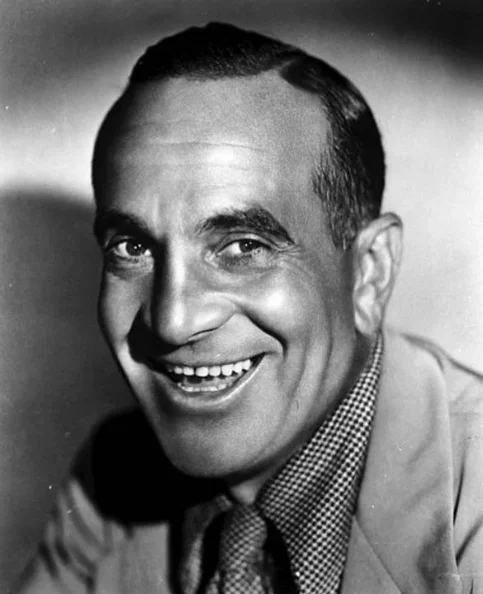
Becoming a star like Al Jolson came at a significant personal cost. Born into a poor Jewish family in Lithuania, Jolson’s early life was marked by struggle and hardship. His father, a cantor, expected him to follow a religious path, but Jolson’s passion for music and performance led him down a different road. The journey to stardom required relentless dedication, long hours of practice, and a willingness to adapt to the demands of the entertainment industry. Jolson’s relentless drive and willingness to push boundaries, even when it meant facing criticism and controversy, were instrumental in his success.
Identity before fame
Before he became a household name, Al Jolson was known as Asa Yoelson, the son of a cantor in an Orthodox Jewish community. Growing up in a family of modest means, Jolson’s early exposure to music came from his father’s religious chants and the rich musical culture of his community. Despite his religious upbringing, Jolson was drawn to the secular world of entertainment. His early experiences in vaudeville and on the streets of New York City honed his skills and shaped his unique style, which would later become his trademark on stage and screen.
Timeline
- 1886: Asa Yoelson is born in Srednike, Russian Empire (now Lithuania).
- 1894: The Yoelson family immigrates to the United States, settling in Washington, D.C.
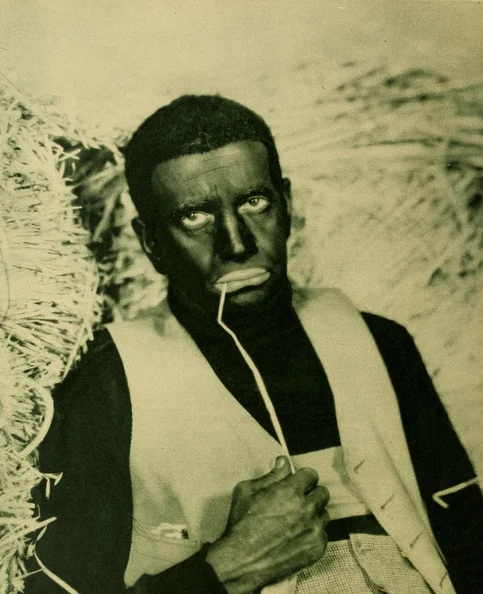
- 1905: Jolson begins his career in vaudeville, performing in blackface.
- 1911: He makes his Broadway debut in the musical “La Belle Paree.”
- 1920: Jolson stars in the Broadway production of “Sinbad,” which includes his signature song, “My Mammy.”
- 1927: He appears in the first feature-length talkie, “The Jazz Singer,” which becomes a massive success.
- 1930: Jolson stars in “Big Boy,” a film that showcases his talents as a performer and actor.
- 1933: He appears in “Wonder Bar,” another successful film that solidifies his status as a Hollywood icon.
- 1946: Jolson makes a triumphant return to Broadway in “Hold On to Me.”
- 1950: Al Jolson dies of a heart attack in San Francisco, California.
Favourites
- Songs: “My Mammy,” “Sonny Boy,” “Rock-a-Bye Your Baby with a Dixie Melody,” “April Showers”
- Performances: “The Jazz Singer” (1927), “Wonder Bar” (1933), “Swanee” (1919)
- Roles: Jack Robin in “The Jazz Singer,” Tom Barlow in “Wonder Bar,” Heine in “Hold On to Me”
- Collaborators: George Gershwin, Irving Berlin, Al Lichtman
- Stage: Vaudeville, Broadway, Hollywood
- Hobbies: Golf, traveling, supporting charitable causes
- Charities: Broadway Charity Ball, Variety Club of Southern California
- Personal: His third wife, Frances Tilden, and his children from his second marriage
- Traditions: Annual performances for hospitalized veterans
- Memorabilia: Personal collection of records, photographs, and stage costumes
Controversies
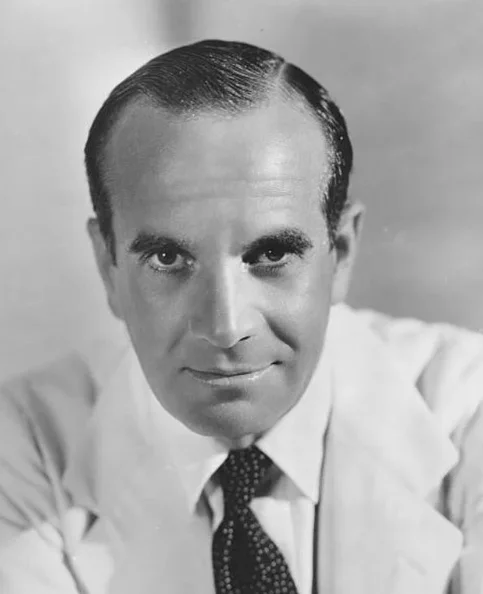
- Use of Blackface: Jolson’s performances in blackface have been widely criticized for perpetuating racist stereotypes and contributing to the marginalization of African American performers.
- Personal Life: His multiple marriages and tumultuous relationships with his wives and children have been the subject of public scrutiny.
- Business Practices: Jolson’s business dealings, including alleged financial irregularities and conflicts with collaborators, have raised ethical concerns.
- Stage Behavior: His aggressive and sometimes inappropriate stage behavior, including verbal and physical interactions with audiences, has been controversial.
- Political Affiliations: Jolson’s support for certain political figures and causes has been a source of controversy and debate.
- Cultural Appropriation: Critics argue that Jolson’s adoption of African American musical styles and performances in blackface amounted to cultural appropriation.
- Impact on African American Performers: His success in blackface performances has been seen as hindering the careers of African American performers in the entertainment industry.
- Historical Legacy: The legacy of Jolson’s blackface performances continues to be a contentious issue in discussions of American cultural history.
- Portrayal in Media: Some of the films and biographical works about Jolson have been criticized for glossing over or romanticizing the more problematic aspects of his career.
- Legacy in Hollywood: His role in the transition to talkies and his status as a Hollywood icon have been overshadowed by the controversies surrounding his performances.
Control vs Chaos
Al Jolson’s career was a testament to his ability to balance control and chaos. On stage, he was a master of commanding attention, meticulously choreographing his performances to leave audiences enthralled. However, this control was often juxtaposed with the chaos of his personal life. His marriages were tumultuous, and his relationships with collaborators could be volatile. Jolson’s success was built on his ability to navigate the sometimes unpredictable and chaotic world of entertainment, all while maintaining a level of control over his image and performances that captivated audiences for decades.
Emotional Geography
Al Jolson’s emotional geography was a complex landscape of joy and sorrow, triumph and struggle. His performances were infused with a deep emotional intensity that resonated with audiences, whether he was belting out a heartfelt ballad or delivering a comedic monologue. Despite his fame and success, Jolson’s personal life was marked by significant challenges, including the loss of loved ones and the pressures of maintaining his star status. His emotional journey reflects the highs and lows of a life dedicated to the pursuit of art and performance, ultimately leaving a legacy that is both celebrated and scrutinized.
FAQs
-
Who was Al Jolson?
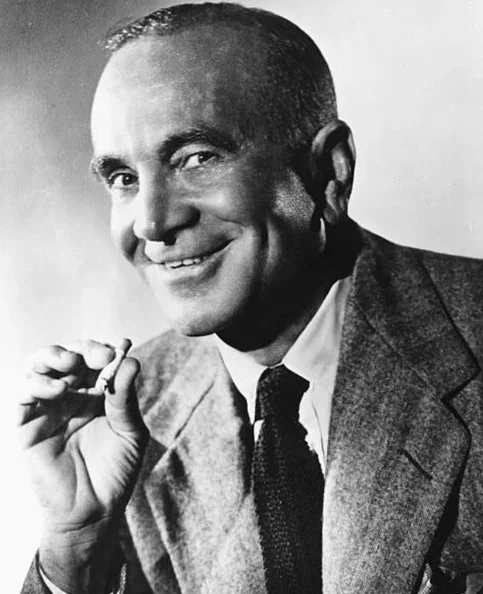
l Jolson, born Asa Yoelson in 1886, was an American singer, actor, and comedian. He gained fame for his dynamic performances and was one of the first major stars of the talkie era.
-
What is Al Jolson best known for?
Jolson is best known for his performances in blackface, his role in the first feature-length talkie “The Jazz Singer,” and his signature songs such as “My Mammy” and “Swanee.”
-
Where was Al Jolson born?
l Jolson was born in Srednike, Russian Empire (now Lithuania) in 1886.
-
When did Al Jolson immigrate to the United States?
Jolson immigrated to the United States with his family in 1894, settling in Washington, D.C.
-
What was Al Jolson’s first professional performance?
Jolson’s first professional performance was in vaudeville in 1905, where he began performing in blackface.
-
What was Al Jolson’s most successful film?
Jolson’s most successful film was “The Jazz Singer” (1927), which marked the transition from silent films to talkies and was a massive commercial and critical success.
-
Why is Al Jolson’s use of blackface controversial?
Jolson’s use of blackface has been widely criticized for perpetuating racist stereotypes and contributing to the marginalization of African American performers.
-
What were some of Al Jolson’s favorite songs?
Some of Jolson’s favorite songs include “My Mammy,” “Sonny Boy,” “Rock-a-Bye Your Baby with a Dixie Melody,” and “April Showers.”
-
Did Al Jolson have any notable marriages?
Yes, Jolson had four marriages, the most notable of which were to Ruby Keeler and Frances Tilden. His marriages were often tumultuous and widely publicized.
-
What were Al Jolson’s contributions to charity?
Jolson was known for his charitable work, including performances for hospitalized veterans and support for organizations like the Broadway Charity Ball and the Variety Club of Southern California.
-
How did Al Jolson’s career evolve over time?
Jolson’s career evolved from vaudeville to Broadway and eventually to Hollywood. He was a pioneer in the transition to talkies and continued to perform on stage and screen throughout his life.
-
What was Al Jolson’s role in “The Jazz Singer”?
In “The Jazz Singer,” Jolson played the role of Jakie Rabinowitz, a young Jewish cantor’s son who dreams of becoming a jazz singer. The film was a groundbreaking moment in film history.
-
How did Al Jolson’s personal life impact his career?
Jolson’s personal life, including his multiple marriages and tumultuous relationships, often came under public scrutiny and sometimes affected his career, though his artistic talent and stage presence continued to draw audiences.
-
What is the legacy of Al Jolson in American entertainment?
Jolson’s legacy in American entertainment is complex. While his contributions to music, theater, and early film are celebrated, his use of blackface and the controversies surrounding his personal life have led to ongoing debates about his place in cultural history.
-
How has the perception of Al Jolson changed over time?
Perceptions of Jolson have evolved over time. While he was a beloved star during his lifetime, contemporary views often focus on the problematic aspects of his career, particularly his use of blackface, leading to a more nuanced and critical assessment of his legacy.