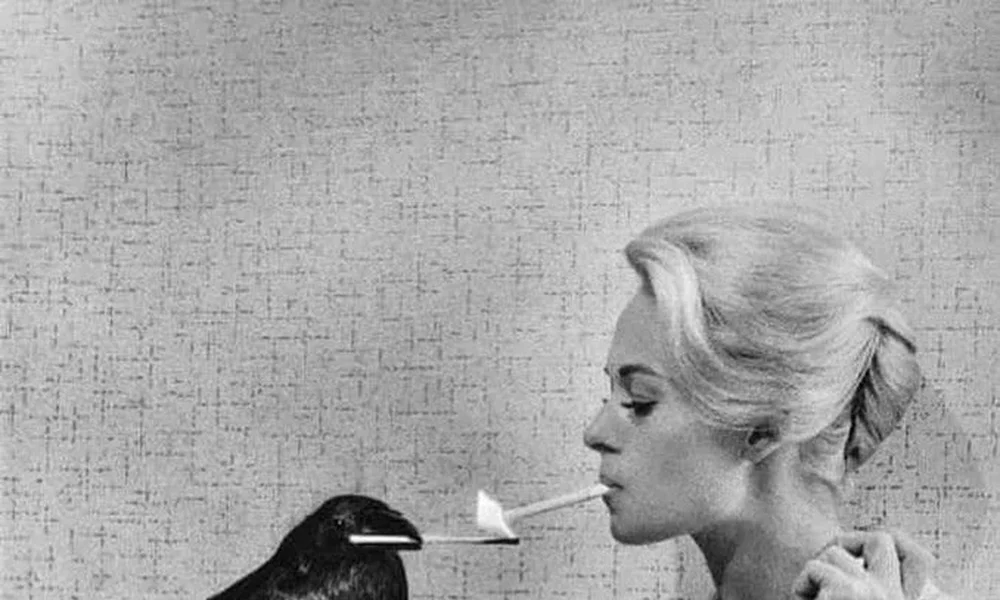
Alfred Hitchcock, often referred to as the “Master of Suspense,” is a towering figure in the history of cinema. Born on August 13, 1899, in Leytonstone, London, Hitchcock’s career spanned over six decades, during which he directed more than 50 films. Known for his innovative techniques, meticulous attention to detail, and ability to create suspense, Hitchcock’s influence on the film industry is immeasurable. His iconic works, such as “Psycho,” “Rear Window,” and “Vertigo,” continue to captivate audiences and inspire filmmakers around the world. This article delves into the life, career, and legacy of one of the most influential directors in film history.
PERSONAL INFORMATION
| Name | Alfred Hitchcock |
|---|---|
| Place of Death | Bel Air |
| Place of Birth | Leytonstone |
| Nationality | United Kingdom, United States, United Kingdom of Great Britain and Ireland |
| Date of Birth | 13 August 1899 |
| Age at Death | 80 Years |
| Zodiac Sign | Leo |
| Date of Death | 29 April 1980 |
| Languages Spoken | German, English |
| Native Name | Alfred Hitchcock |
| Birth Name | Alfred Joseph Hitchcock |
| Religion | Catholicism |
| Residence | London, Leytonstone, Bel Air |
| Gender | Male |
| Nickname | Hitch, Le Maître du suspense |
| Native Language | English |
PHYSICAL STATISTICS
| Height (in centimeters) | 170 cm |
|---|---|
| Height (in meters) | 1.70 m |
| Height (in feet inches) | 5′ 6″ |
FAMILY
| Children | Pat Hitchcock |
|---|---|
| Spouse | Alma Reville |
| Father | William Hitchcock |
EDUCATION
| Educated At | University of London, Tower Hamlets College, Salesian College |
|---|
CAREER
| Profession | film director, film producer, actor, television producer, television director, director, producer, writer, film screenwriter, screenwriter, cinematographer, film editor, film actor |
|---|---|
| Awards Received | AFI Life Achievement Award, Knight of the Legion of Honour, Knight Commander of the Order of the British Empire, Academy Fellowship Award, Edgar Awards, Officer of Arts and Letters, Golden Globe Awards, Silver Shell for Best Director, Saturn Awards, Golden Globe Cecil B. DeMille Award, Irving G. Thalberg Memorial Award, star on Hollywood Walk of Fame |
| Nominations | Academy Award for Best Director, Academy Award for Best Director, Academy Award for Best Director, Academy Award for Best Director, Academy Award for Best Director |
| Work Period Start | 1919 |
| Genre | suspense film, horror film, drama film, psychological horror film, film noir, mystery film, adventure film, natural horror film, psychological thriller film, crime drama film, crime thriller film, action film, fantasy film, silent film, psychological drama film, thriller film |
| Notable Works | North by Northwest, The Man Who Knew Too Much, Foreign Correspondent, The Lady Vanishes, The 39 Steps, Saboteur, Torn Curtain, Psycho, Vertigo, The Birds, Suspicion, Dial M for Murder, Rear Window, Frenzy, Shadow of a Doubt, Notorious, Rope, Strangers on a Train, The Wrong Man, Stage Fright, I Confess, Lifeboat, Mr. & Mrs. Smith, Family Plot, Spellbound, The Trouble with Harry, To Catch a Thief, Marnie, The Man Who Knew Too Much, Topaz |
| Work Period End | 1980 |
Cost of becoming
Becoming the “Master of Suspense” was not an easy journey for Alfred Hitchcock. From humble beginnings in London, he faced numerous challenges and setbacks. Hitchcock’s early career in the film industry was marked by hard work and perseverance. He started as a title card designer and scriptwriter, gradually moving up the ranks to become a director. His attention to detail and innovative storytelling techniques were honed through years of practice and relentless dedication. Despite initial rejections and the skepticism of industry professionals, Hitchcock’s persistence and talent eventually led to his recognition and success.
Identity before fame
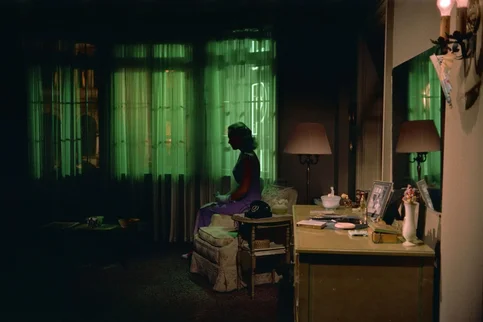
Before he became a globally recognized director, Alfred Hitchcock was a shy, introverted young man from a strict Catholic family. Born to Emma Jane Hitchcock and William Hitchcock, a greengrocer, Alfred’s childhood was marked by a strong sense of discipline and family values. He attended Salesian College and the London County Council School of Engineering and Navigation, where he studied drafting and navigation. His early experiences in advertising and film production helped shape his unique storytelling style and technical skills. Despite his reserved nature, Hitchcock’s passion for storytelling and cinema was evident from a young age, setting the stage for his future success.
Timeline
- 1899: Alfred Hitchcock is born on August 13 in Leytonstone, London, England.
- 1913: Begins his education at Salesian College, a Catholic school in London.
- 1917: Enrolls at the London County Council School of Engineering and Navigation.
- 1920: Starts working in the film industry as a title card designer for Famous Players-Lasky.
- 1922: Makes his directorial debut with the short film “Number 13.”
- 1926: Directs his first full-length feature film, “The Lodger: A Story of the London Fog.”
- 1935: Achieves international recognition with the release of “The 39 Steps.”
- 1940: Moves to Hollywood and directs his first American film, “Rebecca.”
- 1960: Creates one of his most famous and influential films, “Psycho.”
- 1979: Receives the AFI Life Achievement Award and is knighted by Queen Elizabeth II.
Favourites
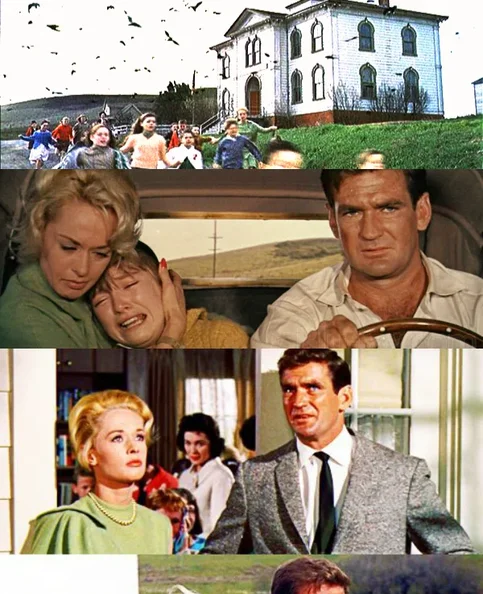
- Favorite Films: “Psycho,” “Rear Window,” “Vertigo,” “The 39 Steps,” “The Birds”
- Favorite Actors: James Stewart, Ingrid Bergman, Cary Grant, Grace Kelly, Tippi Hedren
- Favorite Themes: Suspense, psychological thrillers, mistaken identity, guilt, and redemption
- Favorite Techniques: MacGuffin, Hitchcock blonde, the 30-30-30 rule, the Leland Palmer shot
- Favorite Locations: London, San Francisco, New York City, the American Midwest
- Favorite Genres: Thrillers, mysteries, suspense
- Favorite Music Composers: Bernard Herrmann, Dimitri Tiomkin, Miklós Rózsa
- Favorite Books: Those by Daphne du Maurier, Francis Beeding, and John Buchan
- Favorite Cinema Influences: Fritz Lang, F.W. Murnau, Robert Wiene
- Favorite Cinema Movements: German Expressionism, French New Wave
Controversies
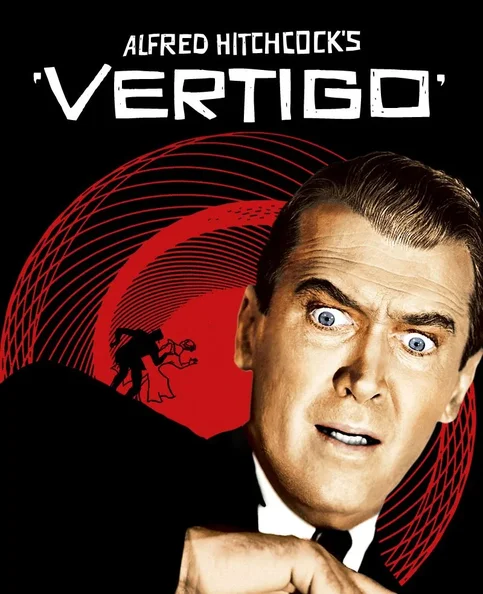
- The Treatment of Tippi Hedren: Allegations of harassment and abuse during the filming of “The Birds” and “Marnie.”
- Use of Women as Objects: Criticism for his portrayal of women in films, often reducing them to objects of desire or manipulation.
- Dark Humor and Violence: Controversy over his films’ often dark and violent content, such as the infamous shower scene in “Psycho.”
- Portrayal of Mental Illness: Criticized for stereotypical and sometimes insensitive portrayals of mental illness, particularly in “Psycho” and “Spellbound.”
- Political Statements: Accusations of politically charged content in films like “Saboteur” and “North by Northwest.”
- Religious Themes: Criticism from religious groups over the depiction of Catholicism in films like “I Confess.”
- Directorial Control: His domineering and perfectionist approach to directing, which sometimes led to conflicts with cast and crew.
- Personal Life: Gossip and rumors about his personal life, including his relationship with his wife, Alma Reville.
- Collaborative Relationships: Tensions with some of his frequent collaborators, such as screenwriter Ernest Lehman and composer Bernard Herrmann.
- Censorship Battles: Controversies over the censorship and editing of his films, particularly in the 1950s and 1960s.
Control vs chaos
Alfred Hitchcock’s genius lay in his ability to balance control and chaos. His meticulously planned and executed films often featured carefully crafted scenes that built tension and suspense. However, he also understood the power of unpredictability and the unexpected. This duality is evident in his use of plot twists, surprises, and the psychological manipulation of the audience. Hitchcock’s mastery of control allowed him to create a sense of order within the chaos, ensuring that each element of his films served a specific purpose and contributed to the overall narrative. This balance between control and chaos is a hallmark of his work and a key factor in his enduring legacy.
Emotional geography
Hitchcock’s films are a rich tapestry of emotional landscapes, ranging from the darkest depths of fear and anxiety to the heights of surprise and excitement. His use of visual storytelling and psychological depth allowed him to explore complex emotions and human nature. Each setting in his films, whether it be the eerie Bates Motel in “Psycho” or the claustrophobic apartment in “Rear Window,” serves as a backdrop for the emotional journeys of his characters. Hitchcock’s ability to create and manipulate emotional responses in his audience is a testament to his skill as a director and his deep understanding of human psychology. Through his films, he invites viewers to explore their own fears, desires, and vulnerabilities, creating a powerful and lasting emotional connection.
FAQs
-
What is Alfred Hitchcock’s most famous film?
lfred Hitchcock’s most famous film is arguably “Psycho,” released in 1960. The film is renowned for its iconic shower scene and has become a classic of psychological horror.
-
What was Hitchcock’s early career like?
Hitchcock began his career in the film industry as a title card designer and scriptwriter. His early roles in advertising and film production provided him with valuable experience and skills that he would later apply to his directorial work.
-
Why is Alfred Hitchcock called the “Master of Suspense”?
Hitchcock is called the “Master of Suspense” due to his exceptional ability to create and maintain tension and suspense in his films. He used innovative techniques and a deep understanding of human psychology to keep audiences on the edge of their seats.
-
Did Alfred Hitchcock have any controversies in his personal life?
Yes, Hitchcock faced several controversies, including allegations of harassment and abuse during the filming of “The Birds” and “Marnie,” and criticism for his portrayal of women and mental illness in his films.
-
What are some of Hitchcock’s signature techniques?
Hitchcock is known for his use of the MacGuffin, the 30-30-30 rule, and his distinctive camera angles and editing techniques. He also often featured a blonde leading lady, known as the “Hitchcock blonde.”
-
How did Hitchcock’s early experiences influence his filmmaking?
Hitchcock’s early experiences in advertising and film production, as well as his strict Catholic upbringing, shaped his unique storytelling style and attention to detail. His formative years in London also influenced his choice of locations and themes.
-
What was the significance of Hitchcock’s move to Hollywood?
Hitchcock’s move to Hollywood in 1940 marked a significant turning point in his career. It allowed him to reach a wider audience and work with top-tier actors and production resources, leading to some of his most iconic films.
-
How did Hitchcock’s films impact the film industry?
Hitchcock’s films have had a profound impact on the film industry, influencing generations of filmmakers and shaping the genres of suspense and psychological thrillers. His techniques and storytelling methods continue to be studied and emulated.
-
What is the “Hitchcockian” style?
The “Hitchcockian” style is characterized by a focus on suspense, psychological tension, and the manipulation of the audience’s emotions. Hitchcock’s films often feature intricate plot twists, symbolic imagery, and a blend of horror and suspense.
-
What was Hitchcock’s relationship with his wife, Alma Reville?
Hitchcock’s wife, Alma Reville, was a constant collaborator and confidante. She played a crucial role in his filmmaking process, offering invaluable insights and support throughout his career.
-
How did Hitchcock’s films reflect his personal beliefs and fears?
Hitchcock’s films often reflected his personal beliefs and fears, particularly his fascination with guilt, redemption, and the darker aspects of human nature. His Catholic upbringing and his own experiences with anxiety and fear influenced the themes and motifs in his work.
-
What was Hitchcock’s legacy after his death?
fter his death in 1980, Hitchcock’s legacy as a master filmmaker solidified. His films continue to be studied and celebrated, and his influence on the film industry and popular culture is undeniable. He received numerous posthumous awards and honors, cementing his status as a cinematic legend.
-
How did Hitchcock’s films challenge societal norms and taboos?
Hitchcock’s films often pushed the boundaries of what was acceptable in cinema, challenging societal norms and taboos. His bold and sometimes controversial portrayals of violence, sexuality, and mental illness broke new ground and influenced the evolution of film as an art form.
-
What was the impact of Hitchcock’s use of the “MacGuffin” in his films?
The “MacGuffin,” a term coined by Hitchcock, refers to a plot device that drives the narrative but is ultimately of little importance itself. This technique allowed Hitchcock to focus on the psychological and emotional aspects of his stories, rather than the details of the plot device.