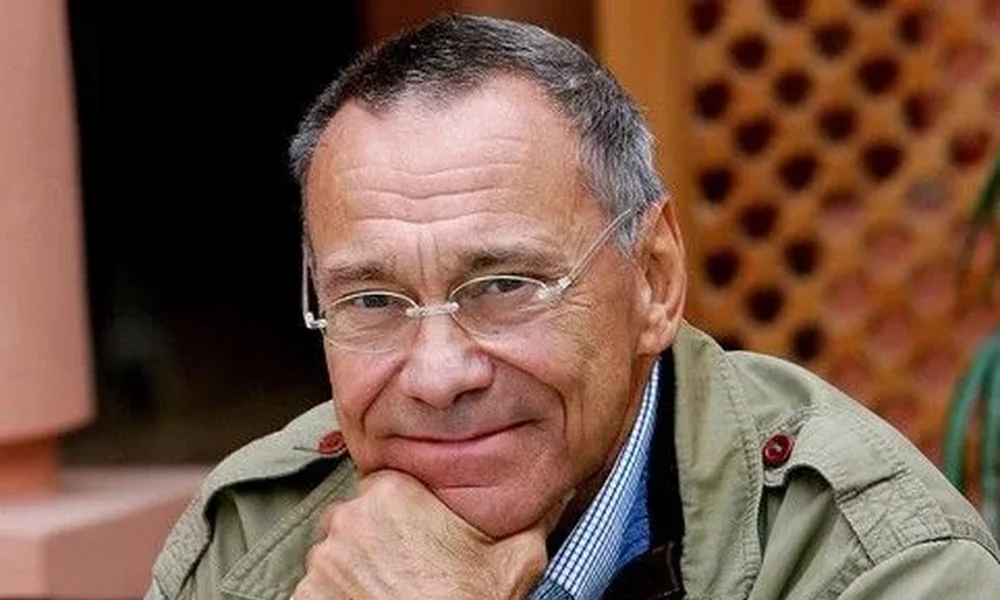
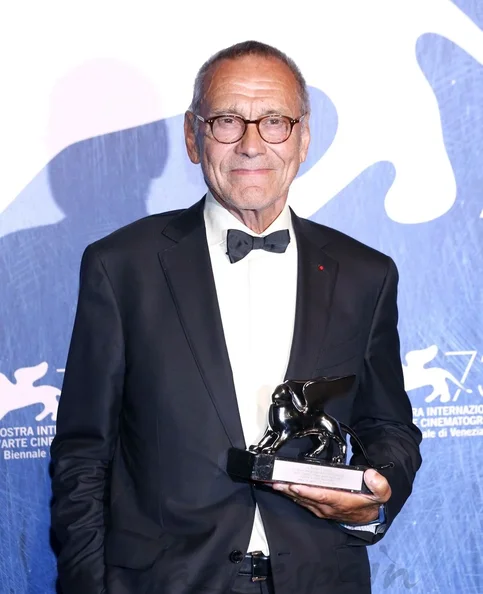
Andrei Konchalovsky, born on September 20, 1937, is a renowned Russian film director, screenwriter, and theater director. Known for his profound impact on cinema, Konchalovsky has a career spanning over six decades, marked by numerous awards and critical acclaim. His work often delves into complex human emotions and societal issues, making him a significant figure in both Russian and world cinema. From his early collaborations with Andrei Tarkovsky to his solo directorial ventures, Konchalovsky’s legacy is a testament to his artistic vision and relentless pursuit of storytelling excellence.
PERSONAL INFORMATION
| Name | Andrei Konchalovsky |
|---|---|
| Nationality | Soviet Union, United States, Russia, France |
| Date of Birth | 20 August 1937 |
| Age | 88 Years |
| Zodiac Sign | Leo |
| Place of Birth | Moscow |
| Languages Spoken | German, Russian, English |
| Birth Name | Andron Sergheievici Mihalkov, Андрей Сергеевич Михалков |
| Native Name | Андрей Сергеевич Кончаловский |
| Gender | Male |
| Native Language | English |
FAMILY
| Father | Sergey Mikhalkov |
|---|---|
| Mother | Natalia Konchalovskaïa |
| Children | Yegor Konchalovsky, Alexandra Mikhalkov, Darya Mikhalkova, Nataliya Konchalovskaya, Lena Konchalovskaya, Maria Konchalovskaya, Pyotr Konchalovksy |
| Siblings | Nikita Mikhalkov |
| Spouse | Natalya Arinbasarova, Viviane Godet, Julia Vysotskaya |
EDUCATION
| Educated At | Gerasimov Institute of Cinematography, Central Music School, Academic Music College of the Moscow Conservatory, Moscow Conservatory |
|---|
CAREER
| Profession | film director, film producer, screenwriter, actor, theatrical director, memoirist, television producer, theatrical producer, opinion journalist, impresario, director |
|---|---|
| Awards Received | Order “For Merit to the Fatherland”, 4th class, Vasilyev Brothers State Prize of the RSFSR, People’s Artist of the RSFSR, Honored art worker of the Russian Soviet Federative Socialist Republic, Knight of the Legion of Honour, Nika Award, Golden Eagle Awards, Cannes Film Festival Grand Prix, Officer of Arts and Letters, Knight of the Order of Merit of the Italian Republic, Order “Danaker”, Silver Lion, Officer of Arts and Letters, Government Prize in Culture, Special Jury Prize, Primetime Emmy Award for Outstanding Directing for a Limited Series, Movie, or Dramatic Special, European Medal of Tolerance, Medal “In Commemoration of the 850th Anniversary of Moscow”, Ordre des Arts et des Lettres, Golden Shell, Primetime Emmy Award, Grand Jury Prize of the Venice Film Festival, Order of Merit of the Italian Republic |
| Work Period Start | 1960 |
| Employer | Top Courses for Scriptwriters and Film Directors |
| Member Of | third Civic Chamber of the Russian Federation |
SOCIAL MEDIA & LINKS
| IMDB ID | nm0464846 |
|---|---|
| Official Website | http://konchalovsky.ru |
| @Konchalovsky | |
| a.konchalovsky | |
| @andrei_konchalovsky | |
| Wikipedia | Wikipedia |
Cost of becoming
The path to becoming a renowned filmmaker is often fraught with challenges and sacrifices. For Andrei Konchalovsky, the journey began in a culturally rich environment. Born in Moscow to a family of esteemed writers, he was exposed to the arts from a young age. However, the road to success was not easy. Konchalovsky faced political and social obstacles during the Soviet era, which tested his resolve and creativity. Despite these hurdles, he persevered, honing his craft through rigorous training and practical experience. His dedication to his art has come at a cost, but the rewards in terms of artistic fulfillment and recognition have been immense.
Identity before fame
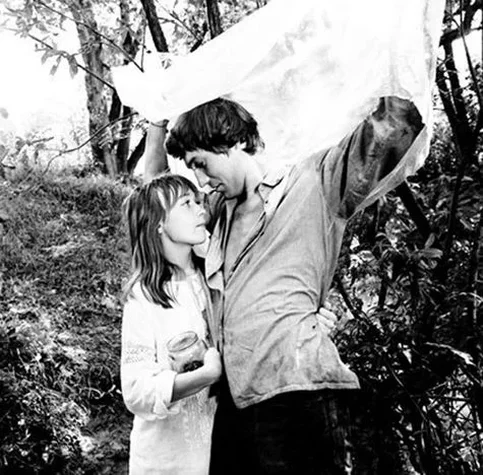
Before achieving international recognition, Andrei Konchalovsky was a young man with a passion for the arts. Growing up in a family of accomplished writers, he was surrounded by a creative atmosphere that nurtured his early interests. His parents, novelist Ivan Konchalovsky and poet Nadezhda Plevitskaya, instilled in him a deep appreciation for literature and drama. This early exposure laid the foundation for his future endeavors. Konchalovsky’s early experiences in theater and his collaborations with fellow artists like Andrei Tarkovsky helped shape his identity as a filmmaker. These formative years were crucial in developing his unique style and perspective.
Timeline
- 1937: Born on September 20 in Moscow, USSR.
- 1959: Graduates from the Moscow Theatre Institute (GIITIS).
- 1960s: Begins his career in film, collaborating with Andrei Tarkovsky on scripts for films like “Ivan’s Childhood.”
- 1967: Directs his debut film, “Asya’s Happiness,” which garners critical acclaim.
- 1974: Emigrates to the United States due to political pressures in the Soviet Union.
- 1977: Directs “The Tin Drum,” an adaptation of Günter Grass’s novel, which wins the Palme d’Or at the Cannes Film Festival and an Academy Award for Best Foreign Language Film.
- 1990s: Returns to Russia and continues to produce acclaimed films and theater productions.
- 2005: Receives the Order of Merit for the Fatherland, Fourth Class, from the Russian government for his contributions to culture and art.
- 2012: His film “Post Scriptum” wins the Silver Lion for Best Director at the Venice Film Festival.
- 2018: Receives the European Film Academy Lifetime Achievement Award for his significant contributions to European cinema.
Favourites
- Favorite Directors: Andrei Tarkovsky, Sergei Eisenstein, Ingmar Bergman
- Favorite Films: “The Godfather” (Francis Ford Coppola), ” City of God” (Fernando Meirelles), “The Seventh Seal” (Ingmar Bergman)
- Favorite Books: “Doctor Zhivago” by Boris Pasternak, “The Brothers Karamazov” by Fyodor Dostoevsky, “The Magic Mountain” by Thomas Mann
- Favorite Musicians: Johann Sebastian Bach, Sergei Rachmaninoff, Dmitri Shostakovich
- Favorite Composers for Films: Edward Artemyev, Ennio Morricone, Hans Zimmer
- Favorite Painters: Rembrandt, Ivan Shishkin, Kazimir Malevich
- Favorite Writers: Leo Tolstoy, Anton Chekhov, Alexander Solzhenitsyn
- Favorite Theaters: Moscow Art Theatre, Stanislavsky Theatre, Maly Theatre
- Favorite Cities: Moscow, Paris, New York
- Favorite Festivals: Cannes Film Festival, Venice Film Festival, Moscow International Film Festival
Controversies
- Exile from the Soviet Union: Konchalovsky’s decision to emigrate to the United States in 1974 was controversial and seen as a betrayal by some in the Soviet artistic community.
- Political Stance: His political views and statements have often been contentious, especially during the Cold War era.
- Collaboration with Western Projects: Some criticized his work on Hollywood productions for straying from his roots and diluting his artistic integrity.
- Religious Beliefs: Konchalovsky’s public discussions of his religious beliefs and their influence on his work have sometimes sparked debate.
- Artistic Choices: His unconventional storytelling techniques and thematic explorations in some films have been met with mixed reviews and criticism.
- Personal Relationships: His marriages and personal life have been subjects of public scrutiny and speculation.
- Financial Disputes: There have been occasional disputes over the funding and distribution of his films, leading to legal battles and public disagreements.
- Cultural Appropriation: Some of his adaptations of foreign literary works have been criticized for potentially appropriating or misrepresenting other cultures.
- Environmental Concerns: His large-scale productions have sometimes been criticized for their environmental impact and the resources they consume.
- Public Statements: His public statements on various social and political issues have occasionally stirred controversy and引起争议。
Control vs chaos
The balance between control and chaos is a recurrent theme in Andrei Konchalovsky’s work. In his films, he often explores the tension between the order imposed by societal norms and the unpredictable nature of human emotions. This duality reflects his own approach to filmmaking, where meticulous planning and creative spontaneity coexist. Konchalovsky’s ability to navigate this delicate balance is one of the hallmarks of his artistry. By embracing both control and chaos, he creates rich, multi-layered narratives that resonate with audiences on a deep emotional level.
Emotional geography
Andrei Konchalovsky’s films are a profound exploration of the human psyche and the emotional landscapes that shape our lives. His stories often delve into the complexities of love, loss, and redemption, capturing the universal human experience. Whether set in the lush landscapes of Russia or the bustling streets of New York, his films map the emotional journeys of his characters with great sensitivity and nuance. This emotional geography is not just a backdrop but an integral part of the narrative, influencing the mood and atmosphere of each scene. Konchalovsky’s ability to evoke a wide range of emotions through his storytelling is a testament to his deep understanding of the human condition.
FAQs
-
What is Andrei Konchalovsky best known for?
ndrei Konchalovsky is best known for his critically acclaimed films, particularly “The Tin Drum” (1979), which won the Palme d’Or at the Cannes Film Festival and an Academy Award for Best Foreign Language Film. He is also recognized for his collaborations with Andrei Tarkovsky and his contributions to Russian cinema.
-
How did Andrei Konchalovsky start his career?
Konchalovsky began his career in the theater, graduating from the Moscow Theatre Institute (GIITIS) in 1959. He then started working in film, initially as a screenwriter, collaborating with Andrei Tarkovsky on scripts for films like “Ivan’s Childhood.”
-
What inspired Andrei Konchalovsky to become a filmmaker?
Konchalovsky’s passion for storytelling and his exposure to the arts from a young age, particularly through his family’s literary and cultural background, inspired him to become a filmmaker. His early experiences in theater and his collaborations with other artists further fueled his ambition.
-
What are some of Andrei Konchalovsky’s notable films?
Some of Andrei Konchalovsky’s notable films include “Asya’s Happiness” (1967), “The First Teacher” (1965), “The House of Fools” (2002), “The Postman’s White Nights” (2014), and “Dear Comrades!” (2020).
-
How did Konchalovsky’s time in the United States influence his work?
During his time in the United States, Konchalovsky worked on several Hollywood productions, which exposed him to different filmmaking techniques and narratives. This experience broadened his perspective and influenced his later works, bringing a blend of American and Russian influences to his storytelling.
-
What are Konchalovsky’s views on the role of a filmmaker?
Konchalovsky believes that a filmmaker’s role is to explore and convey the complexities of the human experience. He sees filmmaking as a means to delve into deep emotional and social issues, reflecting on the world and its challenges through his art.
-
How does Konchalovsky approach directing?
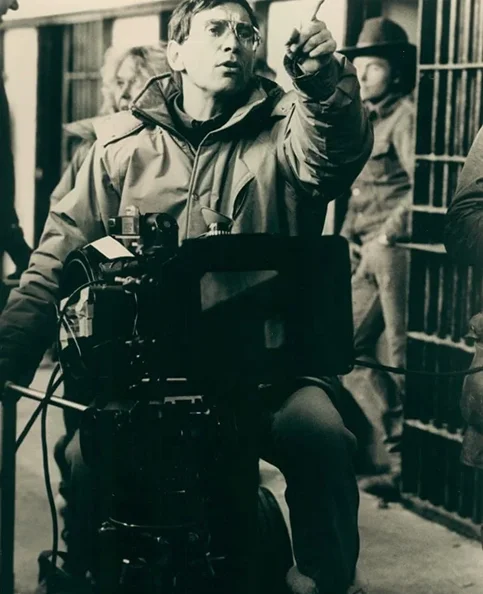
Konchalovsky approaches directing with a blend of meticulous planning and creative spontaneity. He is known for his attention to detail and his ability to create a collaborative environment where actors and crew can bring their best to the project.
-
What is Konchalovsky’s relationship with Andrei Tarkovsky?
Konchalovsky and Andrei Tarkovsky were close friends and collaborators. They worked together on several projects, including the screenplay for “Ivan’s Childhood.” Their relationship was marked by mutual respect and a shared passion for filmmaking.
-
How has Konchalovsky’s work been received internationally?
Konchalovsky’s work has been widely acclaimed internationally. He has received numerous awards, including the Palme d’Or at Cannes and an Academy Award, and his films have been screened at major film festivals around the world, earning him a reputation as a significant figure in world cinema.
-
What are some themes commonly explored in Konchalovsky’s films?
Common themes in Konchalovsky’s films include the struggle between tradition and modernity, the impact of political and social changes on individuals, and the exploration of human emotions such as love, loss, and redemption. His work often reflects on the human condition and the complexities of life.
-
How has Konchalovsky’s style evolved over the years?
Konchalovsky’s style has evolved from his early experimental and avant-garde works to more narrative-driven and character-focused films. His later works often incorporate a blend of his early influences with a more refined and polished approach to storytelling.
-
What is Konchalovsky’s approach to adapting literary works for the screen?
Konchalovsky approaches literary adaptations with a deep respect for the source material. He seeks to capture the essence and spirit of the original work while also bringing his own artistic vision to the film. This approach has resulted in critically acclaimed adaptations such as “The Tin Drum.”
-
How does Konchalovsky balance artistic integrity with commercial success?
Konchalovsky strives to maintain artistic integrity while also considering the commercial aspects of filmmaking. He believes in creating films that resonate with audiences and have a lasting impact, even if they do not always guarantee box office success.
-
What is Konchalovsky’s stance on the role of cinema in society?
Konchalovsky sees cinema as a powerful medium for social and cultural commentary. He believes that films have the ability to influence and reflect society, and he uses his work to explore and address important issues and themes.
-
What are some of Konchalovsky’s future projects?
Konchalovsky continues to be an active filmmaker with several projects in the pipeline. His upcoming works promise to further explore his signature themes and styles, continuing his legacy as a leading figure in world cinema.