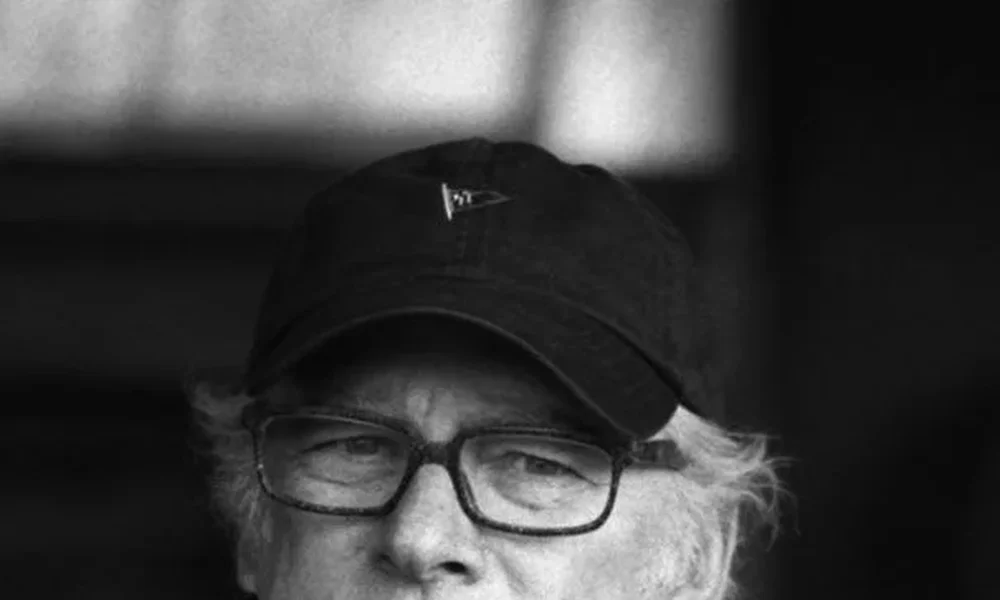
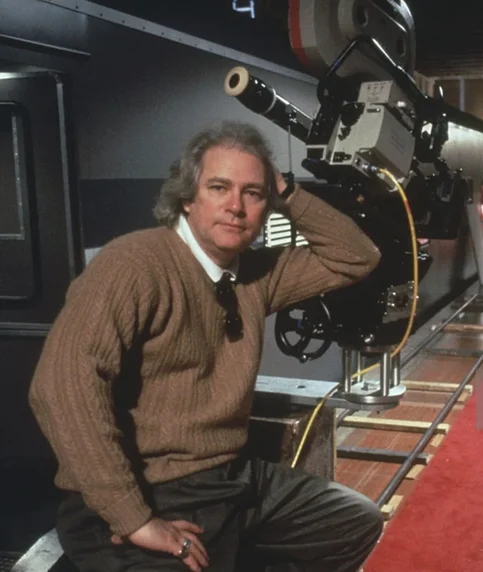
Barry Levinson is an esteemed American filmmaker, screenwriter, and television producer whose work spans over four decades. Born on April 6, 1942, in Baltimore, Maryland, Levinson’s career has been marked by a series of critically acclaimed and commercially successful films. He is best known for directing such classics as “Diner,” “Rain Man,” and “Good Morning, Vietnam.” Levinson’s ability to blend compelling storytelling with insightful character development has earned him numerous accolades, including an Academy Award for Best Director for “Rain Man.” His career has not only influenced the film industry but has also left a lasting impact on the cultural landscape of American cinema.
PERSONAL INFORMATION
| Name | Barry Levinson |
|---|---|
| Place of Birth | Baltimore |
| Nationality | United States |
| Date of Birth | 06 April 1942 |
| Age | 83 Years |
| Zodiac Sign | Aries |
| Languages Spoken | English |
| Gender | Male |
| Native Name | Barry Levinson |
| Native Language | English |
| Residence | Redding |
FAMILY
| Spouse | Valerie Curtin |
|---|---|
| Children | Sam Levinson, Jack Levinson |
EDUCATION
| Educated At | Baltimore City Community College, Forest Park High School, American University, American University School of Communication |
|---|
CAREER
| Profession | film director, screenwriter, actor, film producer, director |
|---|---|
| Awards Received | Laurel Award for Screenwriting Achievement, Writers Guild of America Award, Directors Guild of America Award, Academy Award for Best Director, Primetime Emmy Award for Outstanding Directing for a Drama Series, Primetime Emmy Award for Outstanding Writing for a Miniseries, Movie or a Dramatic Special, Golden Bear, Silver Bear Grand Jury Prize |
| Nominations | Academy Award for Best Director, Academy Award for Best Director, Academy Award for Best Writing, Original Screenplay, Academy Award for Best Writing, Original Screenplay, Academy Award for Best Writing, Original Screenplay, Academy Award for Best Picture |
| Work Period Start | 1970 |
SOCIAL MEDIA & LINKS
| IMDB ID | nm0001469 |
|---|---|
| Official Website | http://www.levinson.com |
| Wikipedia | Wikipedia |
Cost of becoming
The journey to becoming a renowned filmmaker like Barry Levinson was not without its challenges. Levinson’s early exposure to the film industry came through his work on television, where he honed his skills and built a network of collaborators. His initial films, including “Diner” and “Tin Man,” were critical in establishing his unique storytelling style and attracted the attention of major studios. However, the path to success was paved with the financial and emotional toll of pursuing his dreams, including the pressures of meeting high expectations and the constant need to innovate and stay relevant in a competitive industry.
Identity before fame
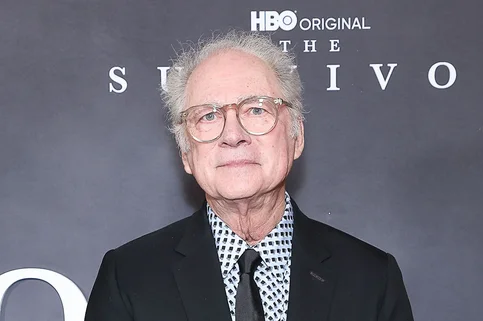
Before achieving widespread recognition, Barry Levinson worked in various roles within the entertainment industry. He began his career as a comedy writer for television shows, including “The Carol Burnett Show” and “All in the Family.” This experience provided him with a deep understanding of the nuances of comedy and character, skills that would later be instrumental in his directorial work. His roots in Baltimore and his Jewish heritage also played a significant role in shaping his identity and influencing his storytelling, often infusing his films with a sense of community and personal reflection.
Timeline
- 1942: Barry Levinson is born on April 6 in Baltimore, Maryland.
- 1969: Levinson begins his career as a comedy writer for television, working on shows like “The Carol Burnett Show.”
- 1976: He collaborates with John Landis on the comedy film “The Kentucky Fried Movie.”
- 1982: Levinson makes his directorial debut with the film “Diner,” which receives critical acclaim.
- 1986: He directs “Good Morning, Vietnam,” starring Robin Williams, which becomes a box office hit.
- 1988: Levinson directs “Rain Man,” starring Dustin Hoffman and Tom Cruise, and wins the Academy Award for Best Director.
- 1991: He directs “Bugsy,” a biographical film about gangster Bugsy Siegel.
- 1994: Levinson directs “The Man Without a Face,” starring Mel Gibson.
- 2000: He directs the HBO miniseries “Band of Brothers,” which wins numerous awards.
- 2015: Levinson directs “The Humbling,” an independent film starring Al Pacino.
Favourites
- Favorite Film to Direct: “Rain Man” (1988)
- Favorite Actor to Work With: Robin Williams
- Favorite Genre: Drama
- Favorite Scriptwriter: Eric Roth (co-writer of “Rain Man”)
- Favorite Cinematographer: Owen Roizman (worked on “Diner” and “Good Morning, Vietnam”)
- Favorite Director: Martin Scorsese
- Favorite Film of All Time: “On the Waterfront” (1954)
- Favorite Book: “The Great Gatsby” by F. Scott Fitzgerald
- Favorite Musician: Bob Dylan
- Favorite Place to Film: Baltimore, Maryland
Controversies
- Controversial Casting Choices: Some of Levinson’s casting decisions, such as choosing Dustin Hoffman for “Rain Man,” were initially met with skepticism due to Hoffman’s age and lack of experience with autism.
- Political Statements in Films: Levinson’s films often touch on political and social issues, which can be polarizing, such as the criticism of corporate America in “Wag the Dog.”
- Allegations of Misconduct: In 2018, Levinson was accused of sexually harassing a former employee, though he denied the allegations.
- Unsuccessful Projects: Some of Levinson’s films, like “Bugsy” and “Avalon,” received mixed reviews and did not perform as well commercially as expected.
- Legal Disputes: Levinson has been involved in legal disputes over his films, including a lawsuit over the rights to “Rain Man.”
- Controversial Interviews: Levinson has made controversial statements in interviews, such as his criticism of the film industry and its treatment of independent filmmakers.
- Documentary Controversies: His documentaries, such as “The Law and Mr. Jones,” have sometimes been criticized for their unflattering portrayals of subjects.
- Allegations of Bias: Levinson’s films have been accused of bias, particularly in “Wag the Dog,” which some interpreted as a critique of specific political figures or events.
- Public Statements on Social Issues: Levinson has made public statements on various social issues, including gun control and the treatment of veterans, which have stirred debate.
- Production Challenges: Some of his films, like “The Humbling,” faced production challenges and budget overruns, leading to delays and increased costs.
Control vs chaos
Barry Levinson’s approach to filmmaking often balances the need for control with the inherent chaos of the creative process. He is known for his meticulous attention to detail and the careful crafting of his narratives, yet he also recognizes the importance of allowing room for spontaneity and improvisation. This balance is evident in his collaborations with actors, where he encourages them to bring their own interpretations to their roles while maintaining a clear vision for the overall project. This duality has been a key factor in the success and depth of his films, allowing them to resonate with audiences on multiple levels.
Emotional geography
Barry Levinson’s films often explore the emotional landscapes of his characters, delving into themes of identity, family, and personal growth. His connection to his roots in Baltimore and his Jewish heritage infuses his work with a sense of place and cultural significance. This emotional geography is particularly evident in films like “Avalon” and “Diner,” which are set in Baltimore and draw on his personal experiences and memories. Levinson’s ability to create rich, multi-dimensional characters who are deeply rooted in their environments is a hallmark of his filmmaking, making his work both personal and universally relatable.
FAQs
-
What is Barry Levinson’s most famous film?
Barry Levinson’s most famous film is “Rain Man” (1988), which won him the Academy Award for Best Director.
-
What are some of Levinson’s other notable films?
Some of Levinson’s other notable films include “Diner” (1982), “Good Morning, Vietnam” (1987), “Bugsy” (1991), and “Wag the Dog” (1997).
-
Where was Barry Levinson born?
Barry Levinson was born in Baltimore, Maryland, on April 6, 1942.
-
What was Levinson’s first job in the film industry?
Levinson’s first job in the film industry was as a comedy writer for television shows, including “The Carol Burnett Show” and “All in the Family.”
-
How did “Rain Man” change Levinson’s career?
“Rain Man” significantly elevated Levinson’s status in the film industry, winning him the Academy Award for Best Director and establishing him as a major filmmaker.
-
What is Levinson’s approach to directing?
Levinson is known for his meticulous attention to detail and his ability to balance control with creativity, allowing room for actors to bring their own interpretations to their roles.
-
What themes are common in Levinson’s films?
Common themes in Levinson’s films include identity, family, personal growth, and the impact of social and political issues on individuals.
-
How has Levinson’s work influenced the film industry?
Levinson’s work has influenced the film industry through his innovative storytelling, character development, and his exploration of complex themes, inspiring a new generation of filmmakers.
-
What is Levinson’s involvement in television?
Levinson has directed several television series and miniseries, including the acclaimed HBO miniseries “Band of Brothers” (2001) and “Show Me a Hero” (2015).
-
Has Levinson faced any controversies in his career?
Yes, Levinson has faced controversies, including allegations of sexual harassment and criticism for some of his more polarizing films.
-
What is Levinson’s opinion on the current state of the film industry?
Levinson has been critical of the film industry’s treatment of independent filmmakers and the increasing focus on blockbuster franchises over character-driven dramas.
-
What are some of Levinson’s recent projects?
Some of Levinson’s recent projects include directing the film “The Humbling” (2015) and the documentary “The Tin Can Man” (2014).
-
How does Levinson balance his personal life with his career?
Levinson has spoken about the challenges of balancing his personal life with his demanding career, emphasizing the importance of family and taking time for personal interests.
-
What is Levinson’s favorite genre to work in?
Levinson’s favorite genre is drama, though he has also directed successful comedies and political thrillers.
-
How has Levinson’s Jewish heritage influenced his work?
Levinson’s Jewish heritage has deeply influenced his work, often infusing his films with themes of community, identity, and the immigrant experience.
-
What advice does Levinson offer to aspiring filmmakers?
Levinson advises aspiring filmmakers to remain true to their vision, never compromise on their artistic integrity, and always be willing to learn and grow.