
Bob Fosse, a name synonymous with the golden age of Broadway and Hollywood, was an American dancer, choreographer, actor, and director. His unique dance style, characterized by its exaggerated movements, syncopated rhythms, and precise choreography, revolutionized the world of dance and left an indelible mark on the entertainment industry. Fosse’s career spanned several decades, and his influence continues to be felt today. From his early days as a dancer to his groundbreaking work in musicals and films, Fosse’s legacy is a testament to his artistic vision and relentless pursuit of perfection.
PERSONAL INFORMATION
| Name | Bob Fosse |
|---|---|
| Nationality | United States |
| Place of Birth | Chicago |
| Place of Death | George Washington University Hospital |
| Date of Birth | 23 June 1927 |
| Age at Death | 60 Years |
| Zodiac Sign | Cancer |
| Date of Death | 23 September 1987 |
| Birth Name | Robert Louis Fosse |
| Languages Spoken | English |
| Gender | Male |
| Native Name | Bob Fosse |
| Native Language | American English |
FAMILY
| Spouse | Joan McCracken, Gwen Verdon, Mary Ann Niles |
|---|---|
| Partner | Ann Reinking, Jennifer Nairn-Smith |
| Children | Nicole Fosse |
EDUCATION
| Educated At | Amundsen High School |
|---|
CAREER
| Profession | film director, film actor, choreographer, screenwriter, actor, theatrical director, author, librettist, dancer, ballet dancer, director |
|---|---|
| Awards Received | Emmy Award, Academy Award for Best Director, Tony Award for Best Direction of a Musical, Capezio Dance Award, National Board of Review Award for Best Film, BAFTA Award for Best Direction, Laurence Olivier Award for Best Theatre Choreographer, American Choreography Awards |
| Nominations | Academy Award for Best Director, Academy Award for Best Director, Academy Award for Best Director, Academy Award for Best Writing, Original Screenplay, Tony Award for Best Direction of a Musical, Tony Award for Best Direction of a Musical, Tony Award for Best Direction of a Musical, Tony Award for Best Direction of a Musical, Tony Award for Best Direction of a Musical, Tony Award for Best Actor in a Musical |
| Work Period Start | 1947 |
| Genre | musical |
| Notable Works | Cabaret, Lenny, All That Jazz |
Cost of becoming
The journey to becoming a legendary figure in the world of dance and theater was not without its challenges for Bob Fosse. Growing up in Chicago, Fosse faced numerous obstacles, including a father who discouraged his artistic aspirations. Despite this, Fosse’s determination and passion for dance drove him to pursue his dreams relentlessly. He worked tirelessly to hone his skills, often practicing for hours on end. His dedication to his craft and his willingness to take risks ultimately paid off, but it came at a significant personal cost. The grueling hours and intense focus on his work often strained his relationships and took a toll on his health. Yet, Fosse’s unwavering commitment to his artistry set the foundation for his unparalleled success in the entertainment industry.
Identity before fame
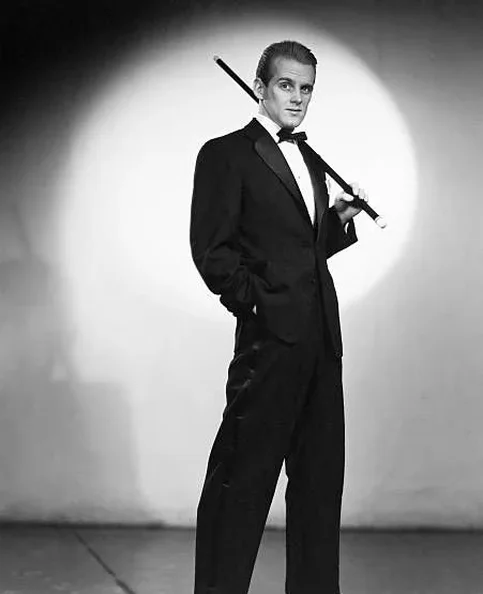
Before he became a household name, Bob Fosse was a young man from Chicago with a deep passion for dance. Born on June 23, 1927, Fosse grew up in a family that did not fully support his artistic ambitions. Despite the lack of encouragement, his early exposure to vaudeville and the performing arts ignited a fire within him. Fosse began his career as a teenager, performing in local dance clubs and theaters. These early experiences provided him with valuable training and exposure, setting the stage for his future success. His ability to blend his unique dance style with a deep understanding of performance art was evident even in his early works, hinting at the innovative and influential artist he would become.
Timeline
- 1927: Bob Fosse is born in Chicago, Illinois.
- 1941: Begins performing in local dance clubs and theaters.
- 1947: Makes his Broadway debut in the musical Call Me Mister.
- 1953: Choreographs his first Broadway show, Pal Joey.
- 1959: Wins his first Tony Award for Best Choreography for Redhead.
- 1969: Directs and choreographs the film Sweet Charity, which becomes a critical success.
- 1972: Wins the Academy Award for Best Director for All That Jazz.
- 1983: Receives the Kennedy Center Honors for his contributions to American culture.
- 1987: Directs and choreographs the Broadway revival of The Music Man.
- 1987: Passes away on September 23, 1987, leaving behind a legacy of innovation and artistry.
Favourites
- Favorite musical: Chicago
- Favorite film: All That Jazz
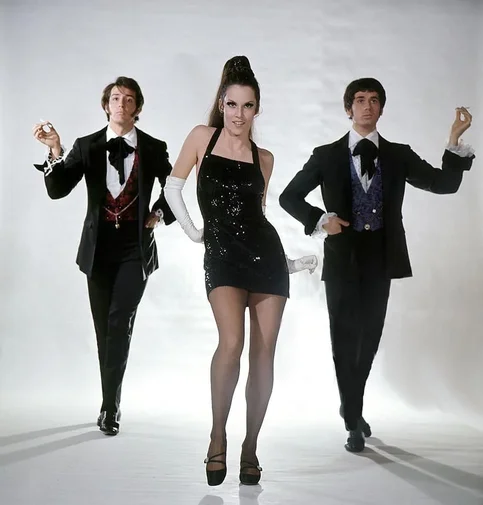
- Favorite choreography: The “Rich Man’s Frug” from Little Me
- Favorite dance move: The Fosse kick
- Favorite style: Jazz dance
- Favorite actor: Richard Dreyfuss
- Favorite actress: Liza Minnelli
- Favorite director: Orson Welles
- Favorite composer: John Kander
- Favorite playwright: Neil Simon

Controversies
- His intense and often demanding rehearsal methods led to conflicts with performers and crew members.
- Fosse’s personal life was marked by several marriages and high-profile relationships, which often drew media scrutiny.
- His use of sexual themes and explicit content in his work, particularly in All That Jazz, was a point of controversy and criticism.
- Fosse’s health struggles, including his chain-smoking habit and heart problems, were often the subject of public and media attention.
- His perfectionism and attention to detail sometimes resulted in delays and budget overruns on his projects.
- Some of his choreography was criticized for being overly stylized and lacking emotional depth.
- Fosse’s relationship with Liza Minnelli, both personally and professionally, was often fraught with tension and public disputes.
- His use of drugs and alcohol to cope with the pressures of his career was a well-documented and controversial aspect of his life.
- Some critics accused Fosse of favoring his male dancers and marginalizing female performers in his choreography.
- Fosse’s penchant for reimagining and reworking his previous works sometimes led to accusations of self-plagiarism.
Control vs Chaos
Bob Fosse’s artistic vision was a delicate balance between control and chaos. His choreography was meticulously crafted, with every movement and gesture carefully planned and executed. This control was a hallmark of his style, ensuring that his performances were precise and visually stunning. However, Fosse also embraced a sense of chaos, allowing for moments of raw emotion and spontaneity to shine through. This juxtaposition of control and chaos was evident in his work, from the structured and disciplined routines of his Broadway shows to the more free-form and improvisational elements of his film directing. This balance allowed Fosse to create works that were both technically impressive and emotionally resonant, cementing his status as a visionary artist.
Emotional Geography
Bob Fosse’s emotional geography was a complex landscape of passion, drive, and vulnerability. His artistic expression was deeply rooted in his personal experiences and emotional struggles. The intensity of his work often mirrored the tumultuous nature of his personal life, reflecting the highs and lows of his relationships and career. Fosse’s ability to channel his emotions into his art allowed him to create works that resonated deeply with audiences, touching on universal themes of love, loss, and the human condition. This emotional depth and authenticity were key factors in his enduring legacy, as his art continued to speak to people long after his passing.
FAQs
-
Who was Bob Fosse?
Bob Fosse was an American dancer, choreographer, actor, and director known for his unique dance style and significant contributions to Broadway and Hollywood. His innovative choreography and direction revolutionized the entertainment industry.
-
What is Bob Fosse’s most famous work?
Bob Fosse is perhaps best known for his work on the musical Chicago, which he both directed and choreographed. The show’s success led to a long-running Broadway run and a successful film adaptation.
-
How did Bob Fosse start his career?
Fosse began his career as a teenager, performing in local dance clubs and theaters in Chicago. His early exposure to vaudeville and the performing arts laid the foundation for his future success.
-
What is the Fosse kick?
The Fosse kick is a signature dance move associated with Bob Fosse’s choreography. It involves a high kick with the leg extended straight, often accompanied by a sharp, exaggerated movement.
-
Did Bob Fosse win any awards?
Yes, Bob Fosse won numerous awards throughout his career, including multiple Tony Awards for Best Choreography, an Academy Award for Best Director for All That Jazz, and the Kennedy Center Honors.
-
What was Bob Fosse’s relationship with Liza Minnelli?
Bob Fosse and Liza Minnelli had a complex and often tumultuous relationship. They were married from 1964 to 1971, and Fosse directed several of Minnelli’s most notable performances, including Cabaret and Flora, the Red Menace.
-
What is Bob Fosse’s style of dance?
Bob Fosse’s style of dance is characterized by angular, precise movements, syncopated rhythms, and a focus on the isolation of body parts. His choreography often featured a blend of jazz dance, vaudeville, and burlesque elements.
-
What are some of Bob Fosse’s notable film directorial works?
Some of Bob Fosse’s notable film directorial works include Sweet Charity (1969), Cabaret (1972), and All That Jazz (1979). Each of these films showcased his unique blend of storytelling and choreography.
-
What was Bob Fosse’s impact on Broadway?
Bob Fosse’s impact on Broadway was significant. His innovative choreography and directorial style transformed the way musicals were staged, influencing generations of choreographers and directors. His works, such as Chicago and Dancin’, continue to be performed and celebrated today.
-
What is the legacy of Bob Fosse?
Bob Fosse’s legacy is one of artistic innovation and excellence. His unique dance style and groundbreaking work in musical theater and film have had a lasting impact on the entertainment industry. His influence can be seen in the work of many contemporary choreographers and directors.
-
Did Bob Fosse have any notable health issues?
Yes, Bob Fosse had several health issues throughout his life, including heart problems and a chain-smoking habit. These health issues often affected his work and personal life, but he continued to create and perform until the end of his career.
-
What was Bob Fosse’s approach to choreography?
Bob Fosse’s approach to choreography was meticulous and detail-oriented. He spent countless hours perfecting each movement and gesture, ensuring that his performances were both visually stunning and emotionally impactful. His choreography often reflected his own personal experiences and emotional struggles, adding depth and authenticity to his work.
-
What is the significance of Bob Fosse’s Broadway debut?
Bob Fosse’s Broadway debut in Call Me Mister in 1947 marked the beginning of his career in the theater. This early experience provided him with valuable exposure and set the stage for his future success as a dancer, choreographer, and director.