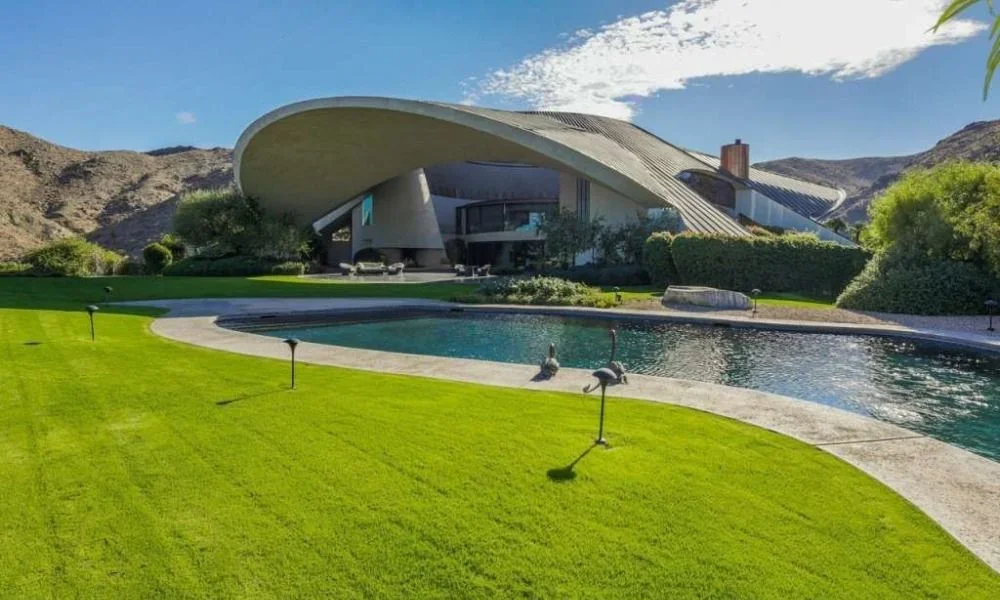
Bob Hope, a name synonymous with comedy and entertainment, left an indelible mark on the American cultural landscape. Born Leslie Townes Hope on May 29, 1903, in Eltham, London, England, Bob Hope moved to the United States with his family at a young age. His journey from a struggling vaudeville performer to a Hollywood legend is a testament to his resilience, charisma, and unparalleled talent. Hope’s career spanned seven decades, and he entertained millions through his films, stand-up comedy, and numerous appearances on stage and television. His contributions to the entertainment industry and his dedicated service to U.S. troops made him a beloved national treasure.
PERSONAL INFORMATION
| Name | Bob Hope |
|---|---|
| Place of Birth | Eltham |
| Place of Death | Toluca Lake |
| Nationality | United States, United Kingdom |
| Date of Birth | 29 May 1903 |
| Age at Death | 100 Years |
| Zodiac Sign | Gemini |
| Date of Death | 27 July 2003 |
| Birth Name | Leslie Townes Hope |
| Religion | Catholicism |
| Gender | Male |
| Signature |  |
| Native Name | Bob Hope |
| Languages Spoken | English |
| Native Language | English |
FAMILY
| Spouse | Dolores Hope |
|---|---|
| Siblings | Jack Hope |
CAREER
| Profession | comedian, singer, writer, screenwriter, television actor, boxer, radio personality, film actor, television presenter, stage actor, voice actor, dancer, actor |
|---|---|
| Awards Received | Knight Grand Officer of the Order of St. Gregory the Great, Peabody Awards, National Medal of Arts, Presidential Medal of Freedom, Knight of St. Sylvester, Jean Hersholt Humanitarian Award, Ronald Reagan Freedom Award, Library of Congress Living Legend, Congressional Gold Medal, Screen Actors Guild Life Achievement Award, Medal of Liberty, Horatio Alger Award, Kennedy Center Honors, World Golf Hall of Fame, honorary doctor of the Ohio State University, Knight Commander of the Order of the British Empire, Golden Plate Award, Order of St. Gregory the Great, Golden Globe Awards, Emmy Award, Actor Awards, star on Hollywood Walk of Fame, Academy Honorary Award, Academy Honorary Award, Academy Honorary Award, Academy Honorary Award, Trustees Award |
| Record Label | RCA Victor |
| Instruments | voice |
| Work Period Start | 1919 |
| Work Period End | 1997 |
SOCIAL MEDIA & LINKS
| IMDB ID | nm0001362 |
|---|---|
| Official Website | http://www.bobhope.com/ |
| YouTube Channel | UCi-_Yf-63KdxuqovUDa7vYg |
| Wikipedia | Wikipedia |
Cost of becoming
The journey to fame for Bob Hope was not without its challenges. Early in his career, Hope faced numerous setbacks and rejections. He started in vaudeville, a highly competitive and often unforgiving world. The financial strain of pursuing his dreams was significant, and there were times when he struggled to make ends meet. However, Hope’s persistence and adaptability ultimately paid off. His willingness to transform his act, take risks, and embrace new opportunities laid the foundation for his success. The cost of becoming a legend was steep, but Hope’s unwavering dedication and humor helped him overcome every obstacle.
Identity before fame
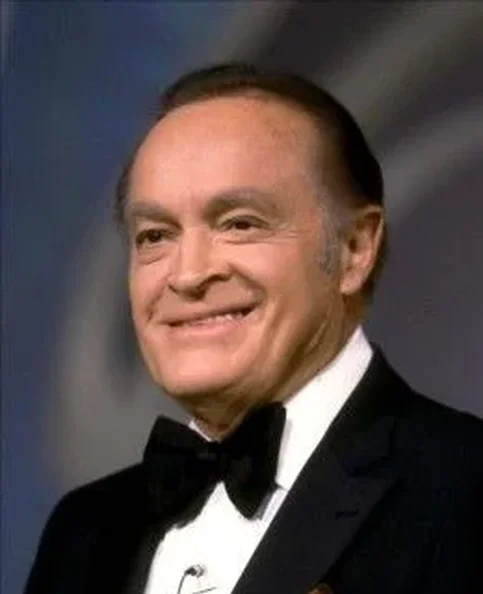
Before he became a household name, Bob Hope led a life that was far from glamorous. Born to a British family of modest means, Hope’s early years were marked by hard work and perseverance. He attended school in Cleveland, Ohio, and took on various jobs to support his family, including working as a newsboy and a shoe salesman. It was during these formative years that Hope discovered his love for performing. He joined local theater groups and began honing his comedic skills, laying the groundwork for the entertainer he would become. His early experiences shaped his character and instilled in him a sense of determination that would serve him well throughout his career.
Timeline
- 1903: Born Leslie Townes Hope in Eltham, London, England.
- 1908: Moves to the United States with his family and settles in Cleveland, Ohio.
- 1920: Begins performing in vaudeville, marking the start of his entertainment career.
- 1933: Makes his film debut in the movie “The Big Broadcast.”
- 1938: Stars in “The Cat and the Canary,” a film that boosts his popularity.
- 1940: Hosts his first USO show for troops, a tradition he would continue for over 50 years.
- 1941: Wins the Best Actor Oscar for his role in “The Ghost Breakers.”
- 1950: Launches “The Bob Hope Show” on radio and television, which becomes a long-running success.
- 1960: Receives the Presidential Medal of Freedom from President Lyndon B. Johnson.
- 2003: Dies at the age of 100, leaving behind a legacy of laughter and service.
Favourites
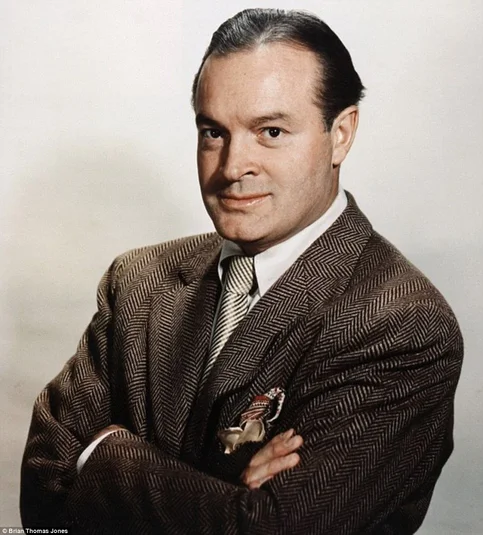
- Favorite city: Los Angeles, California
- Favorite hobby: Golfing
- Favorite TV show: “The March of Time” (an early newsreel series)
- Favorite film: “The Ghost Breakers” (1941)
- Favorite book: “The Canterbury Tales” by Geoffrey Chaucer
- Favorite food: Steak
- Favorite actors: James Stewart and Bing Crosby
- Favorite charity: Various military and veteran organizations
- Favorite pastime: Traveling and entertaining troops
- Favorite quote: “The only way to stay young is to laugh as often as possible.”
Controversies
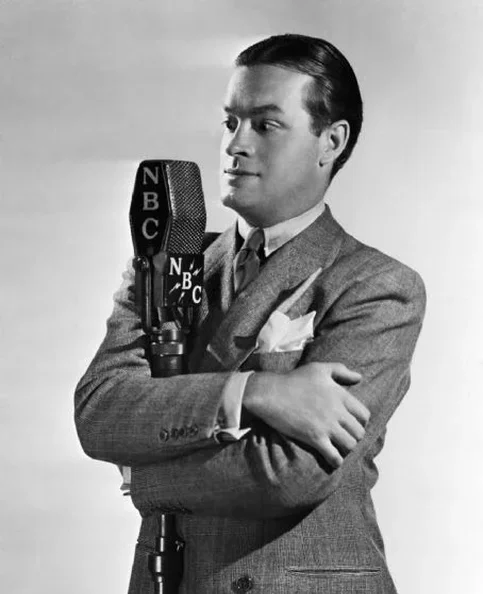
- Hope’s support of Richard Nixon during the Watergate scandal, which led to criticism from some fans and colleagues.
- His controversial remarks about women and minorities during his early stand-up comedy shows, which are now considered insensitive.
- The public fallout from his relationship with his wife, Dolores Hope, particularly during the 1970s and 1980s.
- His involvement in the production of the film “The Private Navy of Gedanken,” which was panned by critics and audiences alike.
- Hope’s sometimes contentious relationships with fellow comedians and performers, particularly during the competitive vaudeville era.
- His perceived conservative political views and support for the Vietnam War, which alienated some progressive fans.
- The controversy surrounding his late-night TV appearances, where he sometimes engaged in controversial banter with guests.
- His role in thefluttering of some military and political controversies, such as the “Christmas shows” in Vietnam.
- His handling of the estate and legacy after his death, which led to legal disputes and public scrutiny.
- The criticism he faced for his occasional insensitive remarks during his USO tours, particularly regarding the living conditions of troops.
Control vs chaos
Throughout his career, Bob Hope maintained a delicate balance between control and chaos. On stage, he was a master of timing and precision, delivering punchlines with impeccable control. Behind the scenes, however, his life was often marked by chaos and unpredictability. From managing the logistics of his extensive USO tours to navigating the treacherous waters of Hollywood politics, Hope faced numerous challenges that tested his resilience. His ability to maintain a sense of humor and control amidst chaos was a defining aspect of his character, allowing him to thrive in a fast-paced and often unpredictable industry.
Emotional geography
Bob Hope’s emotional geography was a complex landscape of joy, service, and personal struggle. His ability to bring laughter and entertainment to millions was rooted in a deep sense of empathy and a desire to connect with his audience. His USO tours, in particular, were a profound expression of his emotional commitment to the troops, many of whom were far from home and in need of a morale boost. Despite the challenges and controversies he faced, Hope’s emotional geography was characterized by a genuine love for his country, his fans, and his family. His legacy is a testament to his ability to navigate the emotional highs and lows of life with grace and humor.
FAQs
-
What was Bob Hope’s birth name?
Bob Hope’s birth name was Leslie Townes Hope.
-
When was Bob Hope born?
Bob Hope was born on May 29, 1903, in Eltham, London, England.
-
What was Bob Hope’s first job?
Bob Hope’s first job was working as a newsboy and a shoe salesman in Cleveland, Ohio.
-
How did Bob Hope start his entertainment career?
Bob Hope began his entertainment career in vaudeville, performing in local theater groups and honing his comedic skills.
-
What was Bob Hope’s first film?
Bob Hope’s first film was “The Big Broadcast” in 1933.
-
What is Bob Hope’s most famous film?
One of Bob Hope’s most famous films is “The Ghost Breakers” (1941), for which he won the Best Actor Oscar.
-
How many USO tours did Bob Hope perform?
Bob Hope performed over 50 USO tours, entertaining troops around the world for over half a century.
-
What was Bob Hope’s favorite hobby?
Bob Hope’s favorite hobby was golfing.
-
Did Bob Hope receive any significant awards?
Yes, Bob Hope received numerous awards, including the Presidential Medal of Freedom in 1960.
-
What was Bob Hope’s stance on political issues?
Bob Hope was generally known for his conservative political views and he supported several Republican presidents, including Richard Nixon.
-
Did Bob Hope face any controversies?
Yes, Bob Hope faced several controversies, including his support for Richard Nixon during the Watergate scandal and his occasional insensitive remarks during his early performances.
-
How did Bob Hope contribute to charity?
Bob Hope was a dedicated philanthropist and supported various military and veteran organizations throughout his life.
-
What was Bob Hope’s relationship with his wife, Dolores Hope?
Bob Hope was married to Dolores Hope for over 60 years, and their relationship was marked by both strong partnership and some public disputes.
-
What is Bob Hope’s legacy?
Bob Hope’s legacy is one of unparalleled entertainment, service to the military, and a lifetime of bringing laughter and joy to millions of people around the world.
-
When did Bob Hope pass away?
Bob Hope passed away on July 27, 2003, at the age of 100.