
Calvin Klein, a name synonymous with modern fashion, luxury, and innovation, has left an indelible mark on the fashion industry. Born in 1942 in New York City, Klein’s journey from a young boy with a passion for art to a global fashion icon is nothing short of remarkable. His designs have not only influenced runway trends but have also shaped the way people perceive and wear clothing. From his early days running a small store in Manhattan to his groundbreaking underwear campaigns, Calvin Klein has always been at the forefront of fashion, redefining elegance and simplicity. In this article, we will delve into his life, career, and the controversies that have surrounded him, providing a comprehensive look at one of the most influential figures in the fashion world.
PERSONAL INFORMATION
| Name | Calvin Klein |
|---|---|
| Gender | Male |
| Nationality | United States |
| Place of Birth | The Bronx |
| Date of Birth | 19 November 1942 |
| Age | 83 Years |
| Zodiac Sign | Scorpio |
| Birth Name | Calvin Richard Klein |
| Residence | Southampton |
| Languages Spoken | English |
| Native Name | Calvin Klein |
| Native Language | English |
FAMILY
| Children | Marcus Lloyd |
|---|
EDUCATION
| Educated At | Art Students League of New York, Fashion Institute of Technology, High School of Art and Design, IESE Business School |
|---|
CAREER
| Profession | designer, fashion designer, actor, businessperson |
|---|---|
| Awards Received | CFDA Lifetime Achievement Award |
| Work Period Start | 1968 |
| Career Start | 2001 |
| Field of Work | fashion design |
Cost of becoming
The path to stardom for Calvin Klein was not an easy one. Born to a first-generation Jewish family, Klein faced numerous challenges and obstacles on his journey to becoming a renowned designer. He attended the Fashion Institute of Technology (FIT) in New York City, where he honed his skills and developed a keen eye for design. Despite his talent, Klein started his career with limited resources, working in a small women’s coat manufacturing firm. He invested his savings and borrowed money to launch his own label in 1968. The early years were marked by financial struggles, but Klein’s determination and innovative designs eventually gained the attention of the fashion world. His relentless pursuit of perfection and his ability to identify and capitalize on market trends were key factors in his success. The cost of becoming a household name was not just financial but also required a deep commitment to his craft and a willingness to take risks.

Identity before fame
Before he became a household name in the fashion industry, Calvin Klein was a young man with a passion for art and design. Growing up in New York City, Klein’s creative talents were nurtured from an early age. He was encouraged by his mother, who recognized his artistic abilities and supported his aspirations. Klein’s interest in fashion was further fueled by his frequent visits to museums and art galleries. He began sketching and designing clothes at a young age, which laid the foundation for his future career. After graduating from FIT, Klein worked for a women’s suit manufacturer, where he gained valuable experience and honed his skills. Despite the long hours and low pay, Klein remained committed to his dream. His early experiences in the fashion industry, though challenging, provided him with the necessary skills and insights to succeed in a highly competitive field.
Timeline
- 1942 – Calvin Klein is born in New York City.
- 1961 – Klein enrolls at the Fashion Institute of Technology (FIT) in New York City.
- 1966 – Klein graduates from FIT and begins working for a women’s coat manufacturing firm.
- 1968 – Klein launches his own label with a $10,000 loan and investments from his relatives.
- 1968 – His first collection, consisting of sportswear and coats, receives critical acclaim and is featured in Vogue magazine.
- 1970 – Klein wins the Coty Fashion Critics’ Award, marking the beginning of his rise to fame.
- 1973 – Klein launches his first menswear collection, further expanding his brand’s reach.
- 1978 – Calvin Klein launches his first fragrance, “CK One,” which becomes a bestseller.
- 1982 – Klein introduces his first line of men’s underwear, which becomes a cultural phenomenon and a symbol of sexuality and masculinity.
- 2002 – Calvin Klein sells his brand to the PVH Corporation for $430 million, although he remains involved in the company for several years.
Favourites
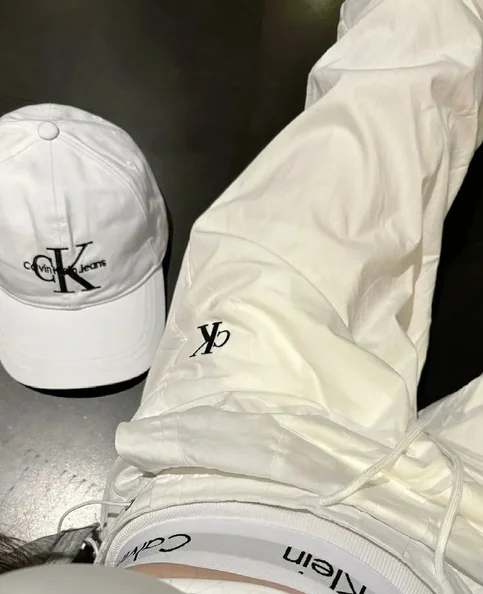
- Favorite Color: Klein’s favorite color has often been described as black, which he frequently used in his minimalist designs.
- Favorite Fabric: Cotton, known for its comfort and versatility, was a staple in many of Klein’s collections.
- Favorite City: New York City, where he was born and spent much of his career, remains a significant influence on his work.
- Favorite Art Movement: Minimalism, which aligns with Klein’s philosophy of simplicity and clean lines in design.
- Favorite Designers: Yves Saint Laurent and Giorgio Armani, whose work he admired and drew inspiration from.
- Favorite Fragrance: “CK One,” the first unisex fragrance that he launched, which became a cultural icon.
- Favorite Food: Klein was known to enjoy simple, health-conscious meals, reflecting his lifestyle and minimalist approach.
- Favorite Holiday Destination: The Hamptons, where he often retreated for relaxation and inspiration.
- Favorite Hobby: Collecting art, which he did with a discerning eye and a passion for contemporary works.
Controversies
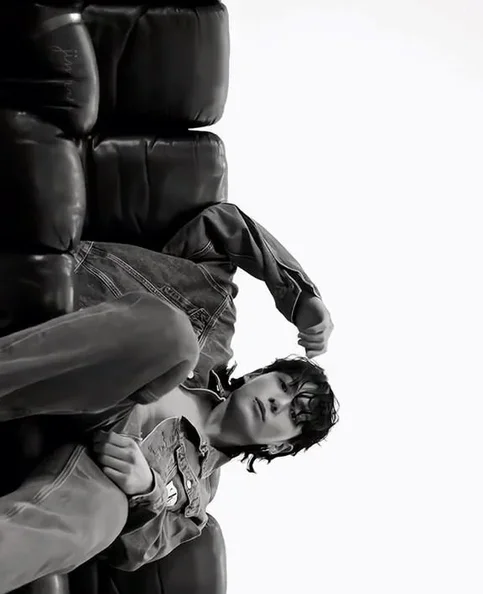
- Underage Model Campaigns: In the 1990s, Klein came under fire for using young models in provocative advertising campaigns, which sparked debates about the exploitation of youth and the sexualization of children.
- Animal Rights Issues: Klein’s use of fur in some of his collections led to criticism from animal rights activists and organizations.
- Trademark Disputes: Klein faced several legal battles over the years, including trademark disputes with competitors and retailers.
- Salary Dispute with PVH: After selling his company to PVH, Klein was involved in a salary dispute over bonus payments, which led to a public feud with the company.
- Health Rumors: Rumors about Klein’s health, including speculations about his sexuality and substance abuse, have circulated over the years, though many were unsubstantiated.
- Environmental Impact: Critics have raised concerns about the environmental impact of Klein’s massive production and marketing operations, particularly in relation to the fast fashion industry.
- Gender Representation: Some of Klein’s advertising campaigns have been criticized for perpetuating gender stereotypes and objectifying women and men.
- Labor Practices: There have been allegations of poor labor practices in factories producing Calvin Klein clothing, leading to calls for greater transparency and accountability.
- Misleading Marketing: Klein has been accused of using misleading marketing techniques, such as exaggerating the benefits of certain products or using celebrity endorsements to create a false image of luxury.
- Personal Relationships: Klein’s relationships, both personal and professional, have sometimes been the subject of media speculation and controversy, particularly his marriage and divorce from Kelly Klein.
Control vs chaos
Calvin Klein’s approach to design and business has always been characterized by a balance of control and chaos. On one hand, Klein is known for his meticulous attention to detail and his commitment to maintaining the highest standards of quality. His minimalist designs, which emphasize simplicity and clean lines, reflect a strong sense of control and a desire to create timeless pieces that stand the test of time. On the other hand, Klein’s innovative marketing strategies and bold advertising campaigns often push the boundaries of what is considered acceptable, introducing an element of chaos and unpredictability. This duality has been a defining feature of his career, allowing him to stay relevant and influential in an ever-changing industry. Whether through his precise designs or his provocative campaigns, Klein has consistently demonstrated an ability to navigate the fine line between control and chaos, creating a unique brand identity that resonates with a wide audience.
Emotional geography
Calvin Klein’s emotional geography is deeply rooted in the city of New York, where he was born and raised. The vibrant and fast-paced environment of the city has had a profound impact on his work, influencing his design aesthetics and his approach to business. New York City, with its diverse cultural landscape and dynamic energy, provided Klein with a rich source of inspiration and a platform to showcase his talent. The city’s art scene, in particular, played a significant role in shaping his artistic sensibilities, as he frequently visited galleries and museums to explore different forms of expression. Despite his international success, Klein has maintained a strong connection to his roots, often citing New York as a constant source of inspiration and a reminder of his humble beginnings. This emotional tie to the city has not only informed his creative process but has also influenced his personal values and the way he interacts with the world around him.

FAQs
-
What is Calvin Klein’s birth date?
Calvin Klein was born on November 19, 1942, in New York City.
-
Where did Calvin Klein attend school?
Calvin Klein attended the Fashion Institute of Technology (FIT) in New York City, where he studied fashion design.
-
When did Calvin Klein launch his first collection?
Calvin Klein launched his first collection in 1968, consisting of sportswear and coats.
-
What is Calvin Klein’s most famous fragrance?
Calvin Klein’s most famous fragrance is “CK One,” which was launched in 1994 and became a cultural icon.
-
What was the controversy surrounding Calvin Klein’s underwear campaigns?
The controversy surrounding Calvin Klein’s underwear campaigns in the 1990s centered on the use of young, underage models in provocative advertising, which sparked debates about the sexualization of youth.
-
How did Calvin Klein start his career?
Calvin Klein started his career working for a women’s coat manufacturing firm, where he gained valuable experience before launching his own label in 1968.
-
What is the philosophy behind Calvin Klein’s minimalist designs?
Calvin Klein’s minimalist designs are based on a philosophy of simplicity and elegance, emphasizing clean lines and a focus on the essentials of fashion.
-
What role did Calvin Klein play in the development of casualwear?
Calvin Klein played a significant role in the development of casualwear by popularizing the concept of “luxury sportswear,” which combined comfort with high-end fashion.
-
What are some of the key awards Calvin Klein has won?
Calvin Klein has won numerous awards throughout his career, including the Coty Fashion Critics’ Award and the Council of Fashion Designers of America (CFDA) Lifetime Achievement Award.
-
What is the significance of the Calvin Klein logo?
The Calvin Klein logo, a simple and elegant design, has become a symbol of luxury and fashion, instantly recognizable and associated with high-quality products.
-
How did Calvin Klein’s relationship with the fashion industry evolve over the years?
Calvin Klein’s relationship with the fashion industry evolved from a struggling young designer to a respected and influential figure, thanks to his innovative designs and marketing strategies.
-
What impact has Calvin Klein had on the fashion industry?
Calvin Klein has had a significant impact on the fashion industry by redefining the concepts of luxury and casualwear, and by setting new standards for advertising and marketing in the fashion world.
-
What is the legacy of Calvin Klein?
The legacy of Calvin Klein is that of a visionary designer who transformed the fashion industry with his minimalist designs, innovative marketing, and iconic campaigns that continue to influence fashion trends today.