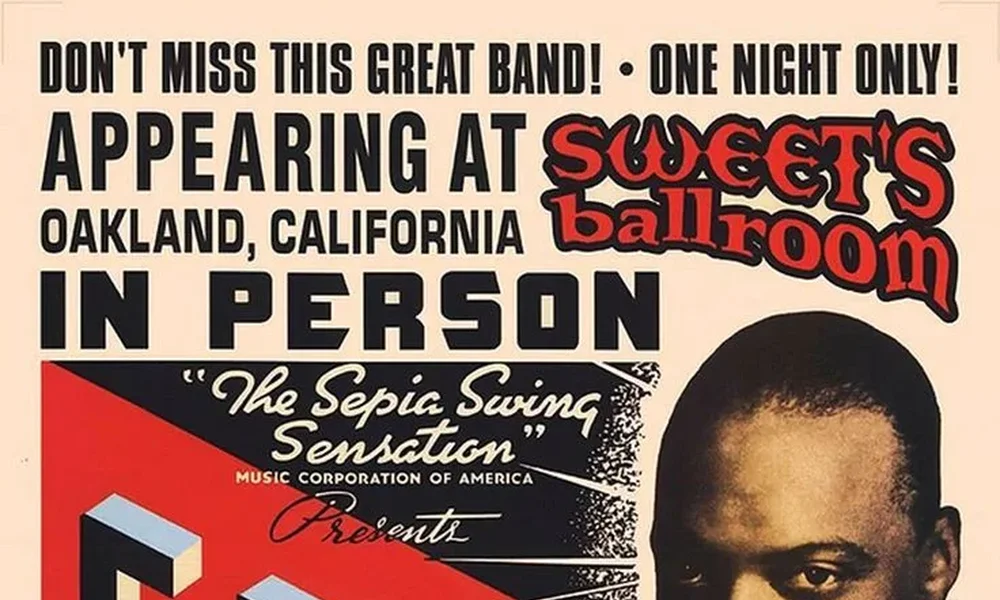
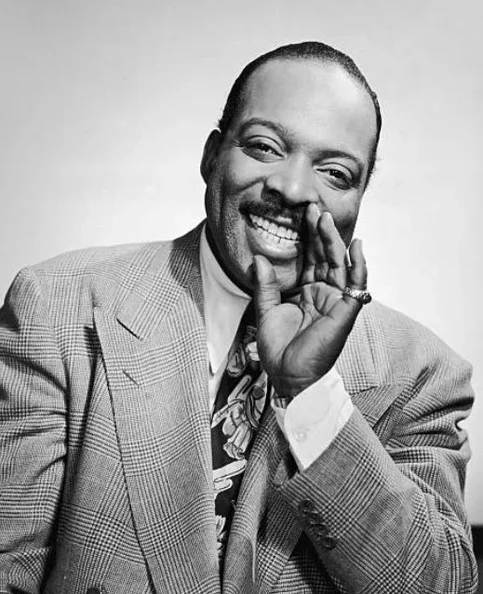
Count Basie, born William James Basie, was a towering figure in the world of jazz. Known for his distinctive piano style and leadership of the Count Basie Orchestra, Basie played a pivotal role in shaping the genre during the Swing Era and beyond. His career spanned over five decades, during which he became one of the most influential jazz musicians of the 20th century. Basie’s music was characterized by a subtle, understated approach, often referred to as the “less is more” philosophy, which resonated with audiences and fellow musicians alike. His band’s hits like “One O’Clock Jump” and “April in Paris” remain classics, while his collaborations with other jazz legends such as Ella Fitzgerald and Tony Bennett further cemented his legacy.
PERSONAL INFORMATION
| Name | Count Basie |
|---|---|
| Place of Birth | Red Bank |
| Place of Death | Hollywood |
| Nationality | United States |
| Date of Death | 26 April 1984 |
| Residence | Red Bank |
| Birth Name | William James Basie |
| Native Name | Count Basie |
| Gender | Male |
| Languages Spoken | English |
| Date of Birth | 21 August 1904 |
| Age at Death | 79 Years |
| Zodiac Sign | Leo |
| Native Language | English |
| Ethnicity | African Americans |
FAMILY
| Spouse | Catherine Basie |
|---|
CAREER
| Profession | pianist, bandleader, conductor, composer, autobiographer, actor, jazz musician, songwriter, organist, orchestra leader |
|---|---|
| Awards Received | Presidential Medal of Freedom, Grammy Lifetime Achievement Award, Grammy Trustees Award, Grammy Award for Best Jazz Instrumental Album, Grammy Award for Best Performance by an Orchestra – for Dancing, Grammy Award for Best Performance by an Orchestra – for Dancing, Grammy Award for Best Performance by an Orchestra – for Dancing, Grammy Award for Best Jazz Performance, Grammy Award for Best Large Jazz Ensemble Album, Grammy Award for Best Large Jazz Ensemble Album, Grammy Trustees Award, Kennedy Center Honors, Grammy Award for Best Large Jazz Ensemble Album, Grammy Award for Best Large Jazz Ensemble Album, Grammy Lifetime Achievement Award, New Jersey Hall of Fame, star on Hollywood Walk of Fame, NEA Jazz Masters, Kansas Music Hall of Fame |
| Instruments | piano, Hammond organ, jazz piano, organ |
| Genre | jazz, swing music, big band |
| Record Label | Mercury Records, RCA Records, Apex, Decca |
| Nominations | Grammy Award for Best Performance by an Orchestra – for Dancing, Grammy Award for Best Jazz Instrumental Album, Grammy Award for Best Performance by an Orchestra – for Dancing, Grammy Award for Best Performance by an Orchestra – for Dancing, Grammy Award for Best Jazz Performance, Grammy Award for Best Large Jazz Ensemble Album, Grammy Award for Best Large Jazz Ensemble Album, Grammy Award for Best Large Jazz Ensemble Album, Grammy Award for Best Large Jazz Ensemble Album |
| Work Period Start | 1924 |
| Member Of | Count Basie Orchestra |
| Work Period End | 1984 |
SOCIAL MEDIA & LINKS
| IMDB ID | nm0059831 |
|---|---|
| YouTube Channel | UC4w6_foxgGue-rPbVb0BMow |
| Wikipedia | Wikipedia |
Cost of becoming
Count Basie’s journey to stardom was marked by dedication, resilience, and a deep passion for music. Born into a family with musical roots, Basie’s early exposure to ragtime and blues in the vibrant jazz scenes of Red Bank and New York City laid the foundation for his future success. Despite facing financial hardships and the racial prejudices of the 1920s and 1930s, Basie persevered. He honed his skills by playing in local theaters and nightclubs, often for meager pay. His relentless pursuit of musical excellence, combined with his talent and charismatic stage presence, eventually propelled him to the forefront of the jazz world.
Identity before fame
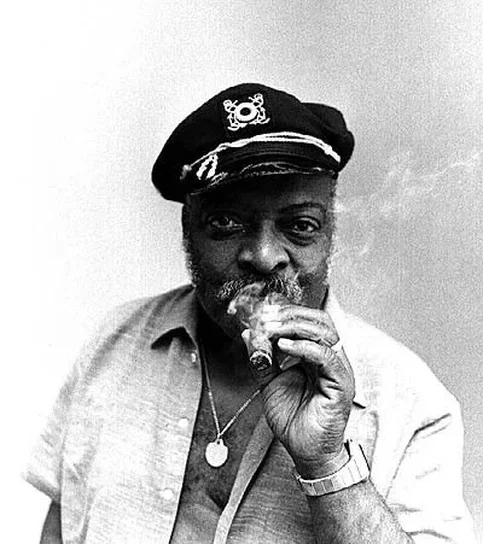
Before he became a household name, Count Basie was a young musician navigating the competitive and often tumultuous jazz scene. Growing up in Red Bank, New Jersey, he was influenced by the rich musical traditions of his community. Basie’s early career included stints as a pianist and organist in silent movie houses and small bands. He also worked as a vaudeville piano player, where he developed a keen sense of timing and showmanship. Although he was not yet a household name, these early experiences honed his musical skills and prepared him for his future role as a bandleader and icon of jazz.
Timeline
- 1904: Born in Red Bank, New Jersey
- 1918: Began playing the piano professionally
- 1927: Moved to Kansas City, Missouri, and joined Walter Page’s Blue Devils
- 1935: Formed the Count Basie Orchestra
- 1937: Recorded “One O’Clock Jump,” which became a hit
- 1943: Recorded “April in Paris” with the Count Basie Orchestra
- 1958: Appeared at the Newport Jazz Festival with Ella Fitzgerald
- 1961: Collaborated with Tony Bennett on the album “The completeness of Tony Bennett and Count Basie’s Orchestra”
- 1976: Inducted into the Down Beat Jazz Hall of Fame
- 1984: Passed away in Hollywood, Florida
Favourites
- Favorite city: New York City
- Favorite song: “April in Paris”
- Favorite instrument: Piano
- Favorite collaboration: With Ella Fitzgerald
- Favorite genre: Swing
- Favorite band member: Buck Clayton (trumpet)
- Favorite recording: “The Atomic Mr. Basie” (1958)
- Favorite composer: Duke Ellington
Controversies
- Accusations of favoring certain band members over others
- Debates over the commercialization of his music in the 1960s and 1970s
- Controversies surrounding his bandleading style and management decisions
- Criticism for his decision to break up the orchestra during the 1950s
- Disagreements with record labels over the direction of his music
- Clashes with other jazz legends over musical styles and collaborations
- Speculation about his personal life and relationships
- Controversial comments made during interviews about the state of jazz
- Concerns over the financial management of his band during the Great Depression
- Debates over the authenticity of his later recordings compared to his earlier works
Control vs chaos
Count Basie’s approach to music and bandleading was a delicate balance of control and chaos. On one hand, he maintained a tight grip on the structure and arrangements of his orchestra, ensuring that each piece was polished and precise. On the other hand, he encouraged his musicians to improvise and express their individuality, creating a dynamic and engaging sound. This blend of discipline and creativity was a hallmark of Basie’s style, allowing his band to stay fresh and relevant throughout the years. His ability to navigate this tension between order and spontaneity is one of the reasons why the Count Basie Orchestra remained a leading force in jazz for so long.
Emotional geography
Count Basie’s emotional journey was as rich and varied as his musical career. From the joy and excitement of early performances in New York City to the challenges and triumphs of leading a legendary orchestra, Basie experienced a wide range of emotions. His music often reflected these experiences, blending happiness, sadness, and everything in between. Despite the ups and downs, Basie’s enduring love for jazz and his commitment to his craft provided a sense of stability and purpose. His emotional resilience and positive outlook helped him overcome obstacles and maintain a successful and fulfilling career.
FAQs
-
Who was Count Basie?
Count Basie, born William James Basie, was an American jazz pianist, bandleader, and composer. He is best known for leading the Count Basie Orchestra, one of the most influential jazz bands of the Swing Era.
-
What are some of Count Basie’s most famous songs?
Some of Count Basie’s most famous songs include “One O’Clock Jump,” “April in Paris,” and “The Kid from Red Bank.”
-
When was Count Basie born?
Count Basie was born on August 21, 1904, in Red Bank, New Jersey.
-
How did Count Basie get his start in music?
Count Basie began playing the piano professionally in his teens, performing in vaudeville shows and silent movie houses. He later joined local bands and eventually moved to Kansas City, Missouri, where he joined Walter Page’s Blue Devils.
-
What was the Count Basie Orchestra?
The Count Basie Orchestra was a jazz band led by Count Basie. Formed in 1935, it became one of the most successful and influential jazz bands of its time, known for its tight arrangements and collaborative spirit.
-
Who were some notable members of the Count Basie Orchestra?
Notable members of the Count Basie Orchestra included trumpeter Buck Clayton, saxophonist Lester Young, and singer Joe Williams.
-
How did Count Basie’s style evolve over the years?
While Count Basie’s early style was rooted in the Swing Era, his music evolved to incorporate elements of bebop and other modern jazz styles. He also experimented with different instrumentation and arrangements, keeping his music fresh and relevant.
-
What was Count Basie’s approach to bandleading?
Count Basie was known for his strict yet collaborative approach to bandleading. He maintained a high level of control over the orchestra’s arrangements and performances while encouraging his musicians to improvise and express their individuality.
-
What was Count Basie’s influence on jazz?
Count Basie had a profound influence on jazz, particularly in the development of the swing style. His emphasis on rhythm, precision, and simplicity helped shape the sound of jazz during the Swing Era and beyond.
-
Did Count Basie receive any awards or recognition?
Yes, Count Basie received numerous awards and recognition throughout his career. He was inducted into the Down Beat Jazz Hall of Fame in 1976 and won several Grammy Awards.
-
What was Count Basie’s relationship with other jazz legends?
Count Basie collaborated with many jazz legends throughout his career, including Ella Fitzgerald, Tony Bennett, and Duke Ellington. These collaborations helped solidify his status as a leading figure in jazz.
-
How did Count Basie’s music change during the Great Depression?
During the Great Depression, Count Basie’s music adapted to the challenging economic conditions. He tightened the band’s arrangements and focused on more commercially viable songs, helping to maintain the orchestra’s popularity and financial stability.
-
What was Count Basie’s legacy?
Count Basie’s legacy is marked by his significant contributions to jazz, his influence on the Swing Era, and his role in shaping the sound of modern jazz. His music continues to inspire new generations of jazz musicians and enthusiasts.
-
How did Count Basie’s personal life impact his music?
Count Basie’s personal experiences, including his early exposure to jazz in Red Bank and his travels with various bands, deeply influenced his music. His ability to navigate personal and professional challenges also informed his approach to bandleading and composition.
-
What is the lasting impact of the Count Basie Orchestra?
The Count Basie Orchestra’s lasting impact is evident in its influence on subsequent generations of jazz musicians and its contributions to the genre’s evolution. The band’s innovative arrangements and performances continue to be studied and celebrated by jazz enthusiasts worldwide.