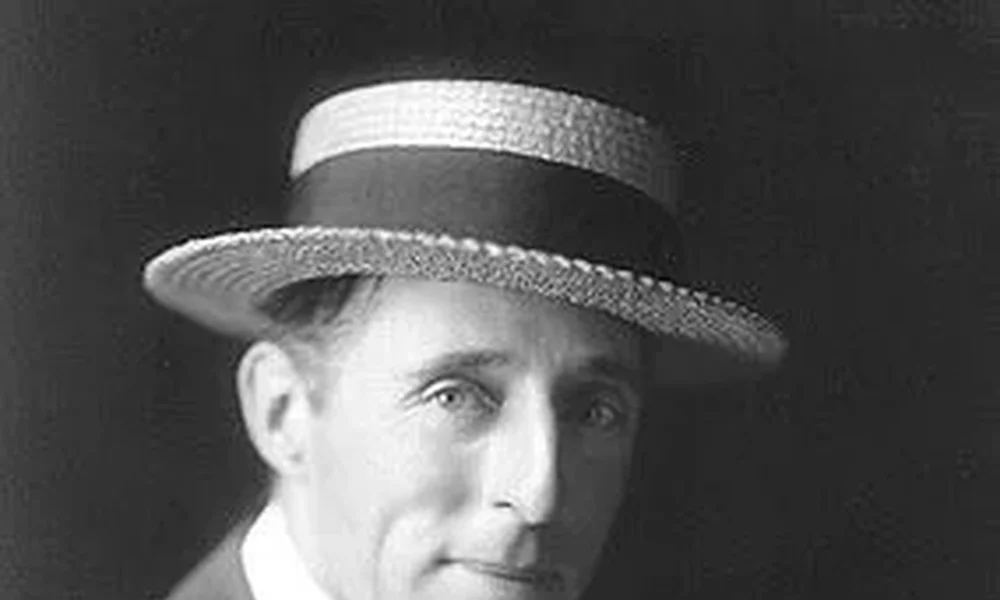
David Wark Griffith, often referred to as D. W. Griffith, is a towering figure in the early history of American cinema. Born on January 22, 1875, in Oldham County, Kentucky, Griffith’s contributions to the film industry are both pioneering and controversial. He is best known for his groundbreaking film, “The Birth of a Nation,” which, despite its technical innovations, is also notorious for its racist content. Griffith’s career spanned several decades, and he is credited with developing many of the narrative and technical techniques that are now standard in filmmaking. His influence on the art of filmmaking is undeniable, but his legacy is complex and often debated.
PERSONAL INFORMATION
| Name | D. W. Griffith |
|---|---|
| Place of Birth | La Grange, Crestwood |
| Place of Death | Hollywood |
| Nationality | United States |
| Date of Birth | 22 January 1875 |
| Age at Death | 73 Years |
| Zodiac Sign | Aquarius |
| Date of Death | 23 July 1948 |
| Birth Name | David Llewelyn Wark Griffith |
| Native Language | English |
| Native Name | David Llewelyn Wark Griffith |
| Languages Spoken | English |
| Gender | Male |
FAMILY
| Spouse | Linda Arvidson |
|---|---|
| Father | Jacob Wark Griffith |
CAREER
| Profession | film director, actor, film producer, screenwriter, film editor, executive producer, director, producer, writer, film screenwriter |
|---|---|
| Notable Works | The Birth of a Nation, Intolerance |
| Work Period Start | 1895 |
| Awards Received | Academy Honorary Award, star on Hollywood Walk of Fame |
| Field of Work | silent film |
| Work Period End | 1931 |
Cost of Becoming
The path to becoming one of the most influential filmmakers in early cinema was not easy for D. W. Griffith. Born into a family with a rich Southern heritage, Griffith faced numerous challenges, including the loss of his father at a young age. He began his career as an actor and writer, but it was his turn to the nascent film industry that marked a significant shift. Griffith’s innovative use of cross-cutting, close-ups, and other cinematic techniques came at a cost, both financial and personal. Despite facing significant criticism and controversy, particularly for “The Birth of a Nation,” Griffith’s relentless pursuit of perfection in his craft cost him dearly, but it also secured his place in film history.

Identity Before Fame
Before he became a household name in the film industry, D. W. Griffith was a struggling actor and playwright. Born to a family with Confederate roots, Griffith’s early life was marked by the post-Civil War economic hardships of the South. He began his career in the theater, performing in small roles and writing plays, but his attempts at Broadway success were largely unsuccessful. It was his move to the Biograph Company in 1908 that marked the beginning of his rise to fame. Under the mentorship of director Wallace McCutcheon, Griffith quickly began to experiment with new techniques in filmmaking, laying the groundwork for his future success.
Timeline
- 1875: David Wark Griffith is born in Oldham County, Kentucky.
- 1897: Griffith’s father, Jacob Griffith, dies, leaving the family in financial distress.
- 1907: Griffith moves to New York to pursue a career in the theater.
- 1908: Griffith joins the Biograph Company as an actor and later becomes a director.
- 1910: Griffith directs his first feature film, “A Corner in Wheat.”
- 1914: “The Birth of a Nation” is released, becoming one of the most controversial and technically innovative films of the time.
- 1915: “Intolerance” is released, an ambitious film that was a critical and commercial failure.
- 1923: Griffith forms United Artists with Charlie Chaplin, Douglas Fairbanks, and Mary Pickford.
- 1936: Griffith retires from filmmaking, having made over 450 films.
- 1948: D. W. Griffith dies in Hollywood, California, at the age of 73.

Favourites
- Favorite Film: “The Birth of a Nation” (1915)
- Favorite Genre: Historical Dramas
- Favorite Actor: Lillian Gish
- Favorite Technique: Cross-cutting
- Favorite Location: Kentucky
- Favorite Collaborator: Wallace McCutcheon

Controversies
- Racist Content in “The Birth of a Nation”: The film’s portrayal of African Americans and the Ku Klux Klan sparked widespread criticism and protests.
- Gender and Sexual Content: Some of Griffith’s films have been criticized for their portrayal of women and their handling of sexual themes.
- Commercial Failure of “Intolerance”: Despite its ambitious scope, the film was a critical and commercial disappointment.
- Manipulation of Historical Facts: Griffith was often accused of distorting historical events to suit his narrative.
- Collaborative Disputes: Griffith had conflicts with other filmmakers and studio executives over creative control and artistic vision.
- Commercial Decline in Later Years: Griffith’s career saw a decline in the 1920s and 1930s, with fewer successful films and less industry support.
- Personal Financial Troubles: Despite his early success, Griffith faced significant financial difficulties later in life.
- Role in the Formation of United Artists: Griffith’s relationship with other founding members of United Artists, such as Charlie Chaplin and Mary Pickford, was often strained.
- Criticism of His Technical Prowess: While praised for his innovations, Griffith was also criticized for his focus on technique over substance.
- Impact on Racial Tensions: “The Birth of a Nation” is credited with contributing to the resurgence of the Ku Klux Klan in the early 20th century.
Control vs Chaos
Throughout his career, D. W. Griffith navigated a delicate balance between control and chaos. On one hand, he was a meticulous director, known for his precise control over every aspect of his films, from the script to the final cut. His attention to detail and insistence on perfection often led to conflicts with actors and crew members. On the other hand, Griffith’s innovative techniques, such as cross-cutting and close-ups, introduced a level of chaos and unpredictability to the narrative structure of his films. This juxtaposition of control and chaos is evident in many of his works, particularly in “The Birth of a Nation” and “Intolerance.” This duality not only defined his artistic style but also shaped his legacy, making him both a pioneer and a controversial figure in the history of cinema.
Emotional Geography
D. W. Griffith’s emotional geography is deeply rooted in the American South, where he was born and raised. The Civil War and its aftermath had a profound impact on his worldview, influencing his storytelling and thematic choices. Despite his success in New York and Hollywood, Griffith’s heart remained with the rural landscapes and cultural heritage of his Kentucky homeland. This emotional connection to his roots is evident in his films, which often explore themes of loss, redemption, and the struggle between tradition and progress. Griffith’s ability to convey the emotional depth of these themes through his innovative filmmaking techniques is a testament to his unique position in the history of cinema.

FAQs
-
Who was D. W. Griffith?
D. W. Griffith was an American filmmaker and pioneer of early cinema. He is widely regarded as one of the most influential directors in the history of film, known for his innovative techniques and controversial works.
-
What is D. W. Griffith’s most famous film?
D. W. Griffith’s most famous film is “The Birth of a Nation” (1915), a technically groundbreaking but racially controversial epic that is often cited as one of the most important and problematic films in American cinema.
-
What were some of Griffith’s innovative techniques in filmmaking?
Griffith introduced several groundbreaking techniques, including cross-cutting, close-ups, and the use of parallel narratives. These techniques revolutionized the way stories were told on screen.
-
How did “The Birth of a Nation” impact American society?
“The Birth of a Nation” is notorious for its racist portrayal of African Americans and the Ku Klux Klan. It sparked widespread protests and is often credited with contributing to the resurgence of the KKK in the early 20th century.
-
What was Griffith’s relationship with United Artists?
Griffith was one of the founding members of United Artists, along with Charlie Chaplin, Douglas Fairbanks, and Mary Pickford. However, his relationship with the other founders was often strained, and he faced challenges in maintaining creative control.
-
Did Griffith face any significant financial troubles?
Yes, despite his early success, Griffith faced significant financial difficulties later in his career, particularly after the commercial failure of “Intolerance” (1916).
-
What was Griffith’s approach to working with actors?
Griffith was known for his strict and sometimes demanding approach to working with actors. He was meticulous about every detail of his films and often clashed with actors over creative differences.
-
How did Griffith’s Southern heritage influence his work?
Griffith’s Southern heritage deeply influenced his work, particularly in the way he portrayed historical events and the cultural landscape of the American South. His films often reflected his views on Southern history and society.
-
What was the critical reception of “Intolerance”?
“Intolerance” received mixed reviews and was a commercial failure. While some critics praised its ambitious scope and technical achievements, others found it overly complex and difficult to follow.
-
How did Griffith’s career decline in the 1920s and 1930s?
Griffith’s career saw a decline in the 1920s and 1930s due to a combination of factors, including changing audience tastes, financial difficulties, and a lack of industry support. He made fewer films during this period and struggled to maintain his previous level of success.
-
What was Griffith’s legacy in the film industry?
Griffith’s legacy is complex. While he is credited with developing many of the narrative and technical techniques that are now standard in filmmaking, his works are also marred by their controversial and often racist content. Despite the criticism, his contributions to the art of cinema are undeniable.
-
How did Griffith’s personal life influence his films?
Griffith’s personal life, including his Southern upbringing and his experiences in the theater, deeply influenced his films. His personal beliefs and values often shaped the themes and narratives of his works, particularly his historical dramas.
-
What were some of the challenges Griffith faced as a filmmaker?
Griffith faced numerous challenges throughout his career, including financial difficulties, creative conflicts with colleagues, and the controversial nature of some of his films. Despite these obstacles, he continued to push the boundaries of filmmaking and left a lasting impact on the industry.