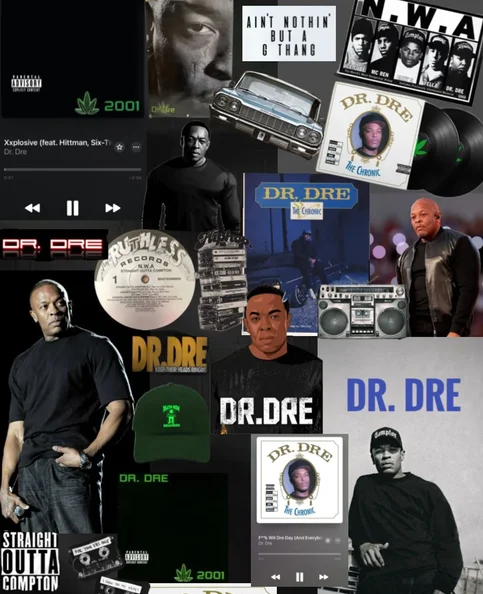
Dr. Dre, bornAndre Romelle Young, is one of the most influential figures in hip-hop history. His journey from a struggling artist in the streets of Compton to a multi-platinum recording artist, producer, and entrepreneur is nothing short of legendary. Dr. Dre’s impact on the music industry is profound, and his contributions have shaped the sound and culture of hip-hop. This article delves into the life, career, and legacy of Dr. Dre, providing a comprehensive look at his rise to fame, his favorites, controversies, and the emotional geography that defines him.
PERSONAL INFORMATION
| Name | Dr. Dre |
|---|---|
| Date of Birth | 18 February 1965 |
| Age | 60 Years |
| Zodiac Sign | Aquarius |
| Place of Birth | Compton |
| Nationality | United States |
| Languages Spoken | English |
| Birth Name | Andre Romell Young |
| Gender | Male |
| Native Language | English |
| Signature |  |
| Residence | Beverly Hills |
| Native Name | Andre Young |
FAMILY
| Children | Hood Surgeon, La Tanya Danielle Young, Truice Young |
|---|---|
| Siblings | Tyree Crayon |
EDUCATION
| Educated At | John C. Fremont High School, Centennial High School |
|---|
CAREER
| Profession | rapper, songwriter, record producer, entrepreneur, music executive, actor, film actor, composer, television actor, film director, disc jockey, audio engineer |
|---|---|
| Genre | West Coast hip-hop, gangsta rap, G-funk, hardcore hip-hop, political hip-hop, horrorcore, old-school hip-hop, golden age hip-hop |
| Record Label | Kru-Cut Records, Ruthless Records, Priority Records, Death Row Records, Interscope Records, Aftermath Entertainment |
| Instruments | sampler, keyboard instrument, synthesizer, drum machine, guitar, voice |
| Employer | Apple Inc. |
| Awards Received | California Hall of Fame, American Music Award for Favorite Rap/Hip-Hop Artist |
| Work Period Start | 1984 |
| Member Of | World Class Wreckin’ Cru |
SOCIAL MEDIA & LINKS
| IMDB ID | nm0236564 |
|---|---|
| Official Website | https://drdre.com |
| @drdre | |
| DrDre | |
| YouTube Channel | UCx4Lxn5CzeG99X01__YsJpw, UCmHhviensDlGQeU8Yo80zdg |
| @drdre | |
| Wikipedia | Wikipedia |
Cost of Becoming
Becoming Dr. Dre was not an easy path. It required immense dedication, hard work, and a willingness to take risks. Born into a family with limited resources, Young turned to music as an escape from the harsh realities of his environment. His early days were marked by struggles, including dropping out of high school and facing numerous financial challenges. However, his relentless pursuit of his dreams and his exceptional talent in both production and rapping eventually paid off. The cost of becoming Dr. Dre included sacrificing personal relationships, enduring criticism, and navigating a highly competitive industry, but the rewards have been significant, both artistically and financially.
Identity Before Fame
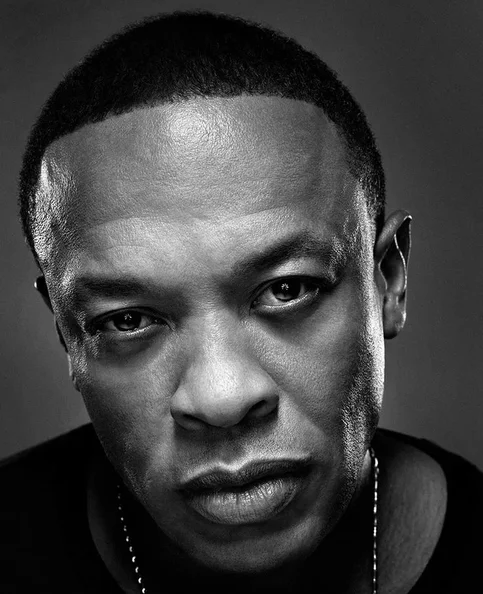
Before achieving fame, Andre Young, known as Dr. Dre, was a young man from Compton, California. He grew up in a neighborhood plagued by violence and poverty, which heavily influenced his early life. Young was not just a talented musician but also a keen observer of his surroundings, which he channelled into his music. He began his musical journey as a DJ at the World Class Wreckin’ Cru, a group that gained local fame in the 1980s. His early experiences in the music industry, including his brief stint with the group N.W.A., laid the foundation for his future success. These early years were crucial in shaping his identity and setting the stage for his meteoric rise in the hip-hop world.
Timeline
- 1965: Andre Romelle Young is born in Compton, California.
- 1983: Dr. Dre forms the World Class Wreckin’ Cru, a group that gains popularity in the local scene.
- 1986: He joins N.W.A., a group that would become one of the most influential in hip-hop history.
- 1988: N.W.A. releases their groundbreaking album “Straight Outta Compton,” which brings Dr. Dre to the national spotlight.
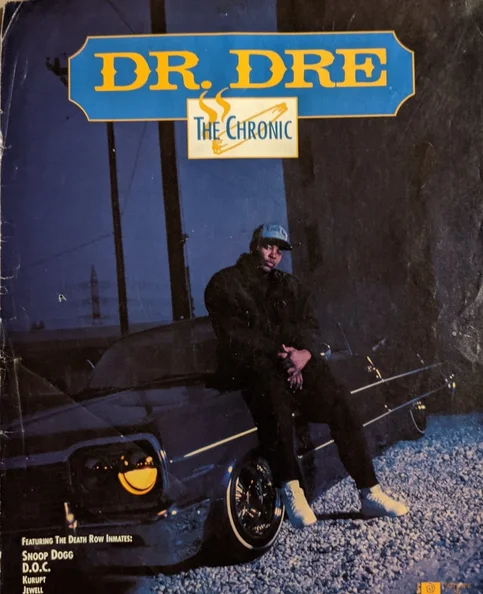
- 1991: Dr. Dre leaves N.W.A. and signs a deal with Death Row Records, where he produces and releases his solo debut, “The Chronic.”
- 1996: “The Chronic 2001” (also known as “The Saga Continues…”) is released, solidifying his status as a top producer and artist.
- 1999: Dr. Dre partners with Jimmy Iovine to launch Aftermath Entertainment.
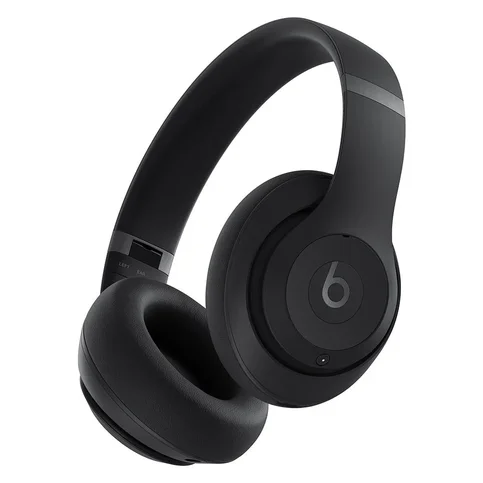
- 2014: Dr. Dre sells Beats Electronics to Apple for $3 billion, becoming one of the richest figures in the music industry.
- 2015: He releases his third studio album, “Compton,” to critical acclaim.
- 2021: Dr. Dre receives the Grammy Lifetime Achievement Award, recognizing his contributions to music.
Favourites
- Favorite Album: “The Chronic” (1992)
- Favorite Song: “Still D.R.E.”
- Favorite Collaborator: Snoop Dogg
- Favorite Production: “The Next Episode”
- Favorite Movie: “Boyz n the Hood” (1991)
- Favorite Hobby: Car collecting
- Favorite Sport: Football
- Favorite Artist: Funkadelic
Controversies
- His involvement in N.W.A.’s controversial song “F*ck the Police” drew criticism from law enforcement and conservative groups.
- Dr. Dre faced legal issues in the 1990s, including a lawsuit from a former bandmate, Gee Roberson.
- He has been accused of domestic violence against his ex-wife, Teana Lorraine London.
- Dr. Dre’s relationship with Death Row Records founder Suge Knight ended in acrimony, leading to a series of legal battles.
- His use of explicit lyrics and depictions of violence in his music has been a point of controversy.
- There have been allegations of misogyny and homophobia in some of his lyrics.
- Dr. Dre has faced criticism for his role in the music industry, particularly regarding the treatment of female artists.
- His decision to sell Beats Electronics to Apple for $3 billion was met with mixed reactions, with some praising his business acumen and others criticizing his departure from the independent spirit of hip-hop.
Control vs Chaos
Throughout his career, Dr. Dre has maintained a delicate balance between control and chaos. On one hand, he is known for his meticulous attention to detail and his ability to craft meticulously produced tracks. His work as a producer is marked by a precision that has set the standard for hip-hop production. On the other hand, his early days in N.W.A. and his involvement in the notorious L.A. hip-hop scene of the 1980s and 1990s exposed him to a world of chaos and unpredictability. This duality has shaped his approach to both his music and his business ventures, allowing him to navigate the turbulent waters of the music industry with a unique blend of creativity and strategic thinking.
Emotional Geography
Dr. Dre’s emotional geography is deeply rooted in the streets of Compton, a place that has provided the backdrop for much of his music. The pain, struggle, and resilience of his community are themes that resonate throughout his work. Despite achieving immense success, Dr. Dre has never forgotten his roots, and his music often reflects the emotions and experiences of those who grew up in similar circumstances. His ability to channel the raw, unfiltered emotions of his environment into his art has made him a powerful voice for a generation of artists and listeners who find solace and inspiration in his music.
FAQs
-
What is Dr. Dre’s real name?
Dr. Dre’s real name is Andre Romelle Young.
-
When was Dr. Dre born?
Dr. Dre was born on February 18, 1965, in Compton, California.
-
What is Dr. Dre’s most famous album?
Dr. Dre’s most famous album is “The Chronic,” released in 1992.
-
Who are Dr. Dre’s most famous collaborators?
Dr. Dre has collaborated with numerous artists, but some of his most famous collaborators include Snoop Dogg, Eminem, and 50 Cent.
-
What is Dr. Dre’s net worth?
s of 2023, Dr. Dre’s net worth is estimated to be around $1.5 billion.
-
What is Dr. Dre’s role in the music industry?
Dr. Dre is a multi-faceted figure in the music industry, known as a rapper, record producer, and entrepreneur. He has also founded and run several record labels, including Aftermath Entertainment.
-
What was Dr. Dre’s first hit single?
Dr. Dre’s first hit single was “Nuthin’ but a ‘G’ Thang” from his debut album “The Chronic.”
-
How did Dr. Dre get his start in the music industry?
Dr. Dre got his start in the music industry as a DJ for the World Class Wreckin’ Cru in the 1980s. He later joined N.W.A., a group that gained national recognition.
-
What is the significance of the album “The Chronic”?
“The Chronic” is significant because it introduced G-funk to the mainstream and established Dr. Dre as a major force in the music industry. The album’s success paved the way for his future projects and collaborations.
-
What is Dr. Dre’s relationship with Suge Knight?
Dr. Dre’s relationship with Suge Knight was complicated and often contentious. They were business partners at Death Row Records, but their relationship ended in a falling out, leading to legal battles and public feuds.
-
What is the story behind Dr. Dre’s Beats by Dre?
Beats by Dre was a headphones and audio equipment company co-founded by Dr. Dre and Jimmy Iovine. The company gained popularity and was eventually sold to Apple for $3 billion in 2014.
-
What is Dr. Dre’s legacy in the music industry?
Dr. Dre’s legacy in the music industry is multifaceted. He is known for his groundbreaking production style, his role in popularizing West Coast hip-hop, and his influence on the careers of numerous artists. His entrepreneurial ventures, including Beats by Dre, have also had a significant impact on the music and technology industries.
-
What is the significance of Dr. Dre’s 2015 album “Compton”?
“Compton” is significant because it marked Dr. Dre’s return to music after a long hiatus. The album was critically acclaimed and served as a reflection on his roots and the current state of hip-hop.
-
What are some of the controversies surrounding Dr. Dre?
Dr. Dre has faced controversies over the years, including allegations of domestic violence, legal disputes with former colleagues, and criticism for the explicit content in his music.
-
What is Dr. Dre’s impact on hip-hop culture?
Dr. Dre’s impact on hip-hop culture is profound. He has influenced the sound of hip-hop through his innovative production techniques and has played a crucial role in shaping the careers of many successful artists. His contributions have helped define the West Coast hip-hop sound and have inspired a generation of producers and rappers.