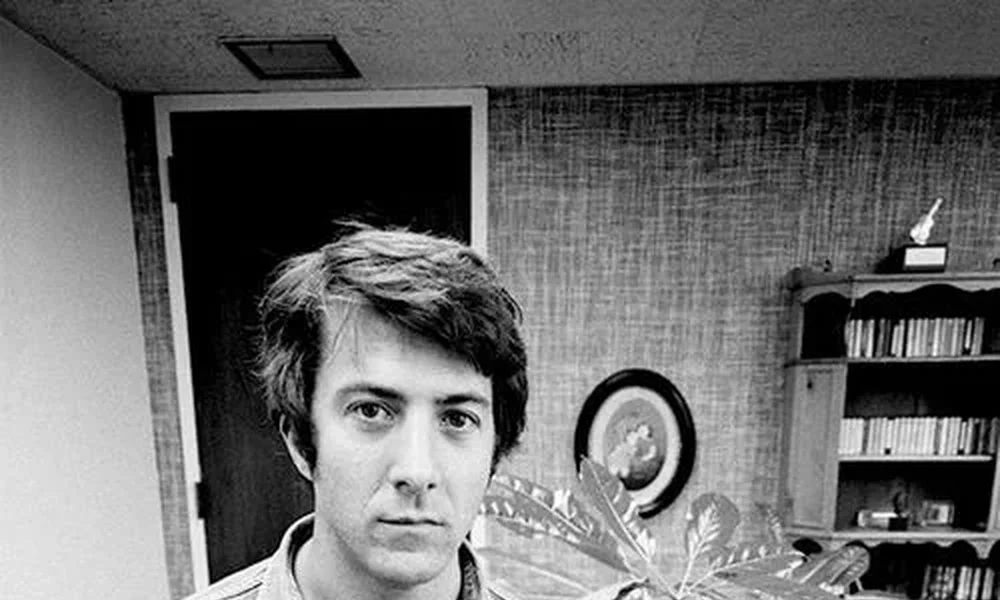
Dustin Hoffman is a towering figure in the world of cinema, renowned for his versatility, authenticity, and profound impact on the film industry. Born into a family with a modest background, Hoffman’s journey to stardom was marked by relentless determination and a deep commitment to his craft. His early struggles and eventual triumphs have made him one of the most respected and influential actors of his generation. From his breakout role in “The Graduate” to his nuanced performances in films like “Rain Man” and “Kramer vs. Kramer,” Hoffman has consistently delivered performances that resonate with audiences and critics alike. His refusal to conform to Hollywood norms and his insistence on portraying complex, flawed characters have solidified his legacy as a true artist.
PERSONAL INFORMATION
| Name | Dustin Hoffman |
|---|---|
| Place of Birth | Los Angeles |
| Nationality | United States |
| Date of Birth | 08 August 1937 |
| Age | 88 Years |
| Zodiac Sign | Leo |
| Languages Spoken | English |
| Gender | Male |
| Native Name | Dustin Lee Hoffman |
| Native Language | English |
PHYSICAL STATISTICS
| Height (in centimeters) | 165 cm |
|---|---|
| Height (in meters) | 1.65 m |
| Height (in feet inches) | 5′ 4″ |
FAMILY
| Spouse | Lisa Hoffman, Anne Byrne |
|---|---|
| Children | Jake Hoffman |
EDUCATION
| Educated At | Santa Monica College, Neighborhood Playhouse School of the Theatre, Los Angeles High School |
|---|
CAREER
| Profession | film actor, film director, voice actor, character actor, stage actor, film producer, theatrical producer, television actor, television presenter, actor, director, producer |
|---|---|
| Awards Received | Commandeur des Arts et des Lettres, Donostia Award, Annie Award, Academy Award for Best Actor, Academy Award for Best Actor, Theatre World Award, Golden Globe Cecil B. DeMille Award, Kennedy Center Honors, AFI Life Achievement Award, BAFTA Award for Best Actor in a Leading Role, Primetime Emmy Award for Outstanding Lead Actor in a Miniseries or a Movie |
| Nominations | Academy Award for Best Actor, Academy Award for Best Actor, Academy Award for Best Actor, Academy Award for Best Actor, Academy Award for Best Actor, Academy Award for Best Actor, Academy Award for Best Actor, Tony Award for Best Actor in a Play |
| Member Of | American Academy of Arts and Sciences |
| Work Period Start | 1967 |
Cost of Becoming
The path to becoming a renowned actor is rarely smooth, and Dustin Hoffman’s journey was no exception. His early career was marked by a series of rejections and financial struggles. Hoffman worked odd jobs, including as a waiter and a television salesman, to make ends meet while pursuing his acting dreams. His intense focus on honing his craft and his willingness to take on challenging roles, often with little pay, were instrumental in his eventual success. Despite the hardships, Hoffman’s dedication and resilience paid off, ultimately leading to his breakthrough role in “The Graduate” and a career that would span decades.
Identity Before Fame
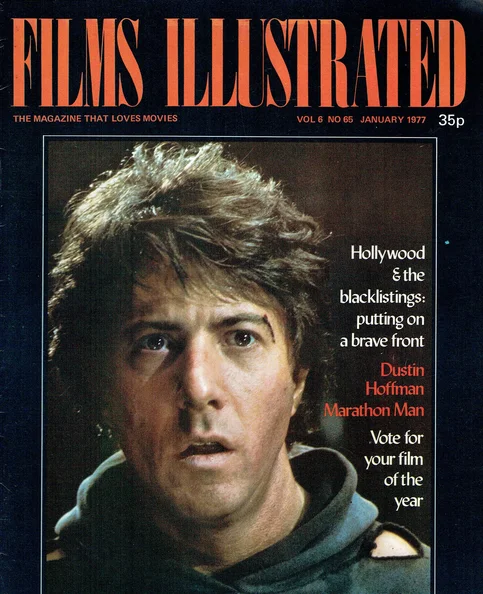
Before achieving stardom, Dustin Hoffman was a struggling actor with a strong work ethic and a deep passion for the craft. Born in Los Angeles in 1937, he grew up in a family that valued the arts. His father, Harry Hoffman, was a pianist and vocal coach, and his mother, Lillian, was a painter and actress. Hoffman attended Los Angeles City College and later the Santa Monica College of Arts, where he began to explore his interest in acting. He moved to New York City in the early 1960s to pursue his dreams, joining the Actors Studio and working tirelessly to improve his skills. The early years were challenging, but Hoffman’s unwavering commitment to his art laid the foundation for his future success.
Timeline
- 1937: Dustin Hoffman is born in Los Angeles, California.
- 1959: He makes his Broadway debut in the play A Cook for Mr. General.
- 1964: Hoffman moves to New York City to join the Actors Studio and further develop his acting skills.
- 1967: He achieves breakthrough success with his role as Benjamin Braddock in The Graduate.
- 1976: Hoffman stars in All the President’s Men, playing journalist Carl Bernstein.
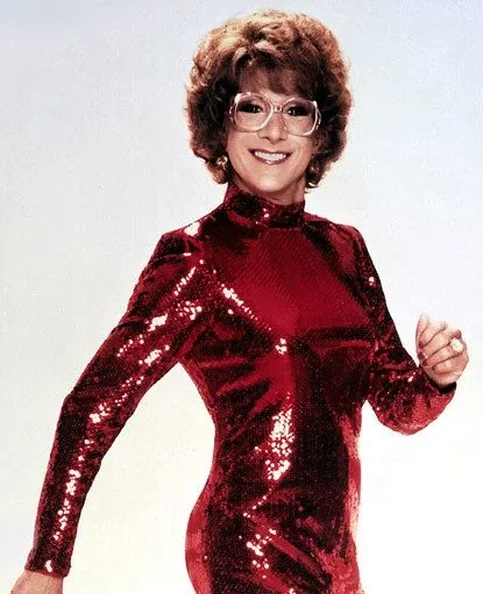
- 1980: He delivers a memorable performance as concert pianist Wladyslaw Szpilman in Tootsie.
- 1981: Hoffman wins the Academy Award for Best Actor for his role in Kramer vs. Kramer.
- 1988: He wins his second Academy Award for his portrayal of Raymond Babbitt in Rain Man.
- 2009: Hoffman is honored with the AFI Life Achievement Award for his contributions to American cinema.
- 2023: He continues to be active in the entertainment industry, appearing in various projects and mentoring young actors.
Favourites
- Favorite Film: The Graduate
- Favorite Director: Mike Nichols
- Favorite Role: Benjamin Braddock in The Graduate
- Favorite Play: Death of a Salesman (he starred in the 1984 Broadway revival)
- Favorite Book: The Great Gatsby by F. Scott Fitzgerald
- Favorite Actor: Spencer Tracy
- Favorite Director Collaboration: Working with Sydney Pollack
- Favorite Hobby: Playing the piano
- Favorite Charity: Actors Fund
Controversies
- 2003: Hoffman faced criticism for accepting an honorary doctorate from Bar-Ilan University, an institution known for its controversial policies in the Israeli-Palestinian conflict.
- 2017: He was among the many male Hollywood figures accused of sexual misconduct during the #MeToo movement, but the allegations against him were not as extensive or severe as those against others.
- 2018: Hoffman was criticized for his role in the documentary Werner Herzog’s Lessons of Darkness, where he was accused of belittling a female crew member.
- 2020: He faced backlash for comments he made about the #MeToo movement, which some interpreted as lacking sensitivity to the issues raised by the movement.
- 1996: Hoffman was accused of making inappropriate comments to a female camera operator on the set of Wag the Dog.
- 2013: He was criticized for his portrayal of a transgender character in the film Tootsie, which some felt perpetuated harmful stereotypes.
- 1983: Hoffman faced criticism for his role in Tender Mercies, where he was accused of cultural appropriation for playing a Southern country singer.
- 2011: He was accused of making insensitive remarks about the disabled community during an interview for the film Quartet.
- 2014: Hoffman was criticized for his portrayal of a Holocaust survivor in Mr. Rogers’ Neighborhood, which some felt was not handled with the sensitivity it deserved.
- 2019: He was accused of making homophobic remarks during a panel discussion, which he later apologized for.
Control vs Chaos
Dustin Hoffman’s approach to acting is characterized by a delicate balance between control and chaos. His method acting technique, which involves deep immersion into the character’s psyche and background, often results in intense and unpredictable performances. This method allows him to bring a level of authenticity and depth to his roles that is rarely matched. However, it also means that he is known for being demanding and perfectionist, sometimes to the point of creating tension on set. Despite this, Hoffman’s ability to blend control with the spontaneity of the moment has made him one of the most respected actors in the industry.
Emotional Geography
Dustin Hoffman’s emotional landscape is as complex as the characters he brings to life on screen. His performances often delve into the psychological and emotional depths of his roles, exploring themes of loneliness, struggle, and human connection. This deep emotional engagement is a testament to his own personal journey, marked by early struggles and the pursuit of artistic excellence. Hoffman’s ability to convey a range of emotions—from vulnerability to strength—resonates with audiences and has earned him a place in the pantheon of great actors. His work is a reflection of his own emotional geography, a map of personal and professional triumphs and challenges.
FAQs
-
What is Dustin Hoffman’s most famous role?
One of Dustin Hoffman’s most famous roles is Benjamin Braddock in the 1967 film The Graduate. His performance as a disillusioned young man in post-war America earned him widespread acclaim and marked the beginning of his successful career in Hollywood.
-
How did Dustin Hoffman start his acting career?
Dustin Hoffman began his acting career in the late 1950s, making his Broadway debut in the play A Cook for Mr. General. He later moved to New York City to join the Actors Studio, where he honed his skills and worked in various theater productions before breaking into film.
-
What awards has Dustin Hoffman won?
Dustin Hoffman has won numerous awards, including two Academy Awards for Best Actor for his roles in Kramer vs. Kramer (1981) and Rain Man (1988). He has also received multiple Golden Globe Awards, BAFTA Awards, and other accolades for his performances in various films.
-
What is Dustin Hoffman’s method acting technique?
Dustin Hoffman is known for his method acting technique, which involves deeply immersing himself in the character he portrays. This approach often requires extensive research, emotional preparation, and a deep understanding of the character’s background and motivations.
-
What are some of Dustin Hoffman’s most notable films?
Some of Dustin Hoffman’s most notable films include The Graduate, Midnight Cowboy, All the President’s Men, Tootsie, Kramer vs. Kramer, Rain Man, and Wag the Dog.
-
What challenges did Dustin Hoffman face early in his career?
Early in his career, Dustin Hoffman faced numerous challenges, including financial struggles, rejections, and a lack of consistent work. He worked various odd jobs to make ends meet while pursuing his acting dreams and faced the skepticism of industry insiders who doubted his talent and potential.
-
How has Dustin Hoffman influenced the film industry?
Dustin Hoffman has had a profound impact on the film industry through his commitment to method acting, his willingness to take on challenging and diverse roles, and his influence on younger generations of actors. His authenticity and depth have set a high standard for performance in Hollywood.
-
What is Dustin Hoffman’s role in the #MeToo movement?
Dustin Hoffman, like many male Hollywood figures, faced allegations of sexual misconduct during the #MeToo movement. While the allegations against him were not as extensive or severe as those against others, he acknowledged the movement’s importance and the need for change in the industry.
-
What is Dustin Hoffman’s personal life like?
Dustin Hoffman has been married to Lisa Gottsegen since 1980. They have four children together. Hoffman is known for his dedication to his family and his commitment to his craft, often balancing his personal and professional life with grace and integrity.
-
What are some interesting facts about Dustin Hoffman?
Dustin Hoffman is known for his meticulous approach to acting and his attention to detail. He has a background in music and played the piano in the film Tootsie. He is also a vocal advocate for actors’ rights and has been involved in various charitable causes throughout his career.
-
What is Dustin Hoffman’s legacy?
Dustin Hoffman’s legacy is one of artistic excellence, versatility, and a deep commitment to the craft of acting. His performances have touched the lives of millions and continue to inspire new generations of actors and filmmakers. His contributions to the film industry have solidified his place as one of the greatest actors of his generation.
-
What future projects is Dustin Hoffman working on?
s of the latest updates, Dustin Hoffman continues to be active in the entertainment industry, appearing in various projects and mentoring young actors. While specific details about his future projects may vary, he remains a respected and influential figure in the world of cinema.
-
What is Dustin Hoffman’s approach to character development?
Dustin Hoffman’s approach to character development is deeply methodical and immersive. He often spends months researching and preparing for a role, delving into the character’s background, motivations, and emotional landscape. This thorough preparation allows him to bring a level of authenticity and depth to his performances that is both compelling and believable.
-
What is Dustin Hoffman’s impact on method acting?
Dustin Hoffman has had a significant impact on method acting, a technique that emphasizes deep emotional connection and personal experience in the portrayal of a character. His commitment to this approach has influenced many actors and has helped to elevate the art of acting to new heights.
Dustin Hoffman’s journey from a struggling actor to a Hollywood icon is a testament to his unwavering dedication and talent. His refusal to compromise on his artistic vision and his ability to bring complex, multi-dimensional characters to life have made him a legend in the film industry. Whether through his groundbreaking performances or his contributions to the craft of acting, Hoffman’s legacy continues to inspire and influence new generations of actors and filmmakers.