
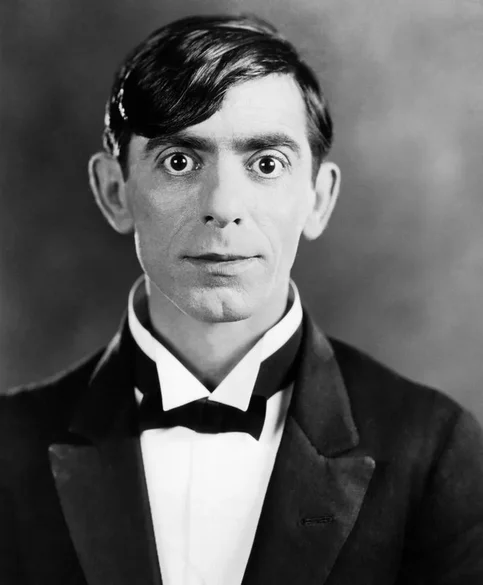
Eddie Cantor, born Isidore Isaac Kantor, was a legendary American comedian, actor, singer, dancer, and songwriter. Often referred to as the “Apostle of Pep,” Cantor rose to fame during the vaudeville era and became a household name in the early 20th century. His boundless energy, quick wit, and charismatic stage presence made him one of the most beloved entertainers of his time. Cantor was a pioneer in the entertainment industry, using his platform to advocate for social and political causes. His career spanned several decades, and he left an indelible mark on American popular culture.
PERSONAL INFORMATION
| Name | Eddie Cantor |
|---|---|
| Nationality | United States |
| Place of Birth | Manhattan |
| Place of Death | Beverly Hills |
| Date of Birth | 31 January 1892 |
| Age at Death | 72 Years |
| Zodiac Sign | Aquarius |
| Date of Death | 10 October 1964 |
| Languages Spoken | English |
| Gender | Male |
| Native Name | Eddie Cantor |
| Birth Name | Edward Israel Iskowitz, Isidore Itzkowitz |
PHYSICAL STATISTICS
| Height (in centimeters) | 172 cm |
|---|---|
| Height (in meters) | 1.72 m |
| Height (in feet inches) | 5′ 7″ |
CAREER
| Profession | comedian, actor, dancer, singer, songwriter, film producer, screenwriter, film actor, producer, writer, stage actor, composer |
|---|---|
| Record Label | Audio Fidelity |
| Awards Received | Screen Actors Guild Life Achievement Award, star on Hollywood Walk of Fame, Academy Honorary Award |
| Instruments | voice |
| Work Period Start | 1907 |
| Genre | musical film, comedy film, Western film, drama film, film noir, romance film |
| Work Period End | 1962 |
SOCIAL MEDIA & LINKS
| IMDB ID | nm0134662 |
|---|---|
| Official Website | http://www.eddiecantor.com |
| Wikipedia | Wikipedia |
Cost of Becoming
The journey to fame for Eddie Cantor was not without its hardships. Born into a poor Jewish family on New York’s Lower East Side, Cantor faced numerous challenges from a young age. His parents’ untimely deaths left him an orphan at the age of 10, and he was raised by his grandmother. Despite these adversities, Cantor’s natural talent and determination drove him to pursue a career in entertainment. He worked various odd jobs to support himself while honing his skills. His big break came when he joined the Ziegfeld Follies, which launched his career in vaudeville. The cost of becoming a star was high, but Cantor’s resilience and hard work paid off, making him one of the most recognizable faces in entertainment.

Identity Before Fame
Before achieving fame, Eddie Cantor was known as a young boy with a lot of potential but little means. Growing up in poverty on the Lower East Side of Manhattan, he attended P.S. 20 and later Hattie Feinberg’s Hebrew school. Cantor’s early life was marked by the tragic loss of his parents, which left him and his sister relying on the generosity of their grandmother. Despite these challenges, Cantor’s love for performing arts was evident from a young age. He participated in local amateur shows and honed his skills in impromptu performances on the streets. His early experiences shaped his approach to entertainment and his ability to connect with audiences.
Timeline
- 1892: Eddie Cantor is born as Isidore Isaac Kantor on January 31 in New York City.
- 1902: At the age of 10, Cantor becomes an orphan and is raised by his grandmother.
- 1911: Cantor makes his Broadway debut in the musical “La Belle Paree.”
- 1914: He joins the Ziegfeld Follies, which marks the beginning of his rise to fame.
- 1928: Cantor stars in the film “Whoopee!,” one of his first major movie roles.
- 1932: He becomes a radio star with his show “The Chase and Sanborn Hour.”
- 1938: Cantor uses his platform to speak out against Anti-Semitism and the rise of Nazi Germany.
- 1943: He performs in the Broadway musical “Banjo Eyes.”
- 1956: Cantor’s autobiography, “My Life is in Your Hands,” is published.
- 1964: Eddie Cantor passes away on October 10 in Hollywood, California.
Favourites
- Favorite Performance: His role in the Broadway musical “Ziegfeld Follies.”
- Favorite Song: “Makin’ Whoopee,” which became one of his signature tunes.
- Favorite Book: “My Life is in Your Hands,” his autobiography.
- Favorite Movie: “Whoopee!,” his breakout film that showcased his talents.
- Favorite Charity: March of Dimes, for which he was a passionate fundraiser.
- Favorite City: New York City, where he was born and started his career.
- Favorite Quote: “There’s nothing like a friend, even if it’s a pet.”
- Favorite Food: Matzo ball soup, a traditional Jewish dish.
- Favorite Hobby: Playing golf, which he enjoyed throughout his life.
- Favorite Cause: Advocating for civil rights and social justice.

Controversies
- Anti-Semitism Comments: In 1938, Cantor spoke out against the rise of Anti-Semitism in Europe, which drew mixed reactions from both the Jewish and non-Jewish communities.
- Political Activism: His outspoken support for Franklin D. Roosevelt and the New Deal policies made him a target of political conservatives.
- vaudeville Rivalries: Cantor was involved in several high-profile feuds with other vaudeville performers, including Al Jolson.
- Radio Censorship: Some of his early radio shows were censored for content deemed too risqué or controversial.
- Starlight Roof Incident: In 1932, Cantor was involved in a controversial incident at the Starlight Roof nightclub, which he later addressed in his performances.
- Union Disputes: Cantor’s involvement in union disputes within the entertainment industry sometimes put him at odds with fellow performers and management.
- Charity Mismanagement Accusations: Despite his extensive charitable work, Cantor faced accusations of financial mismanagement in some of his fundraising efforts.
- Racial Sensitivities: Some of his early performances, including blackface, have been criticized for perpetuating racial stereotypes.
- Personal Relationships: Cantor’s public persona and private life sometimes clashed, leading to rumors and speculations about his personal relationships.
- Religious Tensions: His open discussions about his Jewish identity and beliefs sometimes caused tension with those who held different views.
Control vs Chaos
Eddie Cantor’s career was a delicate balance of control and chaos. On stage, he was the epitome of controlled energy, delivering performances that were meticulously rehearsed and finely tuned. However, behind the scenes, his life was often marked by the unpredictability of the entertainment industry. Cantor’s early experiences as an orphan and his rise from poverty to fame illustrated his ability to navigate and thrive in chaotic environments. His involvement in political and social causes, while often controversial, demonstrated his commitment to using his influence for positive change. This duality of control and chaos was a defining aspect of Cantor’s legacy, showcasing his resilience and adaptability.
Emotional Geography
Eddie Cantor’s emotional geography was deeply rooted in his New York City upbringing. The Lower East Side, with its bustling streets and diverse communities, provided a fertile ground for his artistic development. The loss of his parents and the challenges of growing up in poverty instilled in him a sense of empathy and a desire to uplift others. His experiences as a young performer in the streets of Manhattan and on the vaudeville circuit shaped his comedic style and his connection with audiences. Cantor’s emotional journey was marked by a blend of joy, struggle, and triumph, which he shared with his audience through his performances and his advocacy work. His emotional landscape was a testament to his resilience and his ability to find humor and hope in the most challenging of circumstances.

FAQs
-
Who was Eddie Cantor?
Eddie Cantor was an American comedian, actor, singer, dancer, and songwriter. He was known for his high-energy performances and his contributions to American popular culture during the early 20th century.
-
What was Eddie Cantor’s real name?
Eddie Cantor’s real name was Isidore Isaac Kantor. He was born on January 31, 1892, in New York City.
-
When did Eddie Cantor start his career?
Eddie Cantor began his career in entertainment in the early 1910s, making his Broadway debut in 1911 with the musical “La Belle Paree.”
-
What is Eddie Cantor’s most famous performance?
One of Eddie Cantor’s most famous performances was in the Broadway musical “Ziegfeld Follies,” where he became a household name. His role in the film “Whoopee!” in 1928 also significantly boosted his fame.
-
Did Eddie Cantor have any siblings?
Yes, Eddie Cantor had a sister. He was an orphan at a young age and was raised by his grandmother alongside his sister.
-
What was Eddie Cantor’s contribution to charity?
Eddie Cantor was a passionate fundraiser for the March of Dimes and other charitable causes. He used his platform to raise awareness and funds for various social and health initiatives.
-
Was Eddie Cantor involved in politics?
Yes, Eddie Cantor was politically active and a strong supporter of President Franklin D. Roosevelt and the New Deal policies. He often used his performances to advocate for social and political causes.
-
What was Eddie Cantor’s signature style?
Eddie Cantor’s signature style was characterized by his boundless energy, quick wit, and charismatic stage presence. He was known for his “and how” catchphrase and his ability to connect with audiences.
-
Did Eddie Cantor face any controversies?
Yes, Eddie Cantor faced several controversies throughout his career, including his outspoken comments on Anti-Semitism, his involvement in vaudeville rivalries, and occasional radio censorship issues.
-
What was Eddie Cantor’s impact on the entertainment industry?
Eddie Cantor had a significant impact on the entertainment industry, particularly in vaudeville and early radio. He was a pioneer in using his platform to address social and political issues and influenced many aspiring entertainers.
-
What was Eddie Cantor’s personal life like?
Eddie Cantor’s personal life was marked by his dedication to his family and his philanthropic efforts. He was married to Ida Tobias, and they had three children together. Despite the demands of his career, he remained committed to his family and charitable work.
-
What was Eddie Cantor’s legacy?
Eddie Cantor’s legacy is that of a pioneering entertainer who used his talents to bring joy to millions and to advocate for social and political causes. His influence on American popular culture is enduring, and he is remembered as one of the greats of his time.
-
Did Eddie Cantor write any books?
Yes, Eddie Cantor wrote his autobiography titled “My Life is in Your Hands,” which was published in 1956. The book provides insights into his life and career.