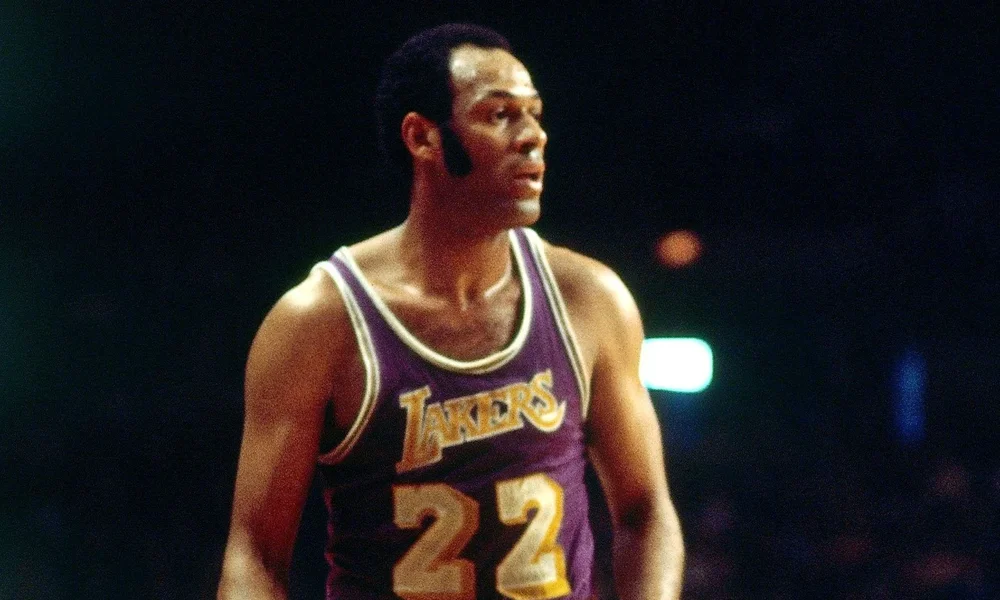
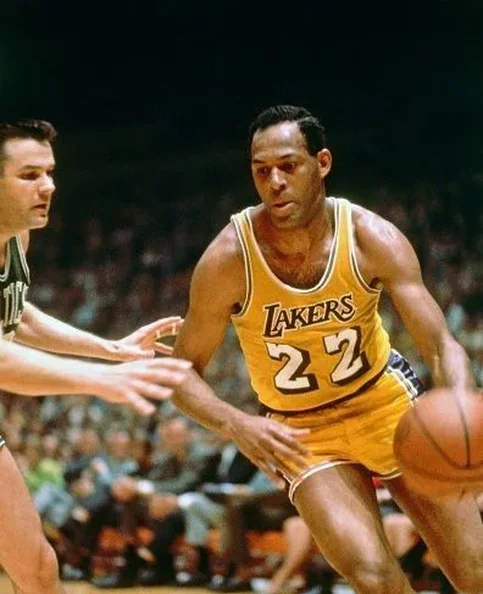
Elgin Baylor, often referred to as one of the most influential and talented basketball players of the 20th century, had a profound impact on the sport. His career, both on and off the court, is a testament to his exceptional skills, leadership, and enduring legacy. Baylor was known for his grace, agility, and innovative playing style, which revolutionized the game of basketball. His achievements, both individually and as a key member of the Los Angeles Lakers, have earned him a place in the Basketball Hall of Fame. Beyond his athletic prowess, Baylor’s contributions to the NBA and his role in advancing the rights of African American athletes make him a revered figure in the history of sports.
PERSONAL INFORMATION
| Name | Elgin Baylor |
|---|---|
| Gender | Male |
| Date of Birth | 16 September 1934 |
| Age at Death | 86 Years |
| Zodiac Sign | Virgo |
| Place of Birth | Washington, D.C. |
| Nationality | United States |
| Residence | Washington, D.C. |
| Nickname | Mr. Inside, Elg, Rabbit, Motormouth |
| Date of Death | 22 March 2021 |
| Place of Death | Los Angeles |
| Native Name | Elgin Baylor |
| Native Language | English |
| Languages Spoken | English |
PHYSICAL STATISTICS
| Height (in centimeters) | 196 cm |
|---|---|
| Height (in meters) | 1.96 m |
| Height (in feet inches) | 6′ 5″ |
| Weight | 102 Kg (224 lbs) |
EDUCATION
| Educated At | Seattle University, College of Idaho, Spingarn High School |
|---|
CAREER
| Profession | basketball player, actor, basketball coach |
|---|---|
| Awards Received | NBA All-Star Game Kobe Bryant Most Valuable Player Award, NBA Rookie of the Year Award, All-NBA Team, All-NBA Team, All-NBA Team, All-NBA Team, All-NBA Team, All-NBA Team, All-NBA Team, All-NBA Team, All-NBA Team, All-NBA Team, NBA Executive of the Year Award |
| Work Period End | 1971 |
| Work Period Start | 1958 |
Cost of becoming
The journey to becoming a basketball legend was not without its challenges for Elgin Baylor. Growing up in Washington, D.C., during the 1940s and 1950s, Baylor faced significant racial segregation and discrimination. His early passion for basketball was fueled by playing on local playgrounds and his desire to escape the harsh realities of his environment. Despite these obstacles, Baylor dedicated himself to the sport, honing his skills and developing a unique playing style that would later distinguish him on the professional court. His commitment to excellence and perseverance in the face of adversity laid the foundation for his illustrious career.
Identity before fame
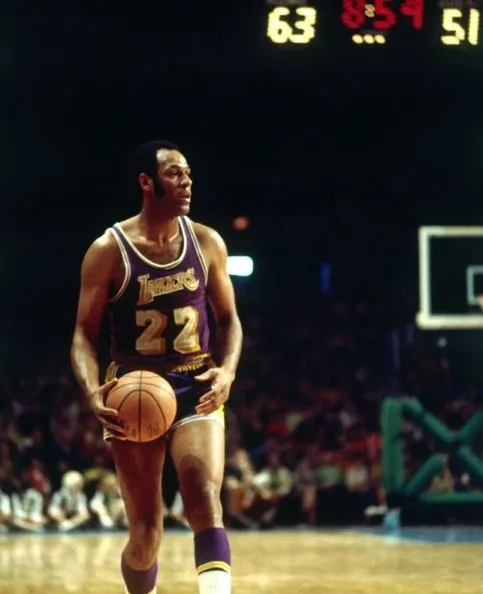
Before he became a household name, Elgin Baylor was a young boy with a dream. Born on September 16, 1934, in Washington, D.C., Baylor grew up in a working-class family. His father, Jim Baylor, was a porter, and his mother, Thelma Baylor, was a housewife. Growing up, Baylor faced the challenges of racial segregation, which limited his opportunities and access to proper facilities. Despite these hurdles, Baylor found solace in basketball, which he played on the neighborhood courts. His natural talent and determination quickly set him apart, and he began to excel in the sport. This early experience shaped his character and laid the groundwork for his future success.
Timeline
- 1934: Elgin Baylor is born on September 16 in Washington, D.C.
- 1950: Begins playing basketball seriously on local playgrounds.
- 1952: Joins the U.S. Army and serves for two years.
- 1954: Enrolls at the University of Seattle and becomes a standout player.
- 1958: Drafted by the Minneapolis Lakers (now Los Angeles Lakers) as the first overall pick.
- 1962: Leads the Lakers to the NBA Finals, though they lose to the Boston Celtics.
- 1969: Wins the NBA Finals MVP in his final season, though the Lakers lose to the New York Knicks.
- 1970: Retires from professional basketball after a 14-year career.
- 1976: Inducted into the Naismith Memorial Basketball Hall of Fame.
- 2021: Passes away on March 22 at the age of 86.
Favourites
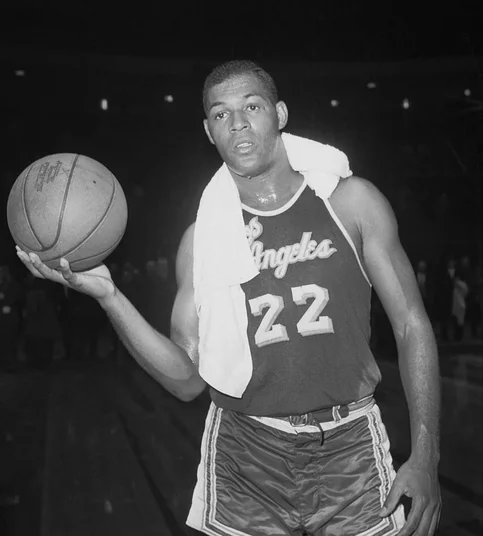
- Favorite Number: 22
- Favorite Position: Forward (Small Forward/Power Forward)
- Favorite Team: Los Angeles Lakers
- Favorite Game: NBA Finals
- Favorite Coach: Fred Schaus
- Favorite Player: Wilt Chamberlain
- Favorite Year: 1972 (Final NBA season)
- Favorite City: Los Angeles, California
- Favorite Memory: Winning the NBA Finals MVP in 1969
- Favorite Hobby: Golfing
Controversies
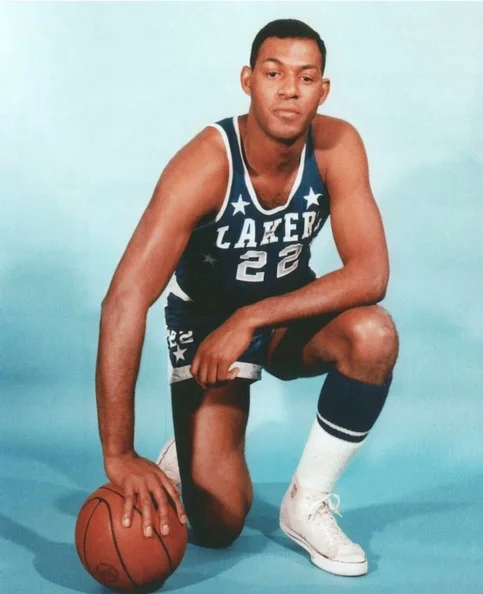
- 1964 NBA All-Star Game Boycott: Baylor was one of the leaders of the 1964 NBA All-Star Game boycott, protesting the poor conditions and lack of respect shown to African American players.
- 1969 NBA Finals: Baylor was criticized for playing only one game in the 1969 NBA Finals due to a knee injury, which led to questions about his commitment and leadership.
- Trade Rumors: Throughout his career, Baylor was involved in several trade rumors, which created tension with the Lakers management and other players.
- Salary Disputes: Baylor was known to negotiate tough salaries, which sometimes led to conflicts with team management.
- Coaching Career: Baylor’s coaching career with the Los Angeles Clippers was marked by limited success and criticism from fans and media.
- Retirement: Some fans and analysts felt Baylor retired too early, leaving a gap in the Lakers’ roster.
- Post-Career Roles: Baylor’s post-retirement roles, including his time as an executive with the Clippers, were often controversial and met with mixed reviews.
- Health Issues: Baylor faced significant health issues, including knee problems, which affected his later years and his ability to maintain an active lifestyle.
- Racial Discrimination: Throughout his career, Baylor faced racial discrimination, which he often spoke about publicly and in interviews.
- Fan Relationships: Baylor had a complex relationship with fans, particularly in Los Angeles, where some felt he was not as engaging or accessible as other players.
- Legacy Debates: There have been ongoing debates about Baylor’s place in basketball history, with some arguing that his impact is underappreciated.
Control vs Chaos
Elgin Baylor’s career was a balance between control and chaos. On the court, he was a meticulous and strategic player, known for his precision and ability to control the game. His innovative playing style, which combined grace and power, set him apart from his contemporaries. Off the court, however, Baylor often found himself navigating through chaos, whether it was the racial discrimination he faced, the trade rumors that surrounded him, or the controversies that marked his coaching and executive roles. Despite these challenges, Baylor maintained a sense of control, using his influence and integrity to advocate for what he believed was right and to leave a lasting legacy in the world of basketball.
Emotional Geography
Elgin Baylor’s emotional landscape was deeply influenced by his early experiences in Washington, D.C., and his later years in Los Angeles. Growing up in a segregated environment, Baylor developed a strong sense of resilience and determination. The playgrounds of D.C. were not just where he honed his skills but also where he forged a bond with the community. Moving to Los Angeles marked a significant transition, both personally and professionally. The city provided him with a platform to achieve greatness but also brought new challenges and pressures. Throughout his life, Baylor navigated these emotional landscapes with grace, using his experiences to inspire and mentor future generations of players.
FAQs
-
What were Elgin Baylor’s early years like?
Elgin Baylor grew up in Washington, D.C., during the 1940s and 1950s. He faced significant racial segregation and discrimination but found solace in basketball, which he played on local playgrounds. His early experiences laid the foundation for his future success in the sport.
-
What college did Elgin Baylor attend?
Elgin Baylor attended the University of Seattle, where he played college basketball and became a standout player. His performance there caught the attention of professional scouts, leading to his eventual draft by the Minneapolis Lakers.
-
Why was Elgin Baylor selected as the first overall pick in the 1958 NBA Draft?
Elgin Baylor’s exceptional performance at the University of Seattle and his unique playing style marked him as a future star. The Minneapolis Lakers recognized his potential and selected him as the first overall pick in the 1958 NBA Draft.
-
What were some of Elgin Baylor’s most significant achievements?
Elgin Baylor’s most significant achievements include his 11 NBA All-Star selections, being named the NBA Finals MVP in 1969, and his induction into the Naismith Memorial Basketball Hall of Fame in 1976. He is also remembered for his innovative playing style and his role in advancing the rights of African American athletes.
-
What was Elgin Baylor’s impact on the game of basketball?
Elgin Baylor’s impact on basketball was profound. His playing style, which combined grace, agility, and power, revolutionized the game. He was one of the first players to use his body and creativity to score points in new and innovative ways, influencing future generations of players.
-
What challenges did Elgin Baylor face during his career?
Elgin Baylor faced numerous challenges, including racial discrimination, knee injuries, and controversies surrounding trade rumors and coaching roles. Despite these obstacles, he maintained a strong sense of control and determination, leaving a lasting legacy in the sport.
-
How did Elgin Baylor contribute to the advancement of African American athletes?
Elgin Baylor was a vocal advocate for the rights of African American athletes. He participated in the 1964 NBA All-Star Game boycott to protest poor conditions and lack of respect shown to African American players. His leadership and activism helped pave the way for future generations of players.
-
What was Elgin Baylor’s role with the Los Angeles Clippers?
fter his retirement as a player, Elgin Baylor served as the general manager and executive of the Los Angeles Clippers. His role was marked by limited success and controversy, but he continued to work towards building a competitive team and improving the organization.
-
What is Elgin Baylor’s legacy in basketball?
Elgin Baylor’s legacy in basketball is that of a trailblazer and innovator. He is remembered for his exceptional skills, leadership, and contributions to the advancement of the sport. His impact on the game, both on and off the court, continues to influence players and fans today.
-
What were Elgin Baylor’s post-retirement activities?
fter retiring from professional basketball, Elgin Baylor remained involved in the sport. He served as the general manager and executive of the Los Angeles Clippers and was also active in various charity and community initiatives. His post-retirement activities reflected his continued dedication to the game and his community.
-
How did Elgin Baylor balance his personal and professional life?
Elgin Baylor managed to balance his personal and professional life through his strong sense of discipline and commitment. Despite the pressures and challenges of his career, he maintained a close relationship with his family and stayed grounded in his values. His personal life, including his marriage and family, remained a source of strength and support.
-
What impact did Elgin Baylor’s playing style have on the game?
Elgin Baylor’s playing style, characterized by his agility, grace, and innovative use of his body, had a significant impact on the game. He was one of the first players to use his body in creative ways to score points, inspiring future generations to experiment with new techniques and styles.
-
What are some of the lasting memories of Elgin Baylor’s career?
Some of the lasting memories of Elgin Baylor’s career include his performance in the 1962 NBA Finals, where he set a record for most points in a game with 61, and his role in the 1972 Lakers team that won the NBA championship. His leadership, skill, and sportsmanship are also fondly remembered by fans and fellow players.
-
How did Elgin Baylor handle the racial discrimination he faced?
Elgin Baylor handled the racial discrimination he faced with resilience and determination. He used his platform to advocate for change and worked to improve conditions for African American athletes. His leadership in the 1964 NBA All-Star Game boycott is a testament to his commitment to equality and justice.