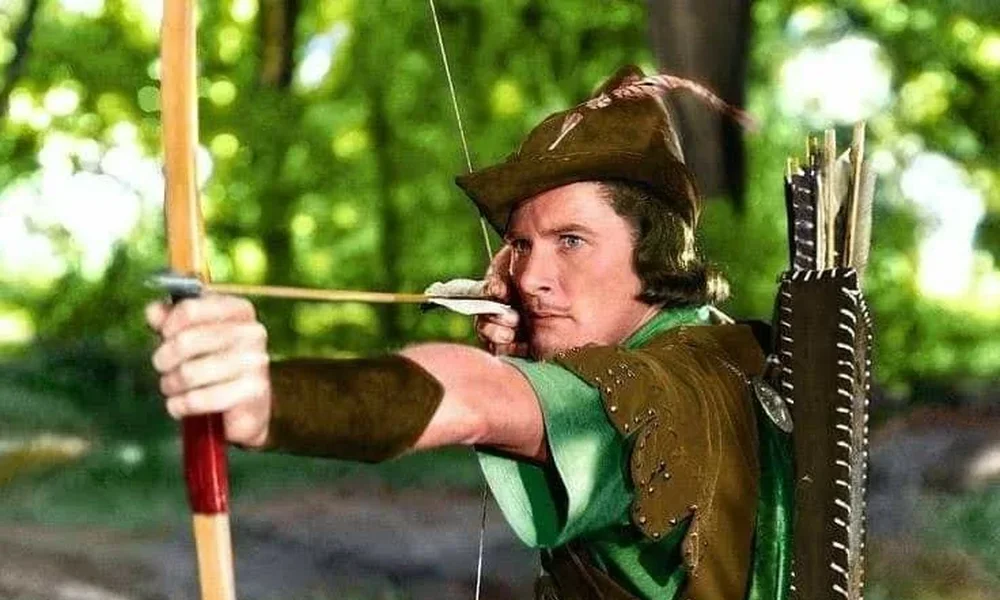
Errol Flynn, a name synonymous with the swashbuckling heroes of the golden age of Hollywood, left an indelible mark on the film industry. Born on June 20, 1909, in Hobart, Tasmania, Flynn rose to become one of the most beloved and controversial figures in cinematic history. His roles in films like “Captain Blood” and “The Adventures of Robin Hood” solidified his status as a leading man, but his personal life was often as tumultuous as the characters he portrayed on screen. This article delves into the life and legacy of Errol Flynn, exploring his journey from obscurity to stardom, his favorite pursuits, controversies, and the complex interplay of control and chaos that defined his existence.
PERSONAL INFORMATION
| Name | Errol Flynn |
|---|---|
| Place of Birth | Battery Point |
| Place of Death | Vancouver |
| Nationality | United States, Australia |
| Date of Birth | 20 June 1909 |
| Age at Death | 50 Years |
| Zodiac Sign | Gemini |
| Date of Death | 14 October 1959 |
| Residence | Hobart, Barnes, Sydney, Papua New Guinea, Northampton, Los Angeles, Port Antonio |
| Languages Spoken | English |
| Gender | Male |
| Native Language | English |
| Birth Name | Errol Leslie Thomson Flynn |
PHYSICAL STATISTICS
| Height (in centimeters) | 186 cm |
|---|---|
| Height (in meters) | 1.86 m |
| Height (in feet inches) | 6′ 1″ |
FAMILY
| Spouse | Nora Eddington, Lili Damita, Patrice Wymore |
|---|---|
| Children | Sean Flynn, Rory Flynn |
| Father | Theodore Thomson Flynn |
| Partner | Beverly Aadland |
EDUCATION
| Educated At | SHORE – Sydney Church of England Grammar School, The Hutchins School |
|---|
CAREER
| Profession | actor, character actor, screenwriter, film actor, film director, writer, director |
|---|---|
| Work Period Start | 1932 |
| Employer | Warner Bros. |
| Genre | action film, drama film, fantasy film, film noir, mystery film, adventure film, Western film, war film |
| Awards Received | star on Hollywood Walk of Fame |
| Work Period End | 1959 |
SOCIAL MEDIA & LINKS
| IMDB ID | nm0001224 |
|---|---|
| Official Website | http://www.errolflynn.net |
| Wikipedia | Wikipedia |
Cost of Becoming
The path to stardom for Errol Flynn was not an easy one. Born into a family with modest means, Flynn’s early years were marked by financial struggles and a restless spirit. His father, a marine biologist, and his mother, a suffragette, instilled in him a sense of adventure and a disdain for the conventional. Flynn’s desire to escape the confines of his Tasmanian upbringing led him to pursue a variety of careers, from mining to ranching, before he found his calling in the entertainment industry. The cost of becoming a star, however, came with personal sacrifices and a series of risky ventures, including a bout with malaria and a stint as a police officer in New Guinea. Despite the challenges, Flynn’s charisma and magnetic personality eventually propelled him to the heights of Hollywood fame.
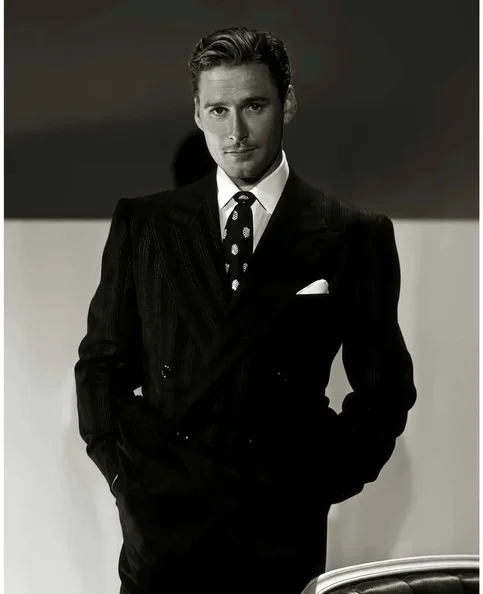
Identity Before Fame
Before Errol Flynn became a household name, he was a restless young man searching for purpose. His early years were marked by a series of jobs and travels that took him across the Pacific. Flynn worked as a ranch hand in Australia, a tea-plantation manager in Samoa, and a newspaper reporter in New Guinea. Each of these experiences contributed to his rugged and adventurous persona, which would later serve him well in his film roles. It was during this time that Flynn began to develop his skills as a storyteller and his ability to captivate an audience, traits that would become hallmarks of his screen presence.
Timeline
- 1909: Born in Hobart, Tasmania, to Theodore Flynn and Mar 하나님ra Lewis.
- 1927: Moved to New Guinea and worked as a police officer and plantation manager.
- 1930: Contracted malaria and returned to Australia to recuperate.
- 1933: Traveled to England and began his acting career in small theater roles.
- 1935: Starred in his first major film, “The Case of the Frightened Lady.”
- 1938: Achieved international fame with the release of “Captain Blood.”
- 1938: Co-starred with Olivia de Havilland in “The Adventures of Robin Hood.”
- 1942: Joined the American military as a civilian pilot during World War II.
- 1953: Starred in the film “Never Love a Stranger,” directed by Andrew Marton.
- 1959: Died on October 14 in Vancouver, Canada, at the age of 49.
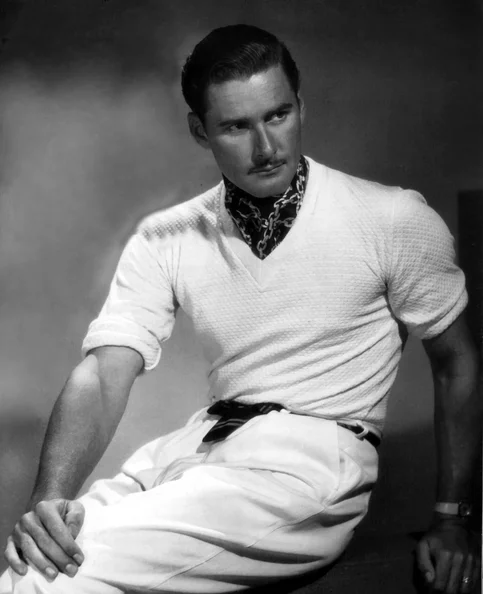
Favourites
- Hobbies: Hunting, fishing, and sailing.
- Alcohol: Scotch whisky and gin.
- Books: Adventure novels by Robert Louis Stevenson and Sir Arthur Conan Doyle.
- Music: Classical music, particularly works by Beethoven and Mozart.
- Films: “The Adventures of Robin Hood” and “Captain Blood.”
- Leisure Activities: Traveling and exploring new places.
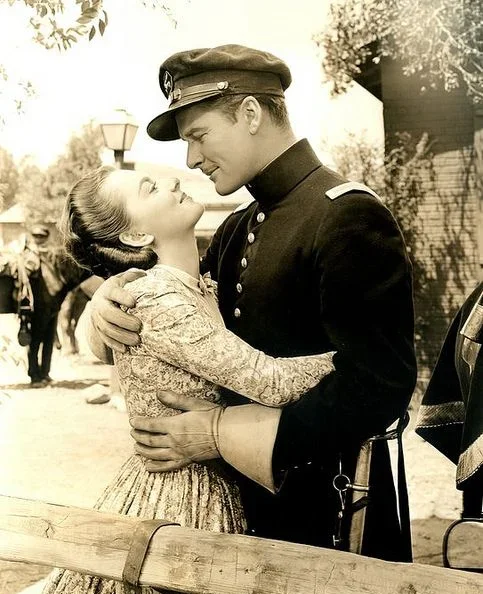
Controversies
- Accusation of Rape: In 1942, Flynn was sued by two women who accused him of statutory rape. He was eventually acquitted, but the scandal tarnished his reputation.
- Extramarital Affairs: Flynn was known for his numerous affairs, which often made headlines and caused tensions with his wives.
- Alcoholism: Flynn struggled with alcoholism throughout his life, which contributed to his premature death.
- Pro-Nazi Rumors: During World War II, there were rumors that Flynn had Nazi sympathies, though these were never substantiated.
- Debt and Financial Mismanagement: Flynn’s lavish lifestyle and poor financial decisions often left him in debt.
- Marital Discord: His marriages to Lyl Tomlinson, Bea Barrie, and Patrice Wymore were marked by frequent conflicts and separations.
- Legal Troubles: Besides the rape trial, Flynn was involved in several other legal battles, including disputes over film rights and contracts.
- Drug Use: There were rumors of drug use, though these were never confirmed.
- Irresponsible Behavior: Flynn was known for his impulsive and sometimes reckless behavior, which often put him in precarious situations.
- Public Outbursts: His temper and public outbursts sometimes led to conflicts with colleagues and the media.
Control vs Chaos
Errol Flynn’s life was a constant struggle between control and chaos. On one hand, his meticulous preparation for roles and his dedication to his craft demonstrated a strong sense of discipline and control. However, his personal life was often marked by chaos, from his tumultuous relationships to his struggles with alcohol and financial instability. Flynn’s ability to navigate these extremes and maintain his status as a Hollywood icon speaks to his resilience and adaptability. Despite the challenges, he managed to leave a lasting legacy in the film industry, proving that even in the midst of chaos, one can find a way to shine.
Emotional Geography
Errol Flynn’s emotional geography was as complex as the characters he played on screen. His childhood experiences of financial struggle and his family’s unconventional values laid the foundation for a life of adventure and rebellion. Flynn’s travels and varied career experiences enriched his emotional landscape, giving him a deep appreciation for the world’s diversity and a sense of wanderlust that never left him. Despite the personal turmoil he faced, Flynn’s ability to connect with audiences and his unwavering charisma suggest a rich and multifaceted emotional life. His films often reflected his own struggles and triumphs, creating a resonant and enduring legacy.
FAQs
-
Who was Errol Flynn?
Errol Flynn was an Australian actor who became one of the most famous and charismatic stars of the golden age of Hollywood. He is best known for his roles in swashbuckler films like “Captain Blood” and “The Adventures of Robin Hood.”
-
When was Errol Flynn born?
Errol Flynn was born on June 20, 1909, in Hobart, Tasmania, Australia.
-
What were some of Errol Flynn’s most famous films?
Some of Errol Flynn’s most famous films include “Captain Blood” (1935), “The Adventures of Robin Hood” (1938), “Charge of the Light Brigade” (1936), and “They Died with Their Boots On” (1941).
-
What was Errol Flynn’s background before becoming an actor?
Before becoming an actor, Errol Flynn worked a variety of jobs, including as a ranch hand, tea-plantation manager, and newspaper reporter. He also served as a police officer in New Guinea and traveled extensively throughout the Pacific.
-
How did Errol Flynn become famous?
Errol Flynn became famous after starring in the 1935 film “Captain Blood,” which catapulted him to international stardom. His rugged good looks and natural charisma made him a perfect fit for swashbuckling roles.
-
What controversies did Errol Flynn face during his career?
Errol Flynn faced several controversies, including a 1942 rape trial, allegations of Nazi sympathies, and numerous publicized affairs. His alcoholism and financial mismanagement also contributed to his tumultuous public image.
-
How many wives did Errol Flynn have?
Errol Flynn was married three times. His wives were Lyl Tomlinson, Bea Barrie, and Patrice Wymore.
-
What were some of Errol Flynn’s hobbies?
Errol Flynn enjoyed hunting, fishing, and sailing. He was also an avid reader of adventure novels and a fan of classical music.
-
How did Errol Flynn’s personal life affect his career?
Errol Flynn’s personal life, characterized by scandals and controversies, often overshadowed his professional achievements. However, his ability to charm audiences and his natural talent as an actor helped him maintain his status as a Hollywood icon.
-
What was Errol Flynn’s contribution to the film industry?
Errol Flynn’s contribution to the film industry was significant. He popularized the swashbuckler genre and set a standard for charismatic leading men. His performances in films like “The Adventures of Robin Hood” and “Captain Blood” are still celebrated today.
-
How did Errol Flynn die?
Errol Flynn died on October 14, 1959, in Vancouver, Canada, at the age of 49. His death was attributed to a heart attack, which was likely exacerbated by his long-standing health issues and alcoholism.
-
What is the legacy of Errol Flynn?
Errol Flynn’s legacy is one of a charismatic and talented actor who left an indelible mark on the film industry. Despite his personal controversies, his films continue to be celebrated for their entertainment value and his performances are regarded as iconic.
-
What were some of Errol Flynn’s favorite books?
Errol Flynn enjoyed adventure novels, particularly those by Robert Louis Stevenson and Sir Arthur Conan Doyle. He was also a fan of classic literature and often read works by Beethoven and Mozart.
-
How did Errol Flynn manage his finances?
Errol Flynn’s financial management was often poor, leading to frequent debts and financial troubles. His lavish lifestyle and impulsive spending habits contributed to his financial instability throughout his career.